
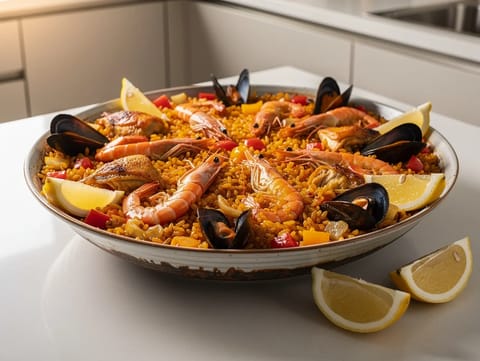
Paella Mixta (Mixed Paella with Chicken, Prawns and Mussels)
Mixed paella with chicken, prawns, mussels and saffron rice

Molluscs are a wide group of shellfish, including bivalves such as mussels and clams, and cephalopods such as squid and octopus. In recipes they can be the main ingredient, but they also turn up as flavour-building additions in broths, sauces and mixed seafood dishes. If you are avoiding molluscs, the key is knowing what the term covers, reading labels on seafood products and prepared foods, and being alert to cross-contact in places where shellfish is handled.
In culinary terms, molluscs commonly include mussels, clams, oysters, scallops, squid and octopus. They vary in texture and cooking behaviour, but they are grouped together for allergen purposes. That grouping matters when you are scanning a recipe: a “seafood” dish may include molluscs alongside fish or crustaceans, and the name of the dish does not always spell out every type of shellfish used.
Molluscs can also contribute indirectly. Shellfish stock, seafood pastes, and some sauces or fillings may use molluscs for depth of flavour. When the ingredient is processed or minced, it can be harder to spot without an ingredient list.
Mixed paella with chicken, prawns, mussels and saffron rice
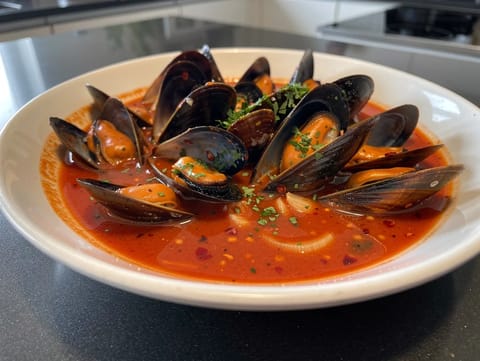
Mussels simmered in tomato and garlic sauce with chilli
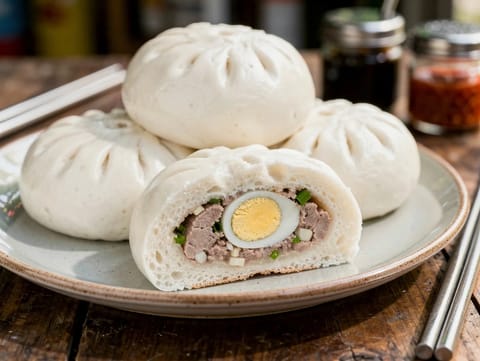
Fluffy steamed buns filled with minced pork and hard-boiled egg
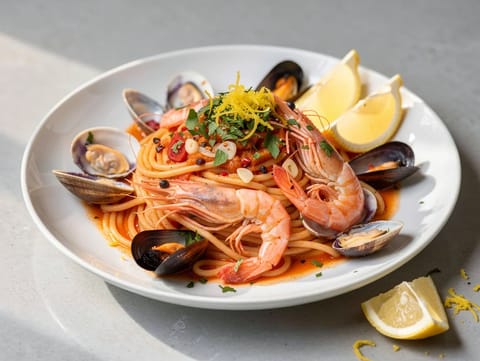
Seafood linguine with mussels, clams and prawns
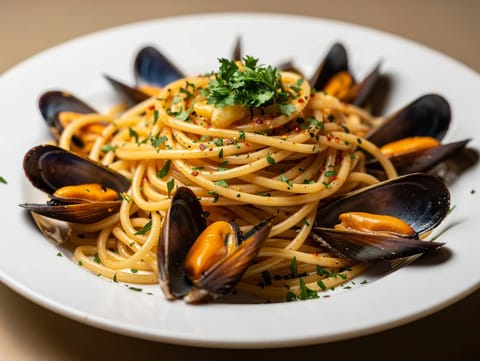
Spaghetti with mussels in garlic, white wine and parsley
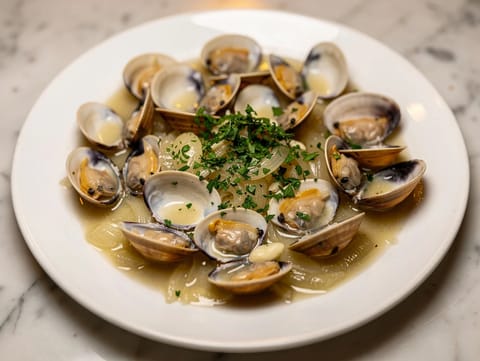
Clams steamed in white wine sauce with garlic and parsley
If you are avoiding molluscs, recipes built around clearly identified fish or vegetables are usually simpler to assess than mixed seafood dishes, stews and broths where shellfish can be part of the base. Be cautious with recipes that call for “shellfish”, “seafood mix” or “fruits de mer”, because the exact contents can vary by region and by what is available.
When adapting, think about what the mollusc is contributing. Mussels and clams often bring briny liquor to a broth, while squid and octopus contribute chew and a clean sea flavour. You can sometimes replace that with fish, mushrooms, seaweed or a well-seasoned stock, but the result will be a different dish rather than a perfect match.
Pad krapow gai with minced chicken, garlic, chillies and Thai basil
Basque-style hake gently poached in parsley and garlic green sauce with clams
Simmered then grilled octopus finished with lemon juice, olive oil, garlic and oregano
Tomato and white wine fish soup with mussels, prawns and parsley
Fideos noodles simmered with prawns, mussels, white fish and peas in saffron tomato broth
Venetian-style risotto made with squid ink, squid, fish stock and parsley
Chilean curanto steams mussels, clams, chicken and pork with potatoes and cabbage
Minced chicken stir-fried with chilli and Thai basil, served over jasmine rice
Minced pork pad krapow moo with garlic, chillies and Thai basil
Tender simmered octopus roasted with potatoes, garlic and bay, finished with lemon and parsley
New England style clam chowder with potatoes and clams in a sourdough bowl
Simmered octopus sliced over potatoes, finished with olive oil, paprika and salt
For people with a diagnosed mollusc allergy, cross-contact can be a practical concern, particularly with fishmongers, mixed seafood counters, shared fryers and grills, and kitchens where shellfish is cooked in the same pots or oils. Packaged seafood products can also be processed on shared lines.
Because molluscs are a broad group, do not rely on a single familiar name. Check labels and ask questions when ingredients are not explicit, especially for prepared foods and restaurant-style dishes.
Ingredient pages can help you compare different seafood and non-seafood options when you want a similar texture or a briny note without molluscs. Diet collections may also help you browse allergen-aware recipes, while keeping in mind that seafood products and preparation environments still require careful checking.
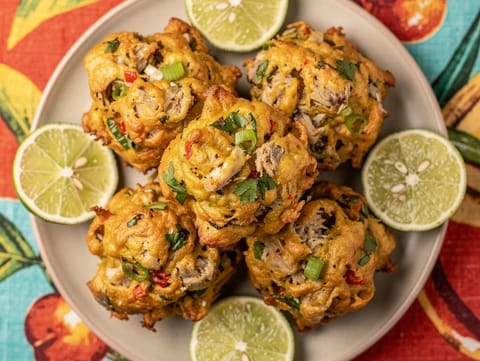
Crisp fritters made with salted cod, spring onion and chilli
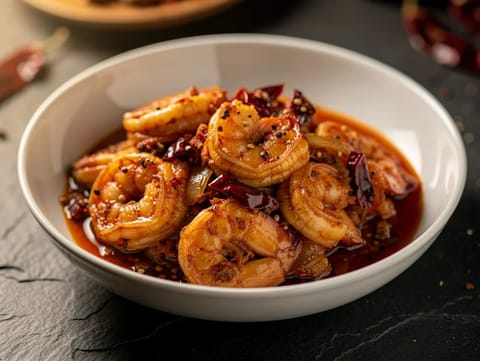
Goan-style prawns cooked in a tangy chilli masala
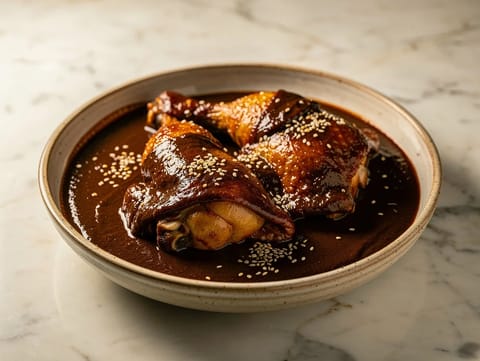
Chicken simmered in mole poblano with chocolate and sesame
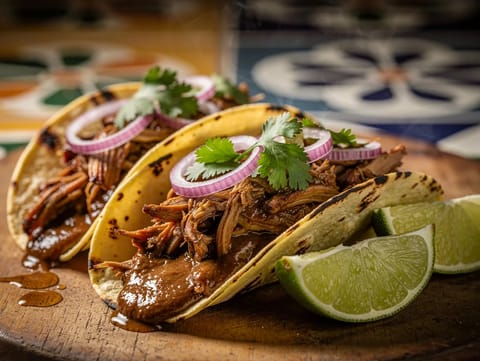
Jackfruit tacos in ancho chilli mole-style sauce
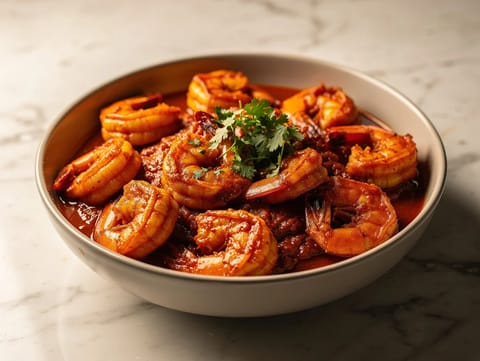
Tangy Goan-style prawn curry with vinegar and chilli
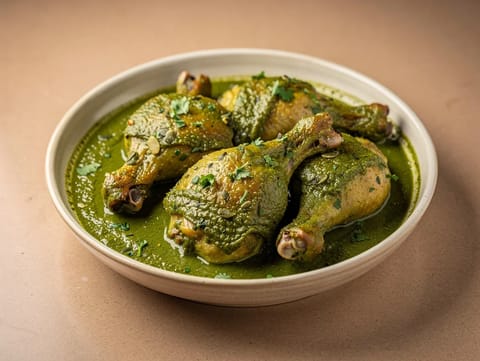
Chicken simmered in a thick green pumpkin seed and tomatillo sauce
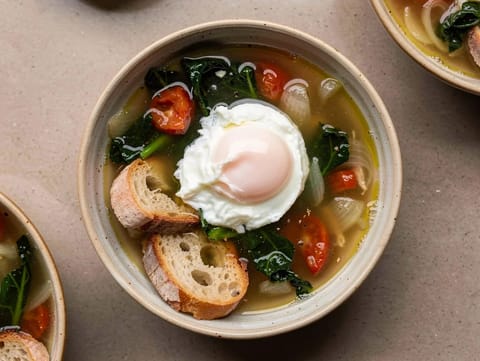
Tuscan vegetable soup with poached eggs over toasted bread
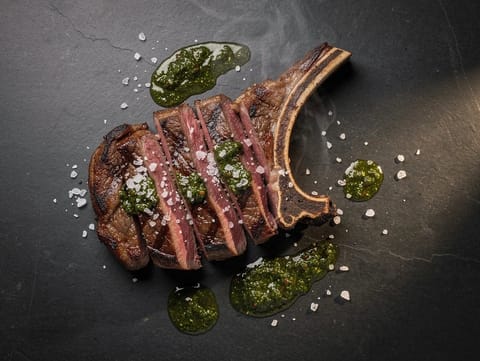
Grilled T-bone steak with parsley chimichurri
No. Molluscs include clams, mussels, oysters, squid and octopus, while crustaceans include prawns, crab and lobster. Some people react to one group and not the other, but you should follow individual medical guidance.
Yes. Scallops are a type of bivalve mollusc.
They can. Shellfish stock, seafood pastes and mixed seafood products may include molluscs even when they are not obvious from the dish name.
It varies by producer and region. It may include a combination of fish, crustaceans and molluscs, which is why the ingredient list matters.
It can be, because different types of seafood are often stored and handled close together. If avoidance needs to be strict, ask about handling practices and consider packaged products with clear labelling.
Because molluscs cover several familiar seafoods, the safest approach is to read beyond the recipe title. Clear ingredient lists and careful handling matter as much as the main protein choice.
