

Sheer Khurma (Eid Vermicelli Milk Dessert)
Vermicelli simmered in sweetened milk with dates, raisins and nuts

Pistachios turn up in recipes in a few distinct ways: as a visible garnish, as a ground nut that thickens or coats, or as a paste that carries both colour and flavour. If you need to avoid pistachios, the most reliable approach is to treat them as an ingredient to verify, not just a topping to pick off. This page focuses on what to look for in ingredient lists and packaging, where pistachios can be less obvious, and how to choose substitutions that match the job pistachios were doing in the dish.
This label is used for recipes that intentionally include pistachios in some form. That might be whole nuts, chopped pistachios, ground pistachio meal, or pistachio paste used to flavour creams, fillings or sauces. In practice, pistachios can contribute three things at once: a sweet, rich nuttiness; a firm crunch; and, when finely ground, a slightly thickening effect.
It does not tell you how prominent pistachio will be in the finished dish. Sometimes it is a finishing sprinkle; other times it is structural, such as a nut crust, a praline-style layer, or a paste blended through a dessert base. Knowing which role it plays is what helps you decide whether a simple omission will work, or whether you need a more considered replacement.
Vermicelli simmered in sweetened milk with dates, raisins and nuts
Milk rice pudding scented with rose water and cardamom, topped with pistachios
Ghee-fried bread soaked in cardamom syrup, topped with creamy saffron rabri and pistachios
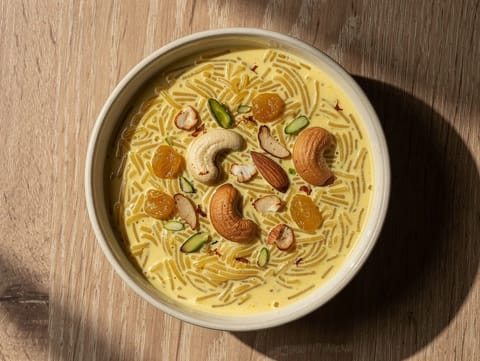
Sweet vermicelli simmered in milk with cardamom and saffron
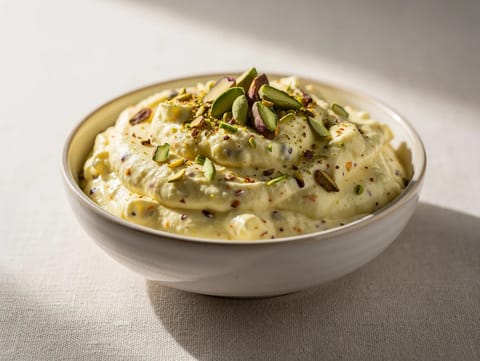
Strained yoghurt pudding flavoured with saffron and cardamom
Italian pistachio semifreddo made with whipped cream, frozen until sliceable
Start by asking what the pistachios are doing. If they are mainly a garnish, you can often replace the crunch with toasted seeds, chopped biscuits, or another nut if that suits your needs. If they are ground into a coating or crust, you usually need something dry that will cling and brown: breadcrumbs, crushed crackers, or finely chopped seeds can work, depending on the recipe.
If the recipe uses pistachio paste or finely ground pistachios to flavour a cream, sponge or filling, substitution is less direct. You may need to choose a different flavour direction entirely, such as vanilla, citrus zest, cocoa, coffee or a spice, and accept that the colour and aroma will change. Where pistachios add body, a small amount of ground seed or nut-free flour can sometimes provide structure, but it will not replicate pistachio’s distinctive taste.
Layered filo baklava baked golden, then soaked with honey and orange syrup
If you are avoiding pistachios for allergy reasons, do not rely on visual checks alone. Pistachios can appear as chopped nuts, ground meal, paste, flavouring ingredients, or in mixed nut products. Always read ingredient labels on packaged items used within a recipe, and be cautious with products that may be processed alongside nuts.
Cross-contact can also happen in the kitchen: shared chopping boards, food processors and baking trays can carry traces. If you are cooking for someone with a diagnosed allergy, follow their guidance and risk tolerance, and consider whether a recipe that originally contains pistachios is appropriate to adapt at all.
If you are planning substitutions, browsing by Ingredient can help you choose alternatives that behave similarly, such as seeds for crunch or ground ingredients for coatings. Diet categories can also be useful when you need recipes that avoid nuts more broadly, but always treat labels as a starting point and verify ingredients for your situation.
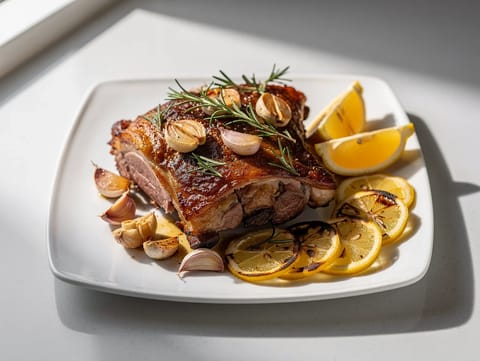
Slow-roasted lamb shoulder with rosemary, garlic and pan juices
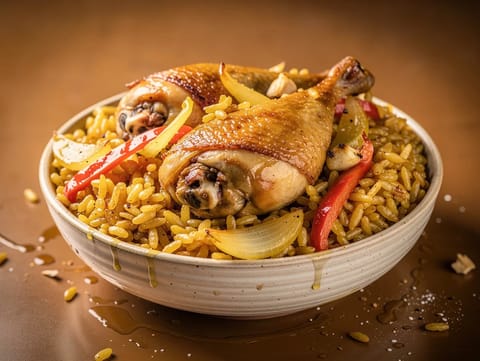
One-pan Spanish chicken and rice cooked in saffron-scented stock
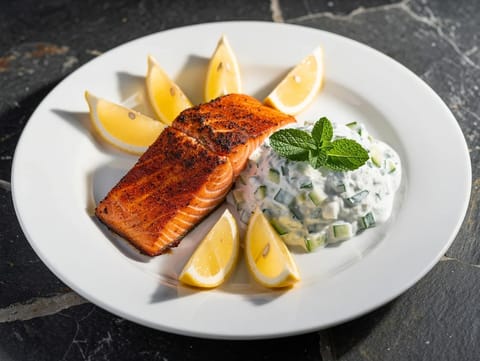
Baked tandoori-style salmon with cucumber and mint raita
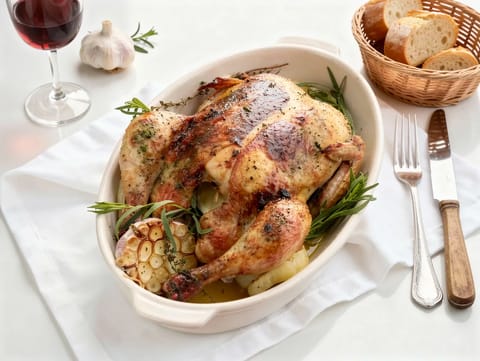
Roast chicken with tarragon, garlic and pan jus
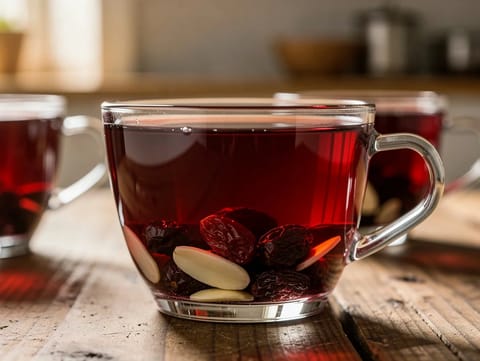
Nordic mulled wine with spices, raisins and blanched almonds
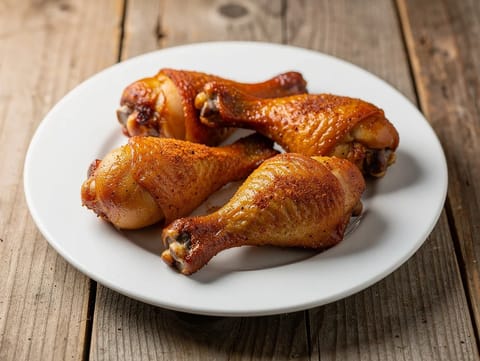
Chicken drumsticks air-fried with garlic and paprika until juicy.
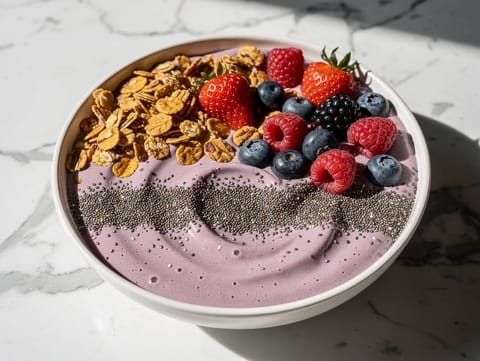
Kefir smoothie bowl with berries, banana, granola and chia.
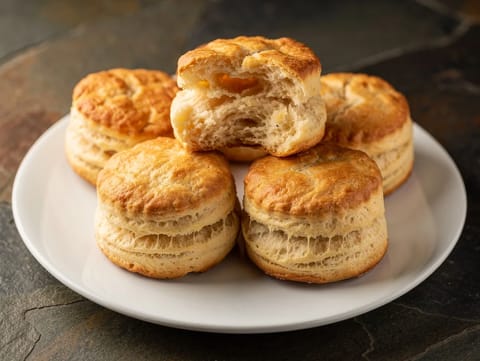
Tender air fryer biscuits made with buttermilk and butter.
Pistachios are commonly grouped with tree nuts in allergen contexts. If you are managing a nut allergy, follow medical advice and treat pistachios with the same level of caution you would apply to other nuts.
Sometimes, yes, especially when they are used as a garnish. If pistachios are ground into a crust, blended into a filling, or used as a paste, leaving them out may change texture, thickness or structure, so a replacement is often needed.
Check for pistachio paste, pistachio meal or flour, mixed nuts, and products where nuts are part of the flavouring or inclusions. Also pay attention to precautionary statements about shared manufacturing lines, where relevant to your needs.
No. Pistachio paste is usually made from ground nuts and contributes fat, body and flavour. Extracts or flavourings may provide aroma without the same thickening effect, and they may still contain nut-derived ingredients, so label checking matters.
Choose something that matches the role: toasted seeds for crunch, a crisp crumb for texture, or a sprinkle of cocoa nibs for bitterness. The best choice depends on whether you want a neutral crunch or a distinct flavour contrast.
If you are avoiding pistachios due to allergy, cross-contact is a practical consideration. Shared blades and bowls can retain traces, especially after processing nuts. Use dedicated equipment where needed, or clean thoroughly according to your household’s allergy plan.
Before swapping, identify whether pistachios are providing crunch, flavour, colour, or structure. Once you know the role, you can pick a substitute that does the same job, and reserve label-checking attention for the packaged ingredients that most often hide pistachio in less obvious forms.
