
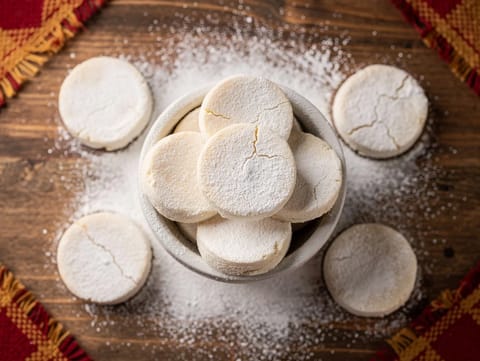
Polvorones (Spanish Shortbread Biscuits)
Crumbly Spanish shortbread biscuits with almonds and icing sugar

Tree nuts can be easy to spot when they are sprinkled on top, but harder to catch when they are ground, blended or used as a paste. This page is for cooks who need to avoid tree nuts and want a clear sense of what the label covers, where they tend to appear in everyday cooking, and what to double-check before you start. It is browsing help rather than a safety guarantee, so it is still worth reading ingredient lists carefully and thinking about how the food is prepared.
Tree nuts are a group rather than a single ingredient, which matters because recipes may use them whole, chopped, ground into flour, or blended into a smooth butter. In practical kitchen terms, they often play one of three roles: crunch (a topping for salads, noodles or bakes), richness (a nut butter stirred into sauces or dressings), or structure (ground nuts in cakes, biscuits and pastry-style bases). The same dish can contain tree nuts without looking ‘nutty’ at all, especially when nuts are toasted and blitzed into crumbs, folded into a filling, or used as a thickener in a sauce. When you are avoiding tree nuts, it helps to treat anything described as nut meal, nut flour, praline, marzipan-style paste or nut butter as a prompt to check exactly which nut is involved.
Crumbly Spanish shortbread biscuits with almonds and icing sugar
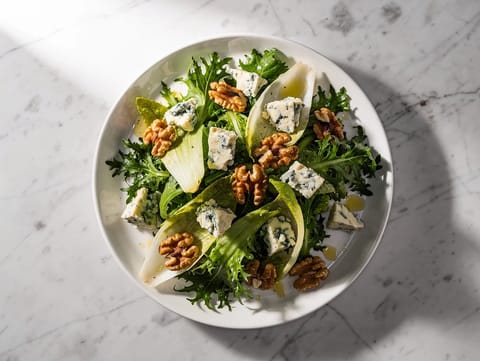
Crisp endive salad with walnuts, Roquefort and Dijon dressing
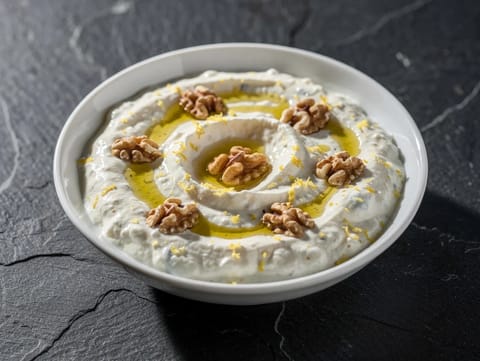
Chilled walnut and yoghurt sauce with garlic and lemon
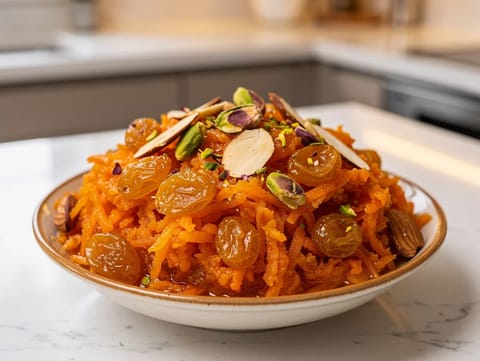
Carrot halwa cooked in milk with ghee, cardamom and nuts
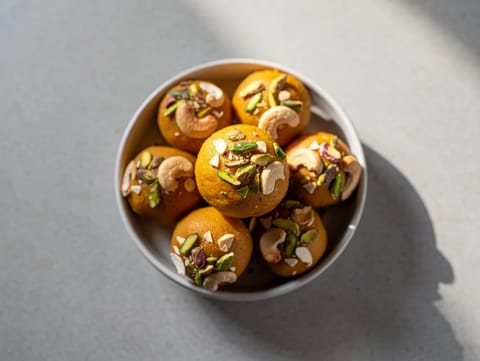
Chickpea flour sweets roasted in ghee and shaped into balls
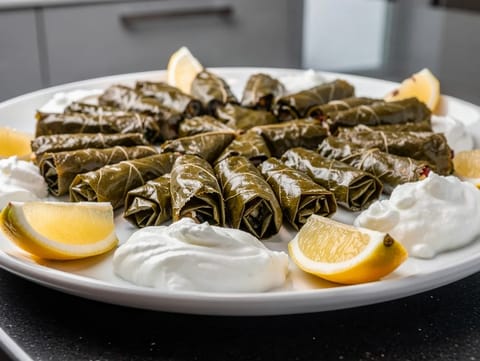
Grape leaves stuffed with herby rice, pine nuts and currants
If nuts are used as a garnish, they are usually the easiest to omit, but you may lose crunch and a little bitterness from toasting. Where nuts are blended into a sauce, they can be doing real work: thickening, smoothing and rounding out sharp flavours such as citrus, vinegar or chilli. In baking, ground nuts can replace some flour and change the crumb, making it more tender and moist, so swapping them out is not always a straight exchange. Watch for recipes that rely on nuts for body in fillings and bases, such as nut-and-date style crusts or frangipane-like layers. Those are still possible to adapt, but they need a deliberate alternative rather than a simple omission.
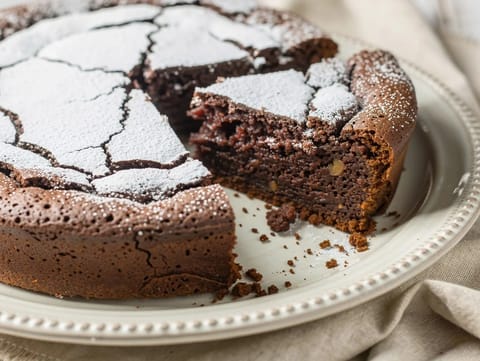
Flourless chocolate and almond cake with a fudgy centre
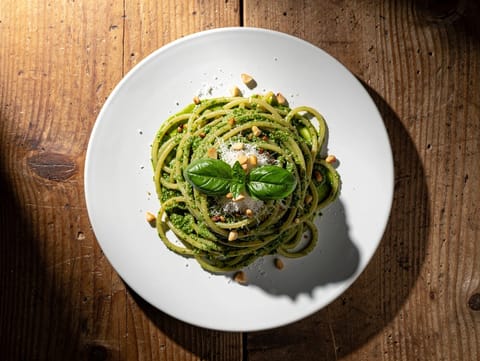
Spaghetti tossed with fresh basil pesto and Parmesan
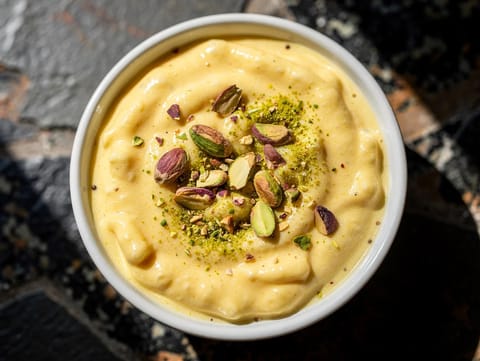
Thickened sweetened milk dessert with cardamom, saffron and pistachios
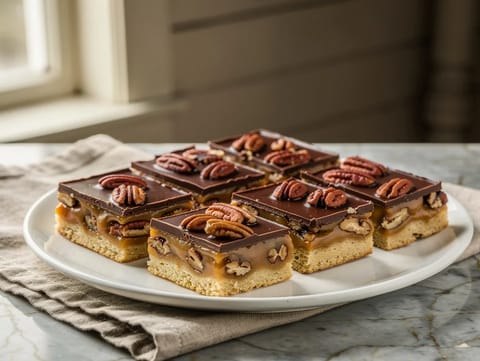
Shortbread bars topped with pecans, caramel and dark chocolate
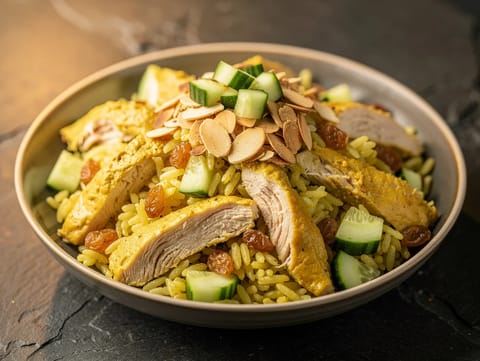
Chilled coronation chicken rice salad with mango chutney
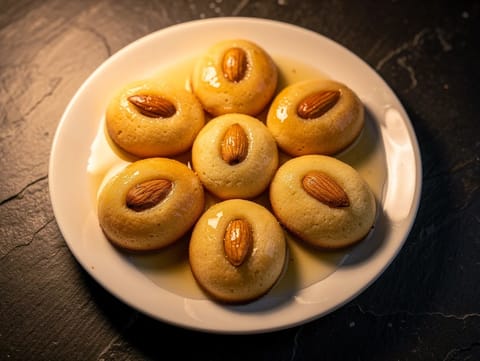
Tender semolina biscuits soaked in lemon syrup
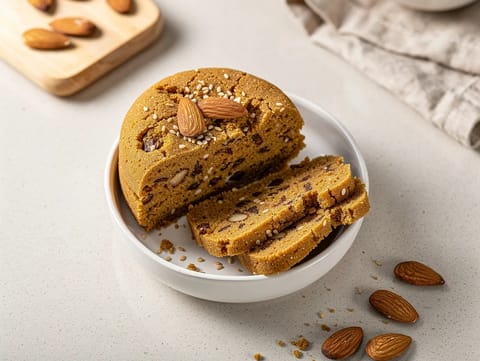
No-bake Moroccan sweet with almonds, sesame, honey and butter
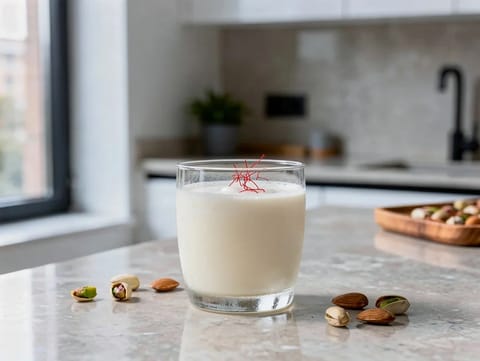
Chilled thandai made with spiced milk and blended almonds
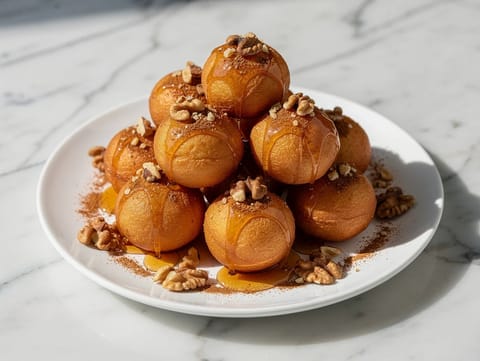
Greek honey doughnuts topped with walnuts and cinnamon
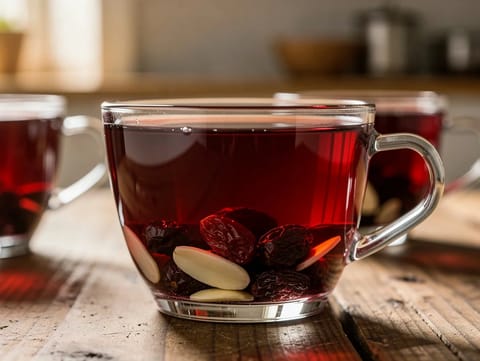
Nordic mulled wine with spices, raisins and blanched almonds
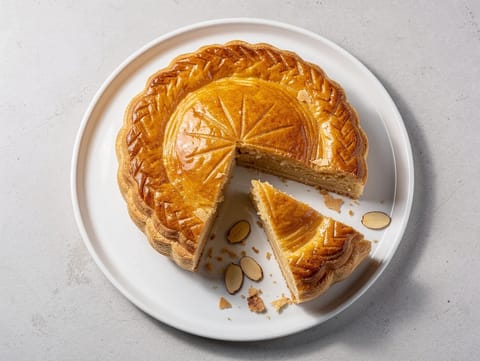
Puff pastry cake filled with almond frangipane
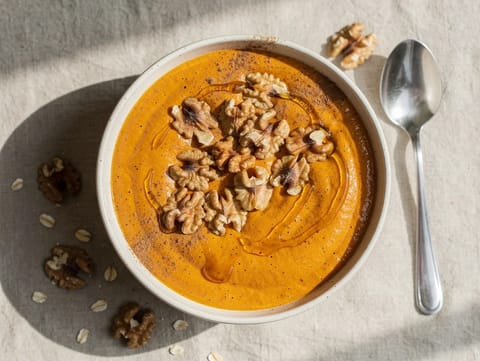
Carrot cake smoothie bowl with banana, yoghurt, oats and spice.
Avoiding tree nuts is not only about the recipe list. Packaged ingredients can contain nuts, be processed alongside them, or use nut oils and pastes in ways that are not obvious from appearance. If you are cooking for someone with an allergy, check labels on items such as chocolate, spreads, pesto-style sauces and spice blends, and consider whether your kitchen equipment has been in contact with nuts. This tag is a guide to what may be present, not a promise that a dish is safe for every individual or situation.
If you are planning substitutions, browsing by Ingredient can help you find alternatives that give similar texture, such as seeds for crunch or dairy for richness, depending on the dish. Diet categories can also be useful when you are balancing more than one requirement, but it is still worth checking each recipe and product label carefully.

Peruvian beef stew braised with coriander, ají amarillo and beer
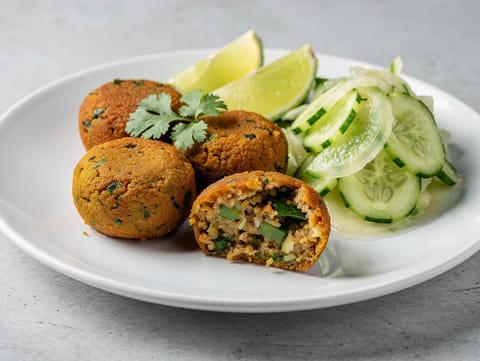
Thai fish cakes with red curry paste and green beans
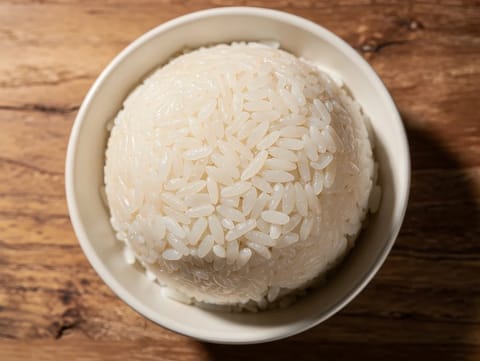
Thai sticky rice steamed from soaked glutinous rice
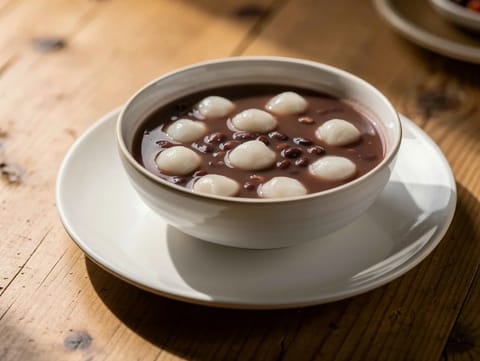
Korean red bean porridge with rice flour dumplings
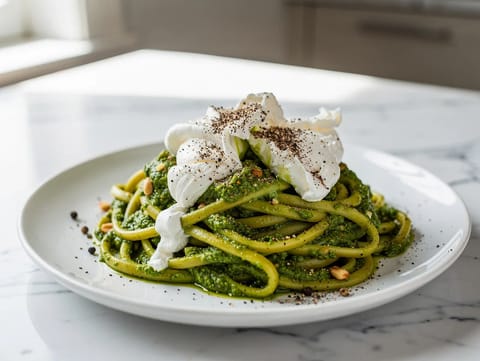
Pesto pasta topped with creamy burrata

Iced espresso with sweetened almond drink

Breakfast burrito with scrambled eggs, avocado and salsa
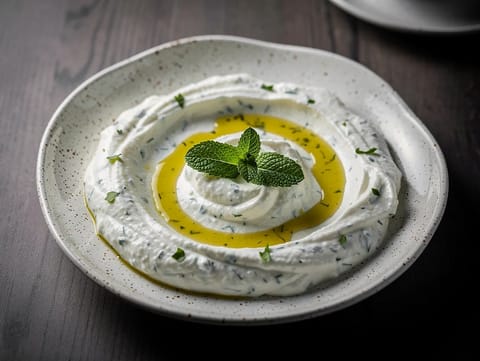
Thick Turkish yoghurt dip with garlic, mint and olive oil
In allergen terms, peanuts are usually treated separately from tree nuts. If you need to avoid both, check for each specifically rather than assuming one label covers the other.
Some recipes use nut oils for flavour, and they may not be obvious once mixed into a dressing or marinade. If you are avoiding tree nuts, treat oils as something to check on the ingredient list.
Once nuts are milled or blended, they can look like flour, crumbs or a thick paste. They may be used to thicken sauces, enrich fillings or change the texture of cakes without any visible pieces.
Sometimes, especially when nuts are a topping. When nuts provide structure or thickness, leaving them out can make a cake crumbly or a sauce thin, so you may need a planned alternative.
Using clean boards, knives, bowls and especially blenders or food processors matters, because nut pastes cling to surfaces. If you are cooking for someone with a serious allergy, consider whether your kitchen setup can reliably keep ingredients separate.
Tree nuts can be obvious, hidden, or doing important structural work in a recipe. Use this page to understand where they tend to appear, then rely on ingredient lists and careful preparation habits to make decisions that fit your household.
