
Patjuk (Korean Red Bean Porridge)
Why this recipe works
- Smooth bean base: Pressing the cooked adzuki beans through a sieve removes the skins and gives the porridge its characteristically silky texture.
- Soft dumpling contrast: Rice flour dumplings cook in the porridge itself, adding a tender, gently chewy bite against the smooth red bean base.
- Gentle sweetness: The sugar is added at the end, making it easy to adjust the sweetness without masking the natural earthiness of the beans.
Get the most out of this recipe
Authenticity notes
- Winter tradition: Patjuk is closely associated with Dongji, the Korean winter solstice, though it is also enjoyed more broadly as a warming sweet porridge.
- Sweet or lightly seasoned: Some versions are kept less sweet and seasoned more simply with salt, while dessert-style patjuk leans gently sweet as in this recipe.
Ingredient notes
- Use adzuki beans: Adzuki beans give patjuk its distinctive colour, earthy flavour, and smooth body once cooked and strained.
- Rice flour choice: Standard rice flour makes softer dumplings, while glutinous rice flour gives a chewier texture that stays more elastic.
Texture tips
- For a silkier porridge: Press the beans thoroughly through the sieve, taking time to extract as much purée as possible while leaving the skins behind.
- Keep the heat gentle: Once the bean purée is added back to the liquid, simmer gently and stir often so the porridge thickens evenly without catching.
- Cook dumplings fully: The dumplings should float and feel tender throughout before serving; smaller dumplings cook more evenly.
Make-ahead tips
- Make the base ahead: The red bean porridge base can be prepared in advance and refrigerated, then reheated gently with a splash of water.
- Dumplings are best fresh: Rice flour dumplings soften after chilling, so add and cook them close to serving if you want the best texture.
- Reheat slowly: Warm leftovers in a saucepan over low heat, stirring often and loosening with a little water as the porridge thickens in the fridge.
Equipment you'll need
Ingredients
Instructions
- Rinse the adzuki beans, then put them in a large pot with the water. Bring to the boil, boil for 5 minutes, then drain and return the beans to the pot with fresh water from the measured amount. Bring back to a gentle simmer.
- Simmer the beans over low heat until very soft and starting to split, topping up with a little more water if needed to keep them submerged. You want them tender enough to mash easily between your fingers. This usually takes 45 to 55 minutes.
- Set a sieve over a saucepan and strain the beans, catching the cooking liquid. Push the beans through the sieve with a wooden spoon to extract as much smooth bean purée as you can, leaving the skins behind. Stir the purée into the reserved liquid in the saucepan.
- Bring the red bean base to a gentle simmer and cook, stirring often, until it looks slightly thickened and silky. If it becomes too thick, loosen with a splash of the remaining water; if too thin, simmer a little longer. Keep the heat low to prevent catching.
- Meanwhile, put the rice flour in a mixing bowl and stir in the fine sea salt. Add just enough water to form a soft, pliable dough that holds together without cracking. Roll into small dumplings about the size of a marble.
- Slip the dumplings into the gently simmering porridge and stir carefully so they do not stick to the bottom. Simmer until the dumplings float and feel tender throughout, 3 to 5 minutes. Keep the porridge at a gentle bubble so the dumplings cook evenly.
- Stir in the caster sugar and simmer for 1 to 2 minutes, just until dissolved. Taste and adjust with a little more sugar if you like it sweeter. Serve warm.
Recipe notes
Tips
- For a smoother porridge, take your time pressing the beans through the sieve; the more you extract, the silkier the base will be.
- Keep the heat low once the bean purée is in the pan and stir regularly, as the porridge can catch on the bottom as it thickens.
- If serving to young children or anyone who struggles with chewy textures, make the dumplings slightly smaller so they cook through quickly and evenly.
Substitutions
- Replace caster sugar with granulated sugar for a slightly less quick-dissolving sweetness; simmer an extra minute to ensure it fully dissolves.
- Replace rice flour with glutinous rice flour for chewier dumplings that stay softer as the porridge sits.
Storage
- Refrigerate up to 3 days
- Cool, then refrigerate in an airtight container for up to 3 days. Reheat gently in a saucepan with a splash of water, stirring often, until piping hot; the porridge will thicken as it stands. The dumplings are best fresh and can become overly soft after chilling.
Ratings & reviews
Liked this recipe? Share your feedback to support our cooking community.
Tried this recipe?
Choose 1–5 stars. A comment is optional.
Stay inspired
Discover new recipes, seasonal favourites and cooking inspiration every day. Follow JustRecipes on Pinterest and Spillt.

Recipe overview
- Servings: 4 servings
- Total time: 1h 35min (25min active)
- Difficulty: Medium
- Cuisine: Korean
Plan your meals and get a complete grocery list automatically.
Add to meal plannerEquipment you'll need
Got ingredients left?
Find recipes using ingredients from this recipe or what you already have at home.
Find recipes with these ingredients →
Modern Congee Bowl
Jasmine rice congee topped with egg, soy and sesame oil
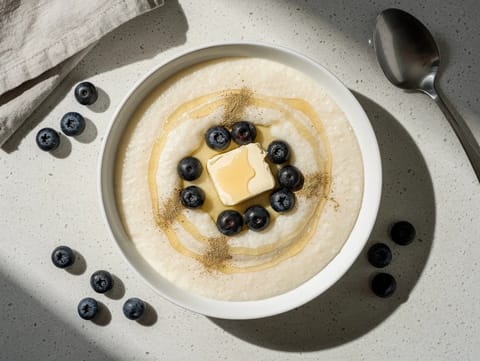
Semolina Porridge with Honey, Cardamom and Blueberries
Creamy semolina porridge with honey, cardamom and blueberries
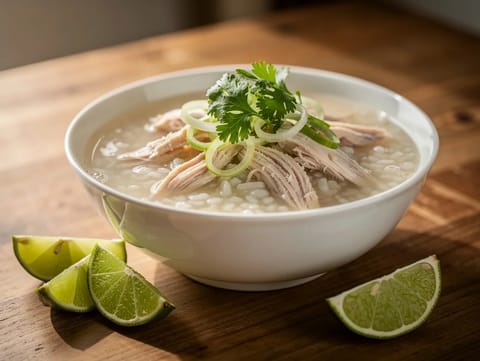
Cháo Gà (Vietnamese Chicken Rice Porridge)
Silky Vietnamese chicken rice porridge with ginger and herbs
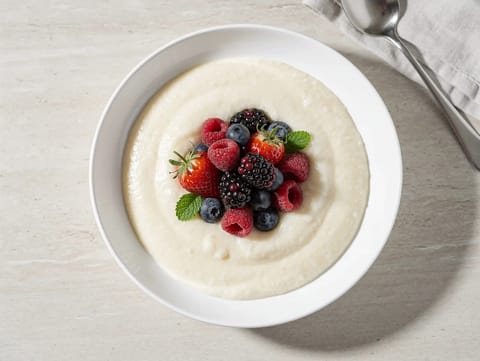
Crema di Semolino con Frutta (Semolina Porridge with Fresh Fruit)
Creamy semolina porridge with butter and mixed berries

Congee (Rice Porridge with Ginger and Spring Onion)
Creamy jasmine rice congee with ginger and spring onion
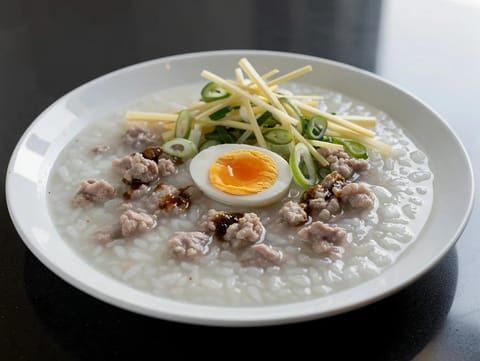
Jok (Thai Rice Porridge with Pork and Egg)
Thai rice porridge with minced pork, egg, ginger and spring onions
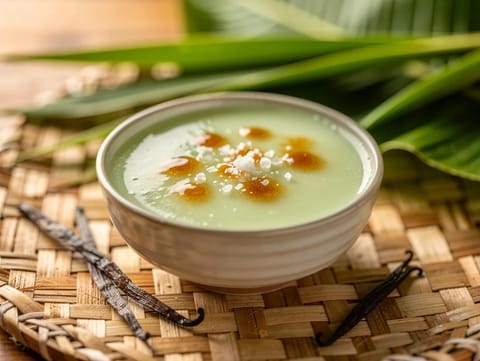
Thai Custard (Sangkhaya) with Pandan and Coconut Milk
Thai steamed custard flavoured with pandan and coconut milk
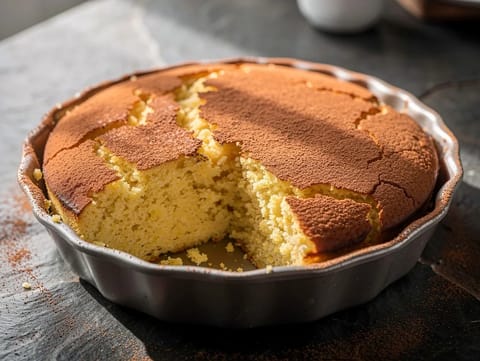
Pastel de Elote (Mexican Corn Cake)
Mexican sweetcorn cake with condensed milk and cinnamon
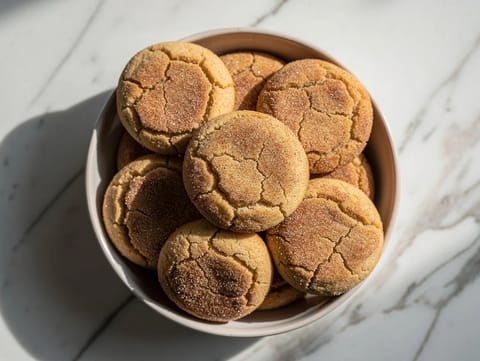
Air Fryer Snickerdoodles
Air fryer snickerdoodles rolled in cinnamon sugar and baked until puffed.

Caramel Pecan Turtle Bars
Shortbread bars topped with pecans, caramel and dark chocolate

Tiramisù (Italian Coffee and Mascarpone Dessert)
Coffee-soaked biscuit dessert with mascarpone and cocoa
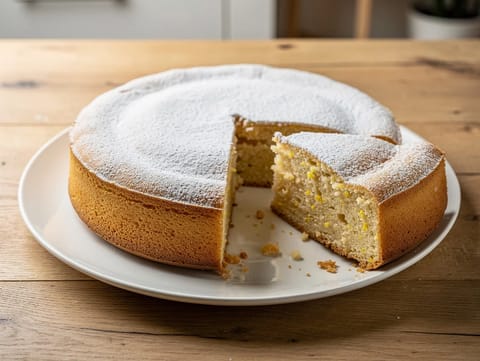
Gluten-Free Torta di Mandorle (Italian Almond Cake)
Gluten-free almond cake with lemon zest and icing sugar
Scottish Shortbread
Buttery Scottish shortbread baked until pale gold
Mooncakes (Baked Cakes with Golden Syrup and Red Bean Filling)
Baked mooncakes with golden syrup dough and red bean paste

Longevity Peach Buns (Shou Tao)
Peach-shaped steamed buns filled with sweet red bean paste

Homemade Soy Milk
Fresh soya milk made by soaking, blending, simmering and straining

Turkish Coffee (Türk Kahvesi)
Unfiltered Turkish coffee gently heated with water and optional sugar

Homemade Lemonade
Homemade lemonade with fresh lemon juice and simple syrup
You might also like
Agnello alla Scottadito with Roast Potatoes
Grilled lamb chops with rosemary roast potatoes

Bomboloni (Italian Filled Doughnuts)
Sugar-coated Italian doughnuts filled with vanilla pastry cream

Zwetschgenkuchen (German Plum Cake with Yeasted Base)
German plum cake with yeasted base and cinnamon sugar
Green Bean Casserole with Creamy Mushroom Sauce and Crispy Onions
Green bean casserole with creamy mushroom sauce and crispy onions

Baked Mac and Cheese with Cheddar and Breadcrumbs
Baked macaroni in creamy cheddar sauce with breadcrumbs
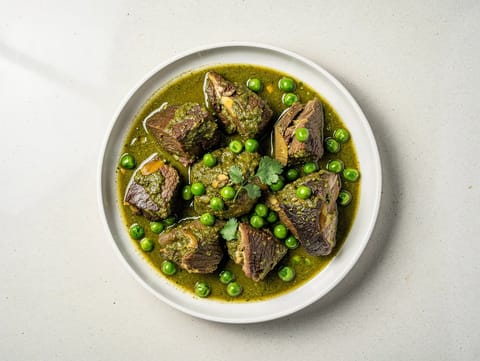
Seco de Cordero (Peruvian Lamb Stew with Coriander)
Peruvian lamb stew with coriander, aji amarillo and peas
Make this recipe easier next time
AdvertisementThese tools help you get better results with less effort.
KitchenAid Stainless Steel Mixing Bowls
- Non-slip base
- Stainless steel
- Not microwave safe
T-fal Specialty Nonstick Handy Pot with Glass Lid 3 Quart
- Easy food release
- Dishwasher safe
- Not induction compatible
OXO Good Grips Stainless Mixing Bowl Set
- Non-slip base
- Comfort grip
- Higher price
WMF Mini Saucepan 16 cm with Lid
- High-quality stainless steel
- Even heat distribution
- Higher price point
Enjoy cooking with JustRecipes?
Add JustRecipes as one of your preferred Google sources to discover our recipes more easily across Google Search.
Add JustRecipes to GoogleEvery recipe on JustRecipes follows the same structured editorial process. Learn how recipes are created, validated, translated, illustrated, and continuously improved across the platform. How we create recipes.
