
Risgrynsgröt (Nordic Rice Porridge with Cinnamon and Butter)
Milk-simmered rice porridge, lightly sweetened and served warm with cinnamon and butter

Porridge and oatmeal can be as simple as oats and water, or as structured as a baked breakfast you slice into squares. The main difference between recipes is method: how the oats hydrate and how much stirring, heat and time you give them. That choice affects everything you notice in the bowl, from a loose, spoonable texture to something thicker and more set, and from clean grain flavour to deeper, toasted notes. Use this page to compare approaches and pick the one that fits your morning and your preferred consistency.
In everyday cooking, porridge is a warm cereal made by simmering grains until they soften and thicken a liquid. Oatmeal is the oat version, whether you start with rolled oats, quick oats or steel-cut oats. Recipes in this family may be sweet or savoury, dairy-based or made with water or plant milks, and they can be cooked to a loose, creamy bowl or a firmer spoonful. What does not automatically follow is a single flavour profile: cinnamon and brown sugar are as much a choice as miso and spring onion. The common thread is hydrated oats (or similar grains) that turn the cooking liquid into a cohesive, comforting base.
Milk-simmered rice porridge, lightly sweetened and served warm with cinnamon and butter
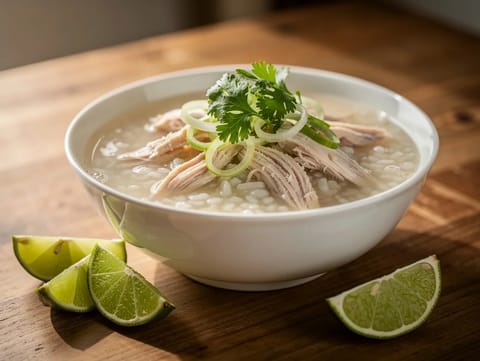
Silky Vietnamese chicken rice porridge with ginger and herbs
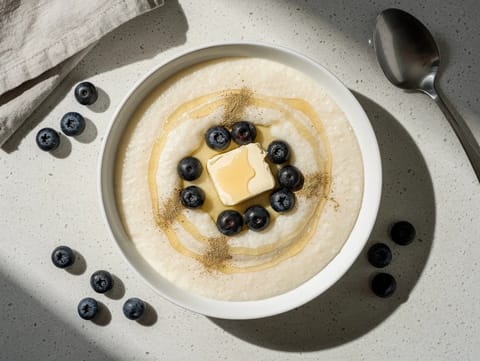
Creamy semolina porridge with honey, cardamom and blueberries
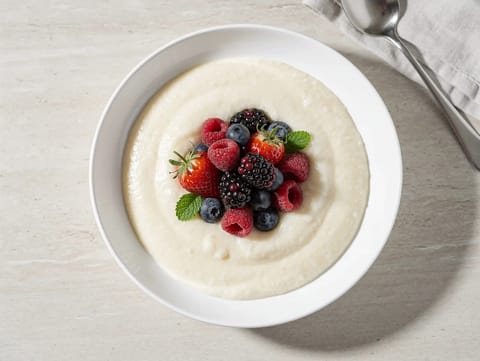
Creamy semolina porridge with butter and mixed berries
Savoury bread porridge simmered with pork and pork blood, finished with vinegar
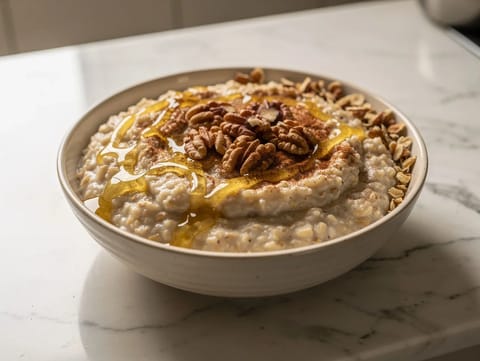
Creamy apple and cinnamon oatmeal with honey and walnuts
Stovetop porridge gives the most control. Gentle simmering and regular stirring encourage creaminess as starches release, while a lower stir approach can leave more distinct oat pieces. Microwave oatmeal is usually faster and can be surprisingly creamy, but it benefits from a larger bowl and pauses for stirring to prevent boil-overs and uneven thickening. Baked oatmeal behaves more like a soft set pudding: the oven dries the surface slightly and firms the centre, which is useful if you want neat portions. Overnight oats are not cooked at all; they rely on time for hydration, so the texture is cooler, denser and more “muesli-like” unless blended or made with finer oats.
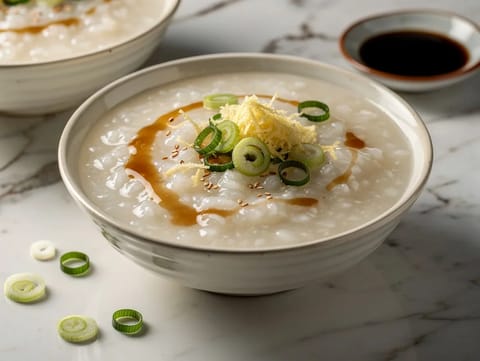
Creamy jasmine rice congee with ginger and spring onion
Creamy semolina porridge with butter and mixed berries
Silky Vietnamese chicken rice porridge with ginger and herbs
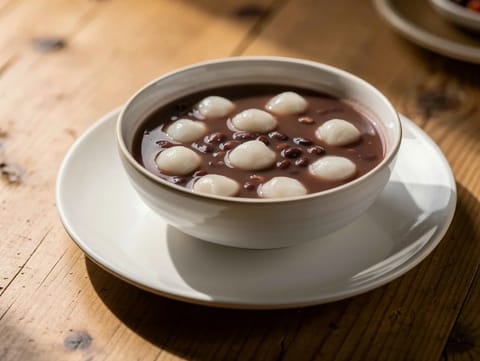
Korean red bean porridge with rice flour dumplings
Creamy semolina porridge with honey, cardamom and blueberries
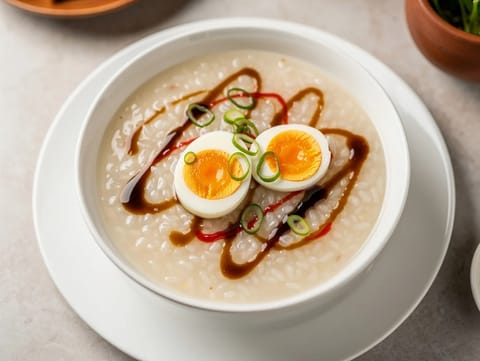
Jasmine rice congee topped with egg, soy and sesame oil
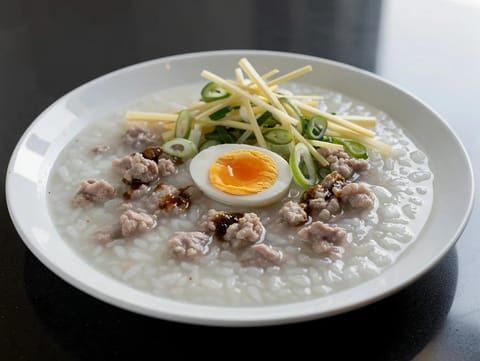
Thai rice porridge with minced pork, egg, ginger and spring onions
Creamy apple and cinnamon oatmeal with honey and walnuts
Steamed couscous dessert with butter, icing sugar, raisins and almonds
Milk-simmered rice porridge, lightly sweetened and served warm with cinnamon and butter
Savoury bread porridge simmered with pork and pork blood, finished with vinegar
Choose by the oat cut first. Steel-cut oats keep a defined bite and take longer to soften; rolled oats land in the middle; quick oats thicken rapidly and can turn pasty if overcooked. Then decide how you want to finish the bowl. If you like a glossy, creamy porridge, look for recipes that build in stirring and a short rest off the heat so the oats can finish absorbing liquid. If you prefer a lighter, looser bowl, recipes that use more liquid and minimal simmering will suit. For a savoury direction, methods that start with a pinch of salt and finish with fat (butter, olive oil, tahini) tend to taste rounder than sweetness-forward versions.
If you want to keep the same idea but change the flavour direction, browse by Cuisine for spice blends, sweeteners and toppings that shift porridge from familiar to distinctly regional. For a more technique-led comparison, Cooking method helps when you are deciding between stovetop simmering, baking, or no-cook approaches such as overnight oats.
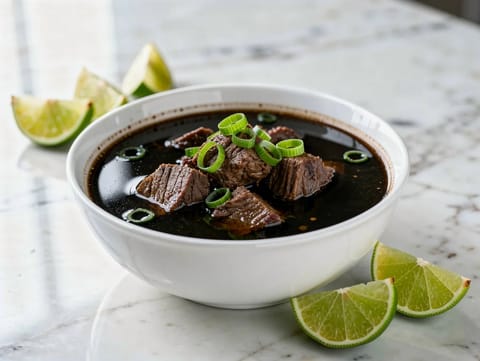
Black beef soup flavoured with keluak
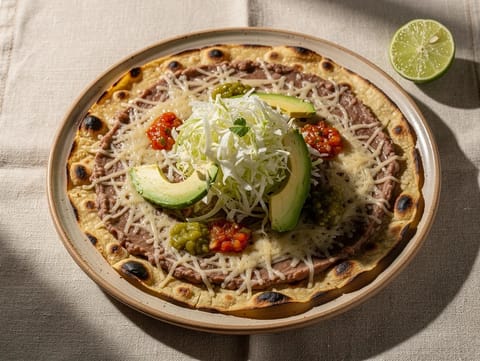
Crisp tlayuda topped with beans, Oaxaca cheese, cabbage and avocado
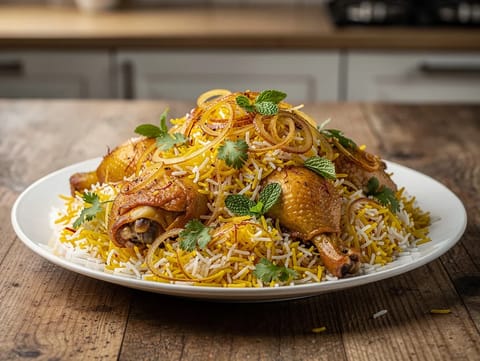
Layered Hyderabadi dum biryani with saffron, rose water and fried onions
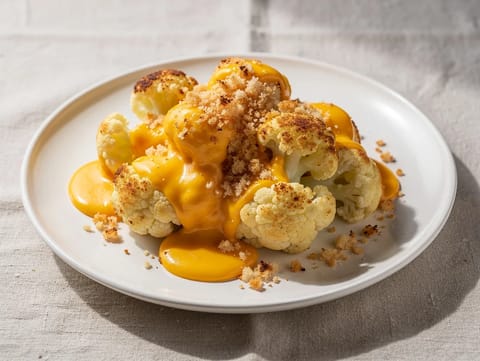
Cauliflower baked in cheddar sauce with a crispy breadcrumb topping

Toasted bread rubbed with garlic and ripe tomato
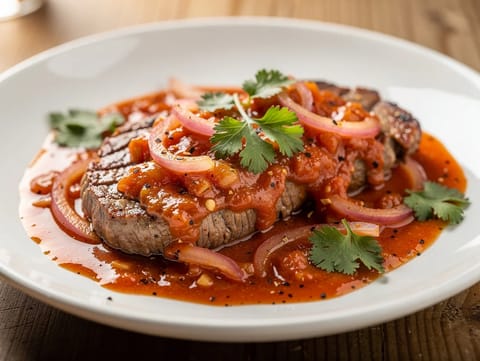
Pan-seared steak finished in a tomato and red onion sauce
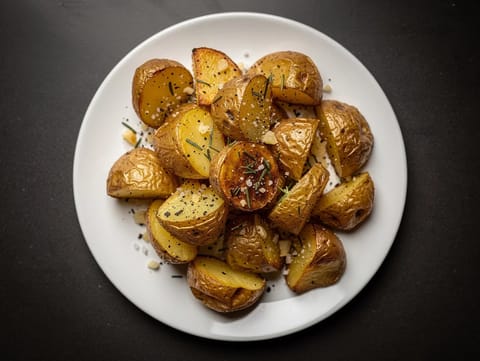
Crisp air fryer roast potatoes with rosemary and garlic.
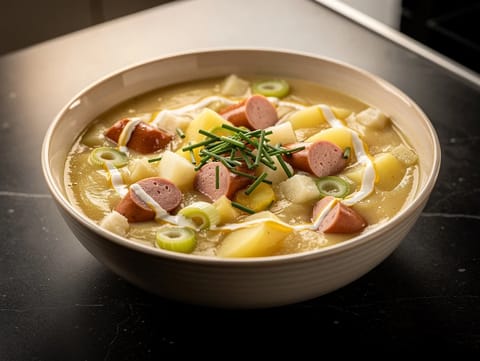
German potato soup with frankfurters, leeks and crème fraîche
Porridge is the broader idea: grains cooked into a thickened cereal. Oatmeal is porridge made with oats, and the word is also used for the oats themselves in some places.
Very fine or quick oats release starch quickly, and vigorous boiling or long cooking can push the texture towards pasty. Gentler heat, a little less cooking, and a brief rest can help.
Not always. Frequent stirring encourages creaminess and prevents sticking, especially with thicker mixtures. Less stirring can keep more distinct grains, but you may need to watch the pan more closely.
Baked oatmeal sets in the oven, so it slices or scoops in portions and often has a lightly browned top. Porridge is cooked on the hob or in the microwave and stays spoonable.
Yes. Oats take well to salt, stock, soy, miso, cheese, eggs and vegetables. The method is the same; the seasoning and toppings change the character.
A small amount of salt sharpens grain flavour and stops sweetness tasting flat. It does not make the porridge taste salty when used lightly.
Start with the texture you want in the bowl: creamy and loose, thick and spoon-standing, or set and sliceable. Then pick the method that naturally produces it, and let toppings do the rest of the work.
