
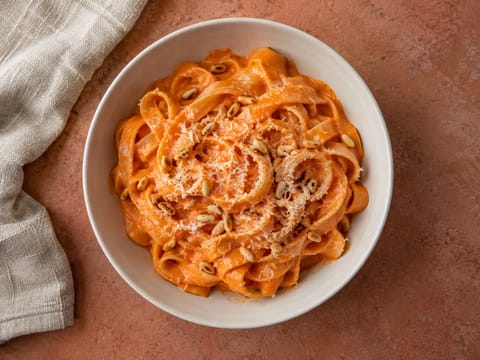
Pasta con Crema di Peperoni (Roasted Red Pepper Sauce Pasta)
Pasta in roasted red pepper and mascarpone sauce with pine nuts

Tree nuts can be easy to spot when they are sprinkled on top, but harder to catch when they are ground, blended or used as a paste. This page is for cooks who need to avoid tree nuts and want a clear sense of what the label covers, where they tend to appear in everyday cooking, and what to double-check before you start. It is browsing help rather than a safety guarantee, so it is still worth reading ingredient lists carefully and thinking about how the food is prepared.
Tree nuts are a group rather than a single ingredient, which matters because recipes may use them whole, chopped, ground into flour, or blended into a smooth butter. In practical kitchen terms, they often play one of three roles: crunch (a topping for salads, noodles or bakes), richness (a nut butter stirred into sauces or dressings), or structure (ground nuts in cakes, biscuits and pastry-style bases). The same dish can contain tree nuts without looking ‘nutty’ at all, especially when nuts are toasted and blitzed into crumbs, folded into a filling, or used as a thickener in a sauce. When you are avoiding tree nuts, it helps to treat anything described as nut meal, nut flour, praline, marzipan-style paste or nut butter as a prompt to check exactly which nut is involved.
Pasta in roasted red pepper and mascarpone sauce with pine nuts
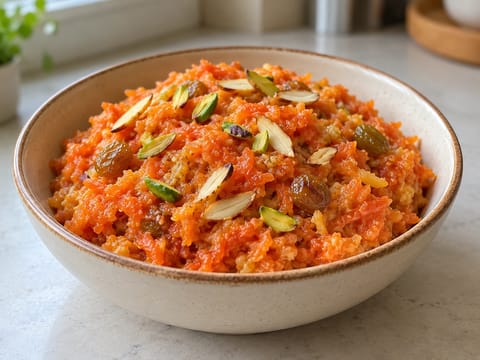
Carrot halwa cooked in milk with ghee, cardamom and nuts
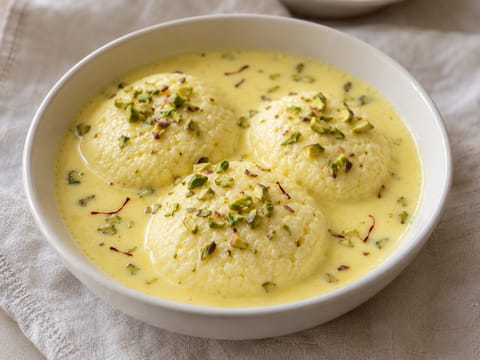
Paneer dumplings soaked in sweet saffron milk
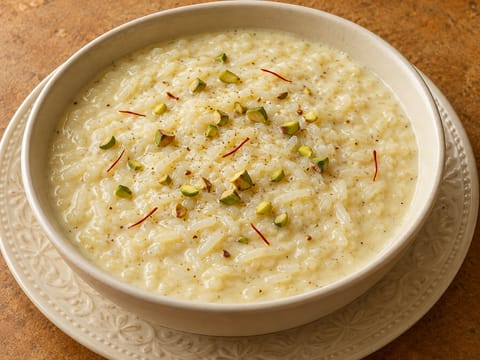
Creamy kheer made with basmati rice, milk, cardamom and saffron
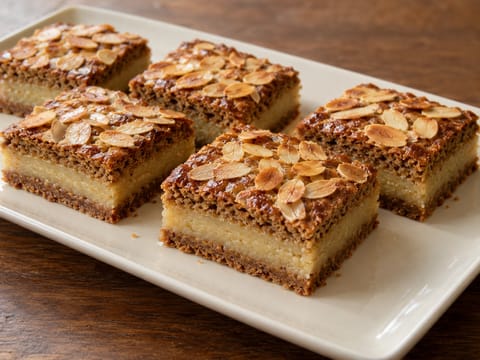
Spiced biscuit bake filled with sweet almond paste
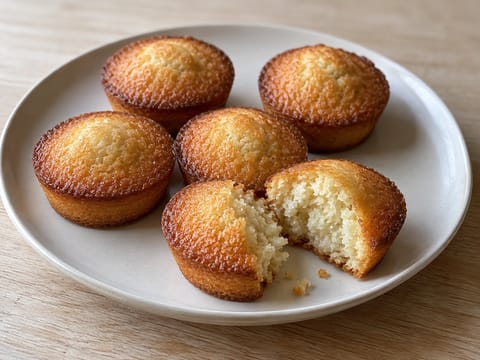
Small French almond cakes made with brown butter
If nuts are used as a garnish, they are usually the easiest to omit, but you may lose crunch and a little bitterness from toasting. Where nuts are blended into a sauce, they can be doing real work: thickening, smoothing and rounding out sharp flavours such as citrus, vinegar or chilli. In baking, ground nuts can replace some flour and change the crumb, making it more tender and moist, so swapping them out is not always a straight exchange. Watch for recipes that rely on nuts for body in fillings and bases, such as nut-and-date style crusts or frangipane-like layers. Those are still possible to adapt, but they need a deliberate alternative rather than a simple omission.
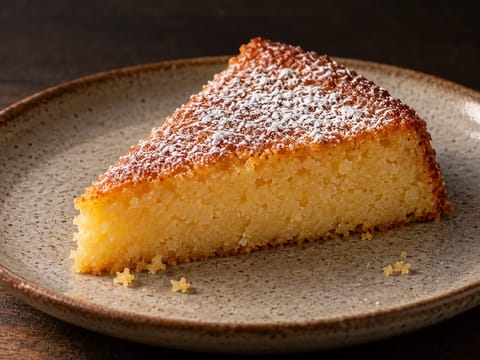
Dense Portuguese almond cake finished with icing sugar
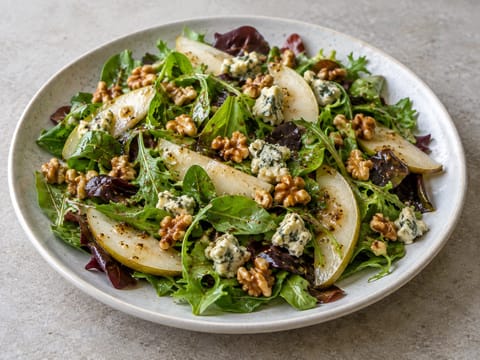
Salad with Stilton, pear and toasted walnuts
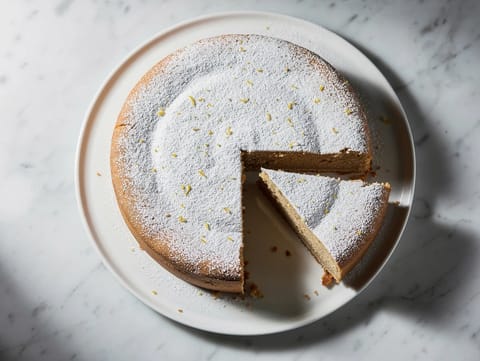
Spanish almond cake dusted with icing sugar
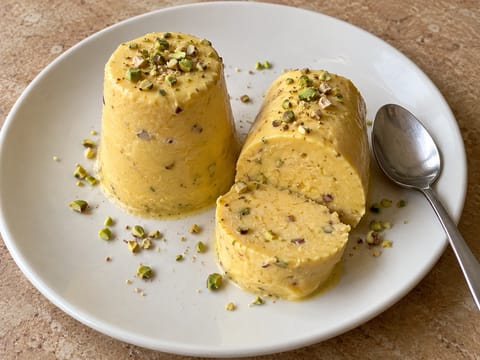
Dense mango kulfi with reduced milk and cardamom
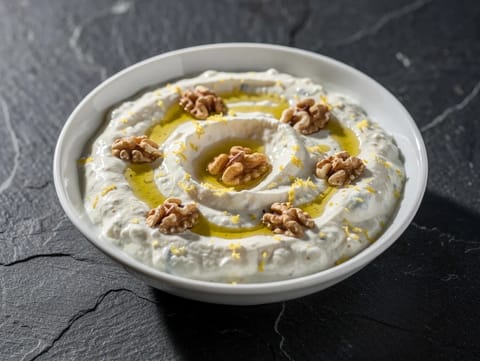
Chilled walnut and yoghurt sauce with garlic and lemon
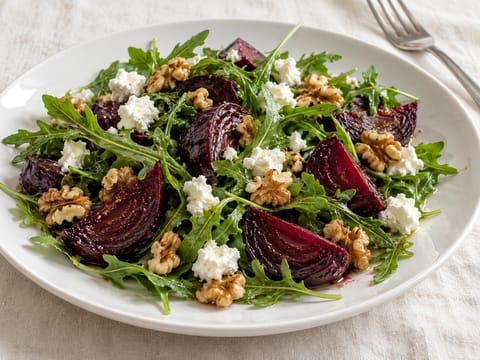
Roasted beetroot salad with goat’s cheese, rocket and walnuts
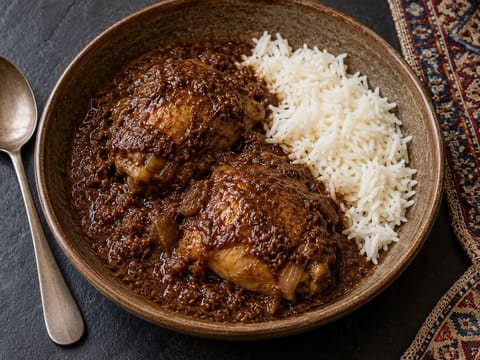
Persian chicken stew with walnut and pomegranate molasses sauce
Pasta in roasted red pepper and mascarpone sauce with pine nuts
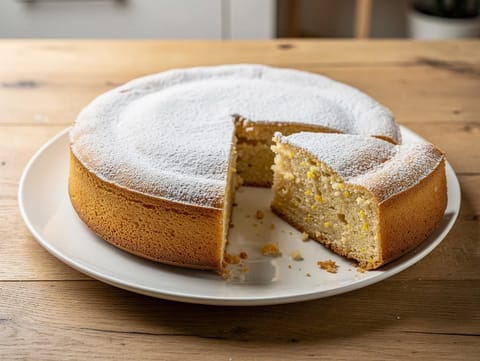
Gluten-free almond cake with lemon zest and icing sugar
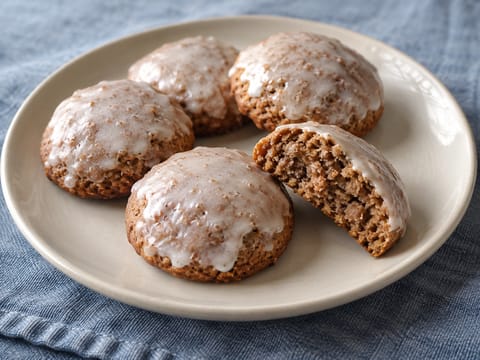
German honey biscuits with warming spices, almonds and hazelnuts
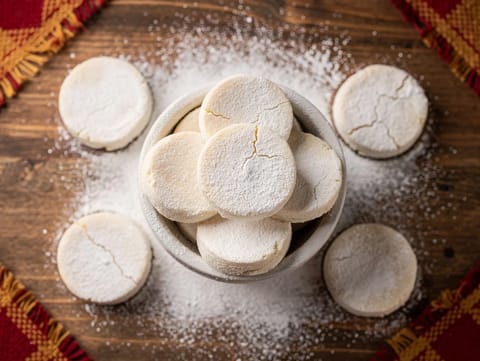
Crumbly Spanish shortbread biscuits with almonds and icing sugar
Creamy kheer made with basmati rice, milk, cardamom and saffron
Avoiding tree nuts is not only about the recipe list. Packaged ingredients can contain nuts, be processed alongside them, or use nut oils and pastes in ways that are not obvious from appearance. If you are cooking for someone with an allergy, check labels on items such as chocolate, spreads, pesto-style sauces and spice blends, and consider whether your kitchen equipment has been in contact with nuts. This tag is a guide to what may be present, not a promise that a dish is safe for every individual or situation.
If you are planning substitutions, browsing by Ingredient can help you find alternatives that give similar texture, such as seeds for crunch or dairy for richness, depending on the dish. Diet categories can also be useful when you are balancing more than one requirement, but it is still worth checking each recipe and product label carefully.
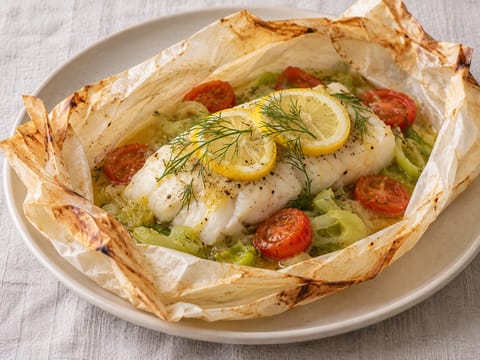
White fish baked in parchment with leeks, lemon and dill
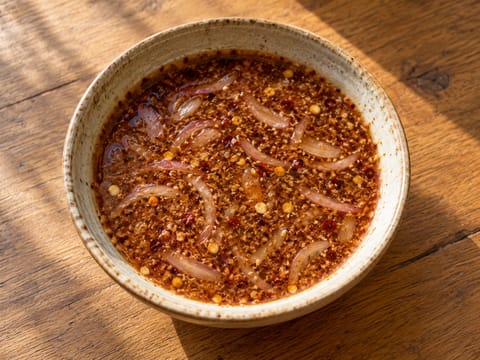
Spicy Thai dipping sauce with lime, tamarind and toasted rice powder
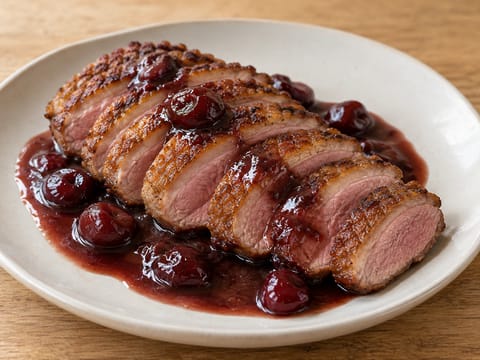
Pan-seared duck breast with cherry sauce
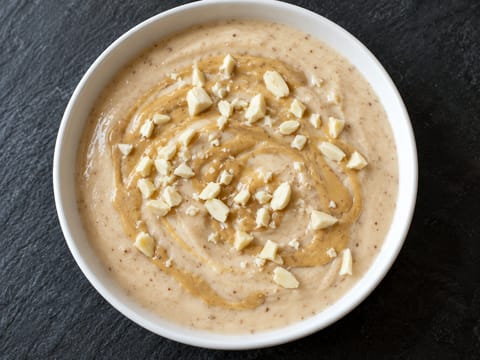
Date and tahini smoothie bowl with banana and yoghurt
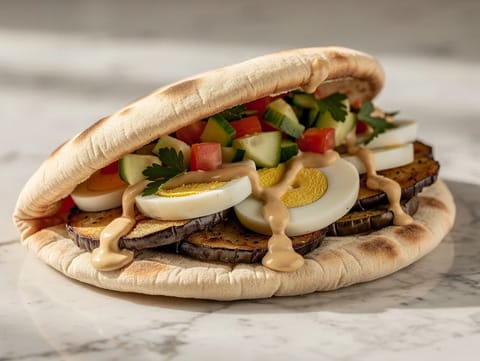
Pita filled with fried aubergine, egg, salad and tahini
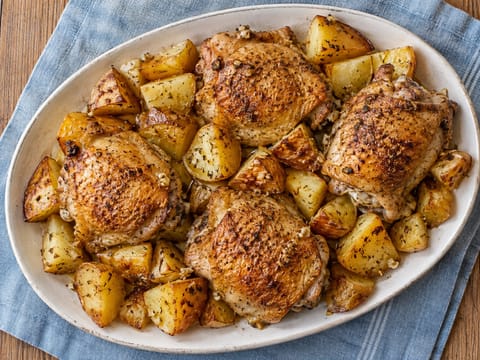
Air fryer Greek chicken and potatoes with lemon and oregano.
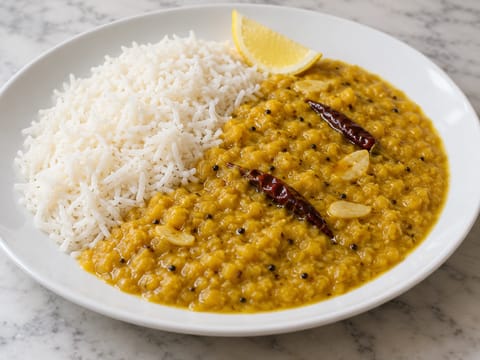
Creamy red lentil tarka dal served with basmati rice
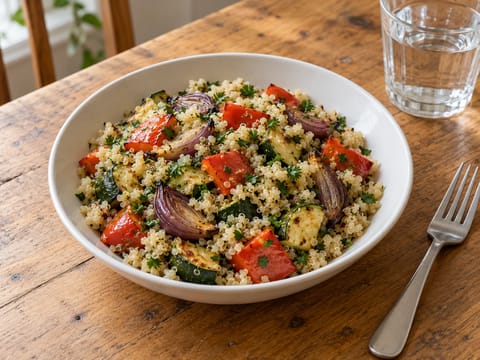
Quinoa salad with roasted courgette, pepper and onion
In allergen terms, peanuts are usually treated separately from tree nuts. If you need to avoid both, check for each specifically rather than assuming one label covers the other.
Some recipes use nut oils for flavour, and they may not be obvious once mixed into a dressing or marinade. If you are avoiding tree nuts, treat oils as something to check on the ingredient list.
Once nuts are milled or blended, they can look like flour, crumbs or a thick paste. They may be used to thicken sauces, enrich fillings or change the texture of cakes without any visible pieces.
Sometimes, especially when nuts are a topping. When nuts provide structure or thickness, leaving them out can make a cake crumbly or a sauce thin, so you may need a planned alternative.
Using clean boards, knives, bowls and especially blenders or food processors matters, because nut pastes cling to surfaces. If you are cooking for someone with a serious allergy, consider whether your kitchen setup can reliably keep ingredients separate.
Tree nuts can be obvious, hidden, or doing important structural work in a recipe. Use this page to understand where they tend to appear, then rely on ingredient lists and careful preparation habits to make decisions that fit your household.
