
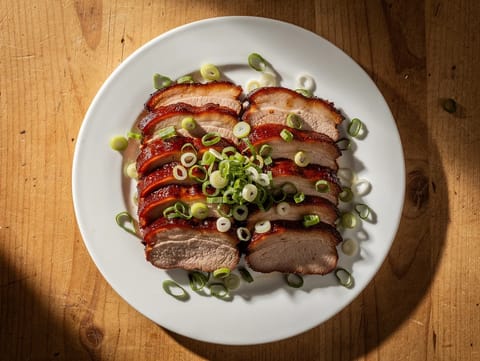
Char Siu Pork (Chinese BBQ Pork)
Roasted char siu pork with a glossy hoisin and honey glaze

High-protein dinners are less about a single ingredient and more about how the plate is built. The protein element tends to be clear and deliberate, whether that is a piece of fish, a tray of roasted chicken, a bean-rich stew, or eggs folded into a quick pan dish. This collection brings together dinner ideas where the main component does more of the heavy lifting, so you can keep sides and sauces simpler without ending up with a meal that feels incomplete.
A high-protein dinner usually has a defined protein centre, rather than protein being incidental. That might be animal-based proteins such as poultry, meat, fish, seafood, eggs or dairy, or plant proteins such as beans, lentils, chickpeas, tofu and tempeh. The cooking method matters because it affects portioning and satisfaction: grilling, roasting and pan-searing keep the protein distinct, while braises, curries and chilli-style dishes distribute it through the sauce. Protein-forward dinners often benefit from a sauce or dressing that adds moisture and flavour without requiring a second main, such as yoghurt-based sauces, tomato-rich braises, or quick pan sauces.
Roasted char siu pork with a glossy hoisin and honey glaze
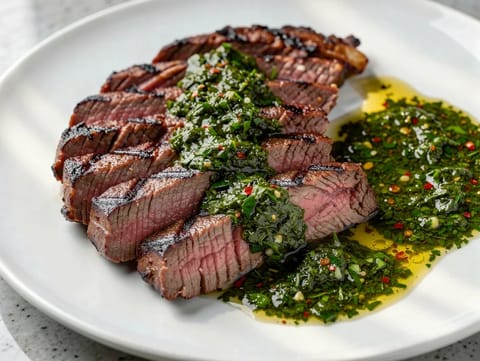
Grilled ribeye served with parsley and garlic chimichurri
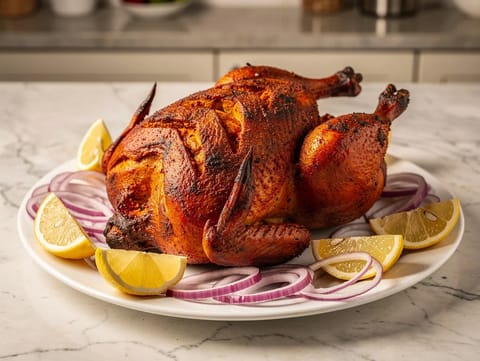
Whole roast chicken in a yoghurt tandoori marinade
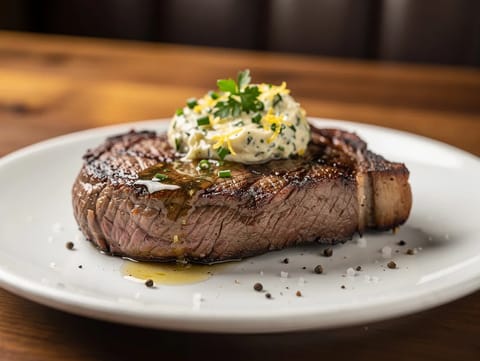
Pan-seared ribeye topped with garlic herb butter
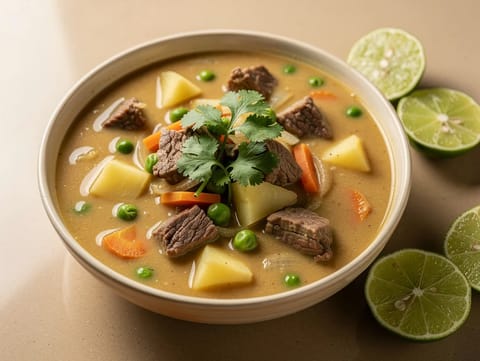
Bolivian peanut soup with beef and potatoes
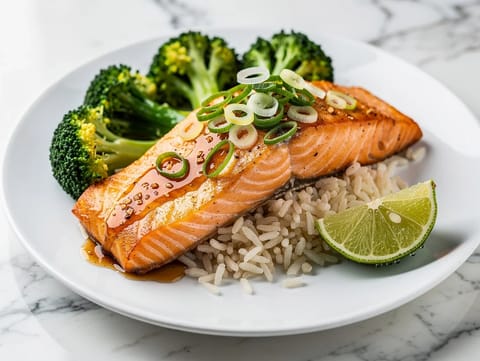
Pan-seared salmon with honey garlic glaze, rice and broccoli
High-protein dinners can look quite different from one another. Some are built around a single pan or tray, where the protein cooks alongside vegetables for an all-in-one feel. Others are bowl-style meals, where a protein topping sits over grains, noodles or salad, making it easy to adjust portions at the table. You will also find protein-rich soups and stews, where beans or meat simmer into something spoonable and warming, particularly in colder months. Another common format is the composed plate: a simple cooked protein with a vegetable side and a punchy dressing, which can feel lighter while still being substantial.
Juicy grilled lamb kofta skewers served with a lemony tahini and yoghurt sauce
One-pot turkey chilli with kidney beans and tomatoes, finished with yoghurt and coriander
Juicy grilled T-bone steak finished with melting herb butter and a squeeze of lemon
Juicy grilled ribeye steak finished with melting garlic and parsley compound butter
If you want minimal decision-making, choose dinners with a single dominant protein and a built-in vegetable component, such as traybakes or stir-fries. For a more flexible family meal, look for dishes that can be served with different bases, for example rice, flatbreads or salad, so everyone can build a plate that suits them. If you are cooking plant-forward, recipes that combine pulses with dairy, eggs or grains can feel more rounded, but the balance depends on the dish. For warmer weather, grilled or pan-seared proteins with herb-heavy dressings often feel appropriate; in winter, long-simmered bean and meat dishes tend to suit the season and reheat well.
If you are following a particular eating approach, the Diet categories can help you narrow high-protein dinners to the styles you cook most often. Cooking time is also a practical companion, because protein-forward dinners range from quick pan meals to slower braises and roasts depending on the cut and method.
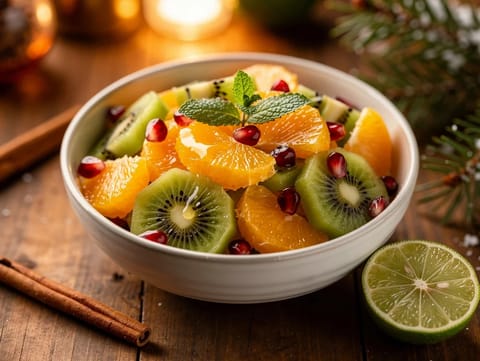
Winter fruit salad with honey, lime and fresh mint
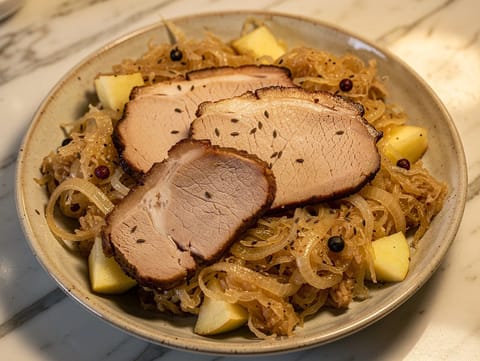
Smoked pork simmered with sauerkraut, apple and juniper
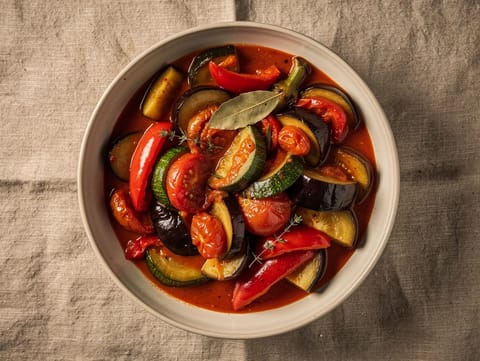
French vegetable stew with aubergine, courgette, peppers and tomatoes
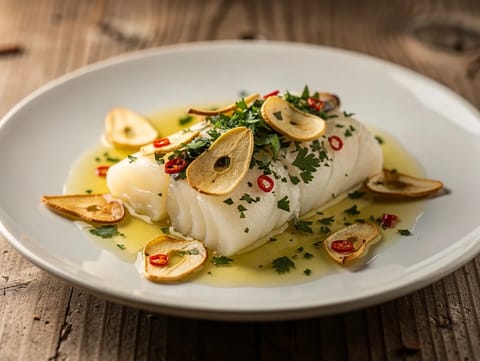
Salt cod in olive oil with garlic and chilli pil pil sauce
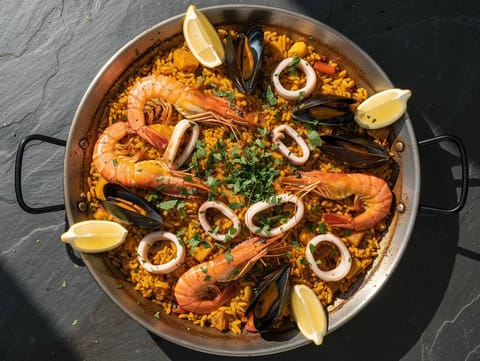
Saffron rice cooked with prawns, mussels and squid
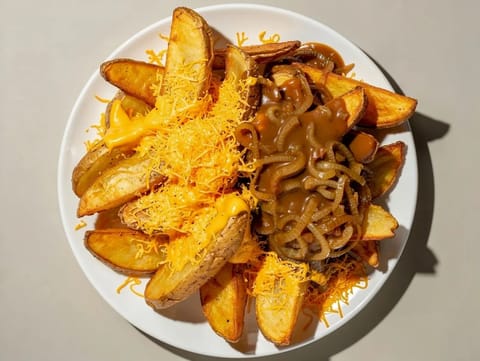
Thick-cut chips topped with Cheddar and hot onion gravy
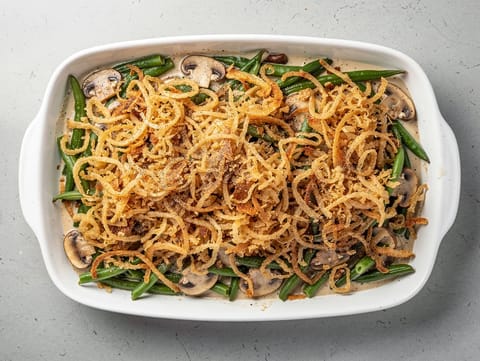
Green bean casserole with creamy mushroom sauce and crispy onions
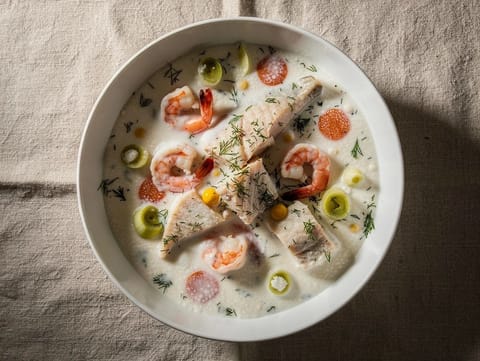
Creamy fish and prawn stew with dill and lemon
Yes. Beans, lentils, chickpeas, tofu, tempeh, eggs and dairy can all anchor a protein-forward dinner. The most satisfying versions usually pay attention to seasoning and texture, not just the protein source.
Lean proteins can dry out if cooked too long or at too high a heat. Sauces, marinades and resting time help, as does choosing a method suited to the cut.
Vegetable sides and salads are common because they add freshness and volume. Starchy sides such as potatoes, rice or bread can still fit, especially when the main is simply cooked and needs something to catch the sauce.
Often, yes, because they are already cooked. Dried pulses can be economical and flavourful but usually need soaking or longer simmering, unless you plan ahead.
Vary the format and the flavouring: rotate between traybakes, bowls, soups and quick pan dishes, and change the sauce family, such as tomato-based, yoghurt-based, herb-led or spice-forward.
No. Many protein-forward meals include grains, noodles or bread. The defining feature is that the protein component is substantial and intentional.
Pick your protein first, then decide whether you want it roasted, simmered, or served as a topping. Once that is clear, the rest of the dinner tends to fall into place: a vegetable element for contrast, and a sauce or dressing to tie everything together.
