
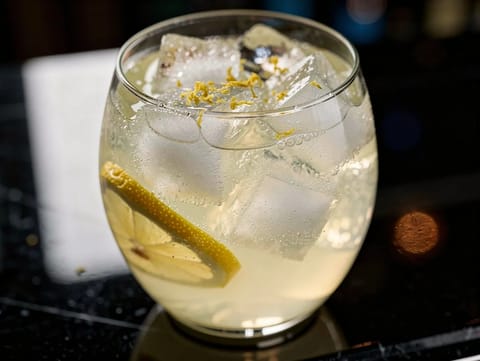
Greek Lemon Ouzo Spritz
Ouzo spritz with lemon, syrup, sparkling water and ice
A good drink choice is mostly about temperature, sweetness and how it will be served. Some drinks are designed to refresh between bites; others are part of the food itself, like smoothies, shakes or warm spiced drinks. Practical details matter: whether you can make it in a jug, whether it needs blending to order, and how long it stays well once poured. Start there, and the flavour decisions become straightforward.
Drink recipes often fall into hot drinks, chilled non-alcoholic drinks, smoothies and blended drinks, and cocktails or mixed drinks. Hot drinks tend to be about aroma and comfort, and they’re usually served individually. Chilled drinks can be built for speed and volume, from simple citrusades to more complex infusions.
Blended drinks, including smoothies, are more like a liquid dish: texture is central, and they’re best soon after blending because foam and ice melt change the mouthfeel. Mixed drinks vary widely, but they often rely on balance between sweetness, acidity and dilution, which is why measuring and ice matter.
Across all types, garnish is most useful when it adds aroma or signals flavour, rather than acting as decoration alone.
Ouzo spritz with lemon, syrup, sparkling water and ice
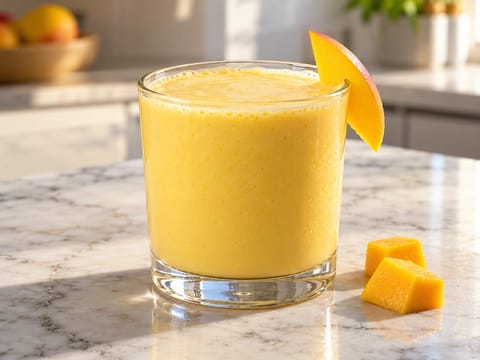
Chilled mango lassi made with yoghurt, milk and cardamom
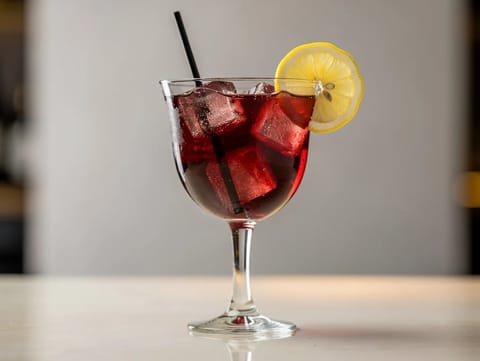
Red wine spritzer with lemonade, lemon and ice
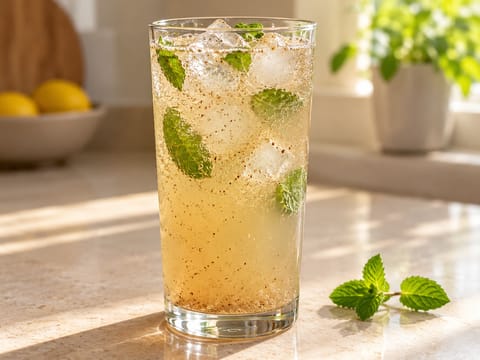
Indian spiced soda with lemon, chaat masala and black salt
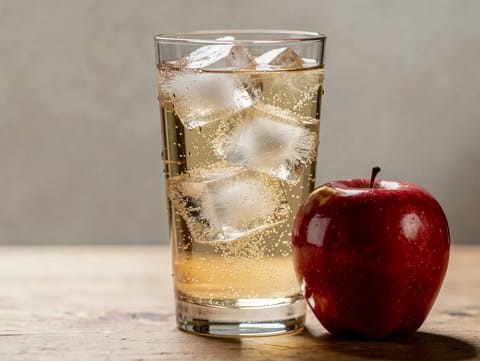
Apple juice mixed with sparkling water over ice
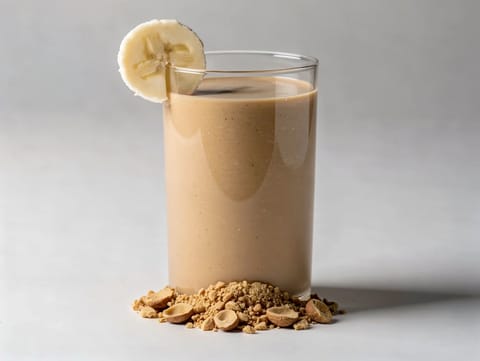
Creamy peanut butter banana smoothie with milk, yoghurt and honey
If you’re serving a group, batchable drinks reduce last-minute work. Look for recipes that can be mixed in a jug or pitcher and held in the fridge, then finished with ice, sparkling water or a garnish at the last moment. Drinks that rely on fizz are usually best topped up just before serving so they stay lively.
For single-serve drinks, consider the workflow. Shaken or blended drinks can be quick, but they keep you tied to the kitchen. Stirred drinks and simple builds are calmer when you’re also cooking.
Also think about sweetness. Very sweet drinks can dull the palate alongside savoury food, so it often helps to include acidity, bitterness or a salty snack to keep things in balance.
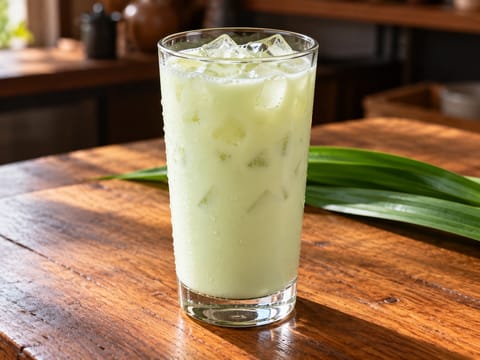
Creamy pandan iced milk sweetened with condensed milk
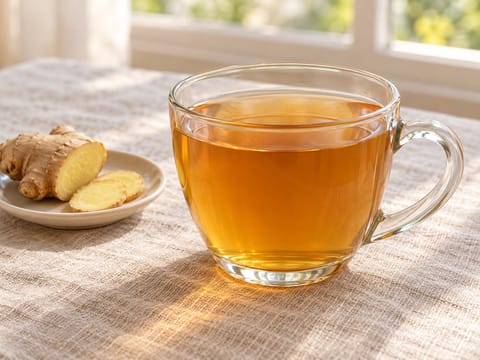
Hot ginger tea sweetened with light brown sugar
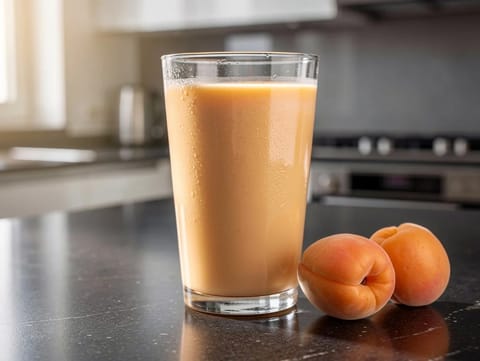
Apricots and strained yoghurt blended into a thick smoothie.
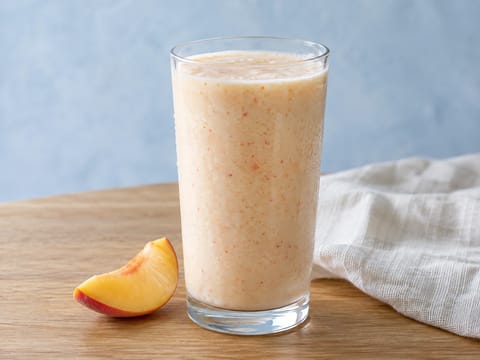
Blend peach with Greek yoghurt, milk, honey, and vanilla.
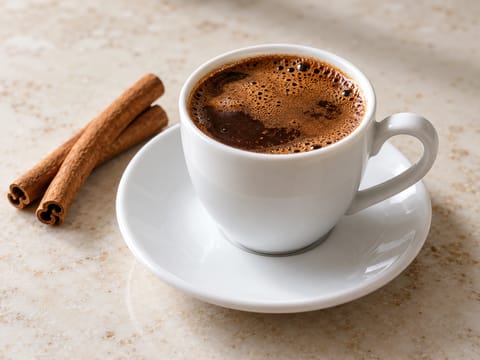
Foamy coffee warmed with ground cinnamon
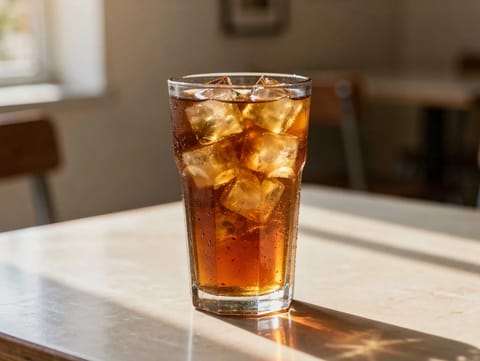
Strong black tea sweetened and served over ice
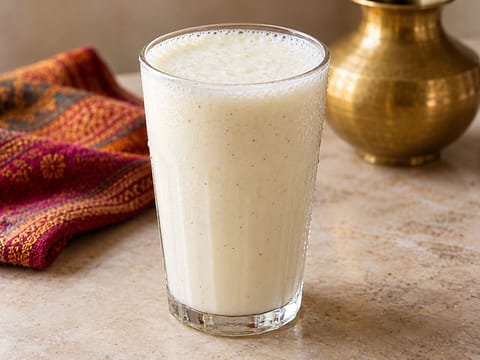
Chilled sweet lassi blended with yoghurt, milk and cardamom

Polish mulled red wine warmed with honey, citrus and spices
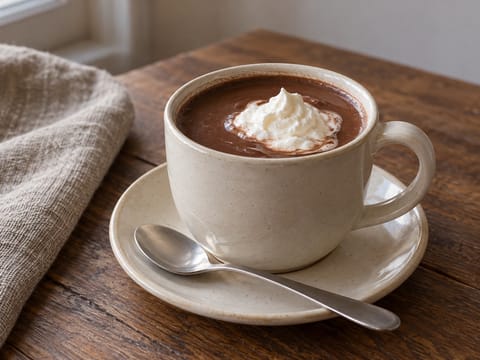
Thick hot chocolate made with dark chocolate and whole milk
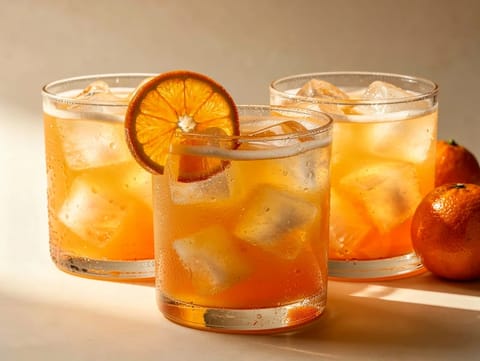
Valencian citrus cocktail with sparkling wine served over ice
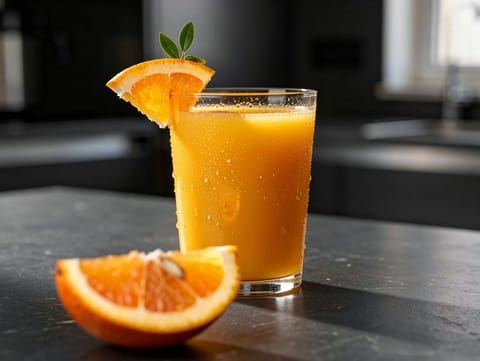
Freshly squeezed orange juice served straight away

Earl Grey latte with steamed milk, honey and vanilla
Match intensity to intensity. Delicate food can be overwhelmed by heavily spiced, very sweet or strongly bitter drinks, while robust dishes can make subtle drinks taste thin. Temperature is a simple lever: chilled drinks refresh with hot food; warm drinks can extend the feeling of dessert or a late meal.
If you’re serving drinks before food, keep them appetite-friendly. A drink with some acidity or bitterness can feel brisk, while creamy or very sweet drinks tend to read as dessert-like.
For mixed groups, offer a non-alcoholic option with the same care as the main drink. A well-balanced citrus or tea-based drink can sit comfortably alongside cocktails without feeling like an afterthought.
Dish type can help when you know the format you want, such as smoothies, cocktails or hot drinks. Cuisine can be useful when you want drinks that echo the flavours of the food, such as citrus-forward, spiced or herb-led profiles common to particular cooking styles.
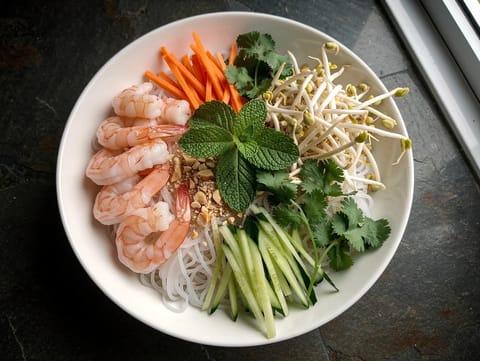
Vermicelli noodle salad with prawns, herbs, peanuts and nước chấm
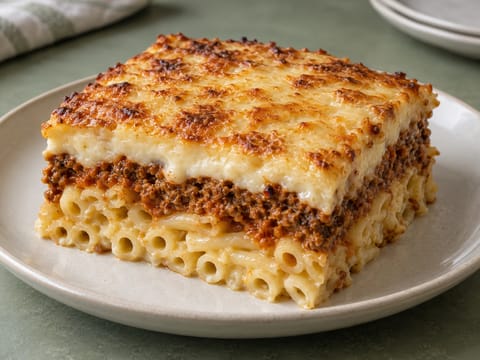
Greek baked pasta with minced beef in tomato and béchamel
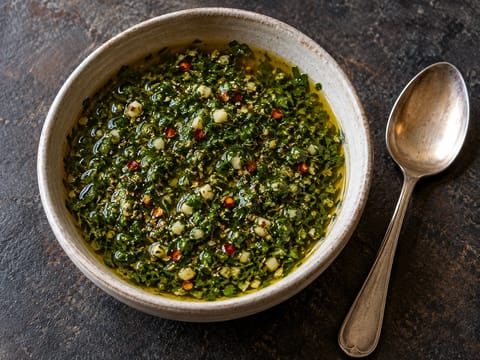
Parsley and garlic chimichurri with olive oil and red wine vinegar
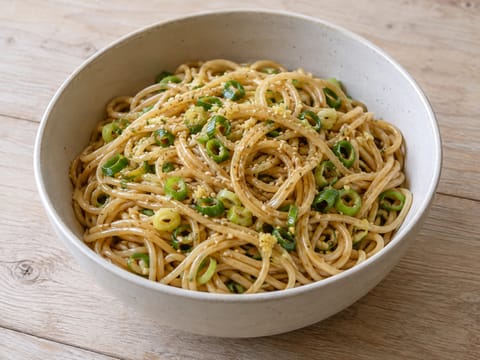
Wheat noodles with ginger spring onion oil and soy
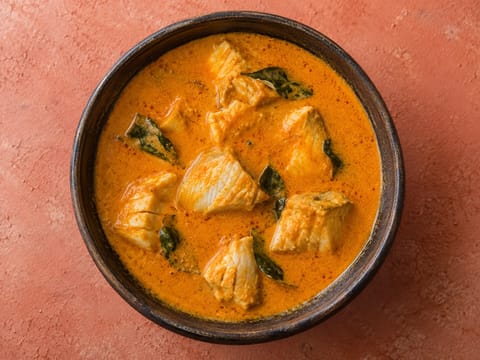
Goan fish curry with coconut and tomato
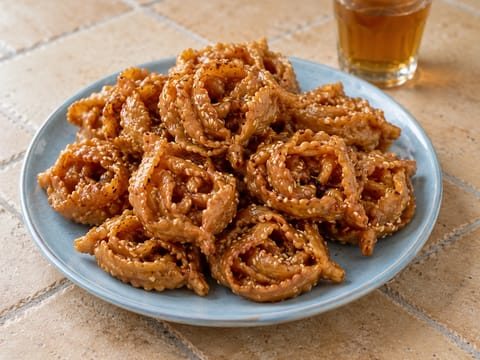
Fried sesame pastries soaked in warm honey
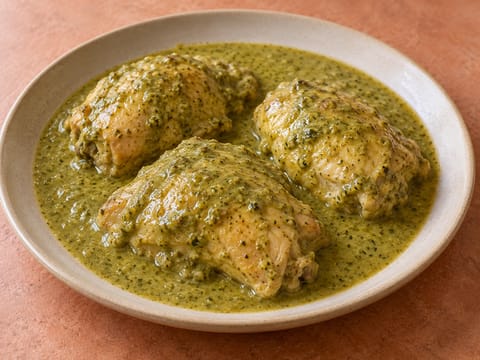
Chicken simmered in a thick green pumpkin seed and tomatillo sauce
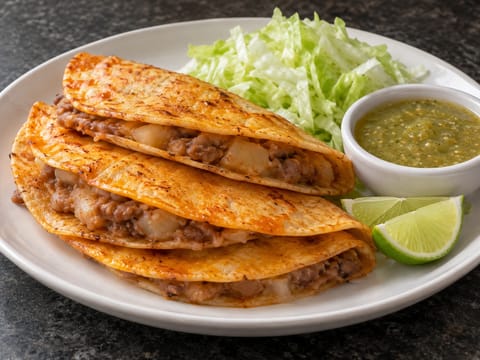
Basket tacos with beans, potato and chilli oil
Anything primarily served in a glass or mug, including hot drinks, chilled soft drinks, smoothies and mixed drinks. Some are sipped alongside food; others function more like a snack or dessert.
Start with intensity and sweetness. Savoury meals usually suit drinks that are not overly sweet, with some acidity or bitterness. Then decide on temperature: chilled for refreshment, warm for comfort or dessert-like moments.
Many jug-style drinks, infusions and some cocktails can be mixed ahead and chilled. Drinks that depend on fizz, crushed ice or blending are usually best finished close to serving for the intended texture.
Ice melts, bubbles dissipate, and aromas fade. That changes dilution and balance, especially in citrusy or sparkling drinks. Holding components separately and combining at the last moment often helps.
Choose a drink with structure: acidity, a little bitterness, or a tea or herb base. Served cold with plenty of ice and a fragrant garnish, it can feel as considered as any cocktail.
Pick drinks by how they’ll be served and how long they need to hold. Once you know whether you’re batching, blending or pouring hot, you can fine-tune sweetness and acidity to suit the food and the moment.
