
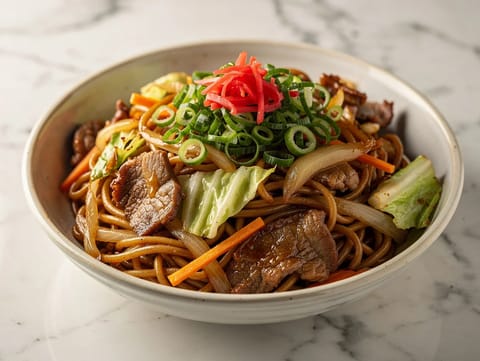
Yakisoba (Japanese Stir-Fried Noodles with Pork)
Japanese stir-fried noodles with pork, cabbage and carrots

Japanese cuisine is often defined less by one signature dish and more by a way of composing food: clean flavours, careful seasoning, and a balance of contrasting textures. Many recipes revolve around rice, noodles, soups and small side dishes, with pickles or lightly dressed vegetables providing brightness. You’ll also see a clear distinction between simmered, grilled and fried preparations, each with its own sauces and timing. Understanding those patterns makes it easier to choose recipes that sit comfortably together, whether you’re cooking a single bowl meal or a spread of smaller plates.
Japanese-style recipes often aim for savoury depth without heaviness. Dashi-based broths, soy sauce, miso and mirin commonly provide salt, sweetness and umami in measured amounts, while ginger, spring onion and citrus zest lift the aroma. Because the seasoning is precise, small changes can be noticeable: a darker soy sauce can deepen colour and saltiness; a sweeter mirin-style seasoning can round edges; miso varies from mild to robust. When you’re choosing a recipe, look at whether it’s broth-led (soups, noodle bowls), sauce-led (glazes and stir-fries), or lightly dressed (salads and chilled sides). That tells you how assertive the flavour will be and what else it can be served with.
Japanese stir-fried noodles with pork, cabbage and carrots
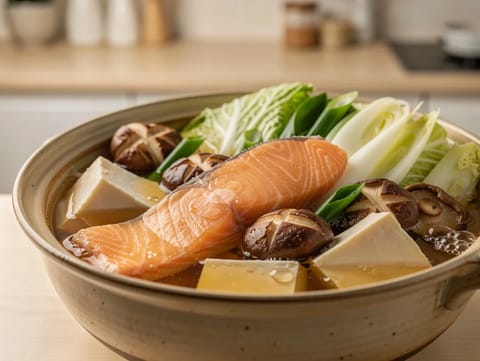
Salmon and tofu hot pot simmered in a savoury miso broth
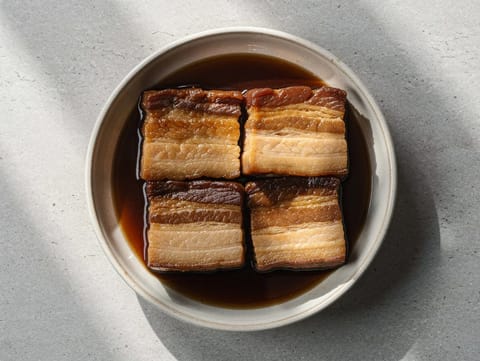
Japanese braised pork belly simmered in soy, sake and mirin
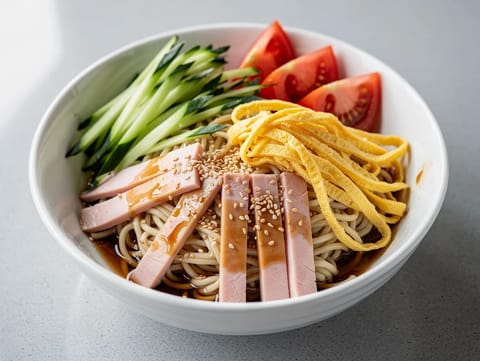
Chilled ramen topped with vegetables, omelette and ham
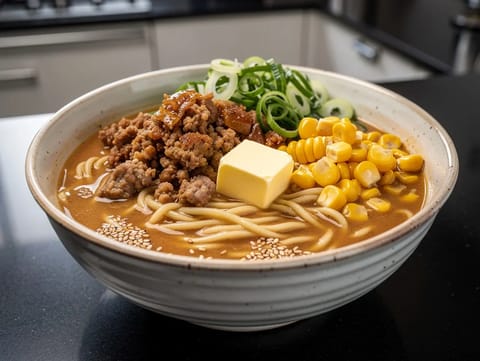
Hokkaido miso ramen with minced pork, sweetcorn and butter
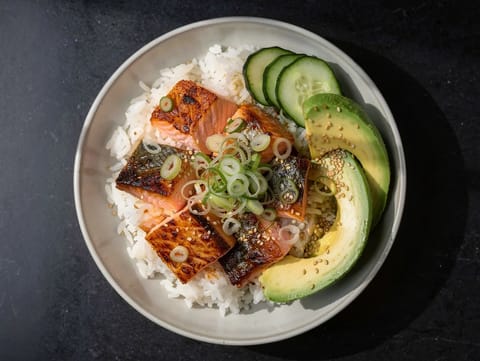
Salmon rice bowl with soy, mirin, cucumber and avocado
On this page, Japanese refers to recipes rooted in Japanese culinary traditions as well as dishes that are clearly Japanese-inspired in flavour or format. That can include home-style simmered dishes, grilled fish or chicken with simple glazes, noodle soups, rice bowls, and small sides such as pickles or sesame-dressed vegetables. It may also include modern café-style dishes and international favourites that have been adapted outside Japan. Names can be a clue, but ingredients and method matter more: a dashi-and-soy simmer tastes and behaves differently from a chilli-forward stir-fry, even if both are served with rice. If you cook with dietary restrictions, remember that soy, wheat and fish-based broths are common, so it’s worth checking ingredients carefully.
Steamed green tea leaves brewed in hot water, then strained and served immediately
Udon noodles simmered in dashi with chicken, shiitake mushrooms, spinach and egg
Udon noodle bowl with soy and dashi broth, mushrooms, pak choi and soft-boiled egg
Crisp tofu katsu in soft bread with shredded cabbage and tonkatsu-style sauce
Rice topped with seasoned sea bream, nori and spring onion, served with tea
Sukiyaki hot pot of beef, tofu and vegetables simmered in soy and mirin broth
Teriyaki-glazed salmon is served over sushi rice with cucumber and spring onions.
Black sesame, matcha, banana, milk and honey are blended with ice.
Glossy grilled eel with a sweet soy glaze, served over steamed short-grain rice
Banana, milk and matcha are blended with honey and ice until smooth.
Home-style sukiyaki hot pot with beef, tofu and vegetables in soy broth
Chirashi sushi with seasoned rice, salmon and tuna, finished with nori, soy sauce and wasabi
Japanese meals are often composed to include contrast: something hot and something cool, something crisp and something soft, a broth alongside rice, or a small acidic element to refresh the palate. That’s why many Japanese dishes work well as part of a set rather than as a single large centrepiece, though there are plenty of one-bowl meals too. Seasonality is also a quiet organising principle, with vegetables, fish and garnishes shifting through the year. Regional variation matters: coastal areas naturally lean towards seafood; other regions are known for particular noodle styles, miso preferences or local specialities. You don’t need to memorise regions to cook well, but it helps to expect variety rather than one fixed “Japanese flavour”.
Rice and noodles are common foundations, with short-grain rice used for bowls and sushi-style preparations, and noodles ranging from wheat to buckwheat. Soy sauce brings salt and colour; miso adds fermented depth and body; rice vinegar provides clean acidity; sesame (seeds or oil) adds nuttiness. Seaweed and bonito-based products are often used for broths and seasoning, though some recipes use vegetable-based alternatives. Fresh elements such as cucumber, radish, spring onion and shiso-like herbs (where available) keep flavours bright. When a recipe includes fried components, you’ll often see a light batter or crumb designed for crispness rather than thickness. Paying attention to these roles helps you substitute thoughtfully when an ingredient is hard to find.
Japanese cooking is strongly tied to recognisable dish types such as ramen-style soups, donburi bowls, tempura and grilled skewers, so browsing by Dish can quickly get you to the format you’re craving. Cooking Method is also helpful, because simmering, grilling and frying each produce very different results even with similar seasonings.
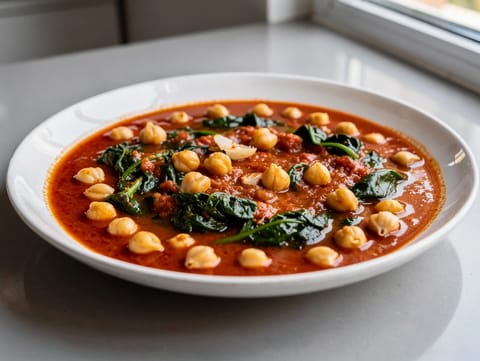
Spinach and chickpeas simmered with cumin, paprika and tomato
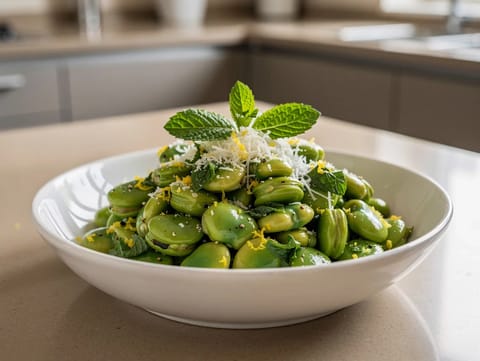
Broad bean salad with pecorino, mint, lemon and olive oil
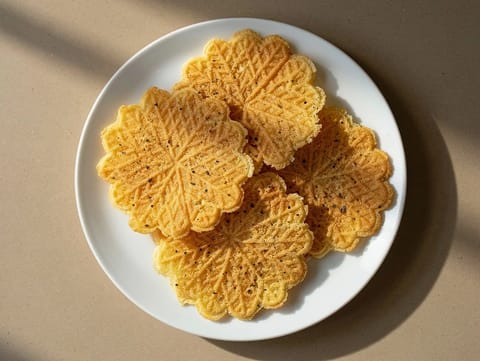
Thin Italian waffle biscuits with anise and lemon zest
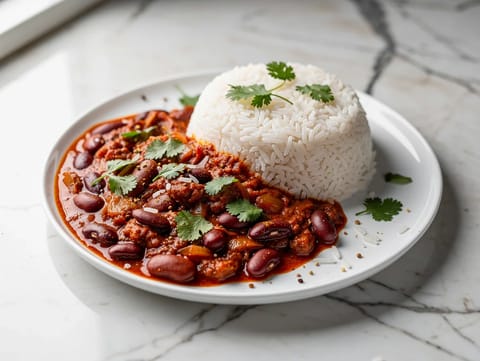
Red kidney bean curry in spiced tomato gravy with basmati rice

Pita filled with fried aubergine, egg, salad and tahini
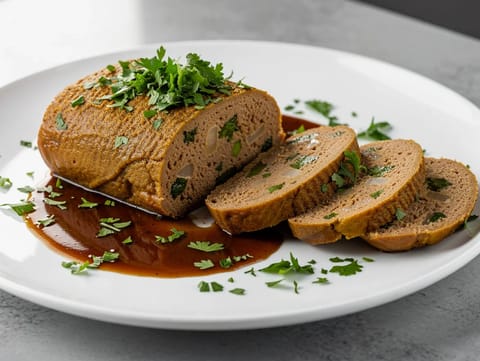
Beef and pork meatloaf with mustard crust and pan-juice gravy

Prawn sandwich with Marie Rose sauce and crisp lettuce
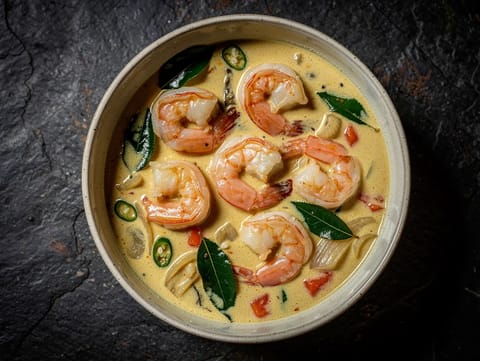
Kerala prawn curry simmered in coconut milk
Not always. Many dishes are subtly seasoned, but there are also spicy elements such as chilli pastes, peppery seasonings and mustardy condiments. The overall balance often stays clean and defined rather than heavily spiced.
Dashi is a Japanese stock, commonly made with seaweed and bonito flakes, that provides savoury depth. It changes the character of soups and simmered dishes, making them taste fuller without needing long cooking.
They’re well-known internationally, but Japanese cooking includes a wide range of everyday foods: rice bowls, noodle soups, grilled items, simmered vegetables, pickles and small side dishes.
Miso varies by ingredients and fermentation, so flavour can range from mild and slightly sweet to darker and more robust. That affects saltiness and depth in soups, marinades and dressings.
Yes, as long as you read them for the underlying pattern: the balance of salty-sweet-umami, the use of broths and glazes, and the contrast of textures. They may use different ingredients or shortcuts depending on where they were developed.
They can. Soy sauce often contains wheat, and many broths use fish-based ingredients. If you need to avoid specific allergens, check labels and ingredient lists carefully.
When choosing Japanese recipes, decide whether you want a broth-led bowl, a grilled or pan-cooked main with a glaze, or a selection of small sides. Then look at the seasoning base, such as soy, miso or vinegar, to predict how the dish will taste and what it will pair with on the table.
