
Sukiyaki (Japanese Beef Hot Pot)
Why this recipe works
- Sweet-savoury depth: Soy sauce, mirin and sugar create the recognisable sukiyaki balance of saltiness, sweetness and deep umami.
- Classic hot pot method: Cooking the ingredients in stages keeps the vegetables tender, the tofu intact and the beef from overcooking.
- Built for sharing: The pot is served at the table, so diners can take beef, tofu, noodles and vegetables as they cook.
Get the most out of this recipe
Authenticity notes
- Served from the pot: Sukiyaki is commonly cooked and eaten communally, with the ingredients simmering gently in the seasoned broth.
- Raw egg dip: Very fresh raw egg is a traditional dipping accompaniment, adding richness and a silky coating to the hot beef and vegetables.
- Flexible ingredients: The core flavour comes from the soy-mirin broth, so mushrooms, greens and noodles can vary slightly while keeping the dish recognisably sukiyaki.
Ingredient notes
- Slice the beef very thinly: Briefly chilling the beef makes it easier to cut across the grain, helping it cook quickly and stay tender.
- Use very fresh eggs: If serving raw egg for dipping, keep it chilled until needed and avoid serving it raw to vulnerable groups.
- Keep noodles separate at first: Soaking and draining the glass noodles before they go into the pot helps prevent them from becoming overly soft.
Common mistakes
- Do not overcook the beef: Thinly sliced beef needs only a short simmer; leaving it in too long can make it firm and dry.
- Avoid a hard boil: A gentle simmer protects the tofu and keeps the broth clear and balanced rather than aggressively reduced.
- Add the sauce gradually: Adding the soy-mirin mixture in stages seasons the ingredients evenly without overwhelming the pot at the start.
Make-ahead tips
- Prepare the platter ahead: The vegetables, tofu and mushrooms can be cut in advance and kept chilled until cooking.
- Keep eggs separate: Any unused egg should be stored separately and discarded if it has been sitting out.
- Reheat gently: Warm leftovers on the hob until piping hot, adding a little water only if the broth needs loosening.
Equipment you'll need
Ingredients
Instructions
- Crack 1 egg into each of 4 small bowls and whisk lightly; set aside for dipping. For anyone who is pregnant, elderly, very young, or immunocompromised, serve the eggs cooked instead of raw.
- In a mixing bowl, whisk together the soy sauce, mirin and caster sugar until the sugar dissolves. Set the sauce beside the hob so you can add it gradually.
- Soak the glass noodles in a bowl of just-boiled water until pliable, then drain well. Keep them separate so they do not overcook in the pot.
- Cut the napa cabbage into bite-sized pieces, keeping the paler stems and leafy tops together. Trim and cut the spring onions into 4 to 5 cm lengths, and remove the stems from the shiitake mushrooms.
- Cut the firm tofu into large cubes. Arrange the cabbage, spring onions, mushrooms, tofu and beef on a platter so they are easy to add to the pot in batches.
- Set a dutch oven over medium heat and add about one-third of the soy-mirin mixture. Add the cabbage stems and mushrooms and simmer for 4 to 5 minutes until starting to soften.
- Add the tofu and cabbage leaves, then pour in another third of the sauce and bring back to a gentle simmer. Nestle in half the beef and cook for 30 to 60 seconds, just until it turns mostly brown.
- Add the spring onions, drained noodles and remaining beef, then pour in the remaining sauce. Simmer gently for 3 to 5 minutes, turning the beef once, until the vegetables are tender and the noodles are hot.
- Serve straight from the pot at the table, keeping the broth at a gentle simmer. Dip bites of beef, tofu and vegetables into the raw egg before eating.
Recipe notes
Tips
- Freeze the beef for 20 to 30 minutes, then slice as thinly as you can across the grain for the most tender bite.
- Keep the pot at a gentle simmer rather than a rolling boil so the tofu stays intact and the beef stays tender.
- If serving raw egg, use very fresh eggs and keep them chilled until needed; vulnerable groups should avoid raw egg and can dip into lightly beaten egg cooked in the hot broth instead.
Substitutions
- Replace Beef sirloin steak with Beef flank steak, sliced very thinly, for a slightly chewier but still traditional result.
- Replace Shiitake mushrooms with Mushrooms if that is what you have; the broth will be a little less aromatic.
- Replace Caster sugar with Granulated sugar; whisk a little longer to help it dissolve.
Storage
- Refrigerate up to 2 days
- Cool leftovers quickly and refrigerate in a sealed container; store any unused Egg separately and discard if it has been sitting out. Reheat the hot pot gently on the hob until piping hot, adding a splash of water only if needed to loosen the broth.
Ratings & reviews
Liked this recipe? Share your feedback to support our cooking community.
Tried this recipe?
Choose 1–5 stars. A comment is optional.
Stay inspired
Discover new recipes, seasonal favourites and cooking inspiration every day. Follow JustRecipes on Pinterest and Spillt.
Recipe overview
- Servings: 4 servings
- Total time: 45min (25min active)
- Difficulty: Medium
- Cuisine: Japanese
-
Allergens:
Eggs Soybeans
Plan your meals and get a complete grocery list automatically.
Add to meal plannerEquipment you'll need
Got ingredients left?
Find recipes using ingredients from this recipe or what you already have at home.
Find recipes with these ingredients →
Air Fryer BBQ Chicken Drumsticks
Air-fried chicken drumsticks glazed with barbecue sauce.

Air Fryer Spinach and Cheese Chicken
Chicken stuffed with spinach and feta, cooked in the air fryer.

Pork and Leek Sausages with Colcannon
Pork and leek sausages with creamy colcannon

Gehaktballen met Jus (Dutch Meatballs with Gravy)
Minced beef meatballs with simple mustard pan gravy

Alheira de Mirandela (Portuguese Sausage with Egg, Chips and Greens)
Pan-fried alheira sausage served with chips, egg and greens

Creole Jambalaya with Andouille Sausage
Creole jambalaya with andouille sausage, rice and tomatoes
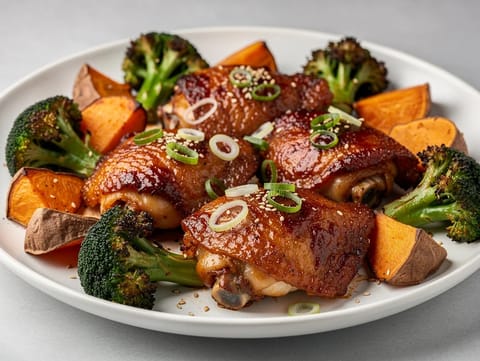
Gochujang Roasted Chicken Traybake
Gochujang chicken traybake with sweet potato, broccoli and sesame

Potaje de Garbanzos con Espinacas (Chickpea and Spinach Stew)
Spanish chickpea and spinach stew with paprika and sherry vinegar

Lemon Herb Chicken Traybake
Roasted chicken thighs with lemon, oregano and baby potatoes
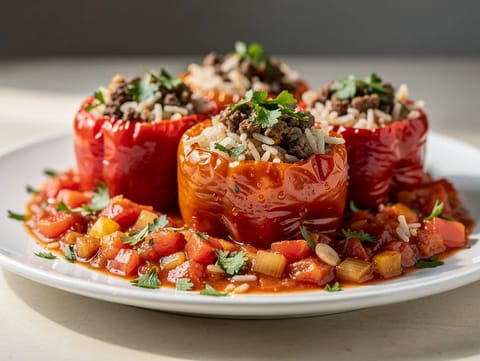
Moroccan Stuffed Peppers with Minced Beef, Rice and Tomato Sauce
Stuffed peppers with spiced beef and rice baked in tomato sauce
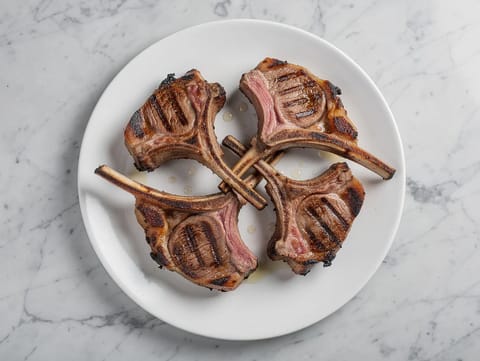
Agnello alla Scottadito (Italian Grilled Lamb Cutlets)
Grilled lamb cutlets with rosemary, garlic and lemon
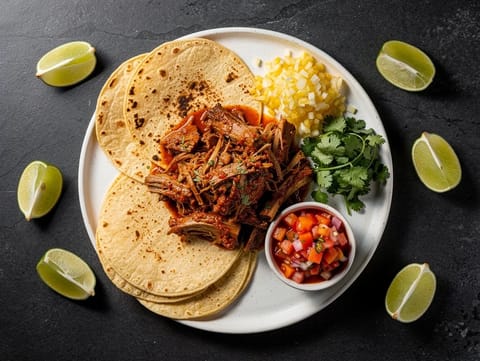
Fiesta Barbacoa Platter (Slow-Cooked Lamb with Tortillas and Salsa)
Slow-cooked shredded lamb served with tortillas, lime and salsa roja

Ishikari Nabe (Salmon and Miso Hot Pot)
Salmon and tofu hot pot simmered in a savoury miso broth

Chawanmushi (Savoury Steamed Egg Custard)
Silky steamed egg custard with prawns and shiitake
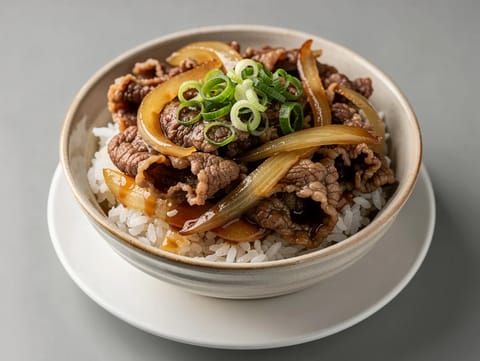
Gyudon (Beef Rice Bowl)
Beef and onion gyudon served over steamed rice
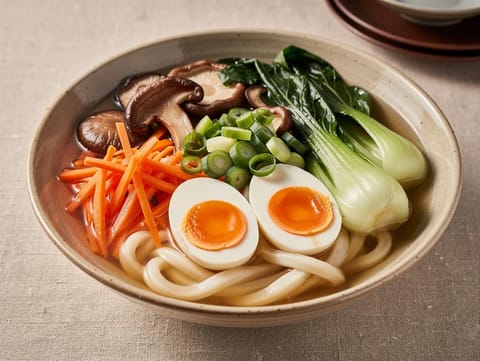
Gomoku Udon (Udon with Mixed Toppings)
Udon noodle soup with mixed vegetables and softly set egg

Agedashi Tofu (Fried Tofu in Dashi Broth)
Crisp fried tofu served in warm dashi broth
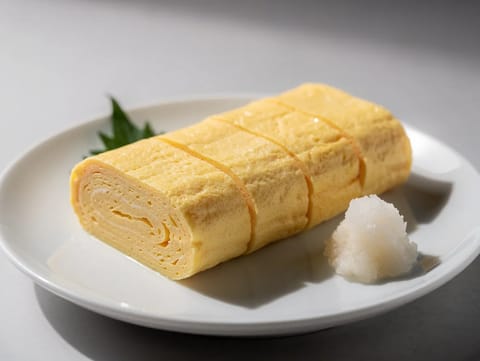
Tamagoyaki (Rolled Omelette)
Japanese rolled omelette flavoured with dashi, soy sauce and mirin
You might also like
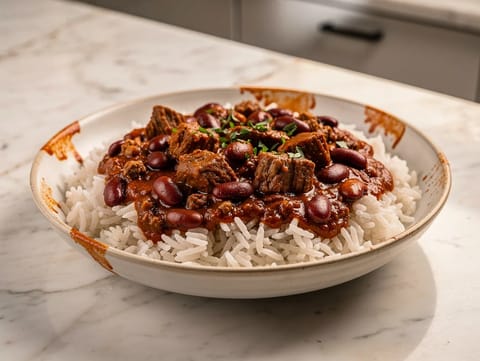
Chilli con Carne (Minced Beef and Kidney Bean Stew)
Spiced minced beef and kidney bean chilli served with rice
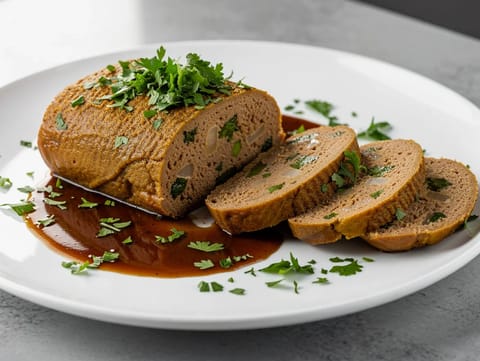
Hackbraten (German Meatloaf with Mustard Crust)
Beef and pork meatloaf with mustard crust and pan-juice gravy
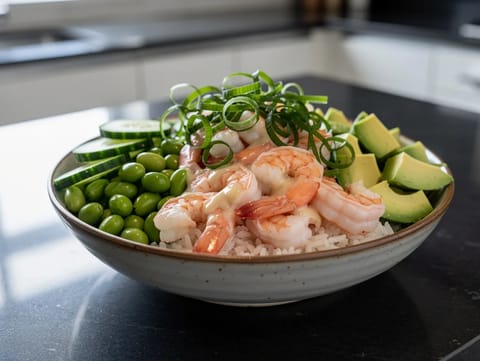
Coconut Shrimp Poke Bowl
Coconut shrimp poke bowl with sushi rice, avocado and cucumber.

Philly Cheesesteak Sandwich
Cheesesteak roll with beef, onions, peppers and provolone

Focaccia Barese (Potato Focaccia with Tomatoes and Olives)
Soft potato focaccia topped with tomatoes, olives and oregano

Tigania (Pan-Fried Pork with Lemon and Mustard)
Pan-fried pork with lemon and mustard sauce
Make this recipe easier next time
AdvertisementThese tools help you get better results with less effort.
KitchenAid Stainless Steel Mixing Bowls
- Non-slip base
- Stainless steel
- Not microwave safe
Pyrex Glass Mixing Bowls with Lids
- Microwave safe
- BPA-free lids
- Glass is heavier
OXO Good Grips Stainless Mixing Bowl Set
- Non-slip base
- Comfort grip
- Higher price
Enjoy cooking with JustRecipes?
Add JustRecipes as one of your preferred Google sources to discover our recipes more easily across Google Search.
Add JustRecipes to GoogleEvery recipe on JustRecipes follows the same structured editorial process. Learn how recipes are created, validated, translated, illustrated, and continuously improved across the platform. How we create recipes.
