
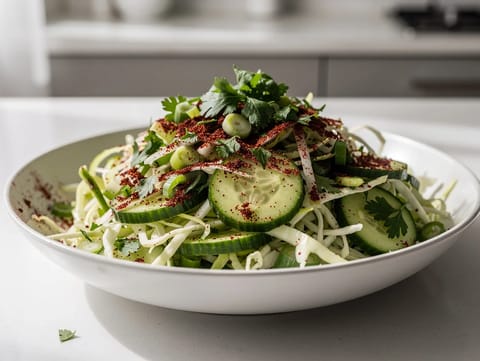
Middle Eastern Cabbage Slaw with Sumac and Lemon
Crunchy cabbage slaw with lemon, sumac and herbs

Middle Eastern cooking is often recognised by its fragrance: warm spices, fresh herbs, lemon, garlic and olive oil, with yoghurt and tahini adding richness and tang. It’s also a broad regional label, covering many distinct cuisines and communities, so recipes can vary widely in ingredients and heat. On a recipe list you’ll see both traditional dishes with established names and Middle Eastern-inspired cooking that borrows the spice palette and serving style. The quickest way to choose well is to look for the flavour anchor, such as tahini, yoghurt, sumac, cumin or pomegranate, and the format, such as mezze-style plates, grills, stews or breads.
Middle Eastern is a wide umbrella that can include recipes from the Levant, the Gulf, Iran and neighbouring regions, as well as diaspora and inspired dishes developed elsewhere. That breadth means you shouldn’t expect one fixed spice mix, one level of chilli heat, or one set of staple ingredients in every recipe. Some dishes are herb-forward and lemony; others are built on slow-cooked onions and warm spices. You’ll often see shared elements, such as chickpeas, lentils, rice, flatbreads, olive oil, yoghurt and sesame, but the proportions and techniques vary. If you’re cooking for dietary needs, remember that many dishes can be naturally vegetarian, while others rely on meat broths or dairy, so it’s worth reading ingredients closely rather than assuming.
Crunchy cabbage slaw with lemon, sumac and herbs

Thick garlic toum made with lemon juice and sunflower oil
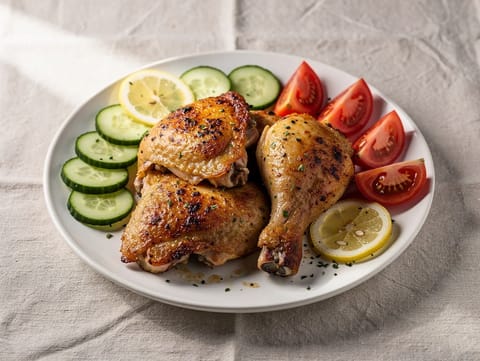
Yoghurt and lemon marinated chicken thighs, air fried until golden.
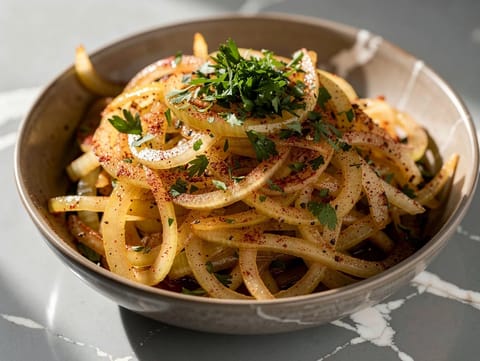
Sharp sumac onion salad with lemon, olive oil and parsley
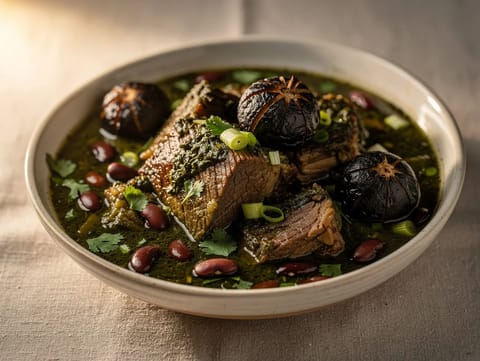
Persian herb and lamb stew with kidney beans and dried lime
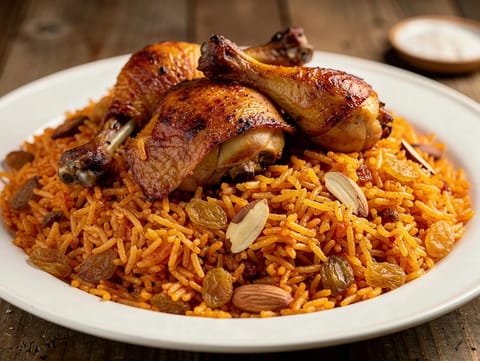
Saudi-style chicken kabsa with spiced basmati rice, almonds and raisins
Tahini brings a nutty, slightly bitter richness that pairs naturally with lemon and garlic, often forming sauces and dressings. Yoghurt adds tang and a cooling effect, and it’s used both in dips and as a marinade base that helps carry spices. Warm spices such as cumin, coriander, cinnamon and allspice-like blends can appear in different combinations, sometimes with toasted nuts for extra aroma. Fresh herbs, especially parsley, mint and coriander leaf, often act as a main ingredient rather than a garnish. Sour notes may come from lemon, sumac or pomegranate molasses, each with a different character: lemon is bright, sumac is dry and citrusy, and pomegranate is fruity and dark. Recognising these signals helps you pick recipes that lean fresh and sharp or warm and rounded.
Iftar mezze platter featuring hummus, baba ganoush, tabbouleh, olives and warm pita bread
Fresh tabbouleh with bulgur, parsley, mint, tomatoes and spring onions
Baked fatayer filled with spinach, onion, lemon and sumac, served warm or cool
Grilling and high-heat roasting are common, especially for skewers, chops and vegetables, where char adds bitterness that balances lemon and garlic. Slow simmering shows up in stews and rice dishes, where spices bloom in oil and onions soften into sweetness. Baking is important too, from flatbreads to pastry-style dishes that rely on crisp layers and rich fillings. Many Middle Eastern spreads include dips and salads that are more about texture than cooking time: puréed chickpeas, roasted aubergine, strained yoghurt, chopped salads and pickles. When you’re choosing recipes, note whether the dish is sauce-led (tahini or yoghurt), spice-led (a warm blend cooked in oil), or herb-led (a salad or relish). That tells you how it will sit alongside other plates.
In many Middle Eastern food traditions, meals are built around sharing: several small dishes, breads for scooping, and a balance of hot and cold elements. That’s why you’ll often see a pairing logic of rich and sharp, such as grilled meat with a lemony salad, or a creamy dip with something pickled or spicy. Regional and family variation is significant, and the same dish name can refer to different preparations across countries and communities. Middle Eastern-inspired recipes often keep the shared-plate approach and the familiar flavour cues, even when ingredients are substituted. Treat those as adaptations that can still be very useful for everyday cooking, especially when they preserve the key balances of acidity, herbs, spice and richness.
Middle Eastern cooking is strongly shaped by a few defining ingredients, such as chickpeas, tahini, yoghurt, aubergine and warm spices, so browsing by Ingredient can quickly lead you to the flavour profile you want. Cooking Method is equally helpful when you’re choosing between grills and roasts, simmered stews, or no-cook dips and salads.
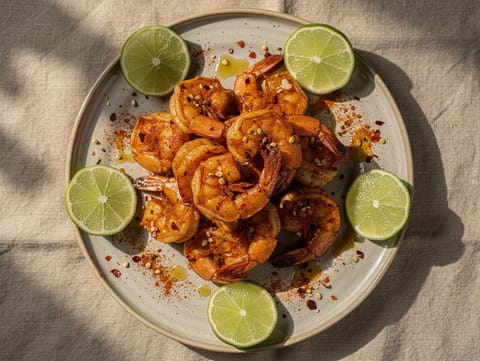
Air-fried spicy chilli prawns with garlic and lime.
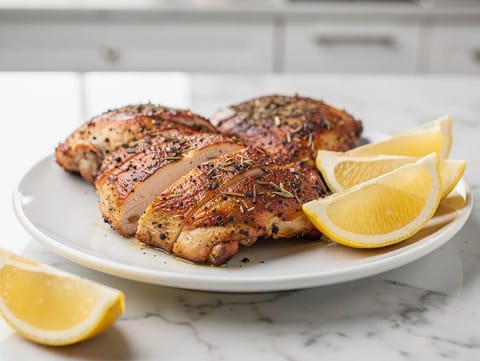
Air fryer Greek chicken with lemon, garlic and oregano.

Air fryer cherry pie with lemon and cornflour-thickened filling.
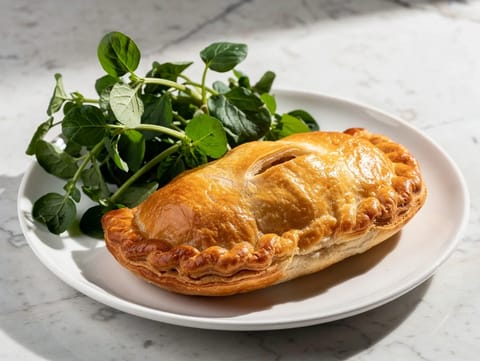
Baked chicken and leek pasty with a creamy mustard filling.
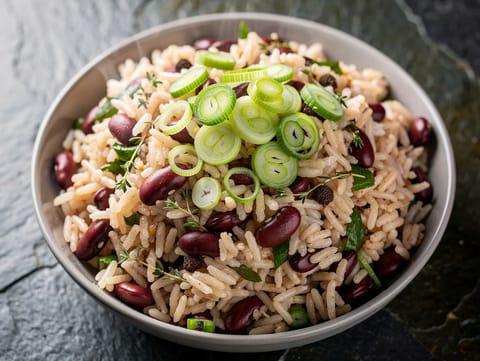
Coconut rice with kidney beans, thyme and allspice
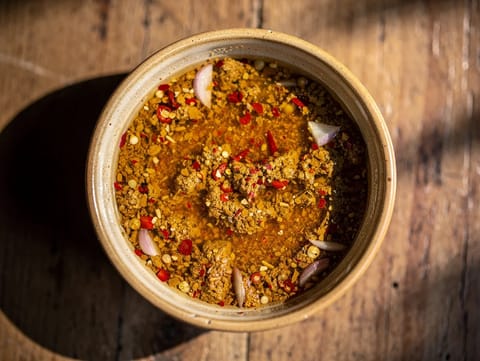
Spicy Thai dipping sauce with lime, tamarind and toasted rice powder

Creamy rice pudding with condensed milk, cinnamon and orange zest
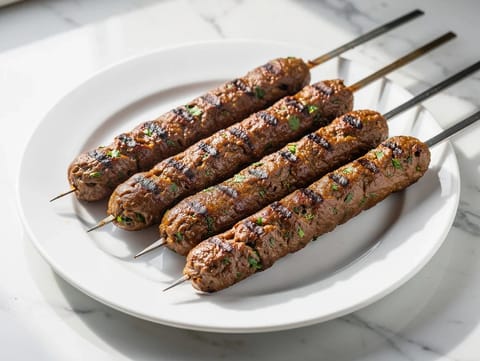
Minced lamb kefta skewers with onion, garlic and spices
No. Some cuisines and dishes use chilli generously, while others focus more on aromatic spices, herbs and sour notes such as lemon or sumac. Heat level varies by region and recipe.
Tahini adds a nutty richness with a slight bitterness. Mixed with lemon and garlic it becomes a sauce that can feel creamy without dairy, and it pairs well with roasted vegetables and chickpeas.
They’re widely known, but Middle Eastern cooking includes many other everyday foods: grilled meats and vegetables, rice dishes, stews, flatbreads, salads and yoghurt-based dips.
Both add sourness, but sumac is dry and citrusy with a gentle tannic edge, while lemon is juicier and brighter. They’re often used in different ways, sometimes together.
As adaptations that borrow the spice palette, sauces and shared-plate style. They can be a practical way to cook with familiar ingredients, but they may not reflect a specific regional tradition unless the recipe states one.
Flatbreads are often used as both food and utensil, to scoop dips and salads and to wrap grilled or stewed fillings. That changes how sauces are seasoned, because they’re meant to be eaten with bread rather than alone.
Middle Eastern recipes become easier to navigate once you decide what you want to taste: tahini and lemon, yoghurt and garlic, herbs and citrus, or warm spices cooked into a stew. From there, pick a format, such as a grill, a dip, a salad or a simmered pot, and you’ll naturally end up with combinations that make sense together.
