
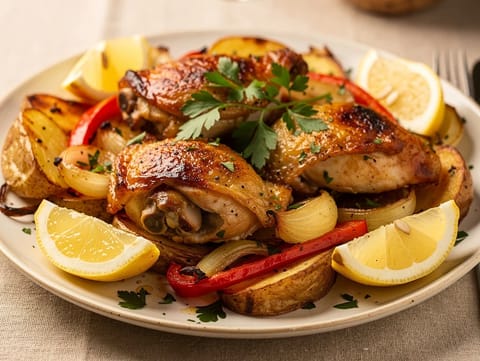
Spanish Chicken Traybake with Potatoes and Peppers
Chicken traybake with potatoes, peppers, smoked paprika and lemon
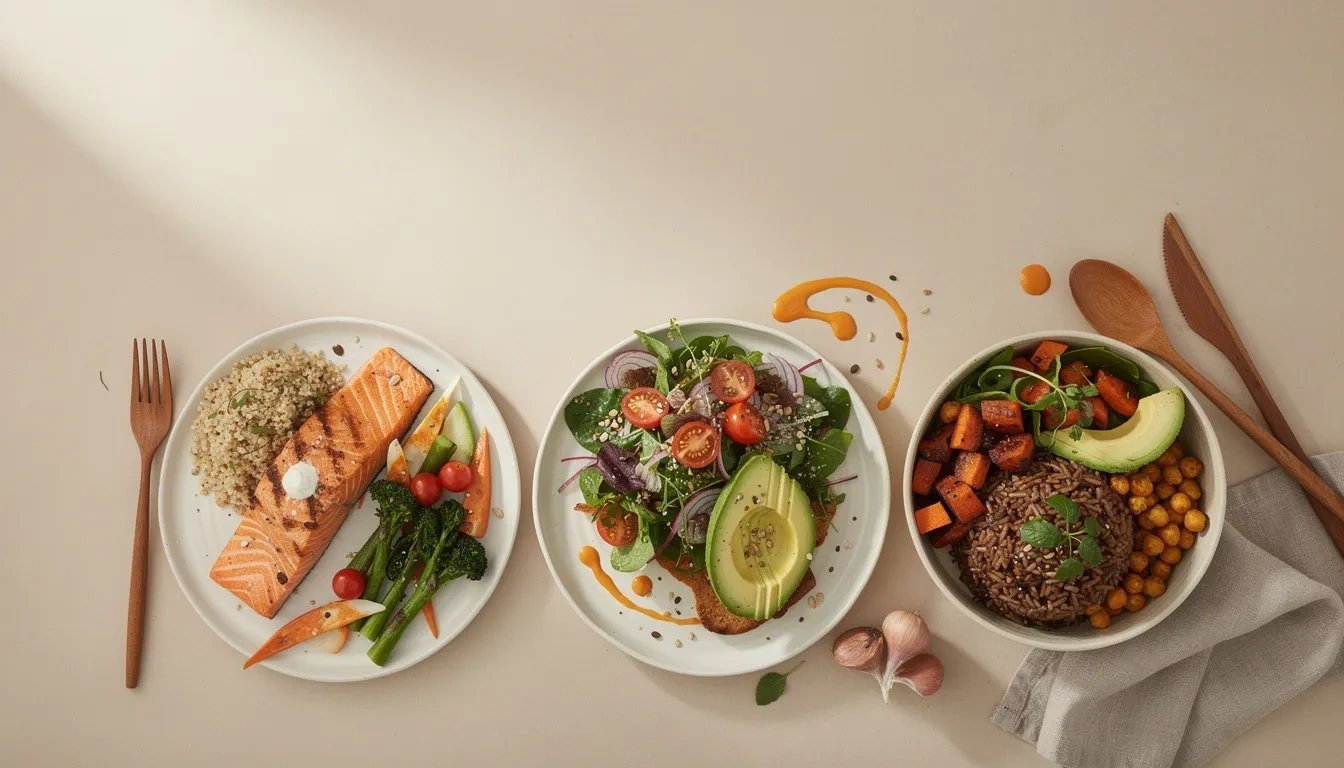
High-protein recipes are built around ingredients that contribute a substantial share of the dish’s substance, not just a garnish. That might be animal proteins such as eggs, fish or lean meats, or plant options such as beans, lentils, tofu and some grains. The practical challenge is that protein choices affect texture and cooking: they can dry out, tighten, split or turn chalky if handled roughly. This guide focuses on sensible swaps and checks so you can keep the dish balanced while nudging the protein higher.
A high-protein recipe is one where protein-rich ingredients are central to the dish. In everyday cooking that often means a clear protein component (for example, eggs, poultry, fish, meat, yoghurt-style ingredients, tofu or legumes) and a supporting cast that does not dilute it too much.
The label does not automatically mean low-carb, low-fat or suitable for every dietary approach. It also does not guarantee a specific protein amount, because portion size and ingredient brands can change the final numbers. From a cook’s perspective, it is more useful as a browsing cue: expect recipes where the main cooking decisions involve how to season, cook and keep a protein tender, and how to pair it with vegetables, grains or sauces without turning it heavy.
Chicken traybake with potatoes, peppers, smoked paprika and lemon
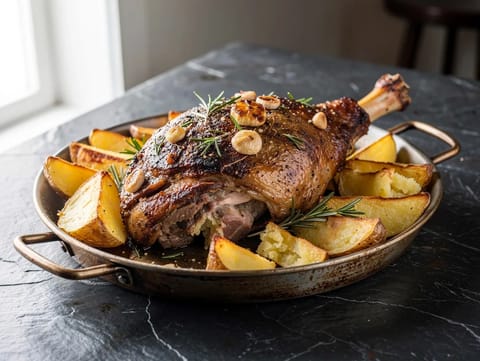
Slow-roasted leg of lamb with rosemary and garlic
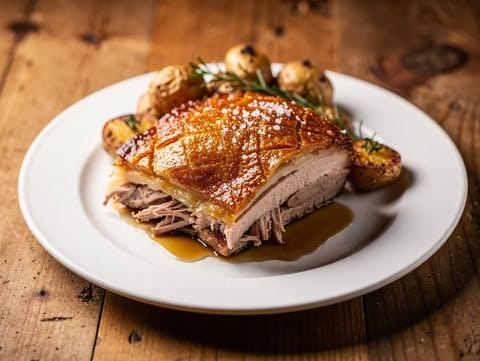
Slow-roasted pork shoulder with crisp crackling and roasting juices
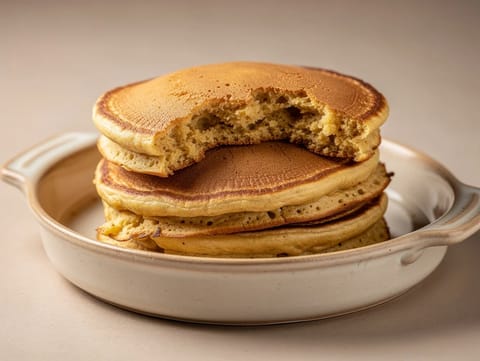
Banana oat pancakes blended with soy protein and cooked until golden
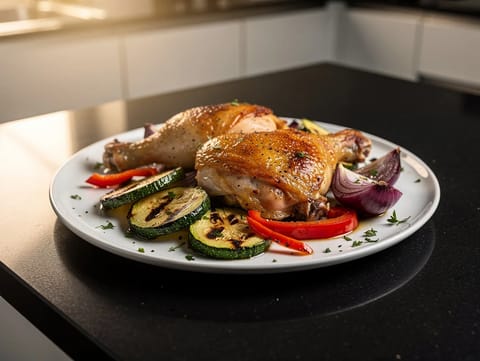
Air-fried chicken thighs with courgette, peppers and red onion.
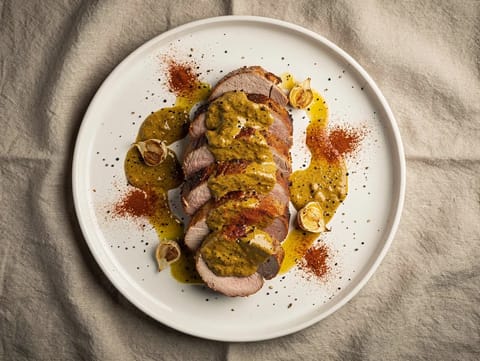
Juicy pork tenderloin with a honey mustard glaze
The most reliable approach is to swap like with like in terms of moisture and structure. If a recipe uses minced meat, you can sometimes replace part of it with cooked lentils or finely chopped mushrooms for a different balance, but the mixture may need firmer seasoning and careful cooking so it does not turn wet. If a dish relies on eggs for setting, adding extra egg whites can increase protein, but it can also make the texture firmer and less rich.
For plant-based boosts, beans and lentils add body as well as protein, which suits soups, stews and salads. Tofu and tempeh take on marinades well, but they need enough heat to brown and drive off surface moisture. Dairy-style proteins (where used) can add creaminess, but they may split if boiled hard, so gentle heat matters.
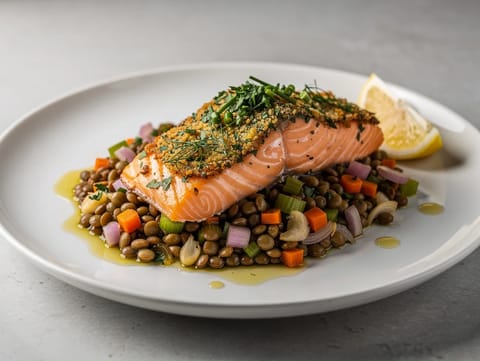
Herb-crusted salmon served over Dijon and lemon Puy lentils
Quick seared beef served over rocket with Grana Padano and a warm balsamic dressing
Air-fried breaded chicken breast stays juicy with a crisp crumb.
Sticky air fryer chicken skewers glazed with soy, mirin and brown sugar.
Honey and Dijon mustard glaze caramelises on air fried chicken thighs.
Juicy air fryer teriyaki chicken, finished with sesame seeds and spring onions.
Handi chicken simmered with onions, tomatoes and yoghurt, finished with cream
Crispy Thai chicken bites with fish sauce, soy, lime and honey glaze.
Chicken drumsticks are air-fried and finished with honey and garlic glaze.
New York strip steak with a buttery shallot sauce and Dijon mustard
Air fryer gyro chicken in pitta with tomato, cucumber, red onion and yoghurt.
Air-fried whole chicken with olive oil, garlic, paprika and lemon.
Many common protein boosters are also major allergens, including eggs, fish, shellfish, milk and soy. If you are cooking for someone with allergies, treat “high protein” as a starting point rather than a guarantee, and check every ingredient list.
Packaged high-protein products can also contain unexpected additions such as wheat-based thickeners, sweeteners or flavourings, depending on brand. If you are relying on powders, bars or ready-made shakes in cooking, read labels carefully and consider whether the product behaves well when heated, as some can clump or taste bitter when cooked.
Ingredient pages are particularly helpful for high-protein cooking because the choice between eggs, legumes, tofu, fish or lean meats changes both technique and texture. If allergies are part of the picture, the Allergens categories can help you narrow down protein options more cautiously before you start adapting recipes.
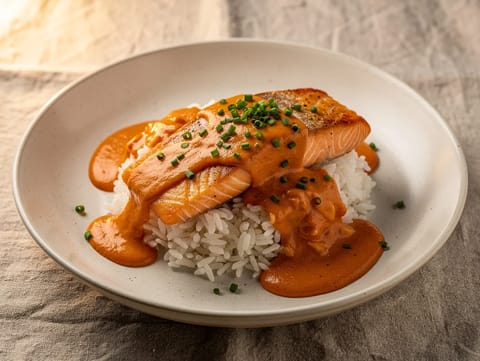
Pan-seared salmon with kimchi beurre blanc
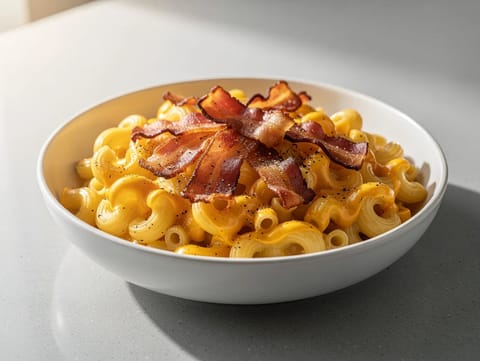
Skillet macaroni in creamy Cheddar sauce with crispy bacon
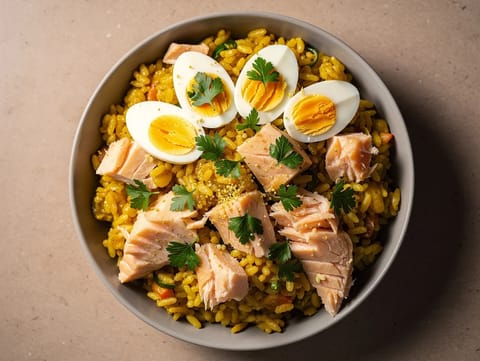
Curried rice with smoked haddock, eggs, butter and parsley

Shortcrust tartlets with vanilla pastry cream and fresh fruit
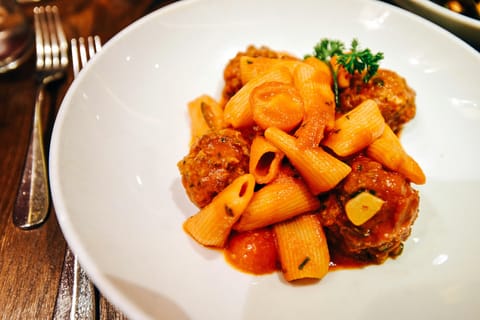
Rigatoni with Neapolitan meatballs simmered in tomato sauce
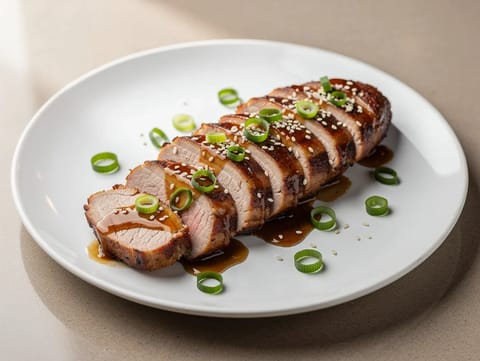
Honey garlic pork tenderloin cooked in the air fryer.
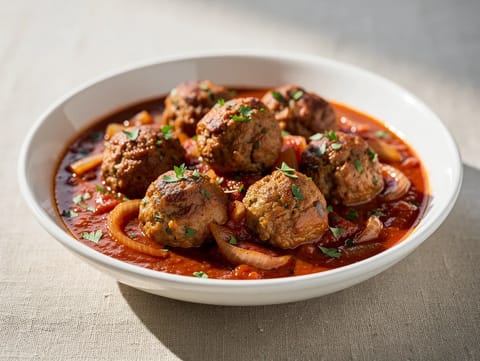
Baked turkey meatballs in smoky tomato and garlic sauce
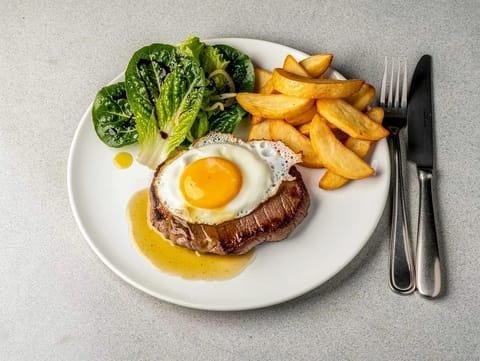
Pan fried steak topped with a fried egg and chips
No. A high-protein dish can still include grains, pasta, bread or starchy vegetables. The label is about emphasis, not a strict carbohydrate limit.
Beans, lentils, chickpeas, tofu, tempeh and some whole grains and seeds are typical options. They each bring different textures and cooking needs.
Lean proteins have less fat to buffer heat. Overcooking tightens the muscle fibres and squeezes out moisture, so timing and gentle heat make a noticeable difference.
Sometimes, but it can make batters thicker and baked goods drier or more rubbery. It is usually safer to use a recipe developed with that ingredient rather than adding it freely.
Not directly. Tofu has a different water content and structure, so it benefits from pressing, marinating and high-heat cooking to develop flavour and texture.
They can contribute some protein, but they also add fat and a distinct flavour. They work best where that richness makes sense, such as in salads, sauces or baking.
High-protein cooking is easiest when you decide what your main protein will be, then pick a recipe that suits its behaviour, whether that is quick searing, gentle poaching or slow simmering. Small, thoughtful swaps can raise protein, but they work best when they respect the dish’s texture and moisture.
