

Thai Iced Coffee
Thai iced coffee served over ice with condensed milk

Coffee drinks range from straight espresso to milk-based cups and chilled, blended styles. The method matters because it determines strength, bitterness, body and temperature: espresso gives intensity and crema, brewed coffee gives a lighter body, and cold coffee tends to taste smoother and less aromatic. Once you add milk, foam, spices or sweeteners, the drink becomes as much about texture as flavour. Thinking in terms of base coffee plus what you are adding makes it easier to choose a drink that suits your equipment, your time, and the way you like coffee to sit alongside breakfast or a mid-morning break.
Espresso-based drinks are built around a small, concentrated shot, then adjusted with hot water, steamed milk, or foam. A long black or Americano keeps the flavour clear but less intense than espresso alone. Milk-forward drinks, such as lattes and cappuccinos, shift the balance towards sweetness and a softer finish; the amount of foam changes how the drink feels on the tongue and how quickly it cools. Iced coffee drinks can be as simple as chilled brewed coffee over ice, or more dessert-like with blended ice, syrups and whipped toppings. There are also coffee drinks that use spices, cocoa, or a touch of salt to round bitterness, and some that include alcohol, where coffee’s roast notes act like a bitter-sweet backbone.
Thai iced coffee served over ice with condensed milk
German iced coffee made with chilled coffee, vanilla ice cream and a whipped cream topping

Unfiltered Turkish coffee gently heated with water and optional sugar
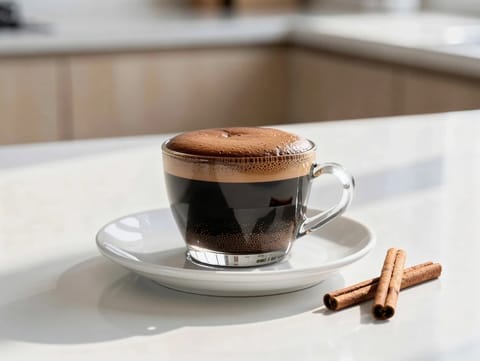
Foamy coffee warmed with ground cinnamon
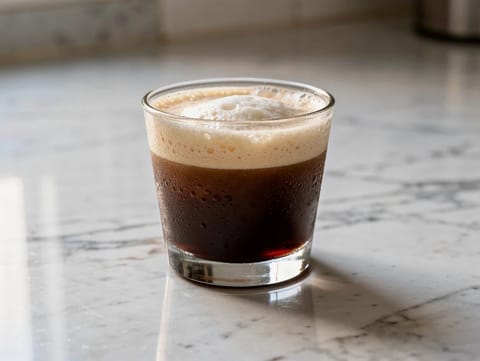
Frothy iced espresso shaken with sugar and strained

Iced espresso with sweetened almond drink
Start with the base: espresso gives the most intensity per sip, while filter or immersion-brewed coffee tends to be gentler and easier to scale for several people. If you want a creamy drink without heaviness, pay attention to milk texture: well-steamed milk tastes slightly sweeter and feels silkier, while simply heated milk can taste flatter and separate more readily. For iced drinks, consider dilution: coffee poured over ice will weaken as it sits, so stronger coffee or coffee ice cubes can help keep flavour. Sweeteners behave differently too. Sugar dissolves best in hot coffee; syrups blend easily into cold drinks. If you are serving a group, choose drinks that can be assembled consistently, rather than those that depend on precise foam or immediate serving to look their best.

Arabic coffee gently brewed with green cardamom
Iced espresso with sweetened almond drink

Strong iced Turkish coffee poured over ice after cooling
Thai iced coffee served over ice with condensed milk
Unfiltered Turkish coffee gently heated with water and optional sugar

Iced coffee with lemon juice, ice and a little sugar
Frothy iced espresso shaken with sugar and strained
Foamy coffee warmed with ground cinnamon

Strong coffee combined with hot, lightly frothy milk
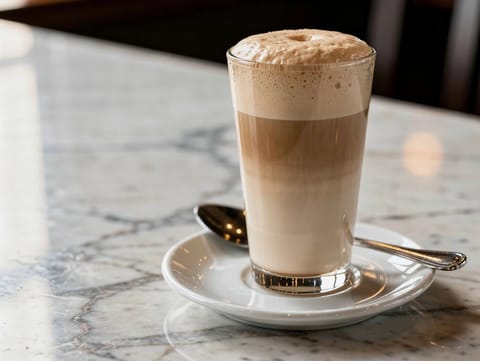
Portuguese latte with espresso and plenty of steamed milk
Mild, creamy koffie verkeerd made with frothed milk and strong coffee
A strong Moroccan coffee simmered with cinnamon and cardamom, lightly sweetened
Milk-based coffee drinks pair naturally with buttery pastries and breakfast breads because the dairy softens bitterness and echoes the richness. Black coffee, especially when served hot, can be a cleaner match for sweet bakes, as it keeps the palate from feeling coated. Chocolate and coffee are an easy pairing, but the roast level matters: darker roasts can push bitterness alongside dark chocolate, while lighter roasts can highlight fruit notes in cocoa. Spiced coffee drinks often work best with simple biscuits or cakes, where the drink provides most of the aromatic interest. For savoury breakfasts, a less sweet coffee drink is usually easier to place on the table, as heavy syrups can clash with salty or egg-based dishes.
Coffee drinks connect naturally to cooking method, because espresso, brewed coffee, cold coffee and blended drinks each need different techniques and give different strength and texture. Course can also help if you are choosing drinks intended to sit alongside breakfast, dessert, or an after-dinner moment.
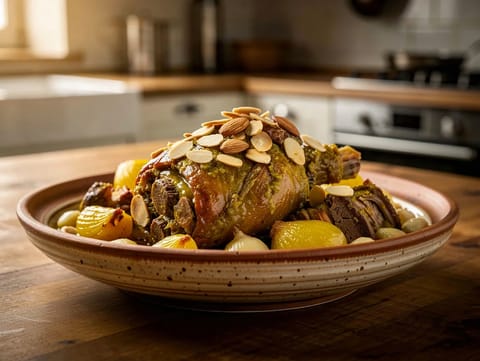
Slow-cooked lamb tagine finished with honey and almonds
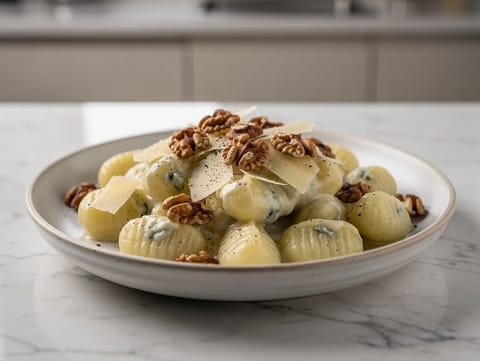
Potato gnocchi in gorgonzola cream sauce with toasted walnuts
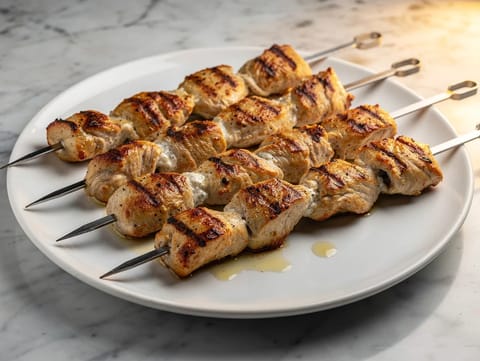
Turkish chicken skewers in a yoghurt, lemon and garlic marinade
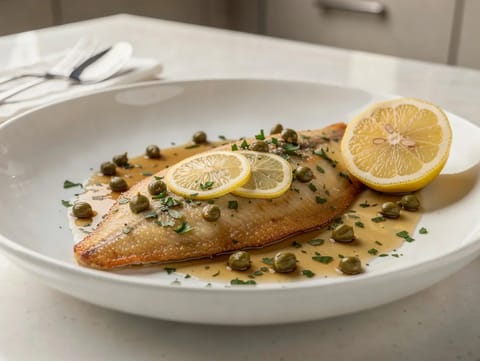
Pan-fried sole with browned butter, capers and lemon
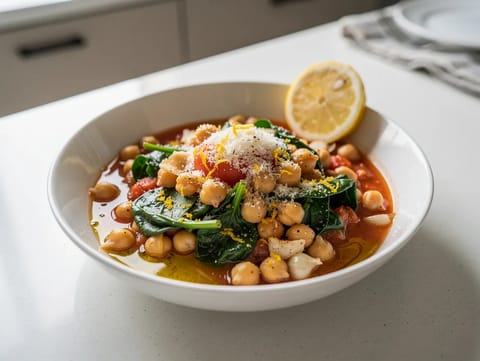
Chickpea and spinach bowl in tomato sauce with Parmesan

Soft eggs stir-fried with juicy tomatoes and spring onions

Slow-cooked onion and tomato masala with warming spices

Spiced chickpeas with vegetables served over basmati rice and yoghurt
Both are espresso with milk, but a latte is typically milk-forward with a thin layer of foam, while a cappuccino has a higher proportion of foam, which makes it feel lighter and cool a little faster.
Ice melts and dilutes the drink. Using stronger coffee, chilling it before serving, or using coffee ice cubes can help keep flavour.
Not necessarily. Many coffee drinks can be made with strong brewed coffee and warmed milk. Espresso-based classics are harder to replicate exactly without espresso, but the flavour idea can still be similar.
Steaming warms and aerates milk, changing how it feels and bringing out perceived sweetness. Overheating can dull flavour and make the texture coarse.
Foam stability depends on milk type, temperature and technique. Very hot milk and large bubbles tend to collapse faster than fine, silky microfoam.
Brewed coffee can be made ahead and chilled, but drinks with foam are best assembled close to serving because the texture changes as they sit.
Choose your base coffee first, then decide whether you want it lengthened, milk-softened, or served cold. Once that is set, sweetness and flavourings are easier to adjust without losing the character of the coffee itself.
