
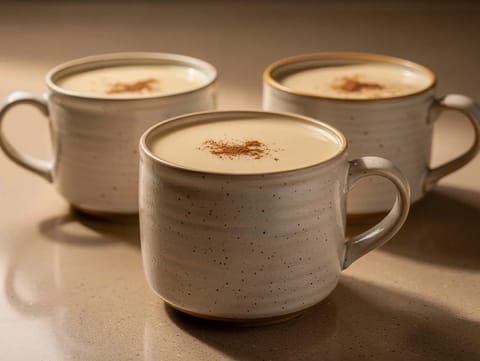
Atole (Warm Corn-Based Drink)
Warm atole thickened with masa harina, milk and cinnamon

Hot chocolate can be as simple as cocoa stirred into warm milk, or as rich as melted chocolate turned into a thick, almost pudding-like drink. If you are choosing between recipes, the quickest clue is the base: cocoa powder gives a lighter, more direct cocoa flavour, while chopped chocolate brings sweetness, body and a silkier texture. From there, small choices such as dairy versus plant milk, a pinch of salt, or a spice infusion make a noticeable difference in the cup.
Hot chocolate is a warm drink built around cocoa, chocolate, or both, mixed into milk or water and sweetened to taste. The method is usually about dissolving and emulsifying so the drink tastes smooth rather than grainy, with no slick of fat floating on top.
The name doesn’t guarantee a particular richness. Some versions are thin and sippable, closer to a warm cocoa drink; others are thickened with starch or made with a high proportion of chocolate for a denser texture. It also overlaps with drinking chocolate in some places, where the expectation is a thicker, more intense style.
Warm atole thickened with masa harina, milk and cinnamon
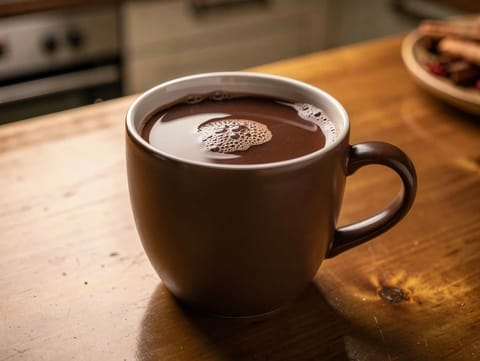
Spiced hot chocolate with cinnamon and a pinch of chilli
Belgian-style hot chocolate with melted dark chocolate, whole milk and a pinch of salt
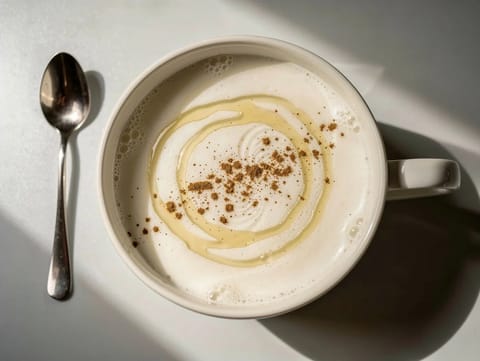
Warm milk sweetened with honey and finished with cinnamon
Smooth champurrado made with cocoa, milk, cinnamon and vanilla
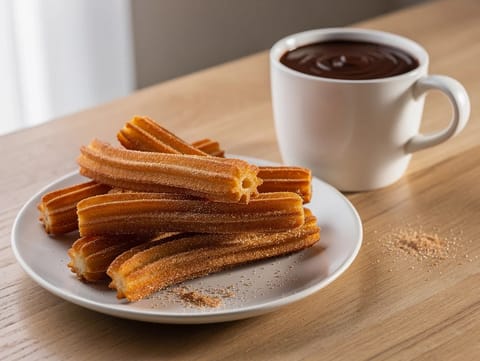
Crisp cinnamon sugar churros with thick dark hot chocolate
Cocoa-led hot chocolate is fast and flexible. It tends to taste more roasty and can be adjusted easily for sweetness. Because cocoa doesn’t fully dissolve, many recipes use a small amount of sugar and a good whisking to prevent dry pockets.
Chocolate-led hot chocolate is made by melting chopped chocolate into hot milk. It is usually smoother and rounder, with the chocolate providing both sweetness and body. The exact result depends on the chocolate you use, including its cocoa percentage and added ingredients.
Thick drinking-chocolate styles are designed to coat the mouth. They may use starch, egg, or simply a lot of chocolate. This style is best served in smaller cups, and it benefits from careful heating so it thickens without catching on the bottom of the pan.
Warm atole thickened with masa harina, milk and cinnamon
Spiced hot chocolate with cinnamon and a pinch of chilli
Warm milk sweetened with honey and finished with cinnamon
Crisp cinnamon sugar churros with thick dark hot chocolate
Belgian-style hot chocolate with melted dark chocolate, whole milk and a pinch of salt
Smooth champurrado made with cocoa, milk, cinnamon and vanilla
Chocolate pairs naturally with warm spices such as cinnamon, cardamom and chilli, and with aromatic additions like orange zest, vanilla or coffee. A small pinch of salt can sharpen cocoa flavour, especially in cocoa-led versions.
For toppings, think about texture and temperature. Whipped cream melts into the drink and softens bitterness; marshmallows add sweetness and a sticky finish; shaved chocolate or cocoa adds aroma. If you are serving hot chocolate with food, simple biscuits, shortbread-style cookies, or a slice of plain cake tend to work better than very sweet desserts, because the drink itself is already rich.
Cooking method is a useful next step for hot chocolate, because whisked-in cocoa, melted-chocolate versions and thickened styles each rely on different techniques. Cuisine can also guide flavour choices, from spiced variations to more intense drinking-chocolate traditions.
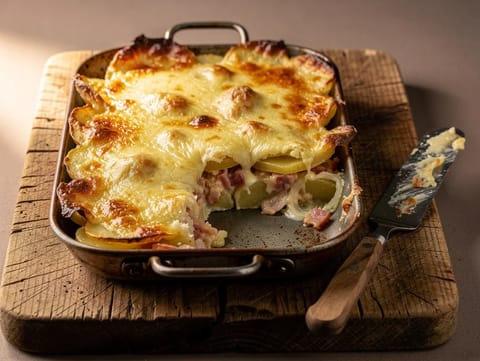
Potato bake with bacon, onions and melted Reblochon
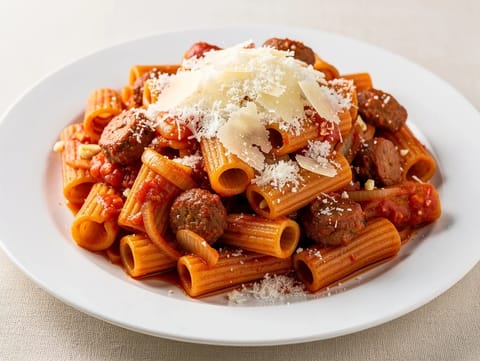
Rigatoni with Italian sausage in tomato and white wine sauce
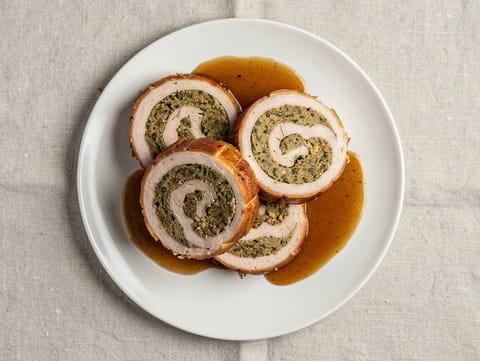
Turkey roll with herby breadcrumb stuffing and light gravy
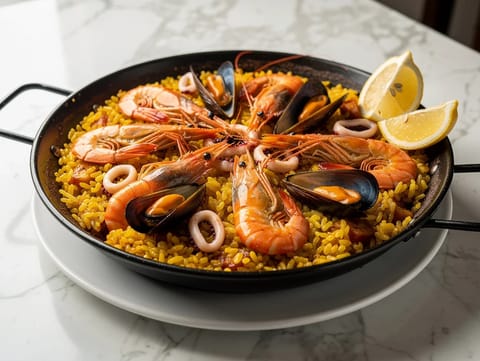
Seafood paella with prawns, mussels and squid
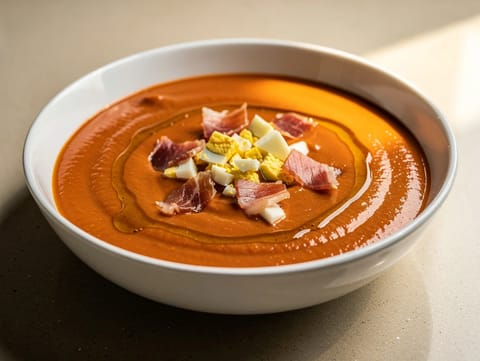
Thick chilled tomato and bread soup topped with egg and ham
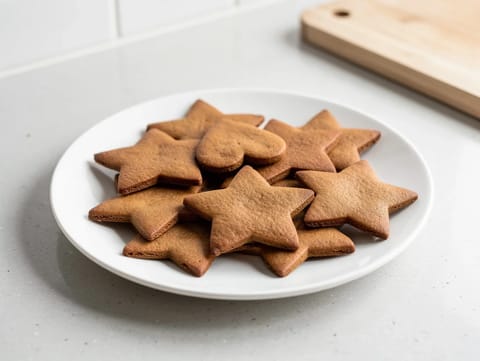
Thin Nordic gingerbread biscuits with warm spices
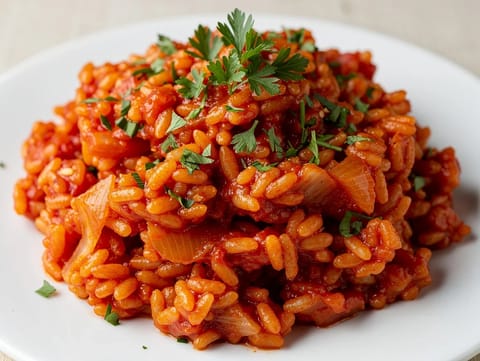
Portuguese tomato rice simmered with onion, garlic and stock
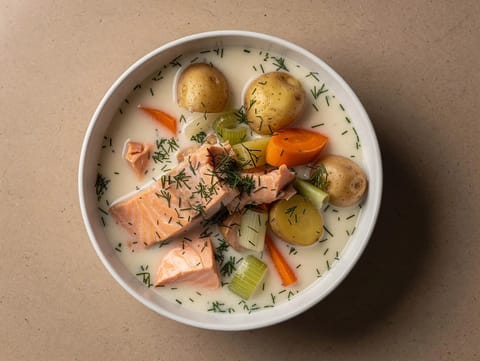
Creamy Finnish salmon soup with dill and potatoes
They overlap. Hot cocoa is often cocoa-powder based, while hot chocolate may be made with melted chocolate, cocoa, or a combination. The base affects richness and texture.
Cocoa powder can clump if it hits hot liquid all at once. Mixing it first with a little sugar and a small splash of liquid, then whisking into the rest, helps it disperse more smoothly.
Yes, though it will be lighter and less creamy. Some recipes use water to emphasise cocoa flavour, then rely on sugar and technique for balance.
Use a higher cocoa-percentage chocolate, add a little cream, or include a small amount of cocoa alongside chocolate for depth. A pinch of salt can also make it taste fuller.
Often, yes. Reheat gently and whisk before serving, as cocoa and chocolate can settle or separate as they stand.
Decide whether you want cocoa’s direct flavour or melted chocolate’s richness, then adjust sweetness, spice and toppings to suit. A quick whisk and gentle heat are usually what separate a smooth cup from a disappointing one.
