
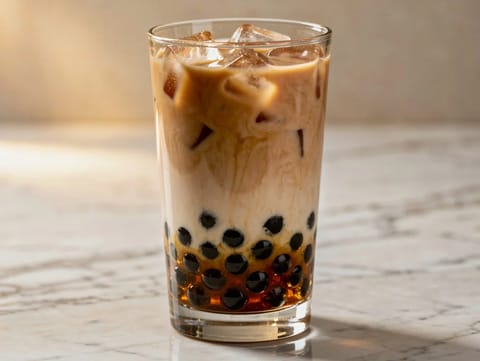
Classic Bubble Tea (Taiwanese Boba)
Black milk tea served over chewy tapioca pearls and ice

A milkshake is a blended, milk-based drink with a creamy body, usually built on ice cream or another frozen base. What makes one milkshake feel “right” is texture: thick enough to hold a straw upright, or looser and more drinkable, depending on preference. Flavour is often simple and direct, but there is plenty of room for variation, from classic vanilla and chocolate to fruit, coffee and spiced versions. Use this page to compare styles and choose the approach that matches your ingredients and the kind of richness you want in the glass.
Milkshakes sit between ice cream and a drink. They are typically blended until smooth, with enough dairy to make them pourable but still thick and cold. Unlike smoothies, which often rely on fruit and yoghurt for body, milkshakes usually get their structure from ice cream, frozen yoghurt, or a similar frozen element. The balance is delicate: too much liquid and the shake turns thin; too much frozen base and it becomes more like soft-serve. Because sweetness is already present in most frozen bases, flavourings such as chocolate, coffee or fruit purée are often added with a light hand, then adjusted after blending.
Black milk tea served over chewy tapioca pearls and ice
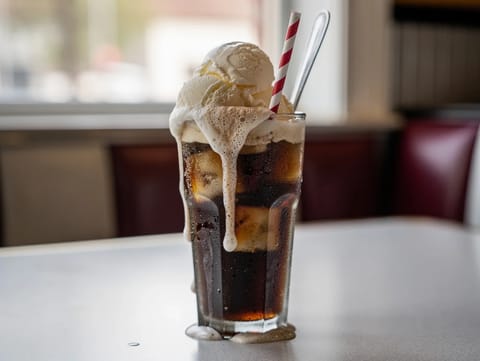
Vanilla ice cream topped with chilled root beer
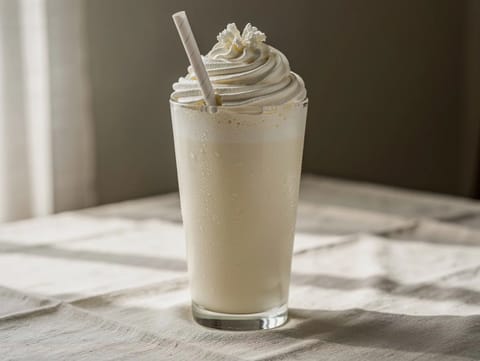
Thick vanilla milkshake made with ice cream, milk and vanilla extract
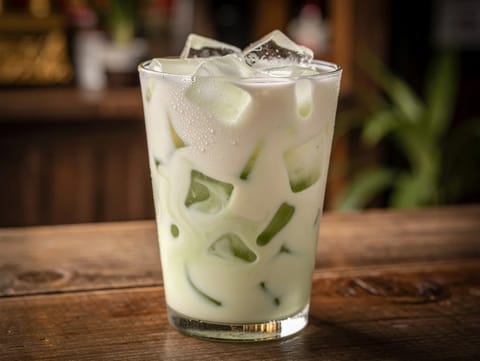
Creamy pandan iced milk sweetened with condensed milk
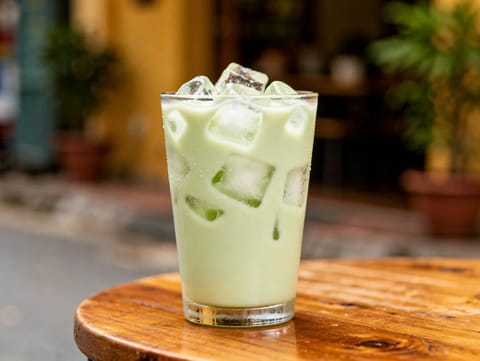
Sweet pandan milk made with syrup and served over ice
A creamy milkshake blended with dates, banana, cardamom and cinnamon
Diner-style milkshakes are the reference point: vanilla, chocolate or strawberry, sometimes finished with whipped cream. Chocolate shakes may use cocoa, melted chocolate or syrup, each giving a different intensity and sweetness. Fruit milkshakes range from fresh berries blended in to more dessert-like versions using fruit compote or coulis. Coffee and malted shakes bring bitterness and toastiness that cut through richness. Modern variations often play with mix-ins for texture, such as crushed biscuits, nut butters or caramel, which can make the shake thicker and more spoonable. Some recipes lean into a “freakshake” presentation with heavy toppings; others keep it pared back and focused on the drink itself.
A creamy milkshake blended with dates, banana, cardamom and cinnamon
Almonds blended with water, strained smooth, then warmed and sweetened
For a thick, spoonable shake, start with a firm frozen base and add liquid gradually, blending just enough to smooth it out. For a more drinkable shake, increase the milk and keep mix-ins minimal so the texture stays silky. If you are adding biscuits, nuts or chocolate chips, consider whether you want a smooth shake or a flecked one; blending longer makes it more uniform but can warm it up. Sweetness is easiest to control by choosing unsweetened flavourings, such as cocoa or espresso, rather than relying only on syrups. For serving, chilled glasses help the shake hold its texture, and a wide straw suits thicker styles and chunky mix-ins.
Milkshakes pair naturally with simple baked treats that echo their flavours, such as cookies, brownies or plain sponge, because the drink already brings richness and cold contrast. Coffee or chocolate shakes sit well alongside nutty or caramel desserts, while fruit shakes work with lighter pastries and shortbread. If you are serving milkshakes as part of a casual spread, keep the food salty or crisp, such as fries or a toasted sandwich, so the shake reads as the sweet counterpoint. When the shake is heavily topped, simpler sides help avoid a table that feels uniformly rich.
Cuisine can be a useful way to explore flavour directions for milkshakes, from coffee-led combinations to fruit-and-spice pairings that show up in different parts of the world. Cooking method is also relevant because some milkshakes are purely blended, while others start with a cooked component such as a quick chocolate sauce or a spiced syrup that changes sweetness and texture.
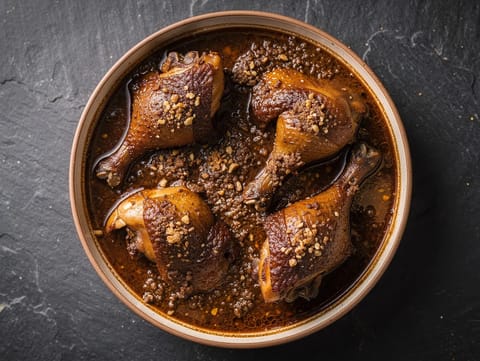
Persian chicken stew with walnut and pomegranate molasses sauce
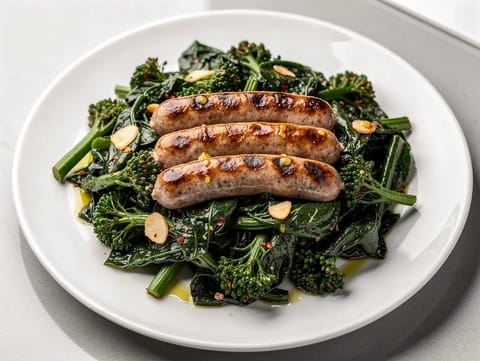
Italian sausages served over garlicky broccoli rabe with lemon
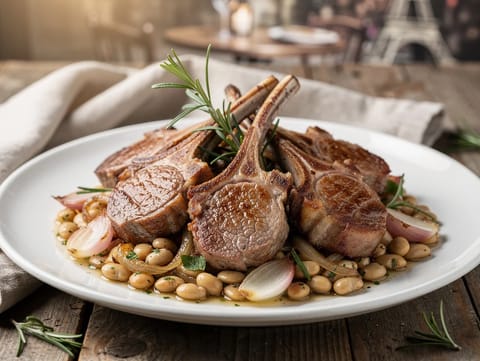
Seared lamb cutlets served over flageolet beans with rosemary
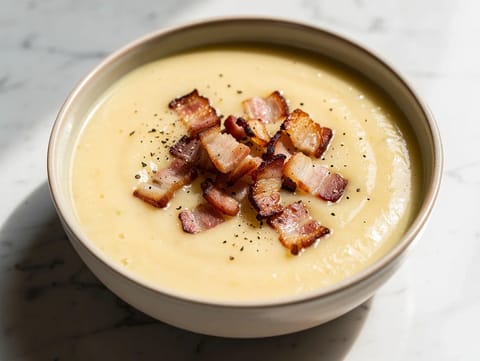
Creamy potato soup topped with crisp bacon
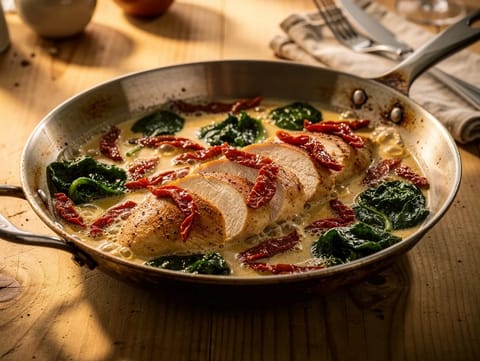
Seared chicken in creamy sauce with sun-dried tomatoes and spinach

Chilled ginger beer with lime, cinnamon and cloves
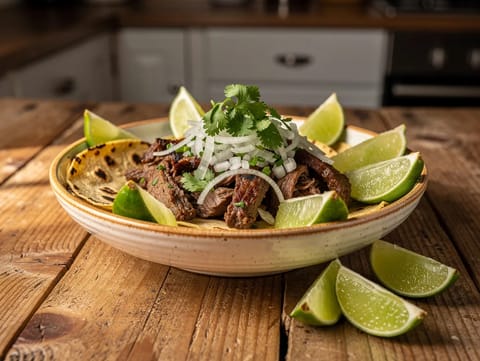
Brisket tacos with onion, coriander, lime and salsa verde
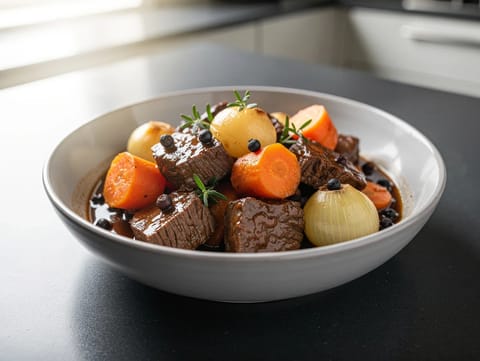
Slow-braised venison with juniper and root vegetables
Use more frozen base and less milk, and blend only until smooth. Thickening mix-ins such as nut butter or crushed biscuits can also add body, but they may make the shake heavier.
Too much liquid, warm ingredients, or over-blending can all thin a shake. Starting with colder ingredients and adding milk gradually helps you stop at the texture you want.
Some recipes use frozen yoghurt, frozen fruit plus dairy, or chilled custard-style bases. The result can be milkshake-like, but the texture and sweetness will depend on what provides the frozen structure.
The terms vary by region. In many places, a frappe is coffee-based and may be blended with ice, while a milkshake is dairy-and-ice-cream based. Recipes will usually make the method clear.
Cocoa powder or espresso can deepen chocolate flavour without adding much sugar. Melted dark chocolate can also work, but it thickens as it cools and can make the shake more dessert-like.
Milkshakes are best straight after blending because they melt and separate as they stand. If you need to prep, measure ingredients in advance and keep everything very cold so blending is quick.
Milkshakes are easiest to get right when you decide on thickness before you chase extra flavour. Start cold, add liquid slowly, and let one clear flavour lead the glass.
