
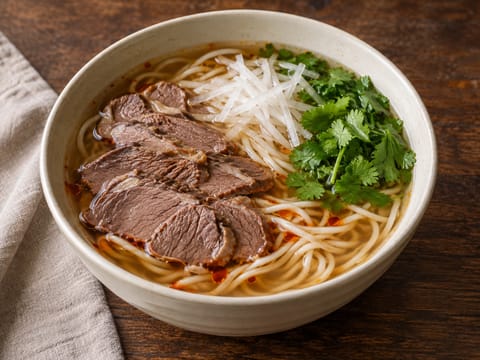
Lanzhou Beef Noodle Soup
Lanzhou beef noodle soup with brisket, radish and chilli oil
Noodle dishes are defined less by a single flavour and more by format: brothy soups, saucy bowls, stir-fries, chilled salads and baked noodle bakes all behave differently on the plate. The key decision is texture. Some noodles are meant to stay springy, others to soften into the sauce, and the cooking method you choose determines which you get. Once you understand how noodles take on liquid and seasoning, it becomes much easier to pick a recipe that suits your appetite and the kind of eating experience you want.
A noodle dish is any recipe where noodles are the main starch and a central part of the eating experience, rather than a small garnish. That can mean wheat noodles, rice noodles, egg noodles, glass noodles or other regional varieties, served in broth, tossed with sauce, or fried with vegetables and protein. Noodle dishes are not automatically pasta dishes, even though the techniques can overlap. They also differ from dumplings or filled pasta, where the wrapper is the focus. Because noodles vary widely in thickness and ingredients, the same sauce can feel light and slippery with one type and hearty and clingy with another.
Lanzhou beef noodle soup with brisket, radish and chilli oil
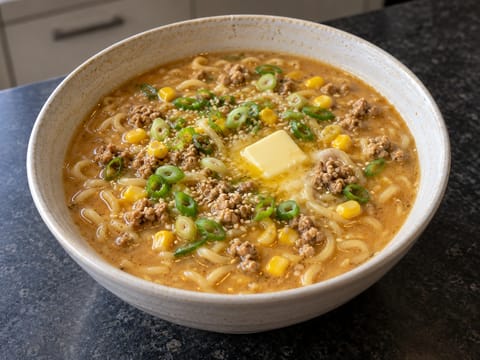
Hokkaido miso ramen with minced pork, sweetcorn and butter
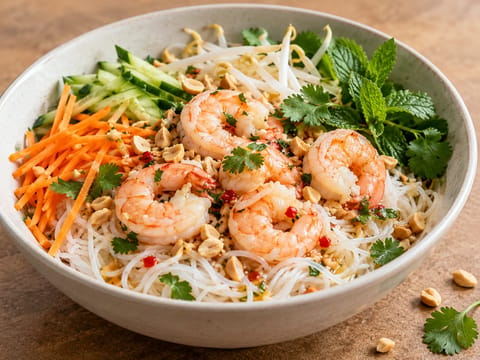
Vermicelli bowl with prawns, herbs and nuoc cham dressing
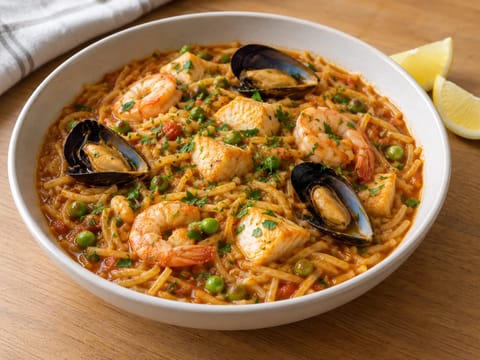
Catalan fideos casserole with seafood in tomato and saffron broth
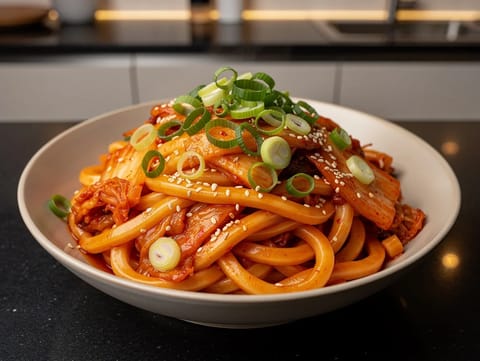
Kimchi and gochujang udon stir-fry with sesame and spring onions
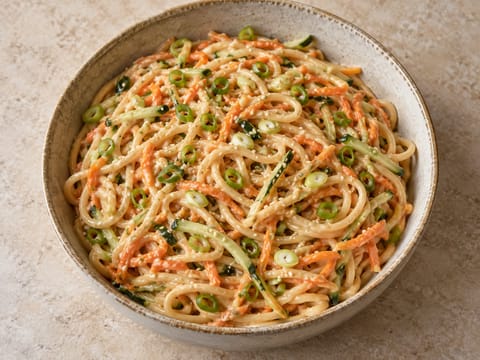
Sesame noodles with peanut and tahini dressing and crunchy veg
Brothy noodle soups depend on timing: noodles can go from pleasantly tender to overly soft if they sit in hot liquid for long. Stir-fried noodle dishes are about high heat and quick movement, often with a sauce that coats rather than pools. Saucy noodle bowls sit between the two, with enough liquid to cling and season but not so much that the noodles float. Chilled noodle salads lean on sharp dressings and aromatic toppings, and they benefit from noodles that stay resilient when cold. Baked noodle dishes, including casseroles and gratins, deliberately soften the noodles as they absorb sauce, giving a sliceable, spoonable texture.
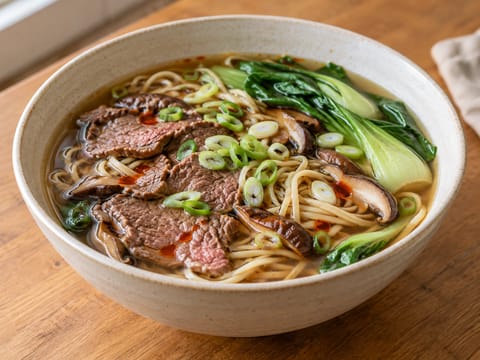
Beef noodle bowl with pak choi, shiitake and soy broth
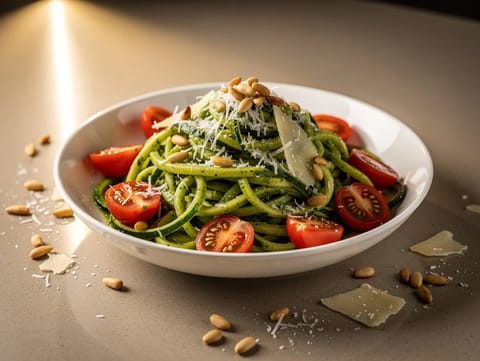
Courgette noodles with basil pesto, cherry tomatoes and Parmesan
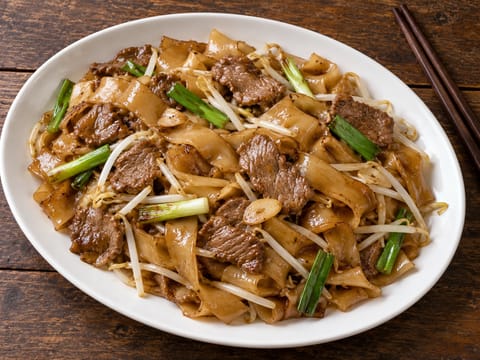
Cantonese beef stir-fried rice noodles with beansprouts
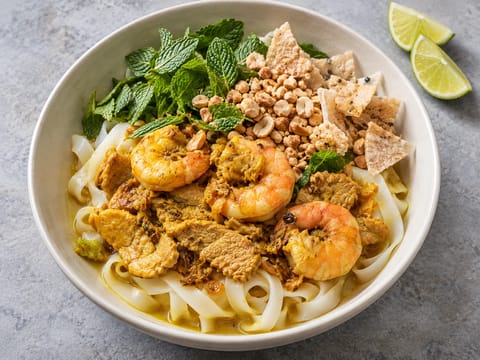
Turmeric rice noodles with pork, prawns, herbs, peanuts and lime
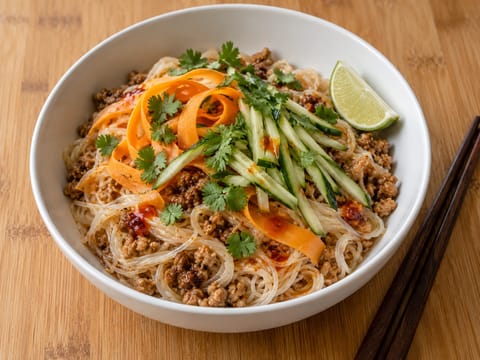
Pork and rice noodle bowl with lime, herbs and chilli oil.
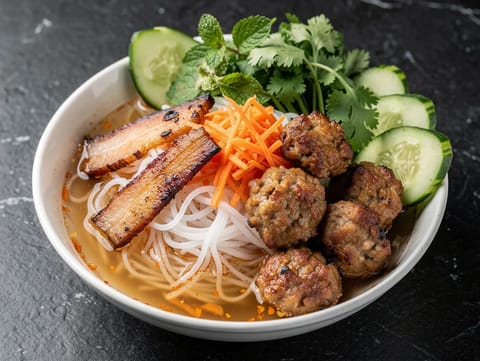
Grilled pork with rice vermicelli, herbs and dipping sauce
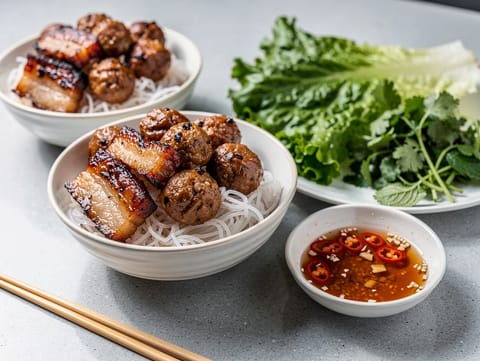
Grilled pork with nuoc cham, vermicelli, herbs and lettuce.
Noodles are a blank canvas, but they show seasoning quickly because there is a lot of surface area. Salty, savoury sauces often need a bright note, such as citrus, vinegar, pickled vegetables or fresh herbs, to keep the bowl lively. Richer, creamy or nut-based sauces pair well with crunchy toppings, toasted seeds or crisp vegetables for contrast. In brothy dishes, aromatic oils and fresh garnishes are not just decoration: they sit on the surface and hit your nose first, which makes the whole bowl taste more complex. If you are serving noodles as part of a larger spread, keep side dishes lighter and sharper so the meal does not become uniformly soft and starchy.
Cuisine is a natural companion to noodle dishes because noodle traditions are strongly regional, and the same ingredient can be treated very differently across countries. Cooking method is equally useful: boiling, stir-frying, baking and assembling chilled noodles each produce distinct textures and determine when and how you season the dish.
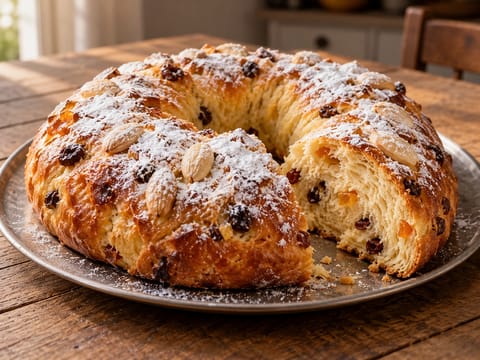
Portuguese sweet ring bread with candied peel and raisins
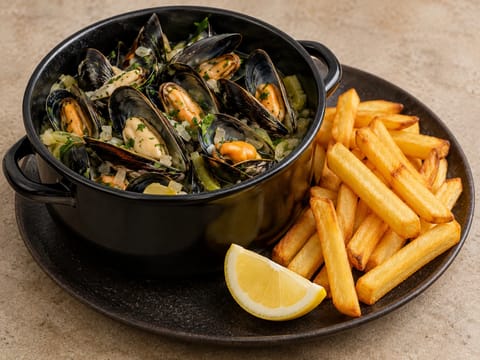
Mussels steamed in white wine, served with crisp chips
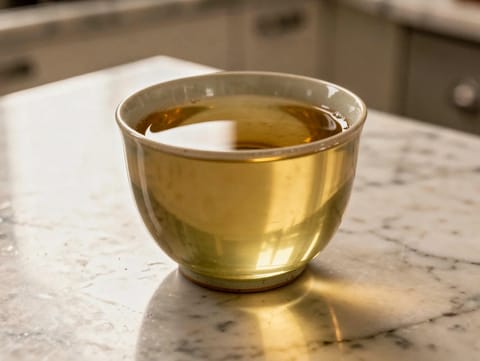
Japanese green tea blended with toasted rice
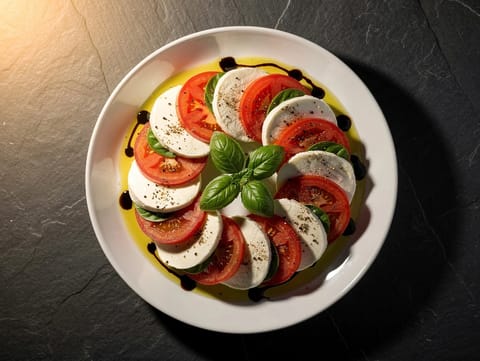
Tomatoes, mozzarella and basil with olive oil and balsamic
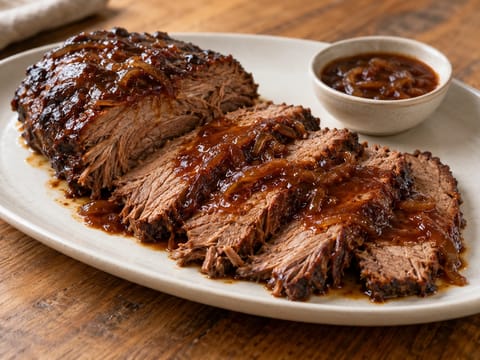
Slow-cooked beef brisket finished with tangy barbecue sauce
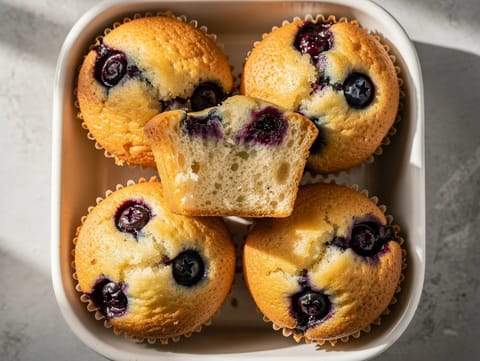
Air fryer muffins with blueberries in a simple sweet batter.
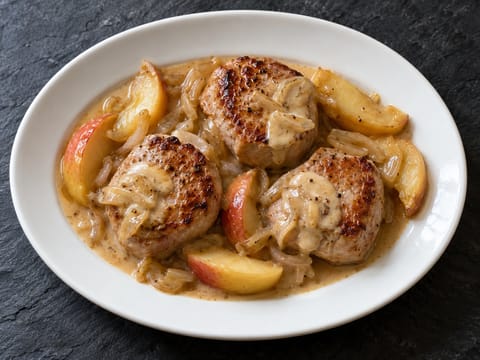
Seared pork tenderloin with apples in a creamy Calvados sauce
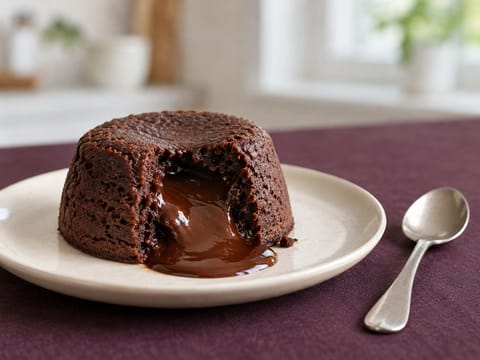
Ramekin-baked chocolate cakes with a molten centre
Noodles keep absorbing liquid and heat. In soups and saucy dishes, they can soften quickly if they sit in broth or sauce for long, especially thinner noodles.
No. Thickness, ingredients and whether noodles are fresh, dried or pre-cooked all affect timing and how they respond to rinsing, soaking or frying.
In a soup, noodles are served in a broth that you can sip. In a saucy bowl, the liquid is reduced or thickened so it coats the noodles rather than surrounding them.
Not always. Many are served cool or at room temperature, but the defining feature is usually a dressing-led format rather than a hot sauce or broth.
It depends on the noodle type, but separating them well before they hit the pan and using enough heat and movement helps. Some noodles benefit from a brief rinse or oiling, others do not.
Some can, but texture is the limiting factor. Sauces and toppings often hold well, while noodles may be best cooked close to serving or kept separate from liquid.
Decide first whether you want broth, sauce, a stir-fry or a bake. Once the format is clear, you can choose noodles that suit it, and you will know whether the recipe needs speed, high heat or time to absorb flavour.
