
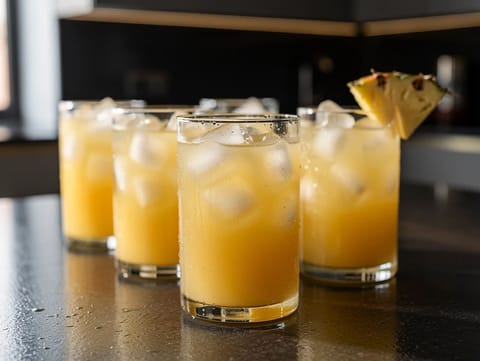
Ginger Pineapple Punch (Spiced Fruit Punch)
Pineapple punch with ginger and lime, served over ice

A punch bowl drink is less about a single cocktail and more about how it is served: mixed in volume, kept cold, and ladled or poured so guests can help themselves. That changes the practical priorities. You need flavour that stays clear when diluted, sweetness and acidity that remain balanced over time, and a plan for chilling that does not turn the drink watery. Whether the punch is spirit-forward, sparkling, fruit-led or alcohol-free, the best results come from thinking in serving style first, then building the mix to suit.
Punch is a shared drink designed for batching. It is typically built from a base (spirits, wine, tea or juice), a sour element (citrus or another acid), sweetness, and often dilution from water, ice or sparkling mixers. Unlike a single-serve cocktail, punch has to taste good at the first glass and the last, when ice has melted and aromatics have softened. It also needs to pour cleanly, which is why many punches avoid ingredients that separate quickly or become pulpy unless they are meant to be stirred before serving. Some punch bowl recipes are fully mixed ahead; others keep the fizzy element separate until the moment of serving.
Pineapple punch with ginger and lime, served over ice

Mulled apple punch with orange and warming spices
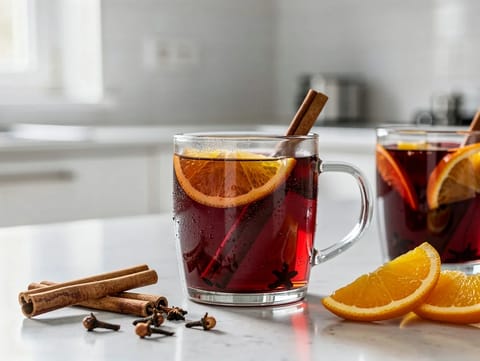
Mulled red wine warmed with orange, spices and sugar
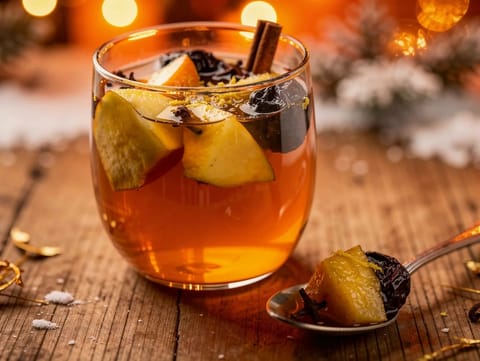
Polish dried fruit drink simmered with cinnamon and cloves
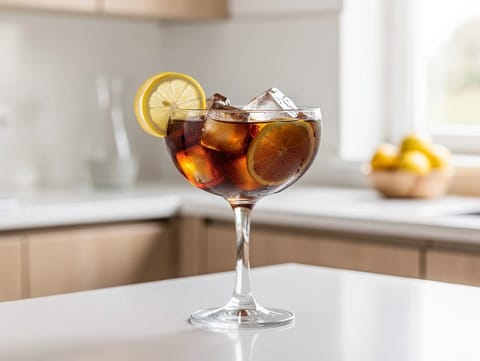
Punch bowl cocktail with rum, brandy, tea and lemon
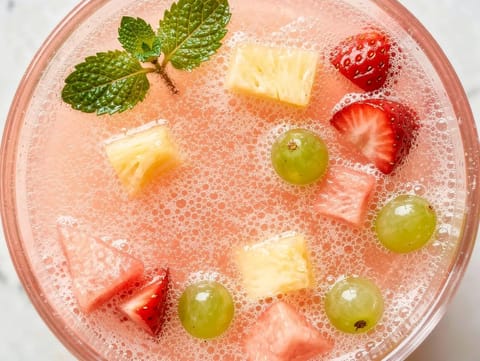
Chilled Korean fruit punch with sparkling water and fresh fruit
If the punch will sit out for a while, choose a style that is designed to tolerate dilution. Spirit-based punches often hold their shape as ice melts, while lighter, juice-forward punches can taste flat if they become too watery. For a sparkling punch, plan to add soda, tonic or sparkling wine close to serving so the bubbles do not disappear in the bowl. If you want a clearer drink, look for recipes that use strained citrus and avoid dairy or thick purées. For an alcohol-free punch, bitterness and spice can do the job that alcohol often does, keeping the drink from tasting simply sweet once it is well chilled.
Mulled apple punch with orange and warming spices
Chilled Korean fruit punch with sparkling water and fresh fruit
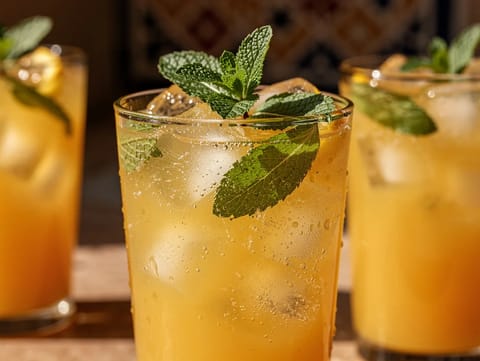
Chilled orange juice punch with mint and sparkling water

Polish mulled red wine warmed with honey, citrus and spices
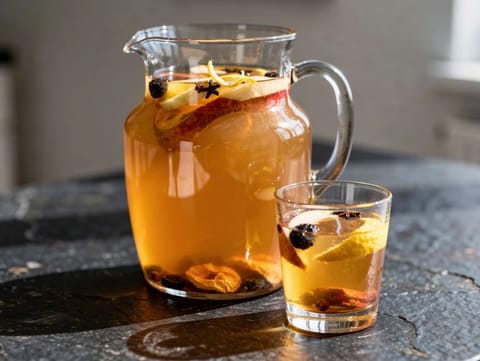
Polish dried fruit drink simmered with spices, served warm or chilled
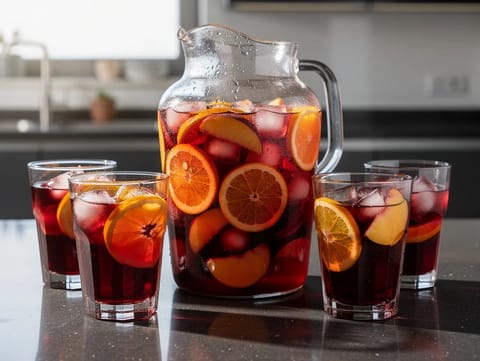
Chilled sangría with red wine, brandy, citrus and peach
Punch bowl cocktail with rum, brandy, tea and lemon
Polish dried fruit drink simmered with cinnamon and cloves
Pineapple punch with ginger and lime, served over ice
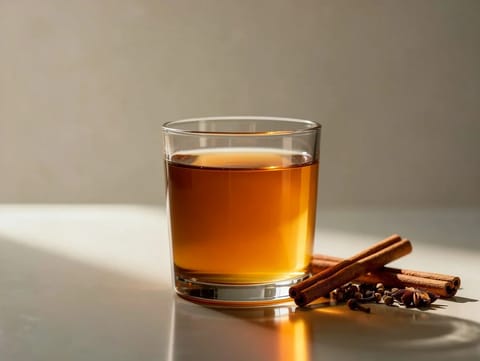
Warm spiced beer with orange, clove and cinnamon
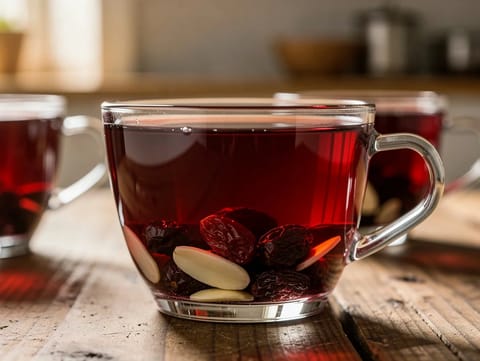
Nordic mulled wine with spices, raisins and blanched almonds
Mulled red wine warmed with orange, spices and sugar
Punch tastes most coherent when it has a clear backbone. Citrus is common because it brings aroma and acidity, but it can turn harsh if the balance is too sour once the drink is very cold. Sweetness can come from sugar, syrups, fruit juices or liqueurs; syrups dissolve reliably and are easy to adjust. Bitters, herbs and spices add structure, especially in large batches where subtle flavours can disappear. Garnishes are not just decoration. Citrus wheels, berries, cucumber ribbons or fresh herbs add aroma at the surface of the bowl, which helps each glass smell lively even when the drink is served very cold.
Some punches are built like a large-format cocktail: spirits, citrus and sweetener, diluted and chilled, then served over ice. Others lean on wine or sparkling wine for body and lift, with fruit and a modest spirit addition. Tea-based punches are a practical middle ground, giving tannin and fragrance without heaviness, and they can be made ahead and chilled. There are also creamy or milk-washed styles in the wider punch tradition, but they behave differently in a bowl and are usually chosen when the recipe is written specifically for that texture. Whatever the style, the bowl format rewards simple, repeatable measures and ingredients that do not require constant attention.
Cuisine can be a useful way to explore punch flavours, from tropical fruit and rum combinations to spice-led, tea-based mixes. Cooking method is also relevant here because some punches rely on infusions or syrups made ahead, while others are purely assembled and chilled.
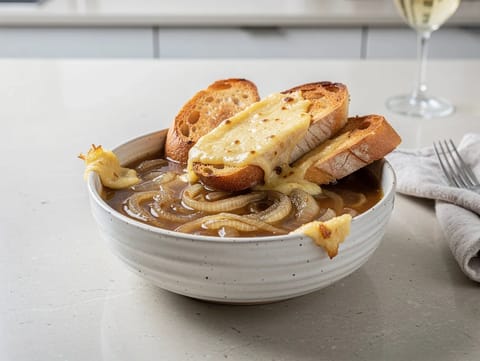
French onion soup topped with baguette and melted Gruyère
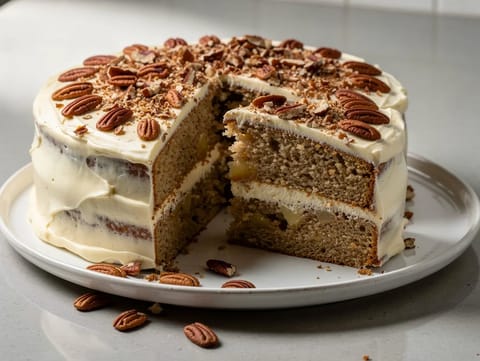
Spiced banana and pineapple cake with cream cheese icing
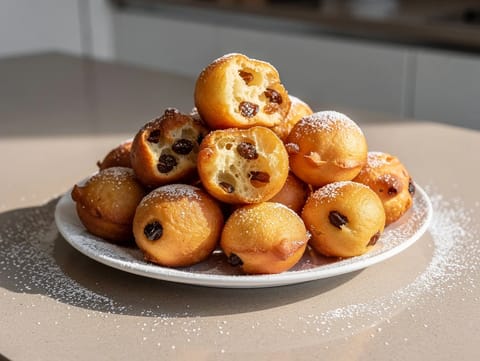
Yeasted Venetian fritters with raisins, fried and dusted with sugar
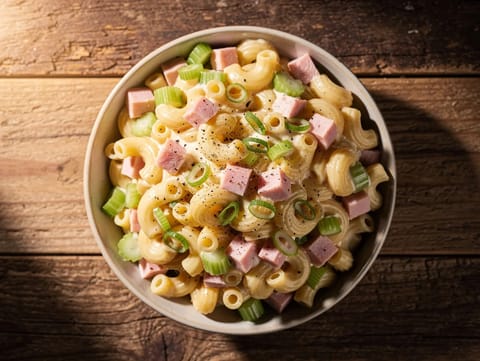
Creamy macaroni salad with ham and celery
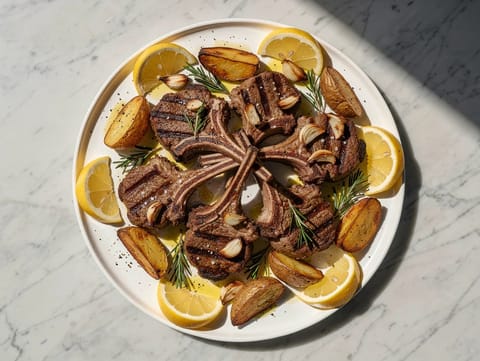
Grilled lamb chops with rosemary roast potatoes
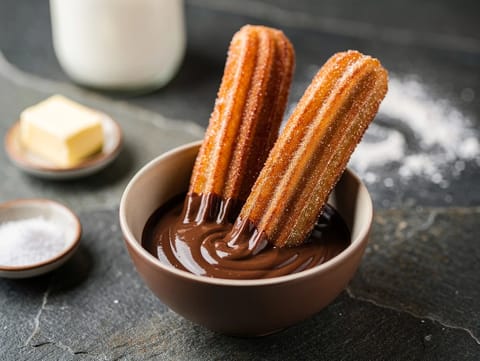
Crisp churros rolled in cinnamon sugar with chocolate dipping sauce
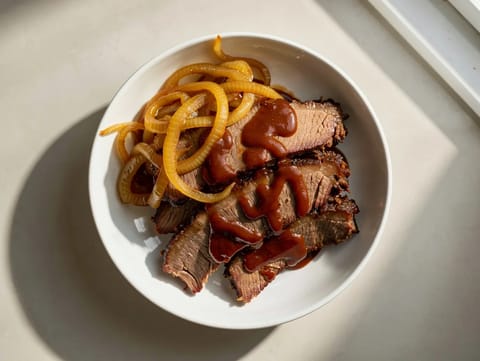
Slow-cooked beef brisket finished with glossy BBQ-style sauce
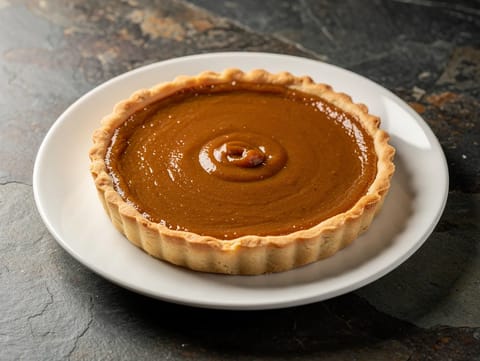
Sweet pastry tart with tangy tamarind and lime filling
Dilution is part of punch, but it should be planned. Many recipes build in water or chilled tea so the drink tastes right even as ice melts, or they keep ice in larger pieces so it melts more slowly.
Usually close to serving. Bubbles fade quickly in a large bowl, especially if the punch is stirred often or ladled repeatedly.
Often, yes. Many punches improve with a little time for flavours to meld. It is common to chill the base in advance and add fizzy mixers or delicate garnishes at the end.
No. Alcohol-free punches are part of the same idea: a balanced, batched drink. They often rely on acidity, bitterness, spice or strong tea to keep the flavour from reading as simply sweet.
Cold suppresses sweetness and aroma. Punch recipes often taste slightly bold at room temperature so they land balanced once properly chilled and lightly diluted.
Fresh juice gives brighter aroma, but it can also change as it sits. Some recipes use a mix of fresh juice and stable sweeteners or infusions to keep the flavour consistent over serving time.
A good punch bowl recipe is one you can chill, serve and top up without constant tweaking. Choose a style that matches how long it will sit out, then build in balance that survives ice and time.
