
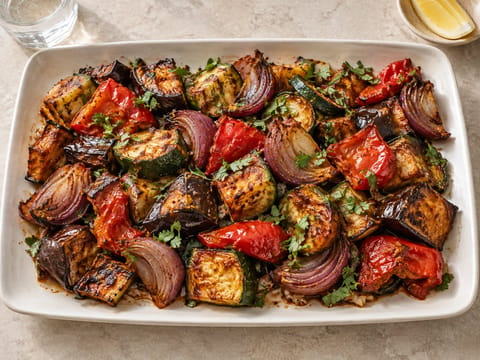
Moroccan Harissa Roasted Vegetables
Harissa-roasted vegetables finished with lemon and coriander
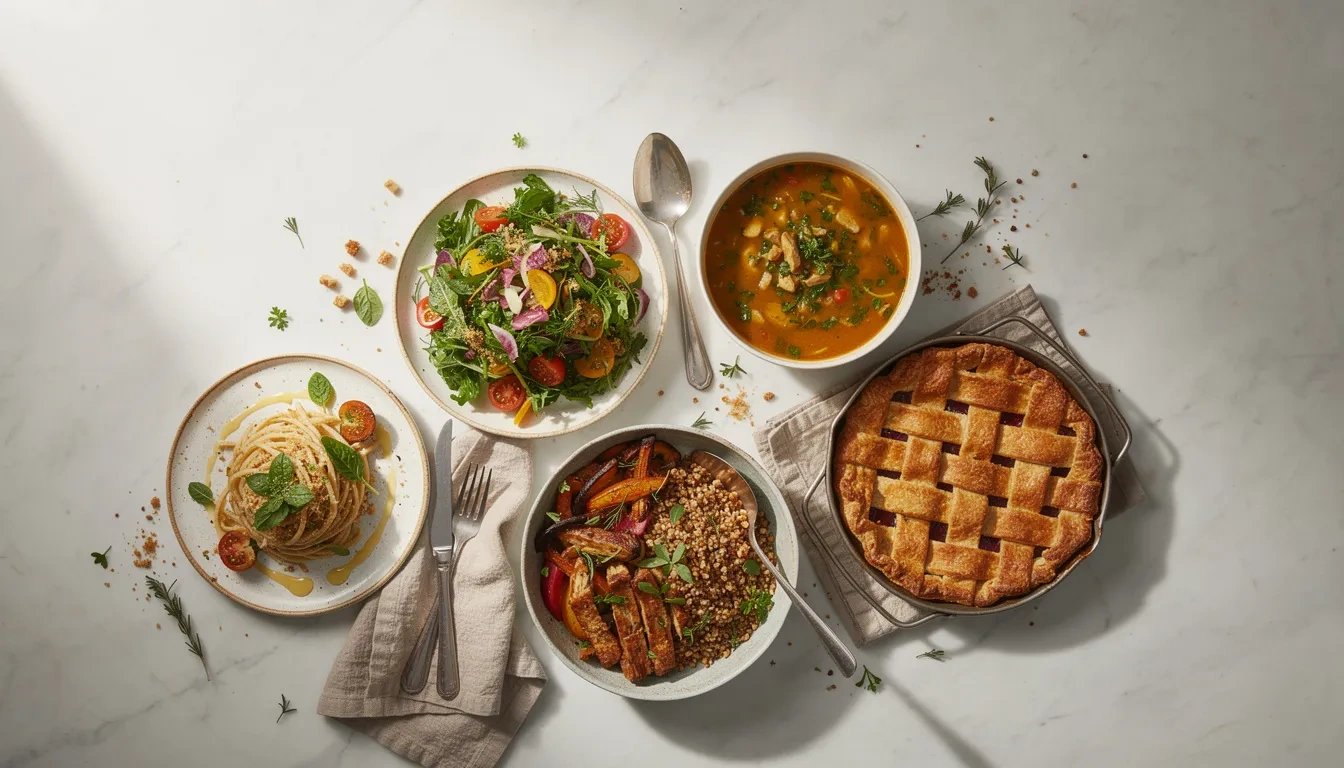
Side vegetables are the quiet workhorses of a meal: they bring colour, freshness and contrast, and they can be as simple as a pan of greens or as involved as a roasted medley. The most helpful way to choose is by cooking method, because that determines texture and how the vegetables sit alongside the main dish. A fast sauté gives gloss and bite; roasting gives sweetness and browned edges; blanching keeps colour and a clean flavour. Once you decide on the texture you want, seasoning becomes straightforward.
Quick-cooked greens, such as spinach or tender cabbage, are often about speed and seasoning: garlic, chilli, lemon and a little fat go a long way. Steamed or blanched vegetables keep a purer flavour and brighter colour, especially when finished with butter, olive oil or a sharp dressing. Roasted vegetables trade freshness for depth, concentrating sweetness and creating crisp edges, which pairs well with simple proteins. Sautéed or stir-fried vegetables sit between the two, keeping some snap while picking up browned notes from the pan. Vegetable gratins and creamy bakes are richer and softer, useful when the main dish is lean or when you want the side to feel substantial.
Harissa-roasted vegetables finished with lemon and coriander
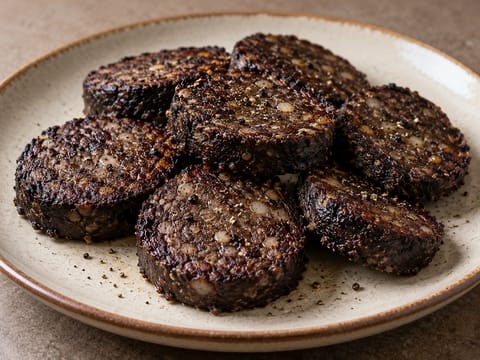
Pan-fried black pudding, crisp outside and tender inside
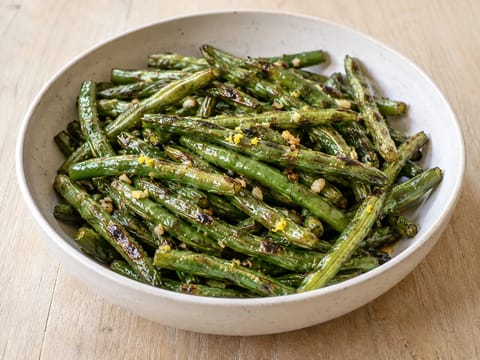
Air-fried green beans with garlic, lemon and olive oil.
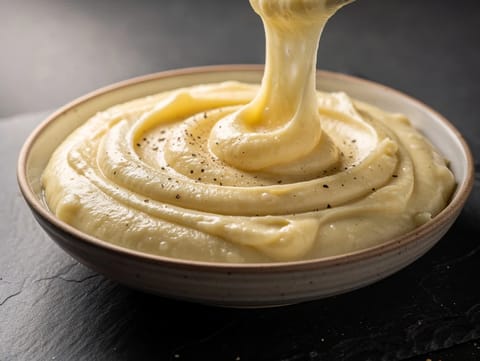
Stretchy potato purée beaten with Tomme cheese and crème fraîche
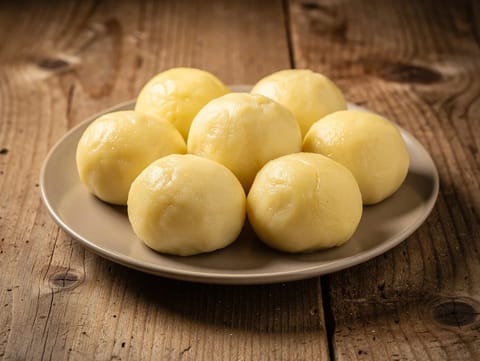
German potato dumplings gently simmered until tender
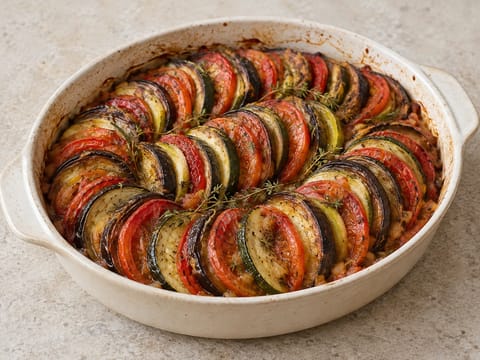
Layered vegetable bake with aubergine, courgette and tomato
Match the side’s texture to what the plate needs. If the main is saucy or soft, choose a side with bite, such as roasted broccoli, sautéed green beans or a crisp slaw-style vegetable dish. If the main is grilled, fried or heavily browned, a simpler vegetable with a clean finish, such as steamed greens with lemon, can stop the meal feeling too heavy. Consider seasoning overlap: if the main is strongly spiced, keep the side more neutral and use herbs or citrus; if the main is plain, the side can carry more punch with chilli, anchovy, mustard or toasted spices. Finally, think about timing. Vegetables that cook quickly can be started late, while roasts and bakes want a head start.
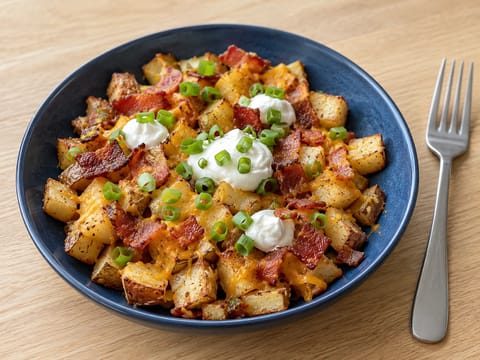
Crispy potatoes loaded with bacon, Cheddar, spring onions and sour cream.
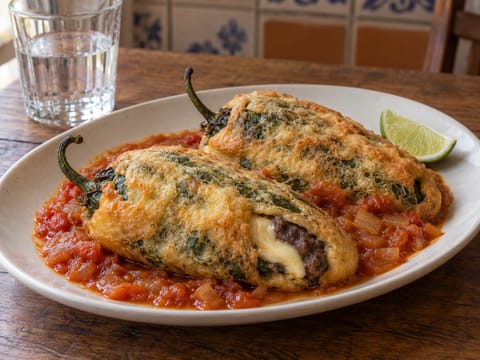
Fried poblano chillies stuffed with beans, cheese and tomato sauce
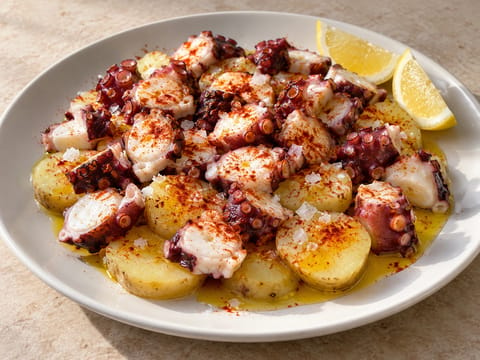
Galician octopus served over boiled potatoes with smoked paprika
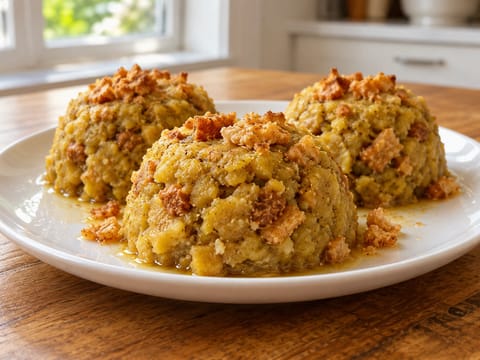
Fried plantain mash with garlic and pork crackling

Twice-fried green plantain tostones with lime and garlic dip
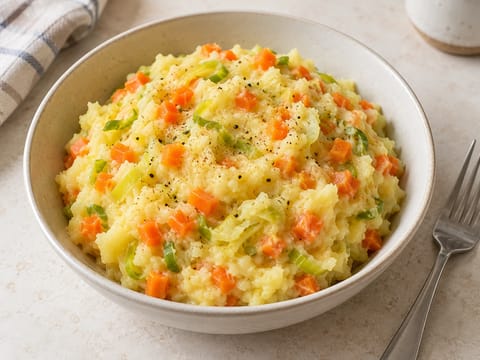
Mashed potatoes with carrots and leeks, enriched with butter
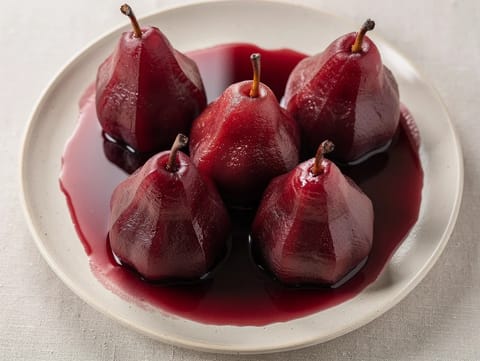
Pears stewed in red wine with cinnamon and cloves
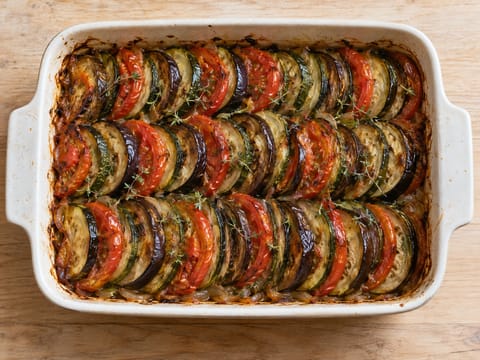
Baked tian of aubergine, courgette and tomatoes
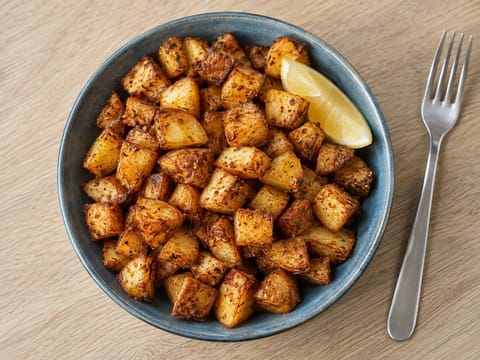
Crispy air fryer breakfast potatoes with smoky seasoning.
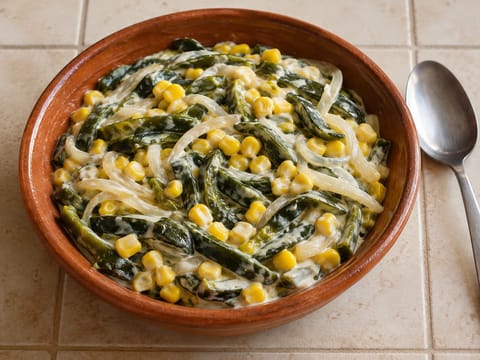
Poblano strips warmed with sweetcorn and Mexican crema
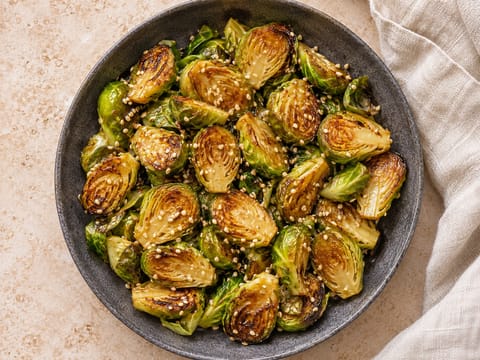
Pan-browned Brussels sprouts with a glossy miso-maple glaze
Most vegetables benefit from a balance of fat, salt and acidity. Fat carries flavour and helps spices bloom; salt draws out sweetness; acidity brightens and keeps the dish from tasting dull. For roasted vegetables, add delicate herbs and citrus at the end so they don’t burn. For steamed or blanched vegetables, a flavoured butter, olive oil with garlic, or a simple vinaigrette gives instant character. Nuts, seeds and breadcrumbs add crunch to soft vegetables, while grated hard cheese or a spoonful of yoghurt-style sauce can add savoury depth. If you’re using strong umami ingredients such as soy sauce, miso or anchovy, use them as seasoning rather than as the main flavour so the vegetable still tastes like itself.
Cooking method is especially useful for side vegetables because it’s the quickest way to choose between crisp-tender, silky, or deeply roasted results. Cuisine can also help when you want a familiar seasoning direction, such as garlic-and-lemon Mediterranean approaches or soy-and-sesame East Asian styles, while still keeping the vegetable centre stage.
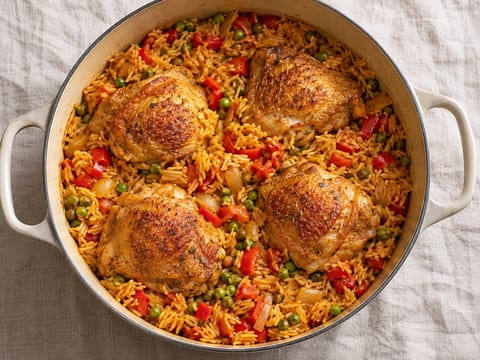
One-pan chicken and rice with peppers and peas

Semolina and yoghurt basbousa cake soaked in sugar syrup
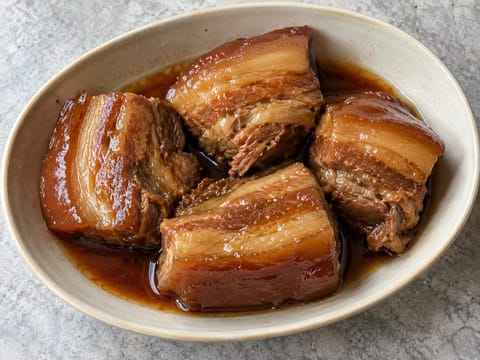
Japanese braised pork belly simmered in soy, sake and mirin
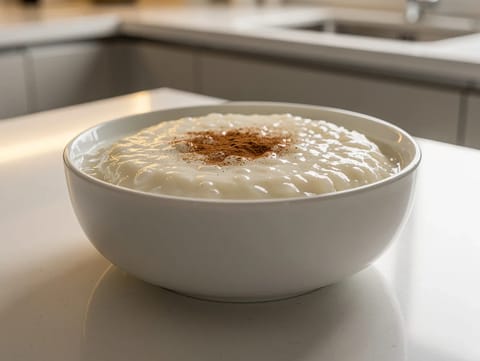
Chilled Turkish rice pudding with vanilla and cinnamon

Sponge cake layered with ricotta cream and sliced pears
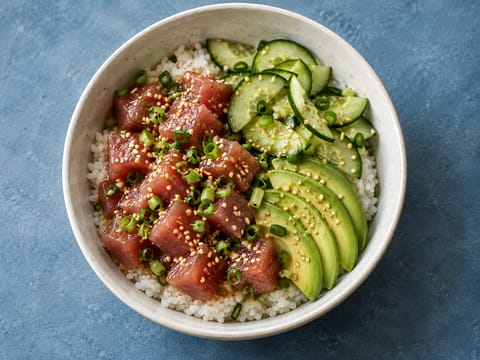
Tuna poke bowl with sushi rice, sesame and soy.
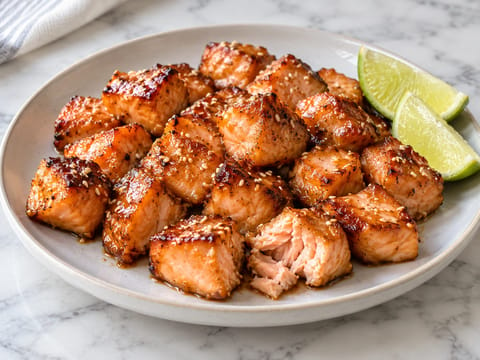
Glazed air-fried salmon bites with soy, sesame and lime.

Toasted buns filled with saucy minced beef, ketchup and mustard
Cook them briefly and avoid prolonged heat. Blanching and quick sautéing help, and finishing with a little acidity can keep flavours lively even when the colour naturally dulls slightly.
Crowding traps steam. Use a hot oven, spread vegetables in a single layer with space, and avoid adding watery ingredients too early.
Finish with a deliberate seasoning: a squeeze of lemon, a spoon of vinaigrette, chilli oil, toasted nuts, or a little cheese. A final garnish often matters more than extra cooking.
It depends. Salting before roasting can help draw out moisture and season throughout, but it can also make some vegetables release water. For steamed vegetables, salting at the end with butter or oil gives clean control.
Go for freshness and acidity: lightly cooked greens, a sharp dressing, or pickled elements alongside. Crisp textures help the plate feel less heavy.
Pick side vegetables by the texture you want on the plate, then season to complement the main dish rather than compete with it. With a few reliable methods, you can make vegetables feel intentional even on busy days.
