
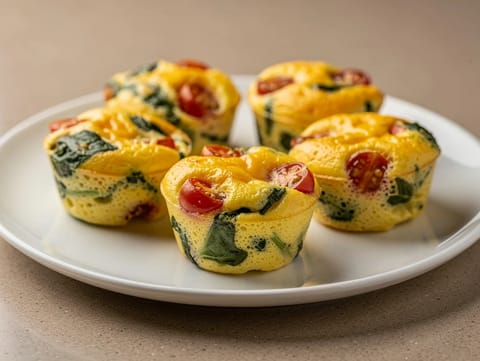
Air Fryer Egg Muffins
Air fryer egg muffins with spinach, tomatoes and cheddar.

An air fryer is essentially a compact, high-powered convection oven: it moves hot air quickly around food to brown and crisp the surface. That makes it useful when you want a dry, roasted finish without heating a full-sized oven, but it also means results depend on airflow and space. If you pack the basket tightly or add very wet coatings, you can end up steaming rather than crisping. This guide helps you judge when an air fryer suits a recipe, and when another approach will be simpler.
Air-fryer recipes are built around fast circulation and a relatively small cooking chamber. You will often see smaller pieces, thinner cuts and single layers, because exposed surface area is what browns. Many recipes also use a light coating of oil rather than deep fat, not because oil is optional, but because a little helps heat transfer and encourages even colouring. An air fryer can mimic some of the texture of frying for foods like chips, breaded cutlets or crisp-skinned vegetables, but it does not behave like a pan of hot oil. Anything that relies on buoyancy in oil, or on a batter setting instantly, usually needs a different method.
Air fryer egg muffins with spinach, tomatoes and cheddar.
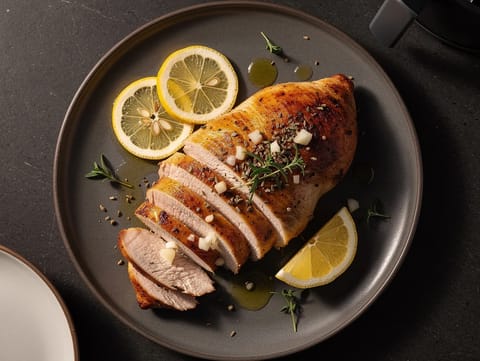
Air fried chicken breasts with herbs, garlic and lemon.
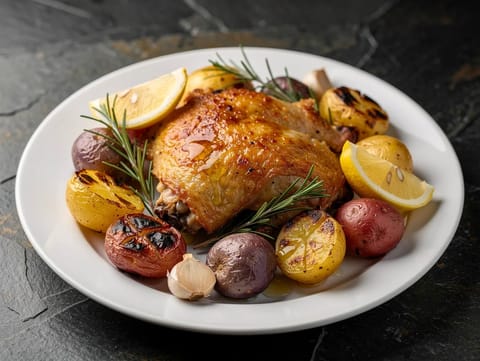
Air-fried chicken thighs with crispy baby potatoes and lemon.
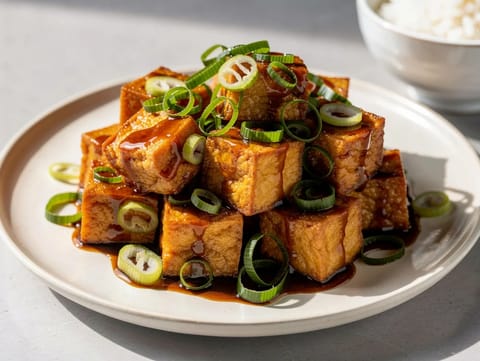
Extra-crispy tofu with a soy and hoisin glaze.
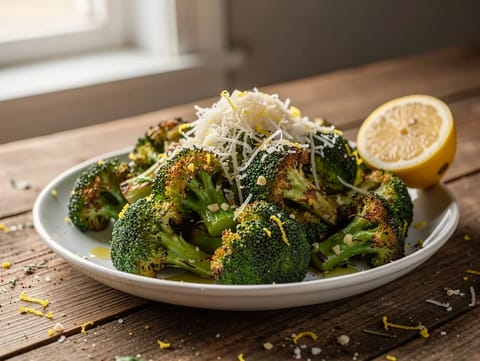
Crisp-tender air-fried broccoli with lemon and Parmesan.
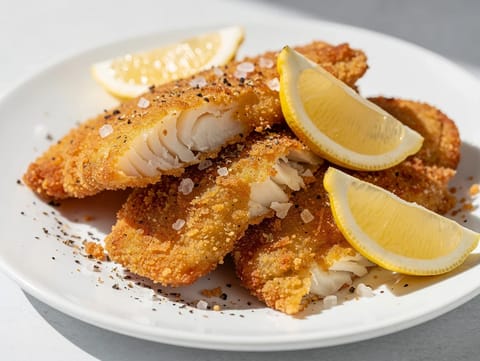
Breaded white fish fillets cooked crisp in the air fryer.
Choose the air fryer when you want quick browning on modest quantities: roasted vegetables, reheated pastries that need their edges crisp again, or small batches of coated foods. A conventional oven is often easier for trays of food, delicate bakes and anything that needs gentle, even heat without strong airflow. The hob still wins for sauces, shallow-frying and tasks where you need to watch and adjust moment by moment. If a recipe includes a wet glaze or a sugary coating, the oven can be more forgiving, as air fryers can concentrate heat and cause hot spots that darken quickly.
Yeasted air fryer donuts glazed with vanilla icing and left to set.
Air fried yeasted donuts, brushed with butter and coated in cinnamon sugar.
Blueberry scones are air-fried until risen and golden, then served warm.
Chicken breast is air-fried with garlic, herbs, olive oil and lemon.
Air-fried beef and broccoli finished with soy, oyster sauce, garlic and ginger.
Air fryer char siu pork is basted while cooking for a sticky glaze.
Crispy air-fried chicken coated in a sweet, tangy, spicy sauce.
Bread soaked in egg and milk custard is air-fried and served with berries.
Buttermilk-soaked chicken is flour-coated and air-fried until crisp.
Air-fried potatoes are topped with bacon, Cheddar, spring onions and sour cream.
Crowding is the big one: when pieces touch, moisture has nowhere to go, so food softens instead of crisping. Cook in batches or use a rack if your model allows it. Another frequent issue is smoke from dripping fat or sugary marinades hitting a hot base; lining the bottom with a little water (where safe for your model) or choosing a less sugary finish can help. Finally, remember that strong airflow can lift light toppings. Press crumbs on firmly, chill coated items briefly if the recipe allows, and add delicate herbs or grated cheese towards the end so they do not blow around and burn.
If you are deciding between air-frying and another approach, browsing by Cooking method helps you compare outcomes such as roasting, grilling or shallow-frying. Difficulty is also useful here, because air-fryer recipes can be simple but still require attention to spacing, turning and timing to avoid uneven browning.
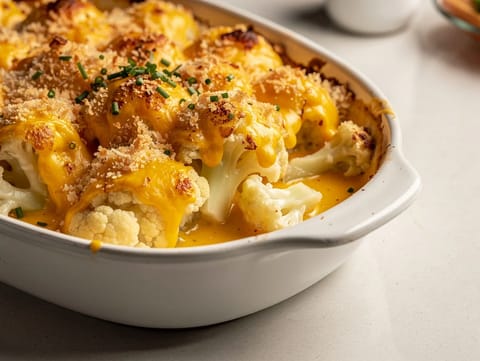
Cauliflower baked in Cheddar and mustard sauce with breadcrumbs
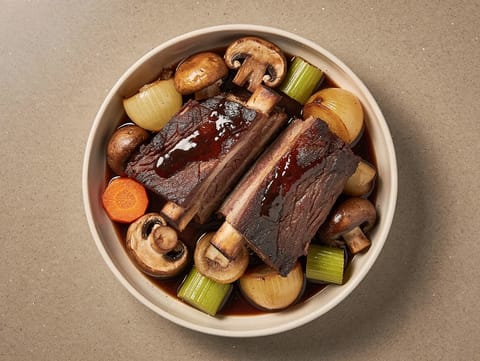
Red wine braised beef short ribs with mushrooms and onions
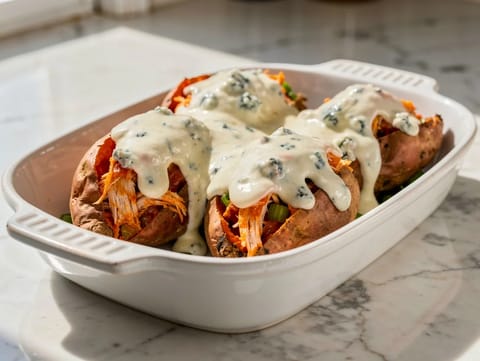
Sweet potatoes stuffed with Buffalo chicken and blue cheese yoghurt

Chicken stew in toasted pumpkin seed sauce
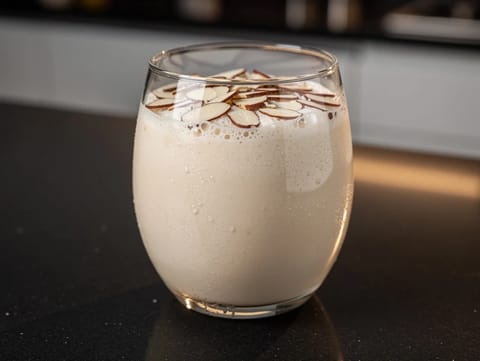
Vanilla almond smoothie with banana, Greek yoghurt and ice
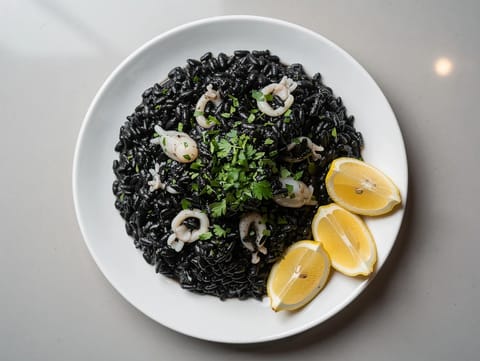
Spanish squid ink rice cooked with squid and fish stock
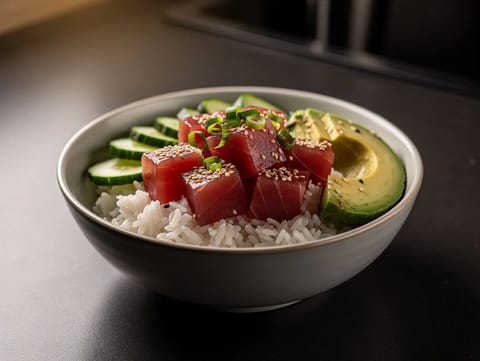
Ahi tuna poke over sushi rice with avocado and cucumber.
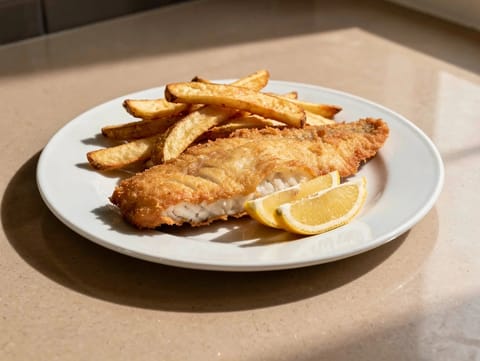
Crispy breadcrumb fish with chunky air fryer chips.
They work on the same principle: a fan circulates hot air. Air fryers are smaller and often move air more aggressively, so they can brown quickly but are less forgiving if food is crowded.
Some recipes assume a hot chamber for immediate browning; others do not. If you want the crispest exterior, a short preheat can help, but follow the recipe and your model’s guidance.
Usually there is too much moisture or not enough airflow. Dry the surface, use a light oil coating where appropriate, and avoid stacking or tightly packing the basket.
Often yes, but it must not block airflow or touch the heating element. Weight it with food so it cannot lift and contact the element, and use only what your model permits.
Basket size, fan strength, how full the basket is and the starting temperature of the food all change how quickly heat reaches the centre and how fast the surface browns.
Wet batters, very saucy dishes and delicate bakes can be tricky because strong airflow can disturb surfaces and concentrated heat can brown before the centre is ready.
When a recipe depends on a crisp surface, quick browning and a single layer of food, the air fryer is usually a good fit. When it depends on gentle heat, lots of sauce or a full tray, you will often have an easier time with the oven or hob.
