
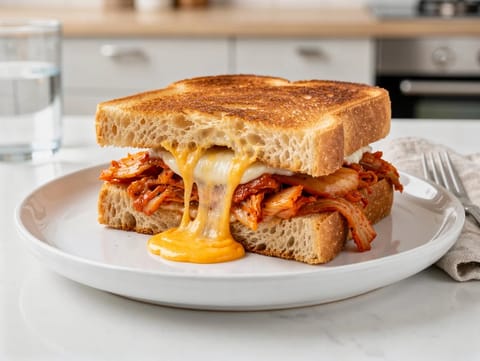
Modern Kimchi Grilled Cheese Toastie
Buttered toastie with cheddar, mozzarella and chopped kimchi

Spatula is one of those words that can mean two quite different tools: a flat turner for flipping and lifting, or a flexible scraper for folding and cleaning out bowls. Recipes that mention a spatula are usually signalling a particular kind of handling, quick turning in a hot pan, or gentle mixing without knocking out air. Knowing which spatula is meant saves time and reduces breakage, whether you’re turning fish, folding cake batter, or scraping a thick sauce from the sides of a saucepan.
A turner spatula is thin and flat, designed to slide under food and lift it cleanly. It’s the tool for pancakes, burgers, fritters and anything you need to flip without tearing. A scraper spatula is flexible, often silicone, and is meant to follow the curve of a bowl or pan so you can fold mixtures and waste less.
Some recipes use the word loosely, but the context usually tells you which is intended: “flip” and “turn” point to a turner; “fold”, “scrape” and “stir through” point to a scraper. Keeping that distinction in mind makes the method feel smoother and more controlled.
Buttered toastie with cheddar, mozzarella and chopped kimchi
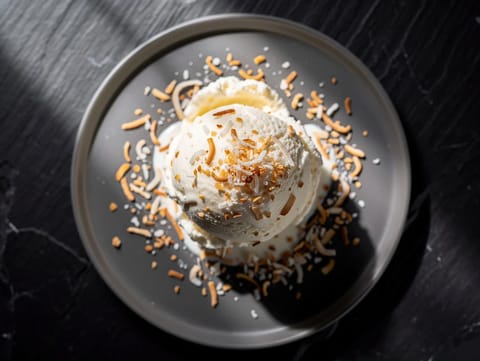
No-churn coconut ice cream made with double cream and coconut milk
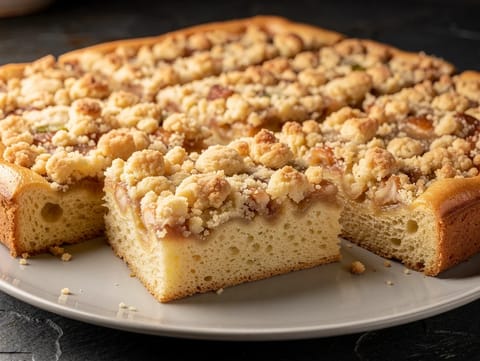
German yeasted crumb cake with a thick buttery streusel topping
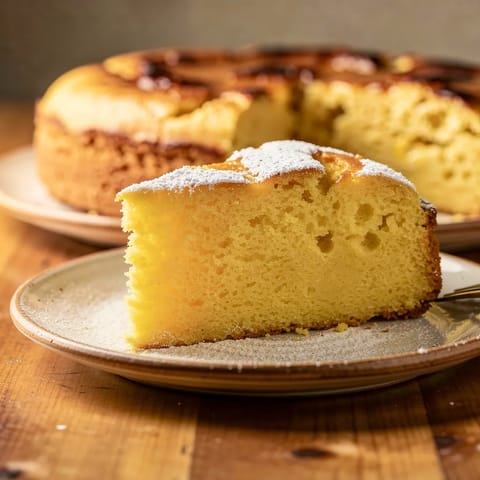
Mexican corn cake made with sweetcorn
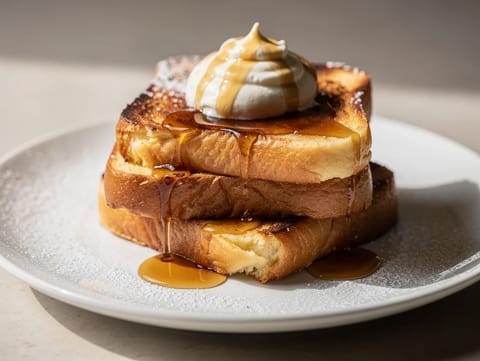
Custard-soaked brioche French toast with crème fraîche and maple syrup
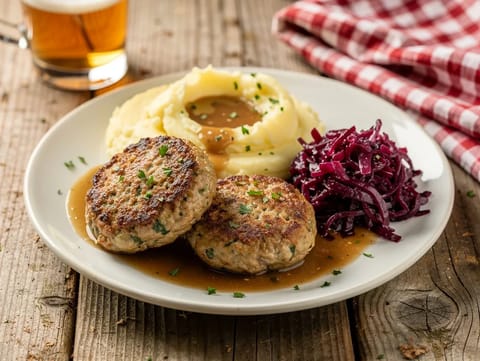
German pan-fried meat patties made with beef, pork and mustard
For flipping in a frying pan, look for a thin leading edge that can get under browned food without forcing it. A wider blade supports fragile items like fish fillets; a narrower one is nimble for smaller pieces.
For mixing and folding, flexibility matters more than width. A scraper that bends easily will fold batters and whipped mixtures with fewer strokes, which helps when you’re trying not to deflate them.
Material affects workflow too. Silicone scrapers are useful around non-stick cookware and for sticky mixtures; metal turners are excellent for crisp-edged foods in stainless steel or cast iron, where you want a firm edge to release the crust.
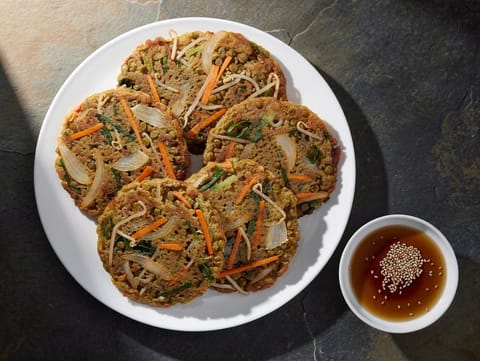
Korean mung bean pancakes with vegetables and a soy dipping sauce
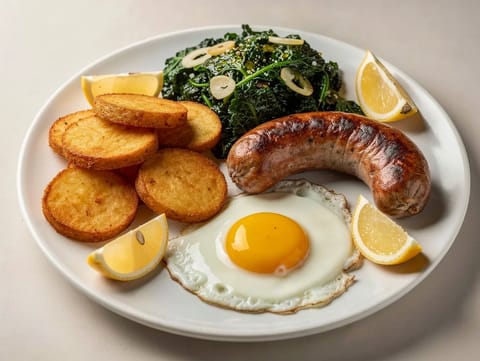
Pan-fried alheira sausage served with chips, egg and greens
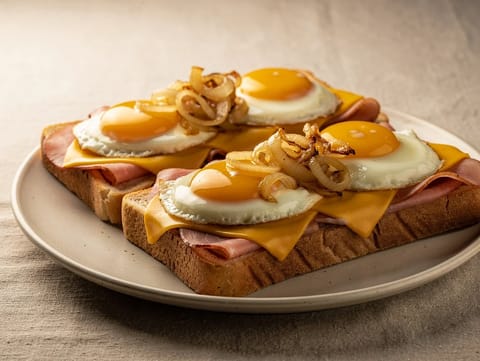
Dutch open sandwich with fried eggs, ham, cheese and onions
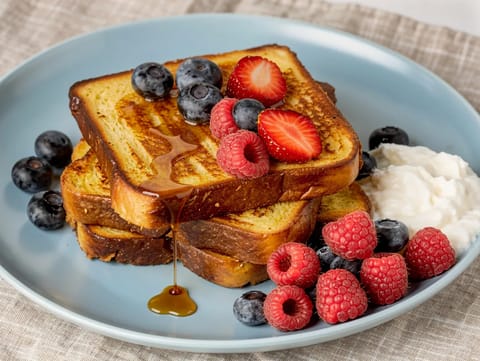
Brioche French toast with Greek yoghurt, berries and maple syrup
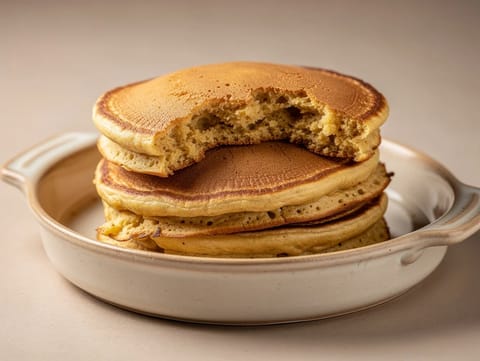
Banana oat pancakes blended with soy protein and cooked until golden
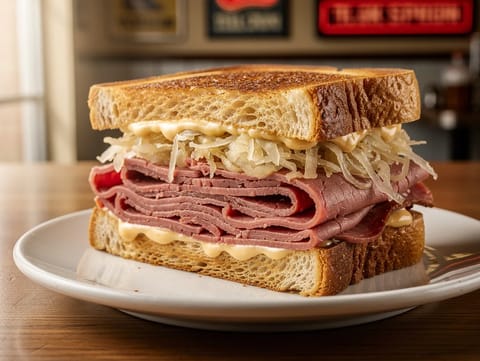
Toasted rye sandwich with corned beef, Swiss and sauerkraut
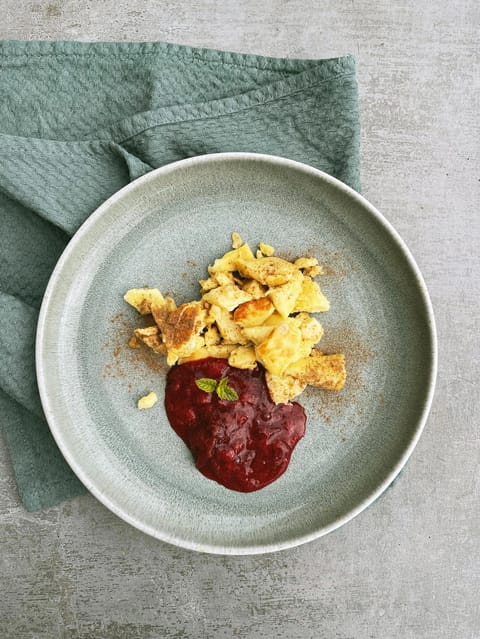
Fluffy shredded pancake dusted with icing sugar and plum compote
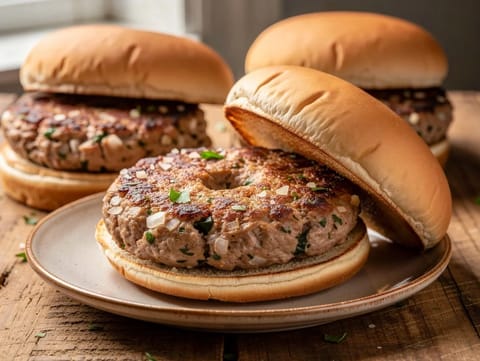
Tender air fryer turkey burgers with onion and herbs.
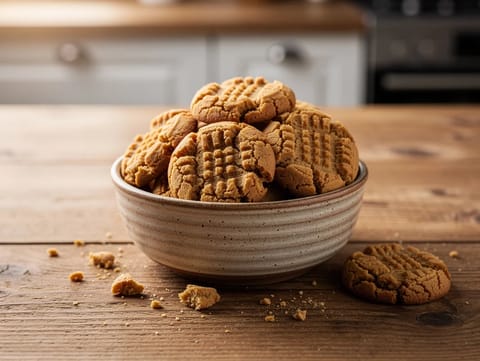
Air fryer peanut butter cookies with tender centres and set edges.
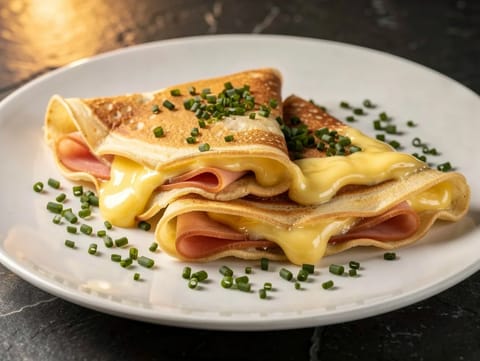
Golden savoury pancakes with ham and melted Emmental
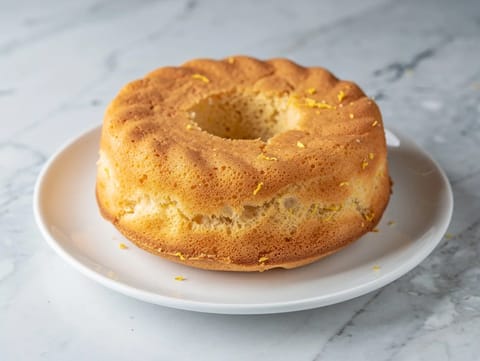
Italian breakfast ring cake with lemon zest, mixed in one bowl
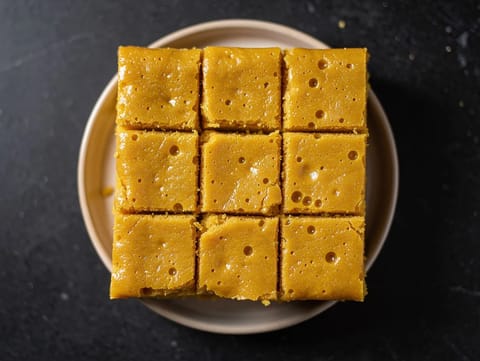
South Indian chickpea flour fudge cooked with ghee and sugar syrup
Match the spatula to the heat and the pan. Some plastics soften near high heat, and a very flexible scraper can be awkward for turning heavy foods. With non-stick pans, avoid sharp metal edges that can scratch the coating. If you’re working with sugar syrups or very hot fat, use a utensil that’s rated for high temperatures and keep your hands clear of splatter when turning.
Cooking method pairs naturally with spatula use: flipping, folding and scraping show up differently in frying, baking and sauce-making. Difficulty can also be a useful lens, because some techniques depend on confident handling, such as turning delicate fish or folding airy batters without overmixing.
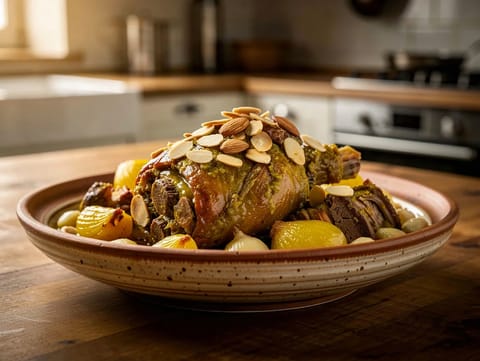
Slow-cooked lamb tagine finished with honey and almonds
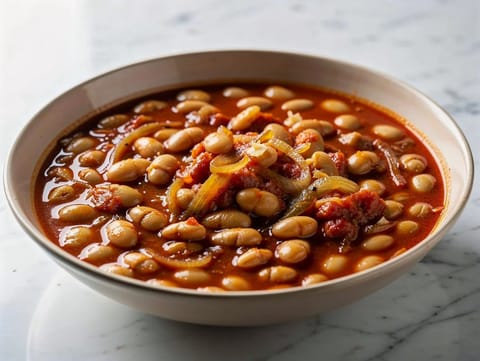
Moroccan white bean stew in a tomato sauce with cumin
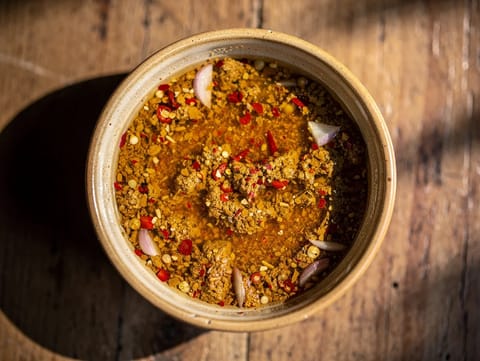
Spicy Thai dipping sauce with lime, tamarind and toasted rice powder
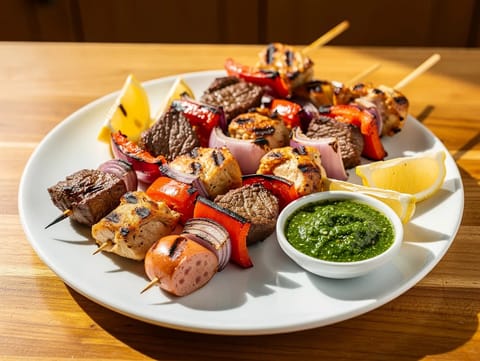
Mixed grill of beef, pork and chicken with chimichurri
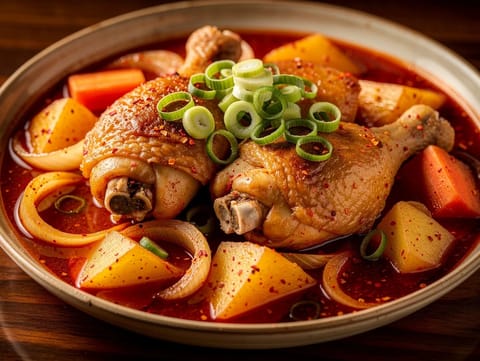
Spicy Korean chicken stew with potatoes, carrots and spring onion
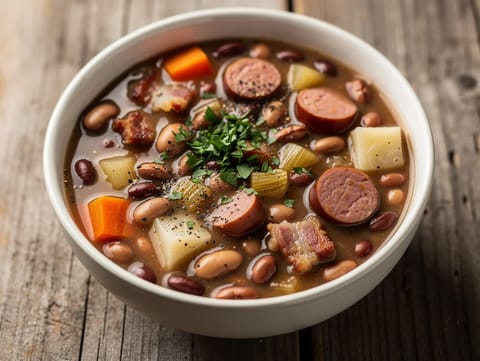
Thick brown bean soup with bacon and smoked sausage
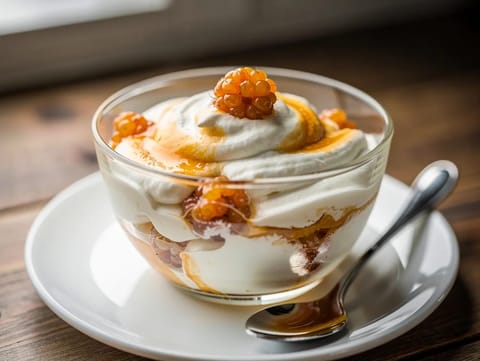
Cloudberries folded into lightly sweetened whipped cream
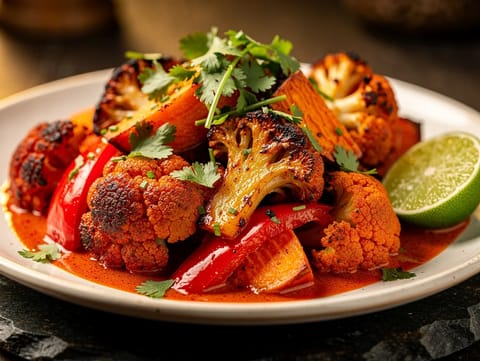
Roasted vegetables coated in red curry and coconut milk
A fish slice is a type of turner spatula, usually thin and flexible with slots, designed to slide under delicate foods. Many people use the terms interchangeably, but the fish slice is more specialised.
It’s very useful for folding and scraping bowls clean, but not essential. A large metal spoon can fold mixtures, though it won’t scrape as thoroughly.
Often the spatula edge is too thick, or the pancake hasn’t set enough to release. A thinner turner and a little more time for the surface to brown usually help.
It depends on the pan and the spatula edge, but sharp metal can scratch many non-stick coatings. A nylon or silicone turner is the safer choice for most non-stick cookware.
For turning, a palette knife or fish slice works similarly, and tongs can handle sturdier items. For scraping and folding, a wooden spoon can substitute, though it leaves more mixture behind.
Folding is a gentle mixing action. A flexible scraper spatula lets you lift and turn the mixture with fewer strokes, which helps keep air in whipped egg whites or cream.
Once you know whether you need a turner or a scraper, spatula instructions become much clearer. Choose the shape and material that match the pan and the technique, and you’ll flip, fold and scrape with less fuss and fewer broken pieces.
