
Dakdoritang (Korean Spicy Chicken Stew with Potatoes and Carrots)
Why this recipe works
- Layered chilli depth: Gochujang, gochugaru, garlic, ginger and soy sauce build a broth that is spicy, savoury and rounded rather than one-dimensional.
- Tender, hearty texture: Bone-in chicken thighs simmer gently with potatoes and carrots, giving the stew a satisfying mix of rich broth, tender meat and soft vegetables.
- Efficient one-pot method: The aromatics, sauce, chicken and vegetables all cook in the same pot, so the flavour develops without a complicated workflow.
Get the most out of this recipe
Adjust the heat
- For less heat: Reduce the gochugaru and keep the gochujang for body and savoury sweetness; the stew will still taste full without being as fiery.
- For more heat: Increase the gochugaru gradually, tasting the broth as it simmers so the chilli stays balanced with the soy sauce and chicken stock.
- Keep the heat rounded: A gentle simmer helps the chilli paste dissolve into the broth, giving a smoother heat than boiling the stew aggressively.
Ingredient notes
- Gochujang matters: Gochujang provides chilli heat, saltiness and fermented depth, so it should not be replaced with plain hot sauce.
- Use Korean gochugaru: Gochugaru has a distinctive coarse texture and fruity warmth that suits Korean stews better than generic chilli flakes.
- Choose bone-in chicken: Bone-in thighs or drumsticks give the broth more body and stay tender through the simmering time.
Common mistakes
- Boiling too hard: Keep the stew at a steady simmer; vigorous boiling can break up the potatoes and make the chicken less tender.
- Adding salt too early: Gochujang, soy sauce and stock already bring salt, so taste near the end before adding any extra seasoning.
- Adding vegetables too soon: Add the potatoes and carrots after the chicken has started cooking so they soften without collapsing into the broth.
Make-ahead tips
- Good the next day: The broth develops further after resting, making leftovers especially flavourful once gently reheated.
- Reheat gently: Warm the stew over medium-low heat until piping hot, adding a splash of water if the broth has thickened in the fridge.
- Freezer friendly: Cool the stew quickly, freeze in sealed containers, then defrost overnight in the fridge before reheating thoroughly.
Equipment you'll need
Ingredients
Instructions
- Halve and slice the onion. Peel the garlic and ginger, then finely grate the ginger and crush the garlic.
- Heat the toasted sesame oil in a dutch oven over medium heat. Add the onion and cook for 4 to 5 minutes until softened and starting to turn translucent.
- Stir in the garlic and ginger and cook for 30 to 60 seconds until fragrant. Add the gochujang and gochugaru and cook for 1 minute, stirring, to toast the spices slightly.
- Pour in the soy sauce and chicken broth, scraping the base of the pot to loosen any stuck bits. Bring to a gentle boil.
- Add the chicken thighs, turning them so they are mostly submerged. Reduce to a steady simmer, cover, and cook for 15 minutes.
- Meanwhile, peel the potatoes and carrots, then cut them into chunky, bite-sized pieces. Trim the spring onions and slice them, keeping a small handful aside for serving.
- Add the potatoes and carrots to the pot, then return to a simmer. Cover and cook for 15 to 18 minutes until the vegetables are tender and the chicken is cooked through.
- Stir in most of the spring onions and simmer uncovered for 3 to 5 minutes to slightly thicken the broth. Taste and adjust by simmering a little longer for a stronger, more concentrated flavour.
- Serve the stew hot, topped with the reserved spring onions. Spoon plenty of the spicy broth over each portion.
Recipe notes
Serving suggestions
This recipe pairs well with:
Tips
- For a cleaner, less oily broth, skim any foam from the surface during the first 10 minutes of simmering.
- Keep the simmer gentle so the potatoes hold their shape and the chicken stays tender.
- If serving vulnerable groups, make sure the chicken is fully cooked through and piping hot before serving.
Substitutions
- Replace Chicken thighs with Chicken drumsticks for a similar bone-in result; simmer until the meat is tender and cooked through.
- Replace Low-sodium chicken broth with Chicken stock for a richer, slightly saltier base, then reduce the Soy sauce to taste.
- Replace Toasted sesame oil with Olive oil for a milder finish, then add the spring onion at the end for freshness.
Storage
- Refrigerate up to 3 days
- Cool quickly, then refrigerate in a sealed container. Reheat gently in a saucepan over medium-low heat until piping hot, adding a splash of water if the stew has thickened; freeze for up to 2 months and defrost overnight in the fridge before reheating.
Ratings & reviews
Liked this recipe? Share your feedback to support our cooking community.
Tried this recipe?
Choose 1–5 stars. A comment is optional.
Stay inspired
Discover new recipes, seasonal favourites and cooking inspiration every day. Follow JustRecipes on Pinterest and Spillt.

Recipe overview
- Servings: 3 servings
- Total time: 55min (20min active)
- Difficulty: Medium
- Cuisine: Korean
-
Allergens:
Sesame Soybeans
Plan your meals and get a complete grocery list automatically.
Add to meal plannerEquipment you'll need
Got ingredients left?
Find recipes using ingredients from this recipe or what you already have at home.
Find recipes with these ingredients →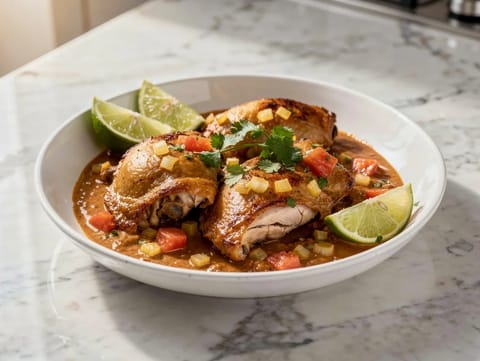
Pollo en Salsa de Chipotle (Chicken in Creamy Chipotle Sauce)
Chicken simmered in creamy chipotle and tomato sauce
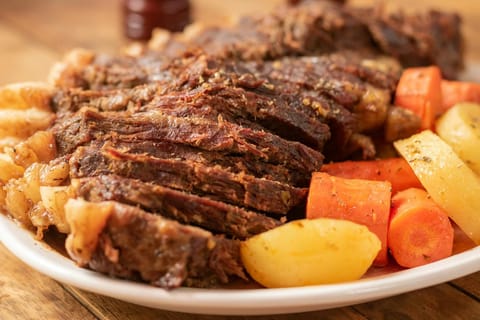
Yankee Pot Roast (Braised Beef Brisket with Vegetables)
Braised beef brisket with carrots, potatoes and gravy
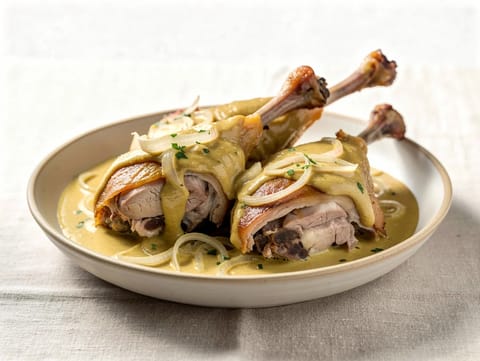
Konijn met Mosterd (Rabbit in Mustard Sauce)
Braised rabbit finished with Dijon mustard and double cream
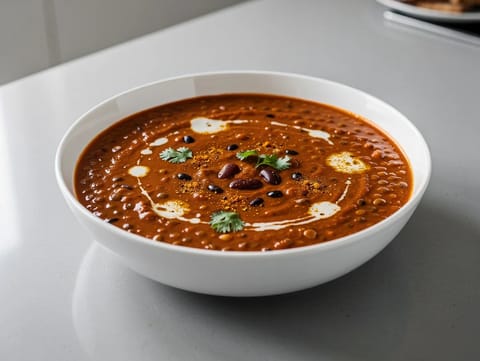
Dal Makhani (Black Lentils)
Creamy black lentils and kidney beans with butter and cream
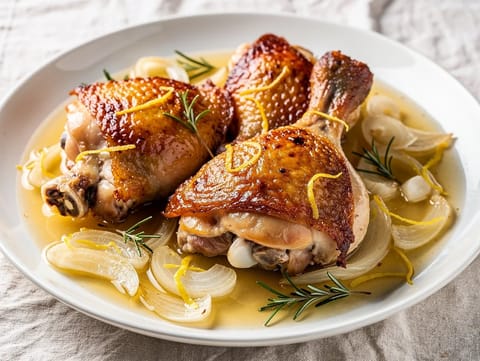
Pollo alla Cacciatora Bianca (White Wine Chicken with Rosemary and Lemon)
White wine chicken thighs simmered with rosemary, garlic and lemon
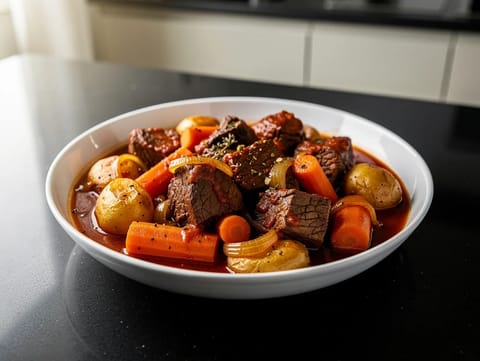
Carne Estufada à Portuguesa (Portuguese Braised Beef)
Portuguese braised beef stew with red wine, carrots and potatoes
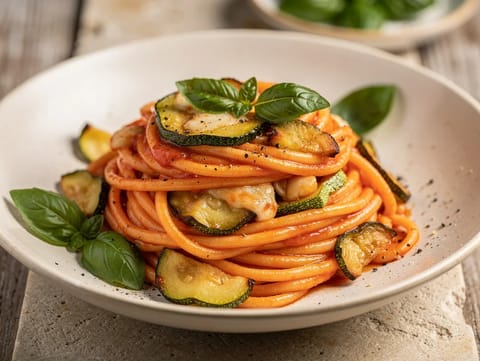
Pasta alla Nerano Rossa (Courgette and Tomato Pasta)
Spaghetti with fried courgettes, tomato sauce, basil and Parmesan
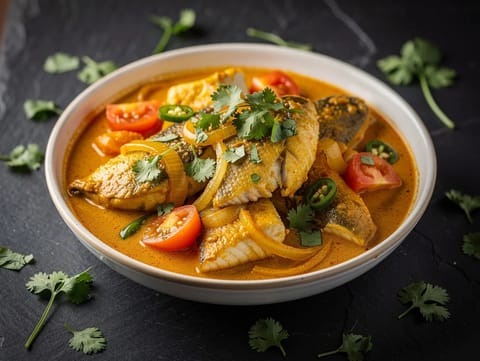
Goan Fish Curry with Coconut and Tamarind
Goan fish curry with coconut milk and tamarind
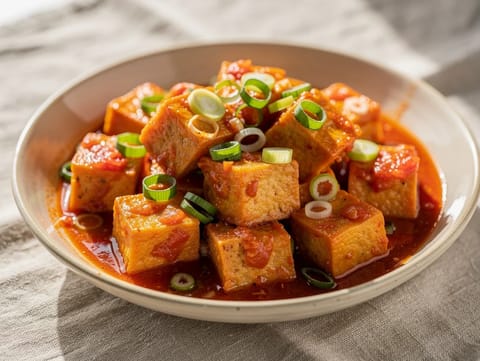
Đậu Hũ Sốt Cà (Tofu in Tomato Sauce)
Tofu simmered in a light tomato sauce with garlic
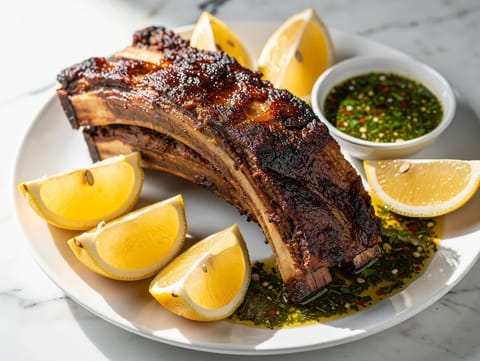
Asado (South American Barbecue with Chimichurri)
Slow grilled beef short ribs served with chimichurri
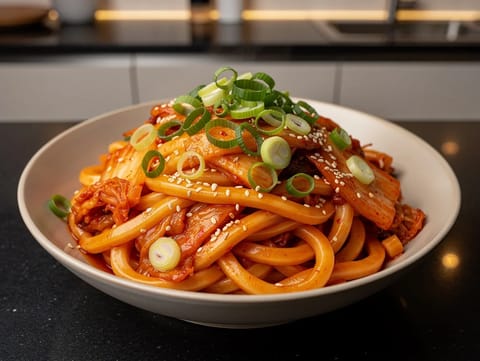
Kimchi Udon Stir-Fry (Modern Fusion)
Kimchi and gochujang udon stir-fry with sesame and spring onions

Cajun Blackened Chicken Thighs
Blackened Cajun chicken thighs finished with lemon
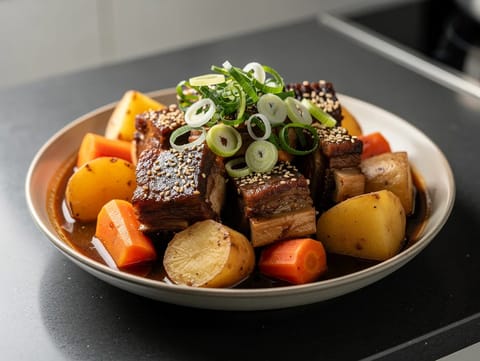
Galbijjim (Korean Braised Beef Short Ribs with Carrots and Potatoes)
Korean braised beef short ribs with potatoes and carrots
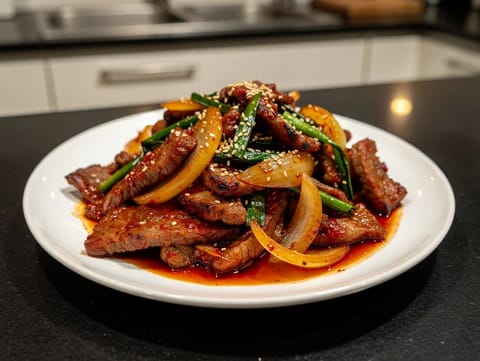
Dwaeji Bulgogi (Korean Spicy Pork Stir-Fry with Onion)
Spicy Korean pork stir-fry with onion and spring onions
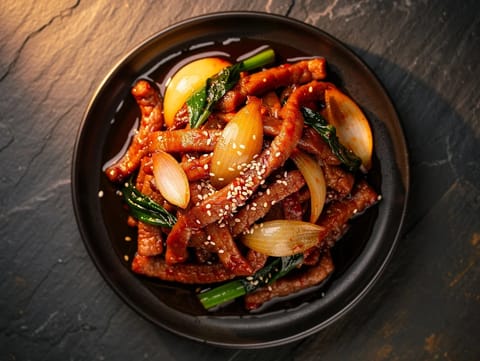
Jeyuk Bokkeum (Spicy Pork Stir-Fry)
Spicy gochujang pork stir-fry with onion
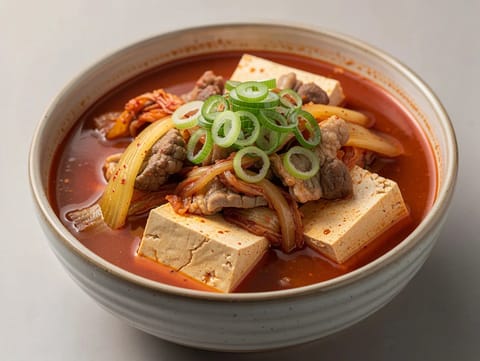
Kimchi Jjigae (Korean Kimchi and Pork Belly Stew with Tofu)
Korean kimchi and pork belly stew finished with soft tofu
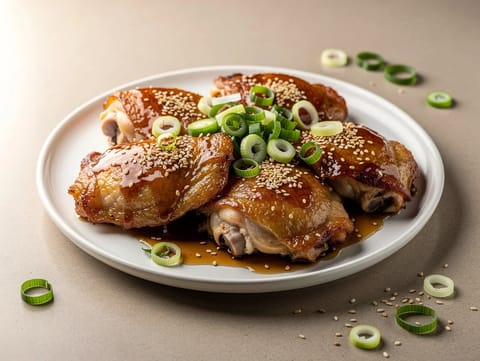
Air Fryer Honey Garlic Chicken Thighs
Air-fried chicken thighs in a sticky honey garlic glaze.
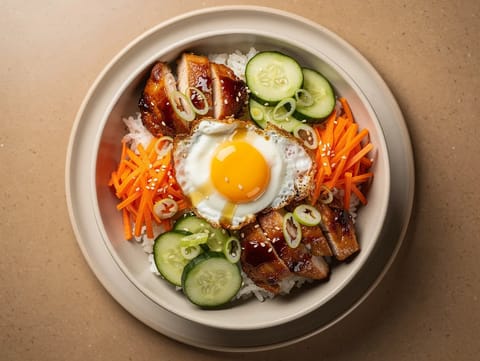
Korean Chicken Rice Bowl
Chicken and rice bowl with gochujang soy glaze.
You might also like
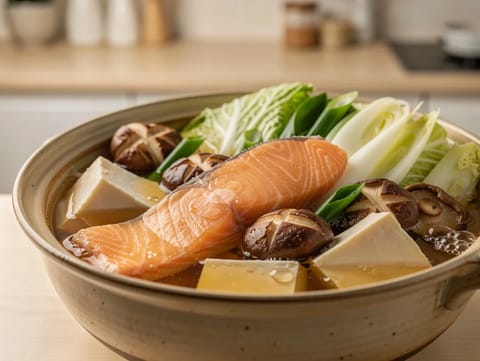
Ishikari Nabe (Salmon and Miso Hot Pot)
Salmon and tofu hot pot simmered in a savoury miso broth
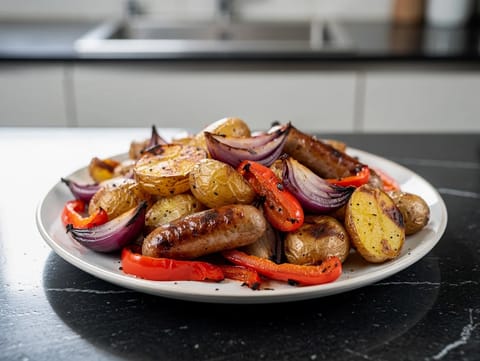
Air Fryer Sausage and Vegetable Traybake
Pork sausages and vegetables cooked together in the air fryer.

Eggnog (Spiced Milk Punch)
Chilled eggnog with milk, cream, vanilla and nutmeg
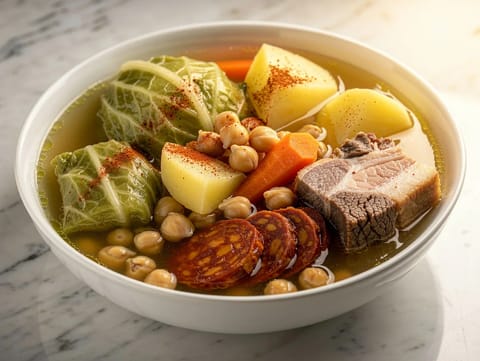
Cocido Madrileño (Madrid Chickpea Stew with Beef, Pork and Chorizo)
Madrid chickpea stew with beef, pork belly and chorizo

Rosół (Polish Chicken Broth with Root Vegetables)
Clear Polish chicken broth simmered with root vegetables
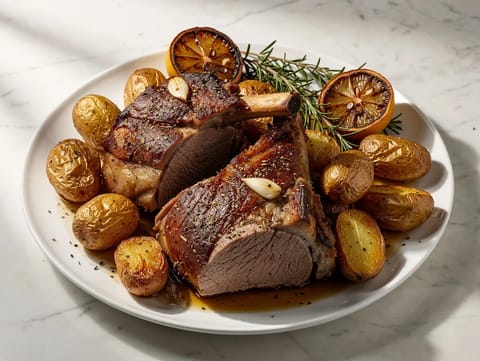
Greek Christmas Lamb Roast with Lemon, Garlic and Potatoes
Greek-style roast lamb with lemon, garlic and tray potatoes
Make this recipe easier next time
AdvertisementThese tools help you get better results with less effort.
Misen 8-Inch Chef Knife
- AUS-10 steel
- Balanced design
- Less traditional feel
Titanium & PP Double-Sided Cutting Board
- Separate surfaces for meat and produce
- Resists odors and stains
- Harder on knife edges than wood or plastic
WÜSTHOF Classic 8-Inch Chef's Knife
- Excellent build quality
- Reliable edge retention
- Expensive
OXO Good Grips 2-Piece Cutting Board Set
- Two useful sizes with reversible cutting surfaces
- Dishwasher safe and easy to clean
- Plastic surfaces will show knife marks over time
Enjoy cooking with JustRecipes?
Add JustRecipes as one of your preferred Google sources to discover our recipes more easily across Google Search.
Add JustRecipes to GoogleEvery recipe on JustRecipes follows the same structured editorial process. Learn how recipes are created, validated, translated, illustrated, and continuously improved across the platform. How we create recipes.
