
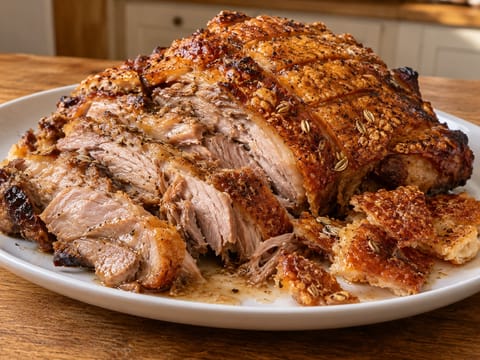
Slow-Cooked Pork Shoulder with Crackling
Slow-roasted pork shoulder with crisp crackling and roasting juices

A kitchen thermometer turns “looks done” into a clear decision, which is useful whenever colour and timing are unreliable guides. That includes thick cuts of meat, delicate fish, custards, deep-frying and sugar stages, where a few degrees can change texture quickly. Thermometers also reduce the need to cut into food to check it, which helps retain juices and keeps coatings intact. The trick is matching the thermometer to the task and using it correctly. A fast probe, a leave-in probe and a sugar thermometer each solve different problems.
An instant-read probe is the general-purpose choice for checking doneness: you insert it briefly, take a reading, and remove it. A leave-in probe is better for roasts and slow cooking, where you want to monitor temperature over time without repeatedly opening the oven. For confectionery and deep-frying, a clip-on sugar thermometer (or a probe designed for high heat) is useful because it can sit in hot syrup or oil without you holding it. The main practical advantage across all types is confidence: you can stop cooking at the point the recipe intends, rather than relying on a fixed time that may not match your pan, oven or ingredient size.
Slow-roasted pork shoulder with crisp crackling and roasting juices
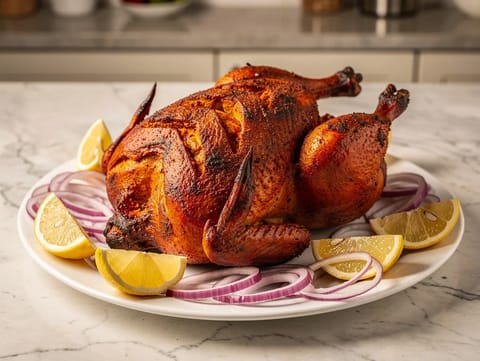
Whole roast chicken in a yoghurt tandoori marinade
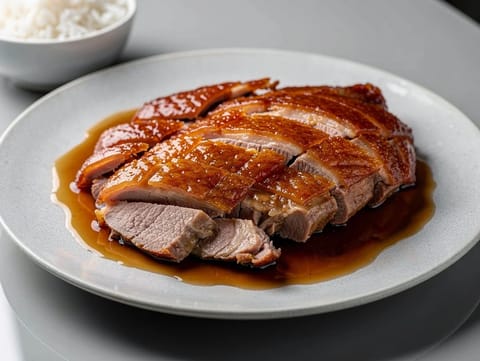
Cantonese roast duck with crisp skin
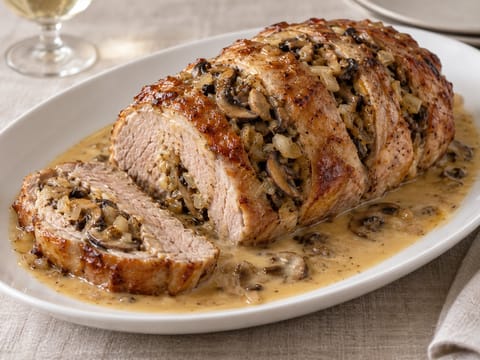
Roast veal layered with mushroom and onion stuffing
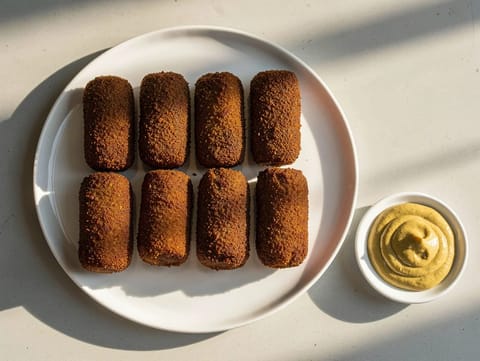
Dutch beef ragout croquettes with a crisp breadcrumb coating
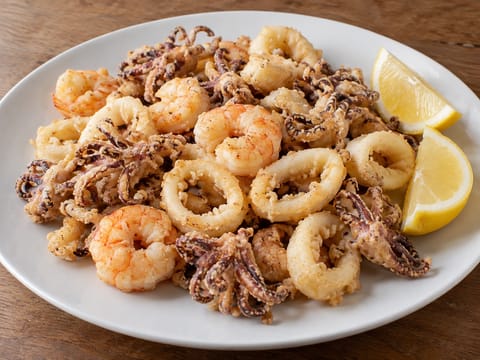
Crisp fried squid and prawns with lemon
Most thermometer problems are technique, not the tool. If you hit bone, the pan, or a pocket of fat, the reading can be misleading. Aim for the thickest part of the food and avoid touching hard surfaces. With thin foods, angle the probe so the tip sits in the centre rather than poking straight through. For liquids, stir first and measure away from the sides of the pan, where heat is highest. Finally, remember carryover cooking: larger pieces can continue to rise in temperature after you take them off the heat. Recipes may account for this, so treat the target temperature as part of the method, not just a number to chase.
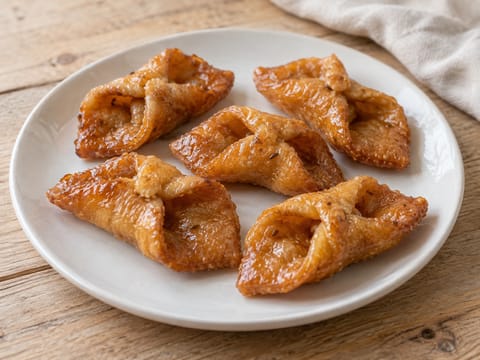
Crisp pestiños glazed with warm honey, anise and orange
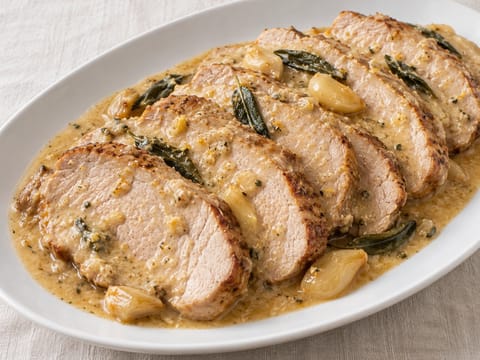
Pork braised in milk with sage, garlic and lemon
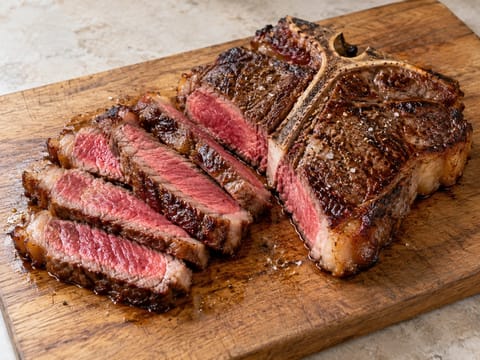
Tuscan T-bone steak, seared and simply seasoned
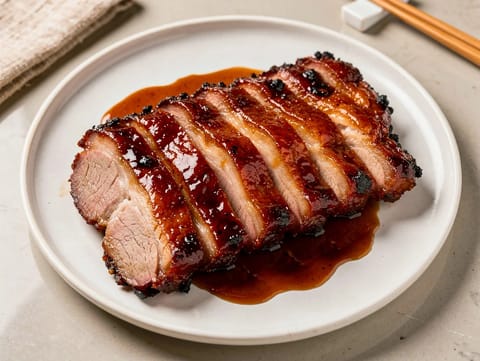
Cantonese barbecued pork with hoisin, honey and soy glaze
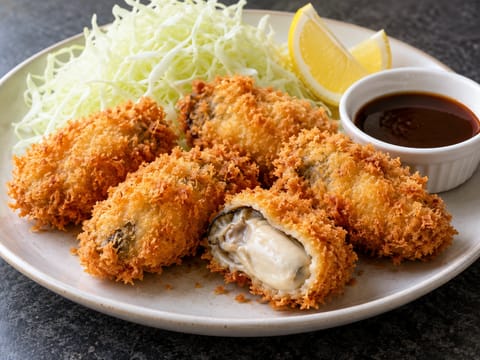
Crisp panko-breaded oysters fried until golden
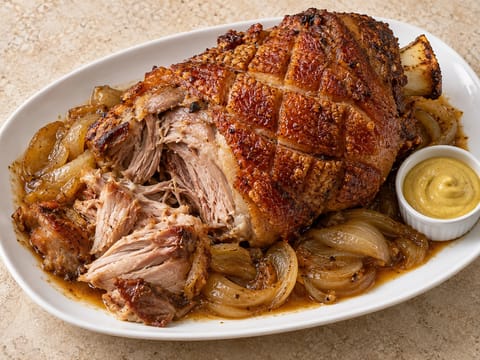
Polish roasted pork knuckle with marjoram, caraway and mustard
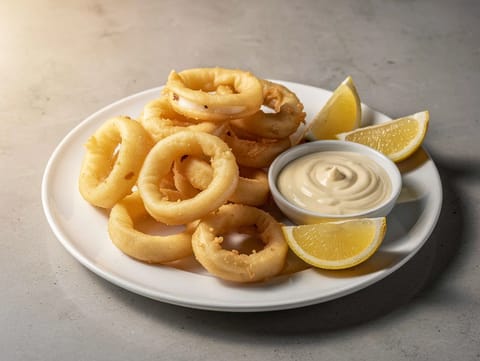
Crispy battered squid rings served with lemon and mayonnaise
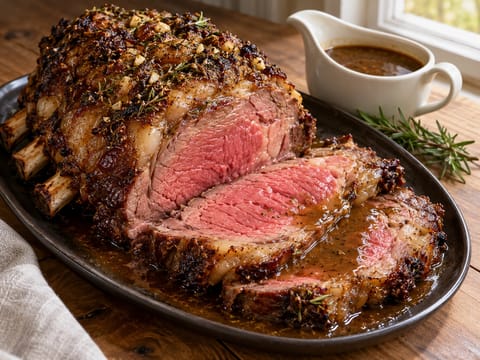
Roast prime rib with rosemary and a simple beef gravy
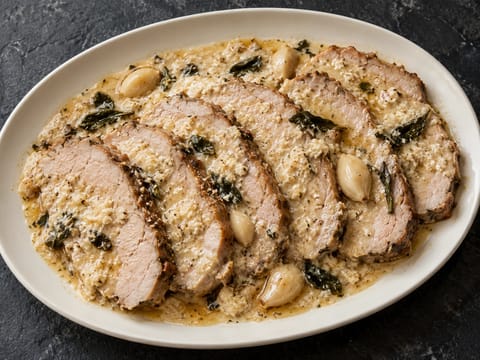
Pork loin simmered in milk with garlic and sage

Tuscan fried pastry ribbons dusted with icing sugar
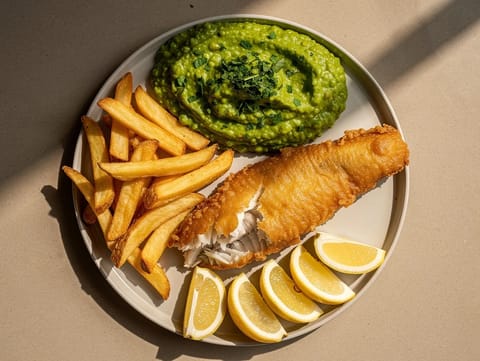
Beer-battered fish and chips with mushy peas
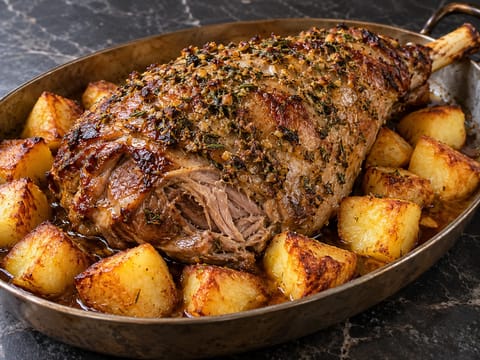
Slow-roasted leg of lamb with rosemary and garlic
A thermometer can support safer cooking, but it is only as reliable as its calibration and your placement. If you suspect yours is inaccurate, check it against boiling water and ice water using the manufacturer’s guidance. Keep probes clean between uses, especially when moving from raw to cooked foods. And if a recipe gives both a temperature and a visual cue, use both: temperature tells you what is happening inside, while colour and texture tell you what is happening on the surface.
Cooking method is a natural next step because thermometers matter most in techniques where temperature control is the method, such as frying, roasting and custard-making. Difficulty can also help you choose: some recipes build in wide margins, while others expect you to act quickly once a target temperature is reached.
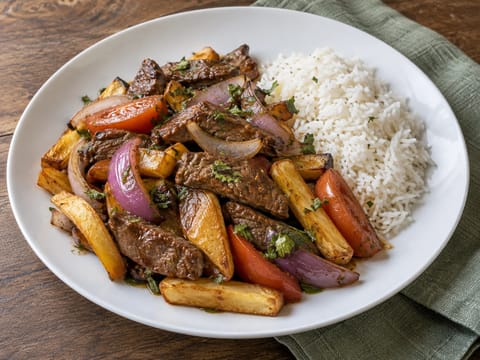
Peruvian beef stir-fry with red onion, tomatoes and soy sauce
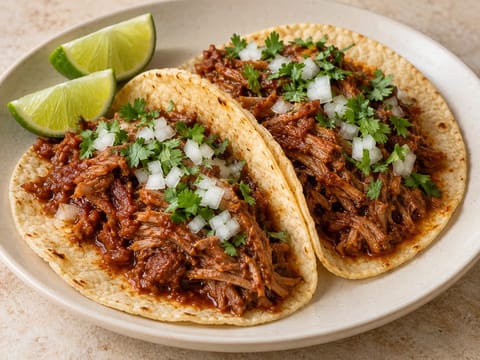
Slow-cooked lamb tacos with guajillo chilli and onion
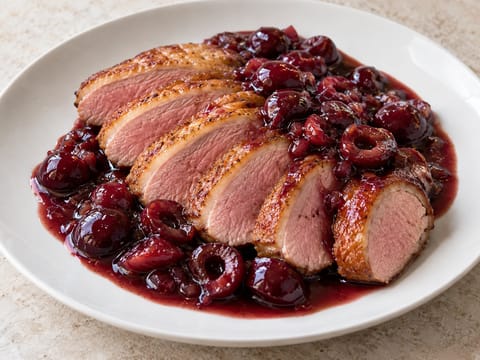
Crisp-skinned duck breast with a quick cherry sauce

Mint lemonade blended with fresh mint, lemon juice and sugar
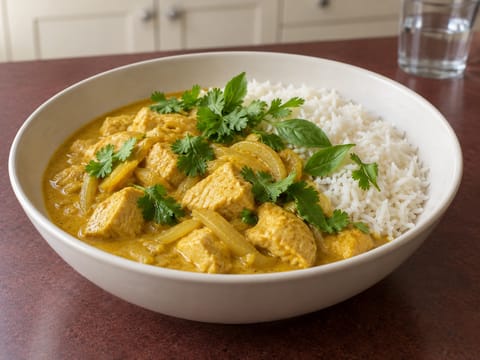
Coconut chicken curry bowl with jasmine rice and lime
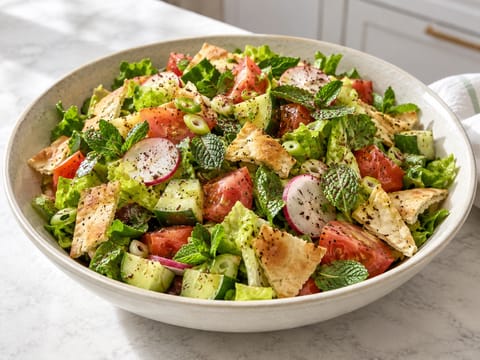
Crunchy salad with toasted pitta, vegetables and sumac
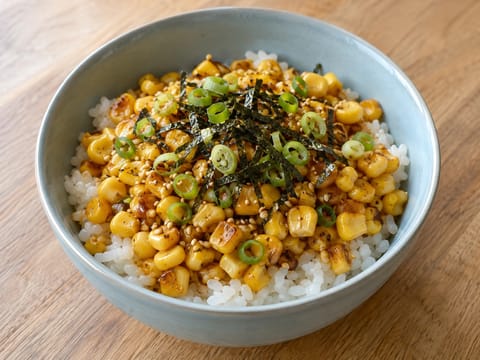
Sweetcorn sautéed with miso butter served over short-grain rice
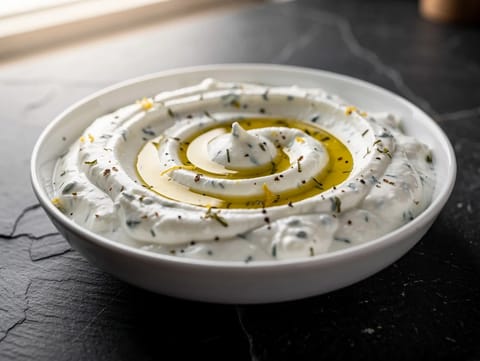
Thick Turkish yoghurt dip with garlic, mint and olive oil
Not for every bake, but it can be useful for bread (checking internal doneness), for custards and curds, and for sugar work where stages are temperature-defined.
Instant-read probes are designed to be inserted briefly for a quick reading. Leave-in probes are designed to stay in the food during cooking, often with a cable or wireless monitor.
Temperature is not perfectly even, especially near bone, fat seams or the surface. Take a couple of readings in the thickest area and use the lowest stable reading as your guide.
Sometimes, if it is rated for high temperatures and can be cleaned thoroughly. Many cooks prefer a dedicated high-heat thermometer for oil and sugar to avoid damage and lingering odours.
Yes. Timings assume a certain thickness, starting temperature and equipment. A thermometer lets you confirm doneness without overcooking while you learn how your oven and pans behave.
Use a thermometer when the inside matters more than the outside. Once you trust your readings, you can cook to the texture the recipe describes, not just the clock.
