
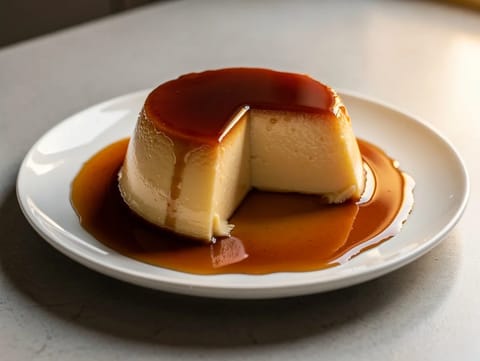
Pudim Flan (Portuguese Caramel Flan)
Baked caramel flan chilled and unmoulded with caramel sauce

Caramelized flavours come from browning, not from adding sugar alone. That deep golden edge can read as toffee-like in desserts, or as savoury sweetness in onions, roasted vegetables and well-browned meats. It is a flavour profile that often signals warmth and depth, with aromas that linger. If you are choosing between recipes, “caramelized” is a clue that the cooking will aim for colour and concentration, and that the finished dish will taste rounder and more complex than its raw ingredients.
In everyday recipe language, caramelized can refer to true sugar caramelisation and to the broader family of browning reactions that happen when foods are cooked until deeply golden. Either way, the sensory result is similar: sweetness becomes darker and less straightforward, with hints of toast, nuts and sometimes gentle bitterness at the edges. Caramelized flavours often come with a change in texture too. Moisture cooks off, surfaces dry slightly, and ingredients can turn jammy, sticky or crisp at the edges. Because browning is driven by heat and time, caramelized recipes often build flavour in stages rather than all at once.
Baked caramel flan chilled and unmoulded with caramel sauce
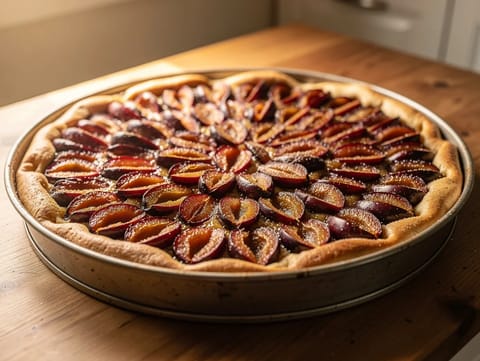
German plum cake with yeasted base and cinnamon sugar
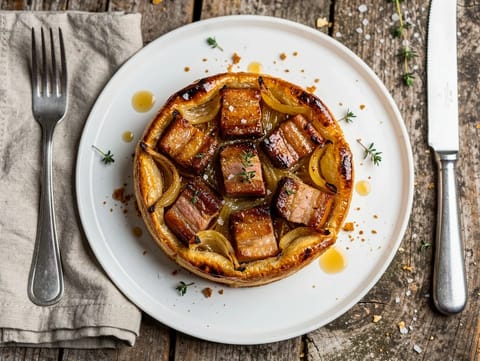
Savoury tarte Tatin with pork belly and caramelised onions
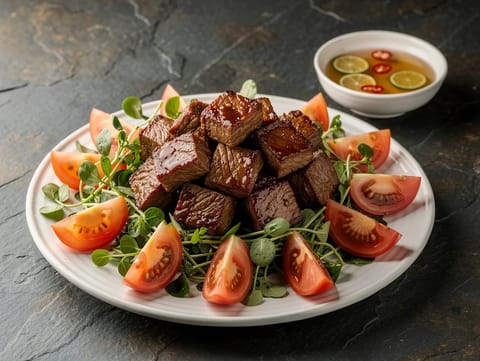
Quick-seared Vietnamese shaking beef with salad and lime dipping sauce
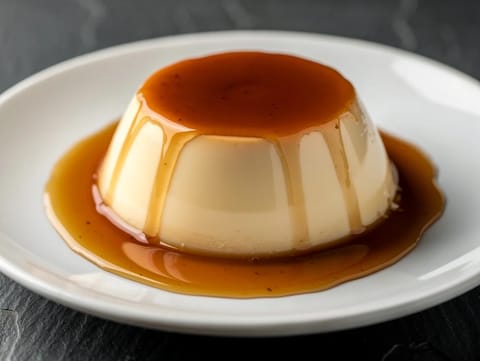
Silky baked caramel custard turned out with caramel sauce
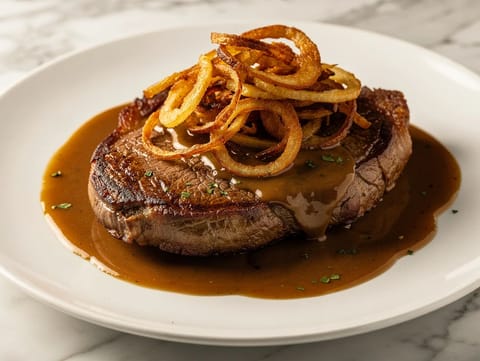
Beef steak with crisp fried onions and simple beef gravy
Caramelized flavours pair naturally with salt, which sharpens the toffee-like notes and keeps sweetness from feeling heavy. Acidity is another common partner: citrus, vinegar, wine or tangy dairy can cut through the rounded, browned character and make it taste brighter. Warm spices such as cinnamon, cardamom and ginger echo caramel’s aromatic side in sweet dishes, while black pepper, mustard and herbs can steer caramelized sweetness towards savoury. Ingredients with a slight bitterness, like dark chocolate or coffee, can make caramel taste deeper, but they need enough sweetness alongside to avoid a scorched impression.
Cauliflower roasted with olive oil, garlic and spices, then finished with lemon juice
German candied almonds crystallised in cinnamon sugar, then lightly caramelised
Provençal vegetable tian layered with potatoes, baked with garlic, thyme and breadcrumbs
Slow-braised Flemish beef stew with Belgian beer, onions, mustard and bread
Festival dumplings are fried until crisp outside with a soft centre
Air-fried caramelised bananas with cinnamon, Greek yoghurt and toasted almonds.
Silky vanilla baked custard set over caramel, chilled then turned out.
Rich yeasted Liège waffles with butter, eggs and caramelised pearl sugar
Roasted ratatouille with aubergine, courgette, tomatoes and red onion
Layered aubergine, courgette and tomatoes baked with onion, garlic, thyme and olive oil
Crisp bubble and squeak cakes topped with a fried egg and brown sauce
Spanish torrijas soaked in cinnamon milk, fried until golden, then finished with honey
For a clean, dessert-style caramel, look for recipes where sugar is cooked to colour and then tempered with cream, butter or a liquid, which turns sharp caramel into a sauce or filling. For savoury caramelisation, recipes that slowly brown onions or roast vegetables tend to produce a gentler sweetness that supports other ingredients rather than dominating. If you like a pronounced roasted edge, choose recipes that encourage strong surface browning, such as high-heat roasting or pan-searing, where you get both caramelized notes and crisp texture. And if you prefer a softer finish, braises and slow-cooked dishes can develop caramelized depth without as much crunch, because the browned flavours are dispersed into the sauce.
Caramelized flavour is often tied to a particular ingredient, such as onions, sugar, fruit or browned meat juices, so browsing by Ingredient helps you find the style you mean. Dish type is also useful because caramelized notes behave differently in sauces, bakes and roasts, where texture and moisture change how intense the browning tastes.
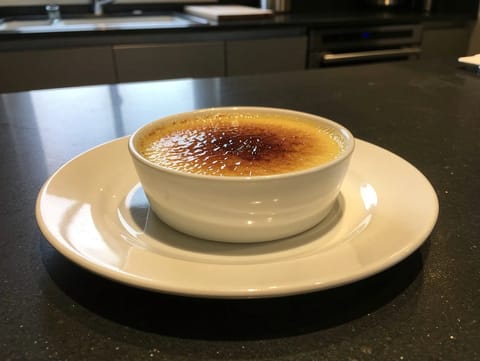
Vanilla custard with a crisp caramelised sugar topping
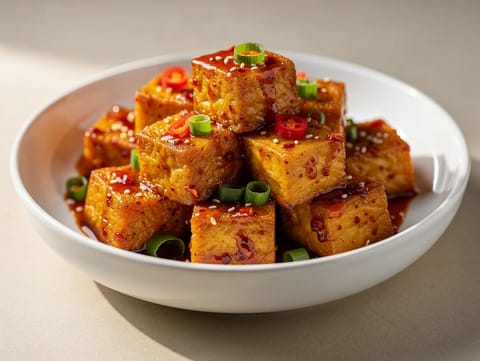
Crispy air fryer chilli tofu in a sticky sauce.
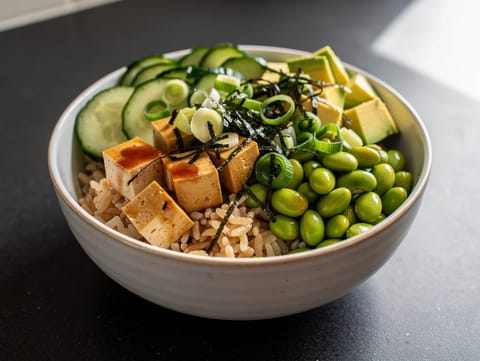
Tofu poke bowl with sushi rice, avocado and edamame.
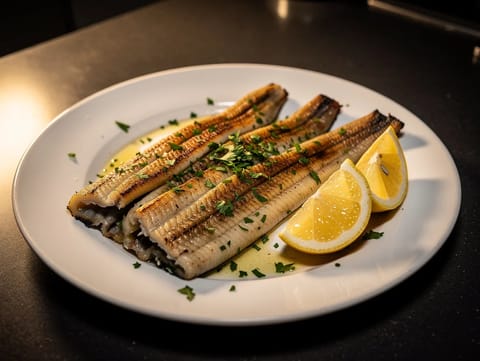
Italian grilled eel with lemon, garlic and parsley
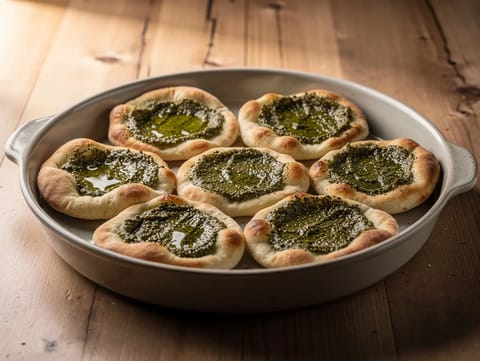
Soft flatbreads topped with zaatar and olive oil
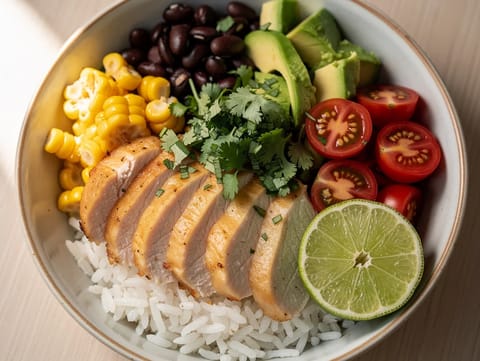
Chicken rice bowl with black beans, avocado and lime
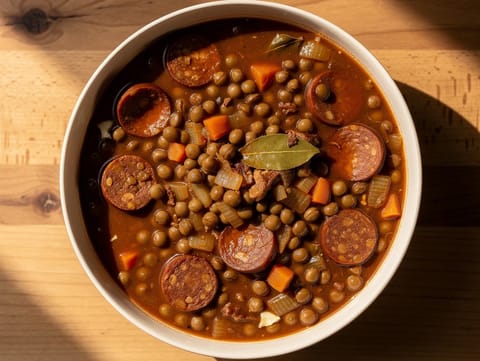
Brown lentil and chorizo stew with bay and smoked paprika
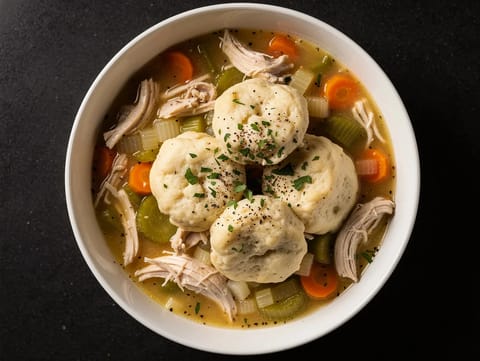
Chicken stew topped with fluffy buttermilk dumplings
Not exactly. Caramelized flavours include sweetness, but it is darker and more complex, often with toasted or slightly bitter edges. Many savoury dishes use caramelisation to add depth without tasting sugary.
Browning can tip into bitterness if the surface gets too dark or if sugars concentrate too far. A small amount of bitterness can be part of the profile, but harsh bitterness usually means the browning went beyond deep golden.
No. Many ingredients contain natural sugars that brown as they cook, including onions, carrots and many fruits. Browning can also come from reactions between proteins and sugars in foods such as meat and bread.
Salt and acidity are the most reliable. Salt defines the sweetness, while acidity lifts the flavour and stops it feeling heavy or sticky on the palate.
Caramel is sensitive to temperature changes and crystallisation. Adding a cooler liquid too quickly can make the sugar harden, and agitation can encourage crystals. Many recipes manage this by warming the liquid and stirring gently.
When you cook for caramelized flavour, you are aiming for deep colour and a little moisture loss. Choose recipes with a clear balancing element, often salt or acidity, and the browned sweetness will taste rounded rather than cloying.
