
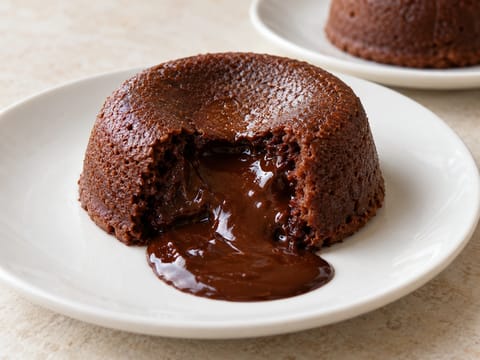
Fondant au Chocolat (Warm Chocolate Lava Cake)
Warm chocolate cakes with a molten centre

Chocolatey recipes sit on a spectrum: some taste dark and cocoa-forward with a faint bitterness, others are softer, milkier and more dessert-like. The mood is usually warm and rounded, but the finish can be either clean or lingering depending on the cocoa and the fat. This page helps you choose the kind of chocolatey you mean, and spot the ingredients that push it towards deep, grown-up intensity or towards gentle sweetness.
Chocolate flavour is a mix of cocoa solids (which bring bitterness and aroma) and cocoa butter or other fats (which bring smoothness and a slow melt). Dark chocolate and cocoa powder tend to read more intense and less sweet; milk chocolate brings more sugar and dairy notes; white chocolate is mostly cocoa butter and sweetness, with no cocoa solids, so it tastes creamy rather than cocoa-like. In baking, chocolatey can describe both flavour and colour, but the two do not always match: some recipes look dark without tasting strongly of chocolate, while others taste deeply chocolatey with a lighter crumb. Texture is part of the signal too, from fudgy centres to crisp edges and airy sponges.
Warm chocolate cakes with a molten centre
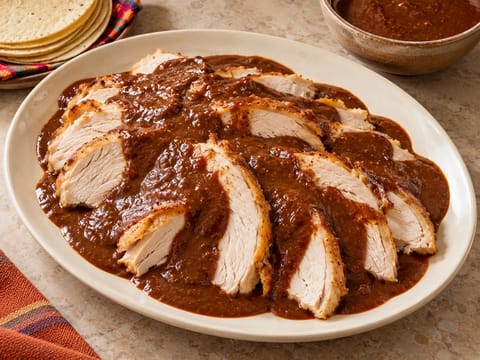
Roast turkey served with traditional mole sauce and dark chocolate
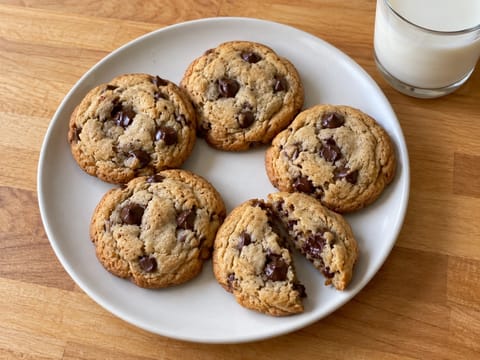
Air fryer chocolate chip cookies with crisp edges and soft centres.
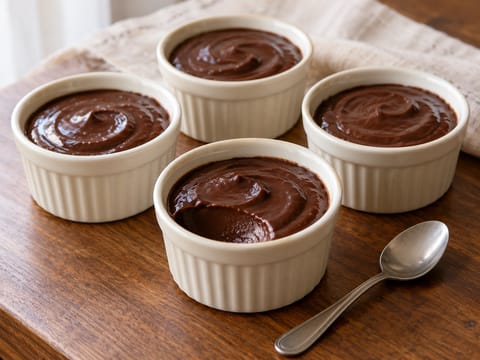
Smooth chocolate pudding cooked with milk, cocoa and dark chocolate.
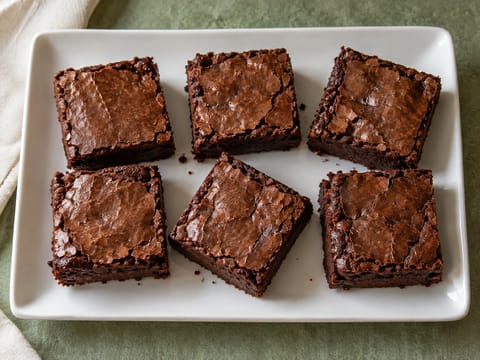
Rich, fudgy brownies with dark chocolate and cocoa
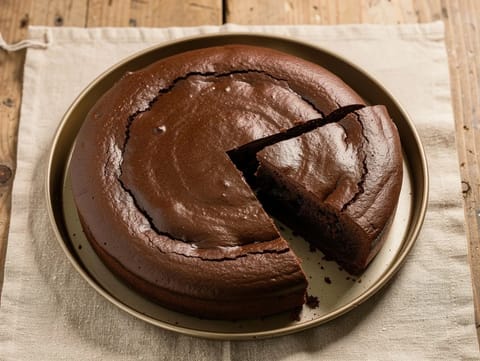
Fudgy flourless chocolate cake with cocoa
Chocolate pairs well with salt, which sharpens cocoa notes and makes sweetness taste clearer. Coffee often deepens chocolate aroma without making a dessert taste like coffee, while vanilla rounds the edges and reads as “baked” warmth. Fruit pairings tend to fall into two camps: bright, acidic fruits such as orange, cherry and raspberry lift dark chocolate, while ripe, mellow fruits such as banana and pear lean into softness. Nuts add both flavour and texture, echoing chocolate’s roasted notes. Dairy, from cream to yoghurt, can either enrich or lighten depending on its tang, which is why chocolatey recipes often include a deliberate choice of dairy ingredient.
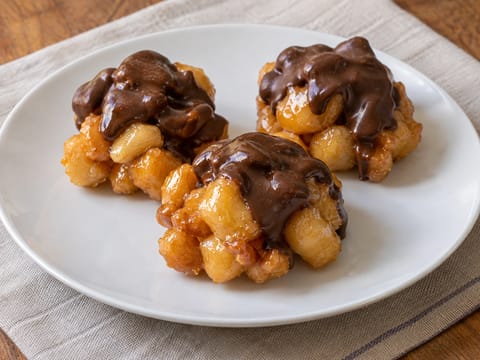
Honey and chocolate coated fried pastry clusters
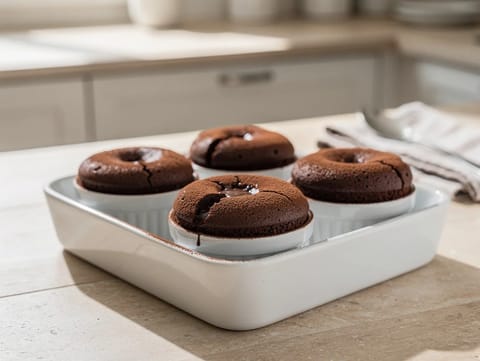
Individual chocolate cakes with a molten centre.
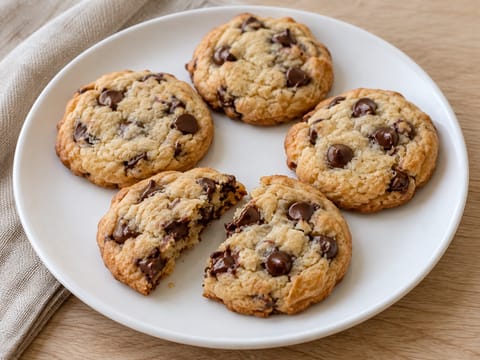
Air fryer chocolate chip cookies with crisp edges and soft centres.
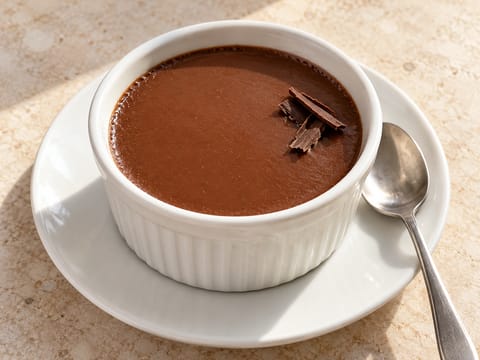
Chilled French chocolate custards baked in a bain-marie
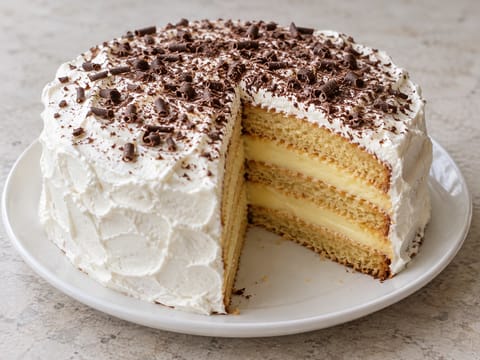
Sponge cake soaked with rum syrup and vanilla pastry cream
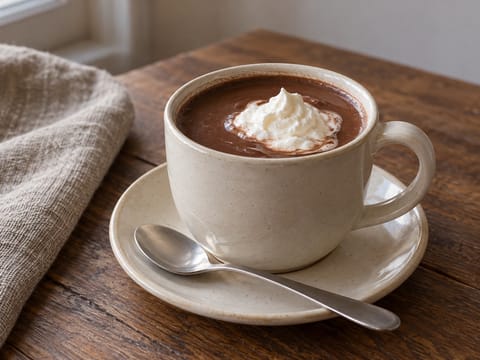
Thick hot chocolate made with dark chocolate and whole milk
Air fryer chocolate chip cookies with crisp edges and soft centres.
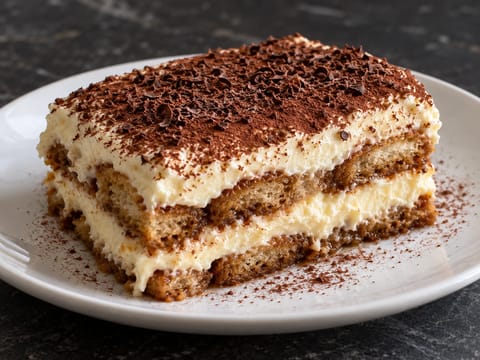
Coffee-soaked biscuit dessert with mascarpone and cocoa
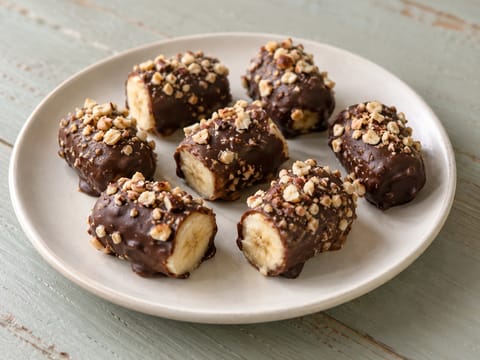
Warm air fried bananas dipped in dark chocolate and hazelnuts.
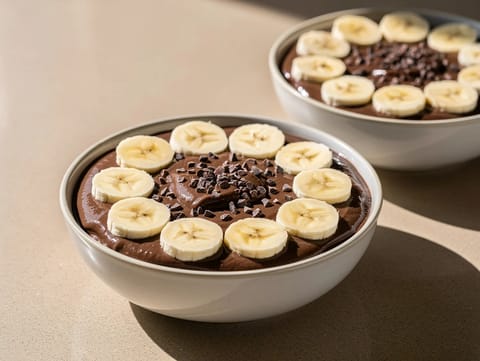
A thick avocado and cacao smoothie bowl with banana.
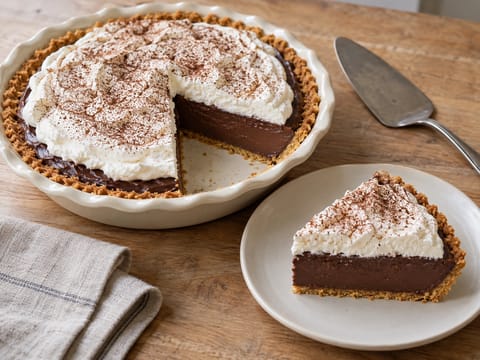
Chocolate mud pie with whipped cream and cocoa topping

Florentine dome cake with cocoa sponge and ricotta filling
Some chocolatey recipes are built around melted chocolate for a dense, glossy texture, while others rely on cocoa powder for a drier, more cake-like crumb and a clearer cocoa aroma. You may also see chocolate used as a layer or coating, where snap and contrast matter as much as flavour. In some savoury recipes, cocoa or dark chocolate is used in small amounts to add colour and bitterness, acting more like a spice than a sweet ingredient. When you are choosing, look for clues about sweetness level and richness: chocolatey does not automatically mean very sweet, and the supporting ingredients often tell you whether the result will be light, creamy, or intensely dark.
If you want to cook with a specific form, such as cocoa powder, dark chocolate or white chocolate, browsing by Ingredient helps you find recipes that use it in the way you expect. Dish type is also a useful guide because chocolate behaves very differently in cakes, biscuits, puddings and sauces, and the format often determines whether the texture is fudgy, airy or crisp.
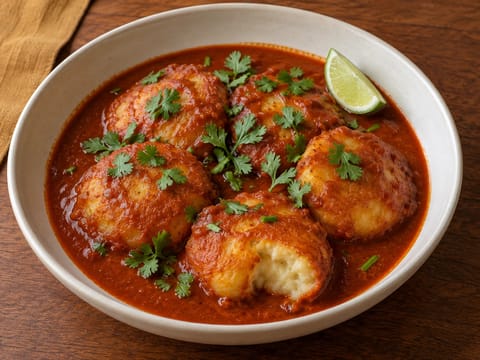
Fried potato patties simmered in tomato and guajillo sauce
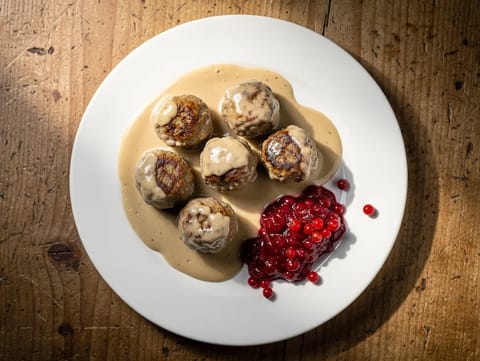
Swedish meatballs in cream gravy with lingonberries
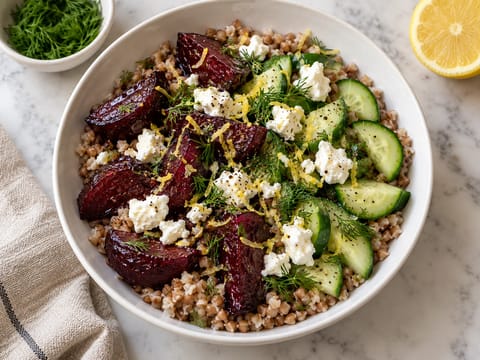
Buckwheat bowl with roasted beetroot, cucumber and dill
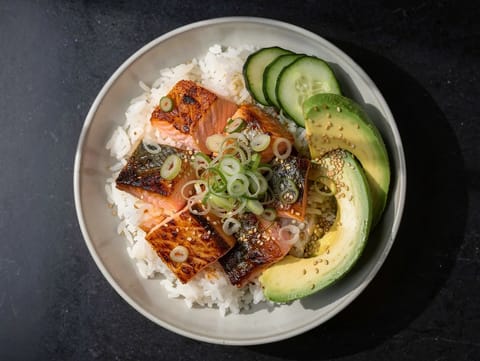
Salmon rice bowl with soy, mirin, cucumber and avocado

Polish cheesecake with quark filling and cocoa pastry
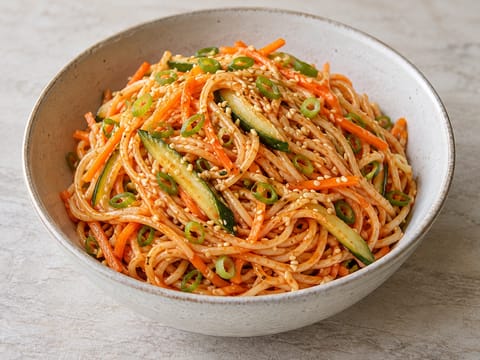
Spicy noodle salad with gochujang dressing, cucumber and carrot
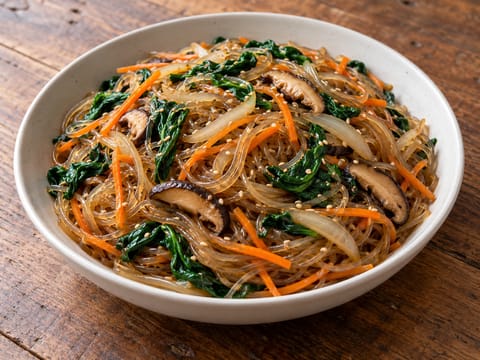
Glass noodles tossed with stir-fried vegetables and sesame dressing
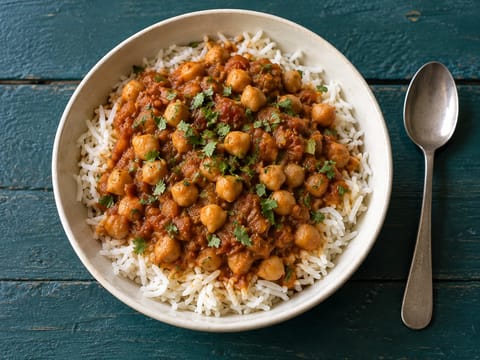
Chana masala-style chickpeas served over basmati rice
Not necessarily. Cocoa brings bitterness as well as aroma, so many chocolatey recipes taste deep rather than sugary. The sweetness depends on the type of chocolate used and how much sugar is in the overall recipe.
Colour can come from cocoa or from other dark ingredients, but strong chocolate flavour usually needs enough cocoa solids and often a little salt. Fat and sugar levels also affect how clearly you taste cocoa.
Cocoa powder contributes cocoa solids with little fat, so it can give a clearer cocoa aroma but a drier texture unless balanced. Melted chocolate adds cocoa butter and often sugar, which tends to produce a richer, smoother mouthfeel.
Salt heightens aroma and reduces the perception of flat sweetness. With chocolate, it can make cocoa notes taste more defined and stop rich desserts from feeling heavy.
Yes, in small amounts. Dark chocolate or cocoa can add bitterness and roasted depth to sauces and stews, functioning more like a seasoning than a sweet element.
Decide whether you want dark cocoa depth or a softer, milkier sweetness, then pick recipes whose ingredients support that direction. Chocolate flavour is at its best when sweetness, salt and richness are clearly in balance.
