

Air Fryer Greek Chicken
Air fryer Greek chicken with lemon, garlic and oregano.

Citrusy flavour is not just sourness. It can be sharp and juicy, floral and perfumed, or softly sweet, depending on whether a recipe uses juice, zest, peel or whole fruit. It also changes how food feels: acidity can make rich dishes taste cleaner, and it can tighten textures in dressings, marinades and curds. If you are choosing citrusy recipes by mood, think “bright and clear” rather than simply “lemony”.
Citrusy recipes often lean on one of three citrus elements. Juice brings acidity and immediate freshness, especially in drinks, dressings and sauces. Zest contributes aroma without much sourness, so it can make cakes, biscuits and creamy desserts smell vividly of citrus while staying balanced. Whole segments or slices add both flavour and texture, giving bursts of juice and a slight bite. Some recipes use peel or pith, which can introduce bitterness, particularly if the citrus is cooked or candied. Noticing which part of the fruit is used tells you whether the result will be brisk and tangy, gently fragrant, or more complex and bittersweet.
Air fryer Greek chicken with lemon, garlic and oregano.
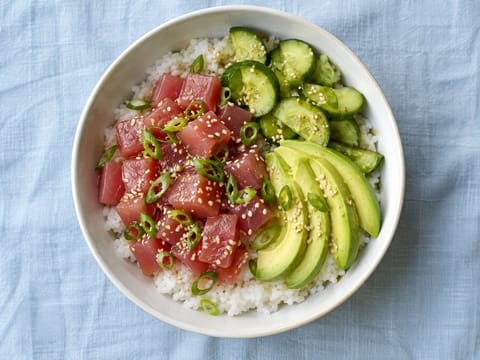
Tuna poke bowl with ponzu, sushi rice, avocado and cucumber.

Crispy karaage made with soy, ginger and garlic marinade.

Greek lemon roast chicken with potatoes

Finnish lemon sima, lightly fermented and served chilled with raisins
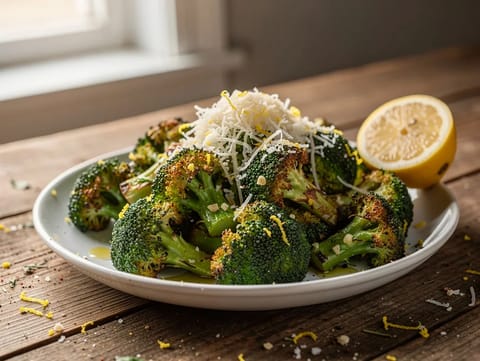
Crisp-tender air-fried broccoli with lemon and Parmesan.
Citrus brings volatile oils as well as acid, and the two behave differently. The oils in zest and peel are aromatic and can feel almost sweet; the acid in juice is what makes your mouth water. Heat changes the balance: cooked citrus often tastes less sharp but can become more bitter if peel is involved, while raw citrus keeps its high notes. Citrus also interacts with dairy and eggs in distinctive ways, from curdling in some contexts to thickening and setting in others, which is why citrusy desserts often have a particular smooth, spoonable texture. In savoury cooking, citrus can act as a finishing note, added late to keep it bright, or as a structural element in a sauce or marinade.

Roasted chicken and potatoes with lemon, garlic and oregano
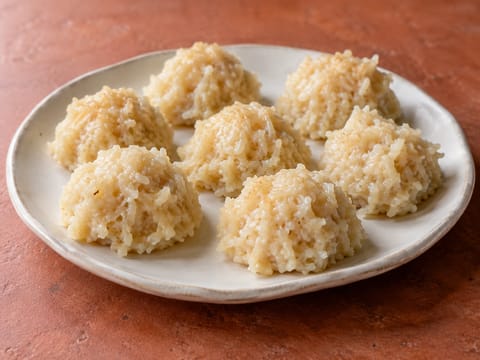
Chewy coconut sweets made with condensed milk and vanilla
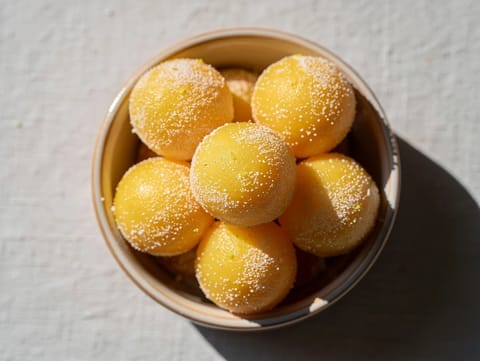
Egg yolk sweets shaped into balls and rolled in sugar

Seared pork loin simmered in a glossy orange sauce

Twice-baked almond biscuits with orange zest

Spanish anise ring doughnuts dusted with caster sugar

Crusty roll filled with flour-coated fried squid and lemon
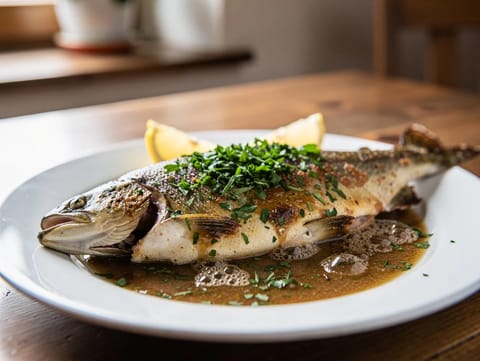
Crisp pan-fried trout finished with brown butter and lemon

Spanish lemon and aniseed ring doughnuts with a sugar coating
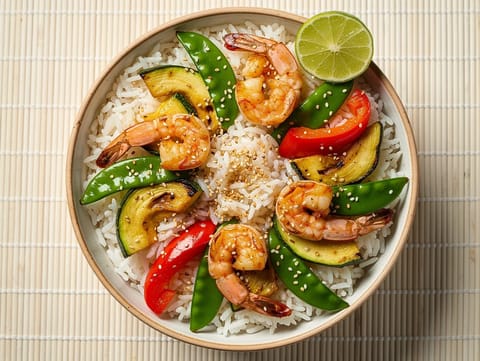
Air-fried prawns and vegetables served with jasmine rice.
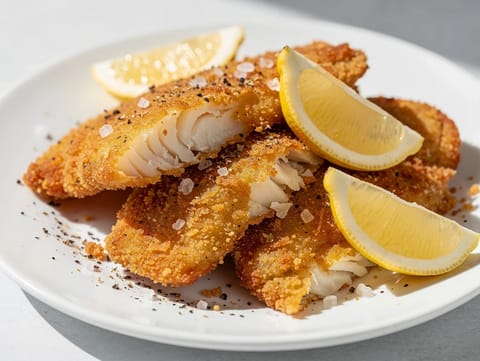
Breaded white fish fillets cooked crisp in the air fryer.

Crisp tostadas topped with tuna ceviche and avocado
For the brightest, freshest impression, choose recipes that add citrus at the end, such as a squeeze over vegetables, fish or grains, or a zest-heavy dressing. If you want citrus to feel rounded and integrated, look for recipes where it is cooked into the dish, as in curds, marmalade-like fillings or slow-simmered sauces, where the sharpness softens. For a more aromatic, less sour profile, pick recipes that emphasise zest, often paired with vanilla, almonds or dairy. And if you enjoy a bittersweet edge, choose recipes that use peel or whole fruit, where the citrus character is more complex and the finish lingers longer than a simple squeeze of juice.
Citrusy flavour depends heavily on the ingredient form, whether it is lemon zest, lime juice, orange segments or preserved peel, so browsing by Ingredient helps you find the exact expression you want. Dish type is also revealing: citrus behaves one way in drinks and desserts, and quite another in salads, marinades and sauces, where acidity changes the overall balance.

Air fryer meatballs made with beef, breadcrumbs and Parmesan.

Air-fried drumsticks with garlic, herbs and lemon.

Quick beef and broccoli stir-fry with oyster sauce

Turkey rice bowl with cucumber, carrot and sriracha mayonnaise.
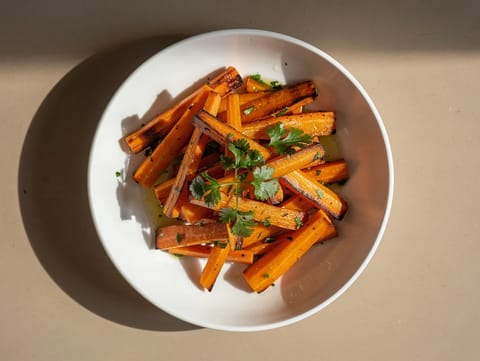
Air-fried carrots with honey, cumin and lemon.

One-pot Cuban-style chicken and rice with peppers and tomatoes

German yeasted onion tart with bacon and crème fraîche

Crispy air-fryer spring rolls with a savoury vegetable filling.
Citrusy flavours often include sourness, but they also include aromatic oils from zest and peel. A recipe can taste strongly citrusy from zest alone, even if it is not very acidic.
Zest contains fragrant oils that read as floral and bright, while juice contains most of the acid. Using zest gives aroma; using juice gives tang. Many recipes use both for a fuller citrus profile.
It can, especially if peel or pith is included or if citrus is cooked for a long time. That bitterness can be intentional, as in marmalade-like flavours, but it needs balancing with sweetness, salt or fat.
Citrus juice can help set mixtures containing eggs or dairy, creating curd-like textures. The exact result depends on the recipe method and the balance of acid, fat and sugar.
Often late in cooking, or off the heat, so the aroma stays vivid and the acidity remains clear. Recipes that cook citrus longer tend to taste softer and more rounded, sometimes with a hint of bitterness.
Citrusy can mean tangy, perfumed, sweet or bittersweet, depending on which part of the fruit is used and when it is added. Choose recipes with that in mind and you will get the kind of brightness you are actually craving.
