

Classic Apple Pie with Shortcrust Pastry
Shortcrust apple pie with cinnamon and lemon

Fruity flavours can read as crisp and refreshing or deep and jammy, depending on the fruit and how it’s treated. Fresh fruit brings perfume and acidity; cooked fruit leans towards caramel notes and a thicker, more rounded sweetness. This flavour profile suits recipes where fruit is the main character, but it also covers savoury dishes that use fruit to add brightness, gentle sweetness or a glossy sauce.
Fruity usually means the flavour is led by fruit rather than simply containing it. That can be obvious, as in a fruit tart or compote, or more subtle, as in a chutney, salsa or sauce where fruit plays against salt, spice or savoury ingredients.
It helps to think in two broad directions. Fresh, raw fruit tends to taste brighter and more aromatic, with a clearer sense of acidity. Cooked fruit tastes darker and more integrated, often with a thicker texture and a sweetness that feels less sharp. Dried fruit sits somewhere else again: concentrated, chewy, and often more honeyed or toffee-like than fresh fruit.
Shortcrust apple pie with cinnamon and lemon

Ouzo spritz with lemon, syrup, sparkling water and ice

Shortcrust tart with sweet ricotta and sour cherry jam

German plum cake with yeasted base and cinnamon sugar

Pan-seared duck breast with a cherry and red wine sauce
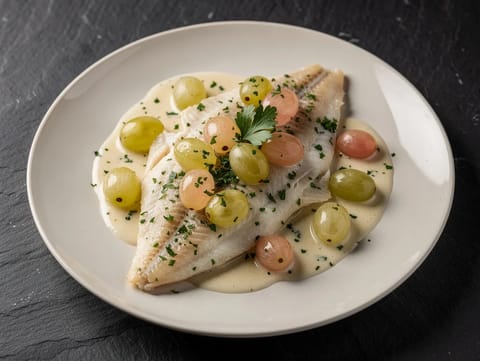
Poached sole with grapes in a white wine cream sauce
For a light, clean fruitiness, look for recipes that keep fruit raw or only lightly warmed. These often rely on good knife work and careful seasoning so the fruit tastes vivid rather than watery.
For a cosy, dessert-like fruitiness, baked and stewed preparations bring out caramel notes and soften acidity. They suit recipes where you want the fruit to melt into the background as well as those where it forms a distinct layer or topping.
For savoury fruitiness, recipes may use fruit to balance salt and heat, or to add a glossy finish to roasted or grilled foods. In these dishes, the key choice is whether the fruit should stay bright (added late) or become sauce-like (cooked down with aromatics).

No-bake icebox cake with whipped cream, biscuits and mixed berries

Steamed rice-flour dumplings filled with coconut and jaggery
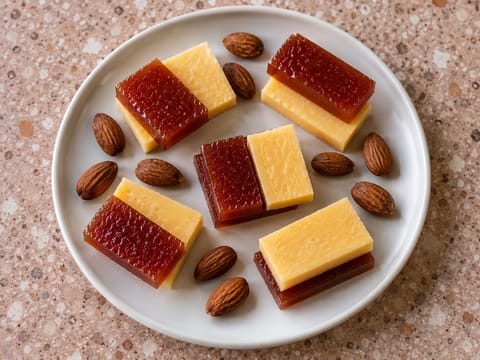
Quince paste served with cheese for a sweet savoury bite

Mango and lime ice lollies with a pinch of chilli

Pear clafoutis baked in a vanilla custard batter
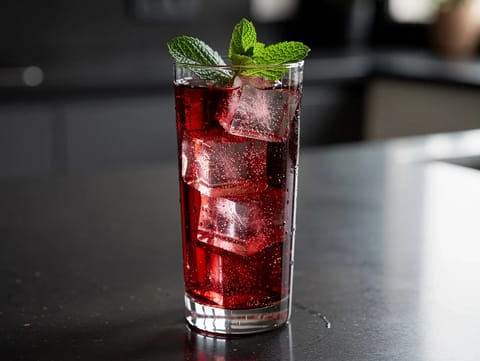
Tangy pomegranate molasses spritzer with lime and sparkling water

Fried sesame pastries soaked in warm honey

Citrus chicken bowl with rice, black beans and sweetcorn
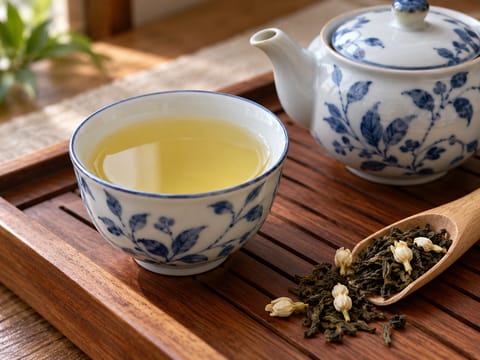
Light, floral jasmine-scented green tea
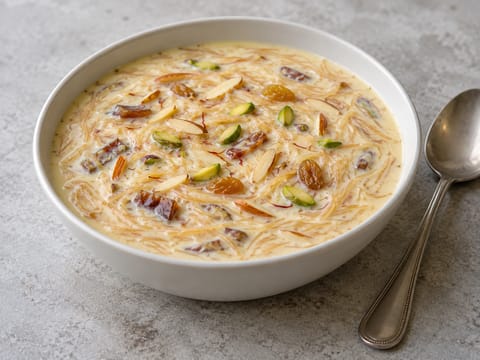
Vermicelli simmered in sweetened milk with dates, raisins and nuts
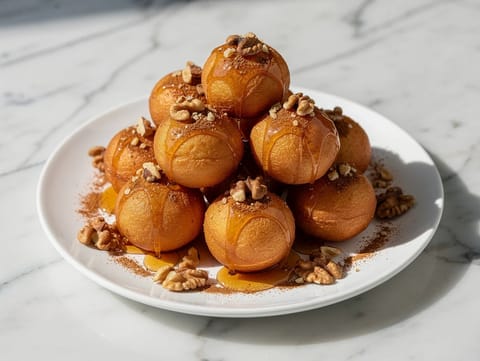
Greek honey doughnuts topped with walnuts and cinnamon

Polish dried fruit drink simmered with cinnamon and cloves
Acid and sweetness are already present in many fruits, so balance often comes from salt, bitterness and spice. A pinch of salt can make fruit taste more “itself”, while bitter elements such as dark chocolate, coffee, chicory or certain leafy greens can stop sweetness feeling one-note.
Warm spices commonly pair well with cooked fruit because they echo caramel notes. Fresh herbs can do the opposite, lifting raw fruit and making it taste cooler and more aromatic. Dairy and creamy elements soften sharp fruits and give structure to desserts and sauces. If a fruity dish tastes cloying, it usually needs either more acidity, a touch of bitterness, or a drier, crunchier texture alongside.
Ingredient is the most direct way to explore fruity flavours, because different fruits behave very differently when baked, stewed or blended. Dish is useful when you’re deciding how you want fruit to show up, such as in baking, sauces, salads, drinks or desserts with a creamy base.
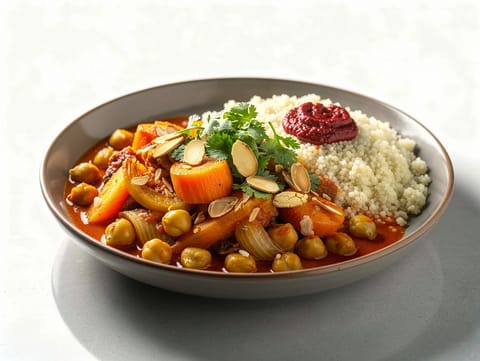
Carrot and chickpea tagine served with couscous and harissa
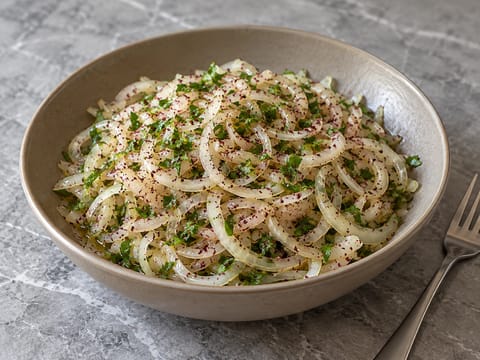
Sharp sumac onion salad with lemon, olive oil and parsley

Peruvian coriander chicken stew with a bright green gravy
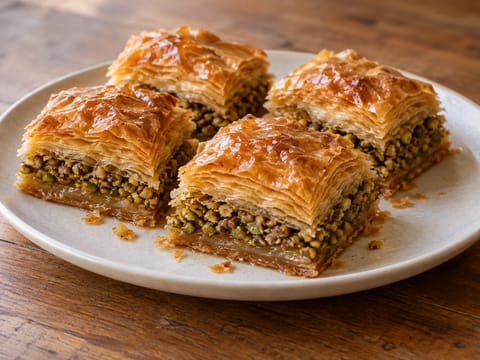
Crisp filo baklava with pistachios, walnuts and honey syrup

Baked salmon with warm hollandaise sauce

Slow-cooked beef brisket finished with tangy barbecue sauce

Pan-seared lamb chops with pomegranate glaze
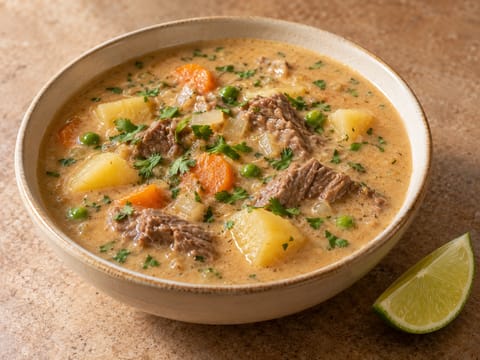
Bolivian peanut soup with beef and potatoes
Not necessarily. Many fruits bring acidity as well as sweetness, and savoury recipes can use fruit for brightness, perfume or a gentle sweetness that balances salt and spice.
Heat softens cell walls, concentrates juices as water evaporates, and can trigger caramelisation and Maillard-style browning when sugars and proteins are present. The result is a darker, rounder flavour.
Look for contrast: acidity (citrus, yoghurt), bitterness (dark chocolate, coffee), or texture (nuts, crisp pastry, toasted crumbs). Often the fix is balance rather than less fruit.
Citrusy is a specific kind of fruitiness led by citrus oils and sharp acidity. Fruity is broader and can include berries, stone fruit, tropical fruit, dried fruit and more.
Yes. Fruit can soften heat and carry spice aromas. The key is deciding whether you want a bright, fresh fruit note (added late) or a cooked, sauce-like fruit note (reduced with aromatics).
Fruity recipes are easiest to choose when you decide how you want the fruit to behave. Keep it fresh for perfume and snap, cook it for depth and gloss, or use it savoury for balance against salt and spice.
