
Modak (Steamed Rice-Flour Dumplings with Coconut and Jaggery)
Why this recipe works
- Classic steamed texture: Cooking the rice flour before shaping creates a pliable dough that steams into a tender, slightly glossy shell.
- Tender shell, moist filling: The soft dumpling exterior contrasts with the gently chewy coconut and melted jaggery centre.
- Layered sweetness: Jaggery brings a deeper, caramel-like sweetness, while cardamom adds fragrance without making the filling heavy.
- Easy to reheat: Cooked modak can be chilled or frozen, then refreshed by steaming until hot and tender again.
Get the most out of this recipe
Authenticity notes
- Festive context: Modak are especially associated with Ganesh Chaturthi, though they are also made as a traditional sweet beyond festival cooking.
- Hand-shaped finish: The pleated, pointed shape is part of what makes modak recognisable; keeping the dough warm and pliable helps achieve clean folds.
Texture tips
- Keep the dough warm: Shape the dumplings while the dough is still warm; once it cools, rice-flour dough becomes more prone to cracking.
- Cook the filling until moist, not wet: The coconut mixture should hold together without excess liquid, so the dumplings seal neatly and steam evenly.
- Seal the tip firmly: Pinch the pleats together well at the top to prevent the filling from escaping during steaming.
Ingredient notes
- Use fine rice flour: Fine rice flour gives the dough a smoother, more delicate texture than coarser flour.
- Choose good jaggery: Jaggery is central to the flavour, so use one with a clean, caramel-like sweetness rather than a harsh or overly smoky taste.
- Fresh or desiccated coconut: Desiccated coconut gives a slightly chewier filling, while fresh coconut makes it softer and juicier.
Make-ahead tips
- Make the filling ahead: The coconut and jaggery filling can be prepared in advance and chilled, then brought closer to room temperature before shaping.
- Reheat by steaming: Steam chilled modak gently until piping hot; this restores the softness better than dry reheating.
- Freeze after steaming: Cool the cooked dumplings completely before freezing, then steam from frozen until hot throughout.
Equipment you'll need
Ingredients
Filling
Dough
Instructions
- Make the filling: warm 1 tsp coconut oil in a saucepan over low heat. Add the desiccated coconut, jaggery and 30 ml water, then cook for 4 to 6 minutes, stirring, until the jaggery melts and the mixture looks moist but not wet. Crush the seeds from the cardamom pods and stir them in, then scrape the filling into a bowl to cool.
- Make the dough: bring 260 ml water to the boil in the same saucepan with the fine sea salt and 2 tsp coconut oil. Reduce the heat to low, add the rice flour all at once, and stir vigorously with a wooden spoon until it forms a smooth, stiff dough and pulls away from the pan. Cover and rest for 10 minutes so it is cool enough to handle but still warm.
- Set up the steamer and lightly grease the steamer tray with a little coconut oil. Divide the warm dough into 10 to 12 equal pieces and keep them covered to prevent drying. Divide the cooled filling into the same number of portions.
- Shape the modak: take one piece of dough and press it into a thin disc in your palm, keeping the centre slightly thicker. Pinch and pleat the edges all the way around to form a cup, then add a portion of filling. Bring the pleats together and pinch to seal into a pointed top, then repeat with the remaining dough and filling.
- Steam the modak in a single layer, leaving a little space between them. Steam for 10 to 12 minutes until the dough looks slightly glossy and feels tender. Rest for 2 minutes, then lift out carefully and brush very lightly with coconut oil before serving warm.
Recipe notes
Tips
- Keep the dough covered with a damp cloth while shaping so it stays pliable and does not crack.
- If the dough feels dry while shaping, wet your fingertips with water and smooth over any cracks before sealing.
- If serving to pregnant people, young children, older adults, or anyone immunocompromised, ensure the dumplings are steamed until fully tender and piping hot throughout.
Substitutions
- Replace desiccated coconut with fresh-coconut for a softer, juicier filling; cook it 1 to 2 minutes longer to drive off excess moisture.
- Replace coconut oil with butter for a richer flavour and a slightly softer dough.
Storage
- Refrigerate up to 2 days
- Cool completely, then refrigerate in a sealed container. Reheat by steaming for 4 to 6 minutes until piping hot; if frozen, steam from frozen for 8 to 10 minutes.
Ratings & reviews
Liked this recipe? Share your feedback to support our cooking community.
Tried this recipe?
Choose 1–5 stars. A comment is optional.
Stay inspired
Discover new recipes, seasonal favourites and cooking inspiration every day. Follow JustRecipes on Pinterest and Spillt.
Recipe overview
- Servings: 4 servings
- Yield: steamed modak
- Total time: 55min (40min active)
- Difficulty: Medium
- Cuisine: Indian
Plan your meals and get a complete grocery list automatically.
Add to meal plannerEquipment you'll need
Got ingredients left?
Find recipes using ingredients from this recipe or what you already have at home.
Find recipes with these ingredients →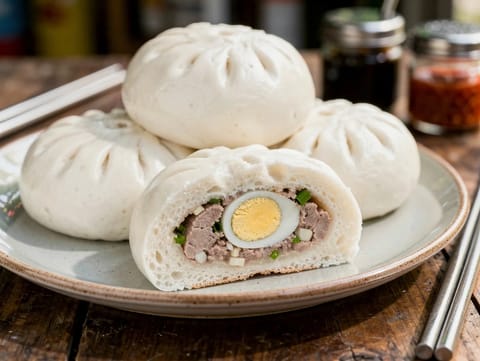
Bánh Bao (Vietnamese Steamed Pork Buns)
Fluffy steamed buns filled with minced pork and hard-boiled egg

Boules de Berlin (Jam-Filled Doughnuts)
Yeasted jam doughnuts rolled in caster sugar

Strawberry Shortcake
Tender shortcakes with macerated strawberries and whipped cream

Bignè alla Crema Pasticcera (Italian Choux Buns with Custard)
Crisp choux buns filled with smooth crema pasticcera

Millefoglie con Crema Pasticcera (Italian Mille-Feuille)
Crisp puff pastry layered with vanilla custard

Bouchées à la Reine (Vol-au-Vents with Creamy Chicken and Mushrooms)
Vol-au-vents filled with creamy chicken and mushroom sauce
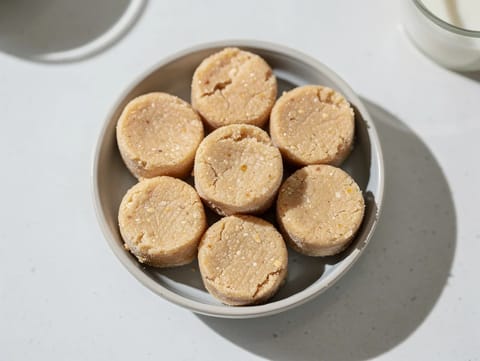
Mazapán (Mexican Peanut Marzipan)
Crumbly peanut mazapán pressed with icing sugar and vanilla

Tarta de Tamarindo (Tamarind Tart with Lime)
Sweet pastry tart with tangy tamarind and lime filling

Polish Apple Pancake Bites (Mini Apple Fritters)
Mini apple fritters fried golden with cinnamon
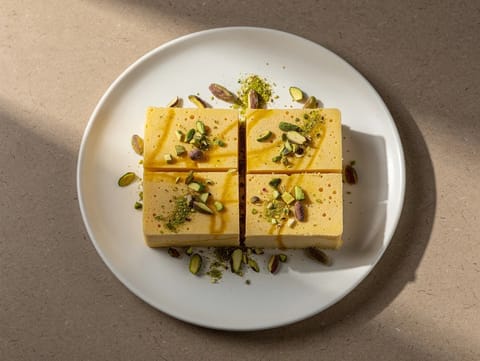
Mango Kulfi
Dense mango kulfi with reduced milk and cardamom
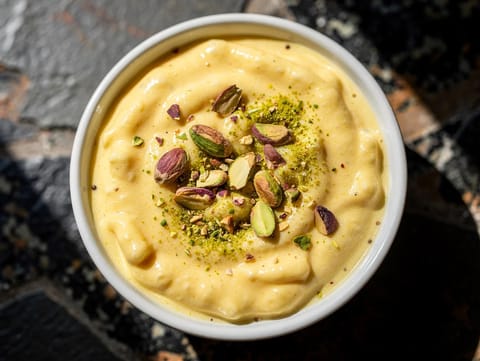
Basundi (Thickened Sweetened Milk with Cardamom and Saffron)
Thickened sweetened milk dessert with cardamom, saffron and pistachios

Chocoflan (Chocolate Cake with Vanilla Flan)
Caramel chocoflan with vanilla flan and chocolate sponge
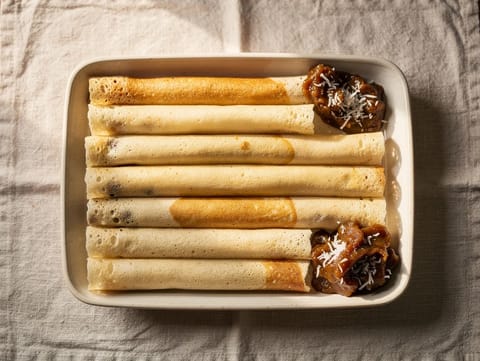
Patishapta (Bengali Rice Crêpes with Coconut and Jaggery Filling)
Bengali rice crêpes filled with coconut and jaggery
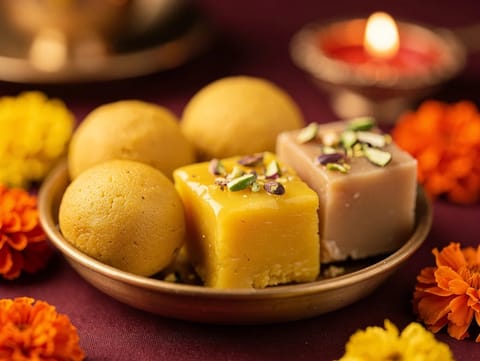
Diwali Mixed Sweets Platter (Besan Ladoo, Coconut Barfi and Cashew Fudge)
Diwali sweets platter with besan ladoo, coconut barfi and cashew fudge

Patjuk (Korean Red Bean Porridge)
Korean red bean porridge with rice flour dumplings

Arabic Cardamom Coffee (Gahwa)
Arabic coffee gently brewed with green cardamom

Thong Yod (Golden Drops in Sugar Syrup)
Egg yolk drops cooked and soaked in sugar syrup

Chicken Chettinad Curry
South Indian chicken curry with toasted spices, pepper and coconut
You might also like
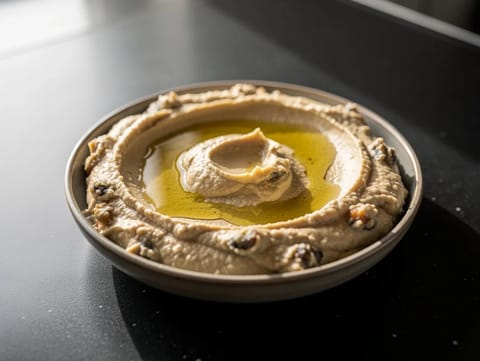
Baba Ganoush (Smoky Aubergine Dip)
Smoky roasted aubergine dip with tahini and lemon

Salsiccia e Peperoni (Italian Sausage with Peppers and Onions)
Italian sausage cooked with peppers, onions and white wine
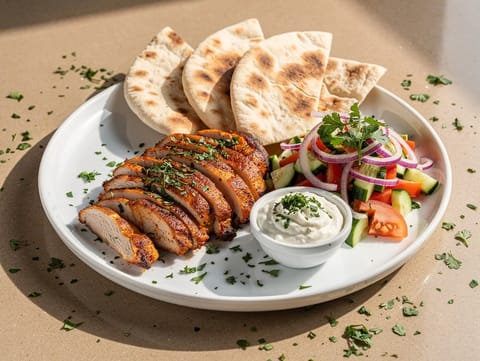
Shawarma Platter with Spiced Chicken, Flatbreads and Garlic Yoghurt
Spiced chicken shawarma platter with flatbreads and garlic yoghurt

Farinata di Ceci (Ligurian Chickpea Flatbread)
Thin chickpea flatbread baked with olive oil until crisp
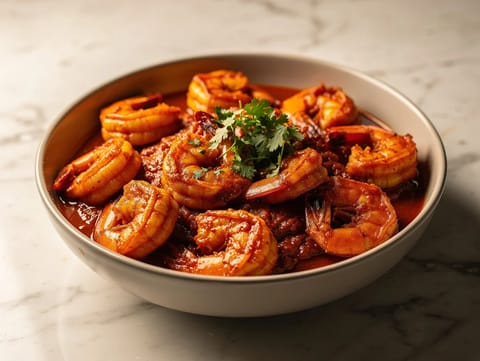
Prawn Balchão (Goan Spicy Prawn Pickle Curry)
Tangy Goan-style prawn curry with vinegar and chilli
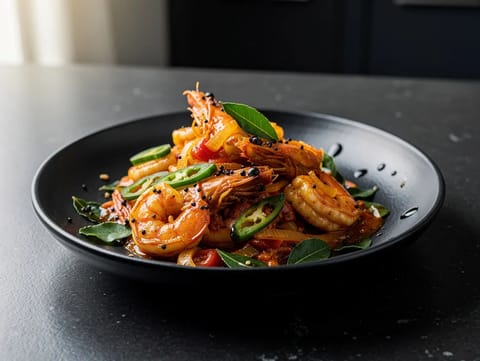
Prawn Masala with Curry Leaves and Mustard Seeds
Prawn masala tempered with mustard seeds and curry leaves
Make this recipe easier next time
AdvertisementThese tools help you get better results with less effort.
KitchenAid Stainless Steel Mixing Bowls
- Non-slip base
- Stainless steel
- Not microwave safe
T-fal Specialty Nonstick Handy Pot with Glass Lid 3 Quart
- Easy food release
- Dishwasher safe
- Not induction compatible
OXO Good Grips Stainless Mixing Bowl Set
- Non-slip base
- Comfort grip
- Higher price
WMF Mini Saucepan 16 cm with Lid
- High-quality stainless steel
- Even heat distribution
- Higher price point
Enjoy cooking with JustRecipes?
Add JustRecipes as one of your preferred Google sources to discover our recipes more easily across Google Search.
Add JustRecipes to GoogleEvery recipe on JustRecipes follows the same structured editorial process. Learn how recipes are created, validated, translated, illustrated, and continuously improved across the platform. How we create recipes.
