
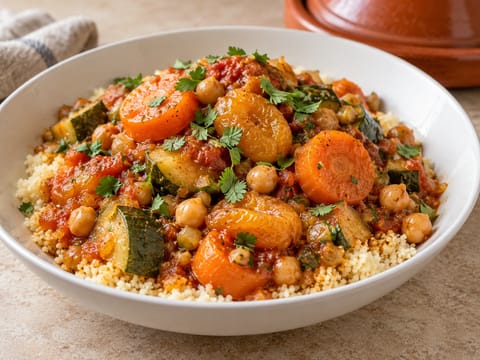
Vegetable Tagine
Vegetable tagine with chickpeas, tomatoes and dried apricots

Herby recipes are led by the aroma of herbs, whether that’s the grassy lift of parsley, the anise note of basil, or the resinous depth of rosemary and thyme. The same herb can taste very different depending on whether it’s fresh, dried, bruised, blended or cooked for a long time. This flavour profile is useful when you want a dish to taste vivid and aromatic without relying on chilli heat, heavy spice blends or lots of acidity.
Fresh herbs tend to bring high, volatile aromas that fade with prolonged heat. That is why many recipes add tender herbs at the end, or use them raw in salsas, dressings and salads. Woody herbs behave differently: rosemary, thyme and oregano can stand up to longer cooking and often taste more integrated when warmed in oil or simmered.
Dried herbs are not simply “weaker” versions of fresh. Drying changes the aroma profile, often making it more concentrated and slightly different in character. Dried herbs usually need time and moisture to rehydrate and release flavour, so they are commonly added earlier in cooking.
A herby dish can be bright and green, or deep and piney. The format, not just the herb choice, sets the tone.
Vegetable tagine with chickpeas, tomatoes and dried apricots
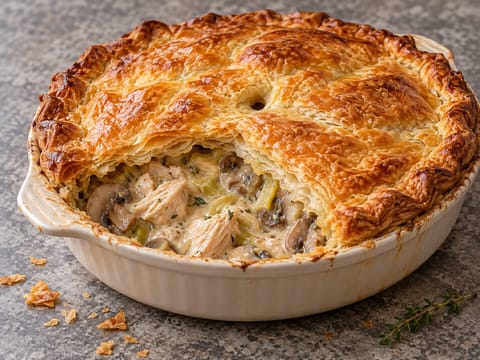
Chicken and leek pie with mushrooms and puff pastry
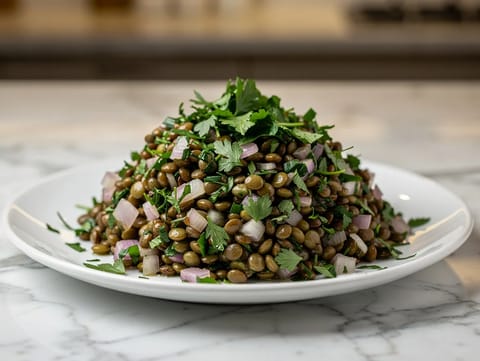
Warm French lentil salad with mustard dressing, shallot and parsley
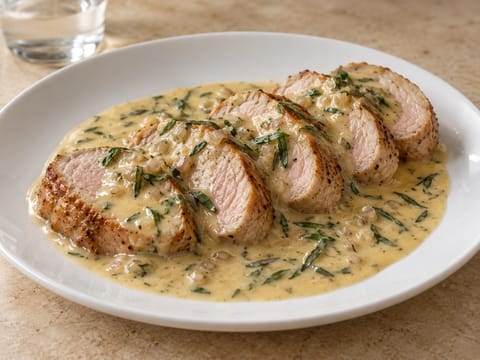
Seared pork tenderloin with Dijon and tarragon cream sauce
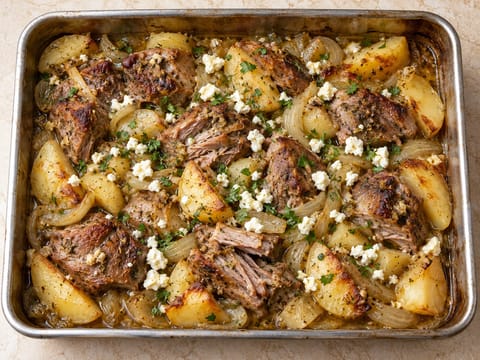
Slow-baked lamb in parchment with potatoes, lemon and oregano
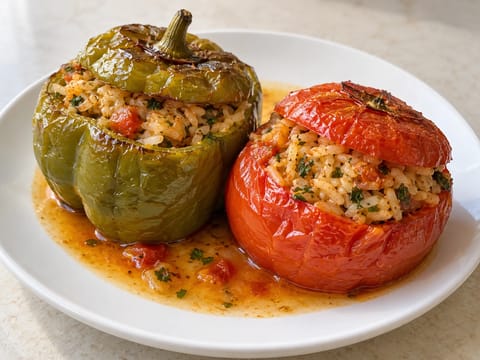
Peppers and tomatoes stuffed with herby rice and baked
Some herby recipes use herbs as a main ingredient, creating a thick, green sauce or paste that coats food and carries oil and salt. Others use herbs as a finishing layer, scattered over soups, grains or roasted vegetables for a fresh top note.
You’ll also see herbiness built into the cooking fat. Warming herbs in butter or olive oil perfumes the whole dish and can soften sharper herbal notes. Blended herb dressings and marinades sit somewhere in between: they taste fresh, but the blending releases more aroma and can make the flavour feel more assertive.
Texture matters. Finely chopped herbs disappear into a sauce; whole leaves give bursts of flavour; woody sprigs perfume and are removed. Choosing the format helps you control how “herby” each bite feels.
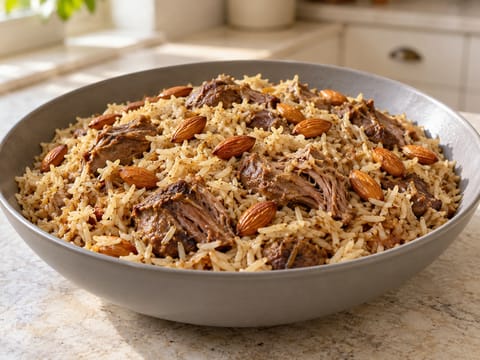
Slow-cooked lamb with spiced rice and toasted almonds
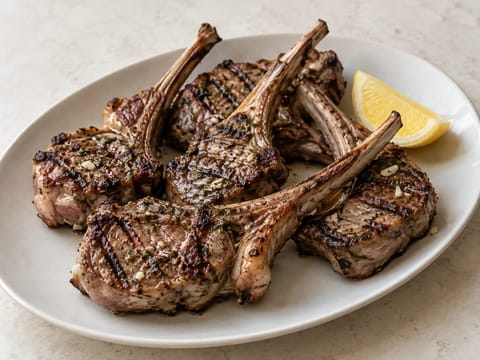
Roman-style grilled lamb chops with rosemary, garlic and lemon

Arabic coffee gently brewed with green cardamom
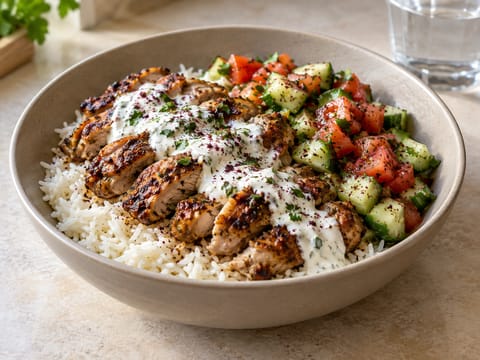
Turkish chicken bowl with rice, garlic yoghurt and salad
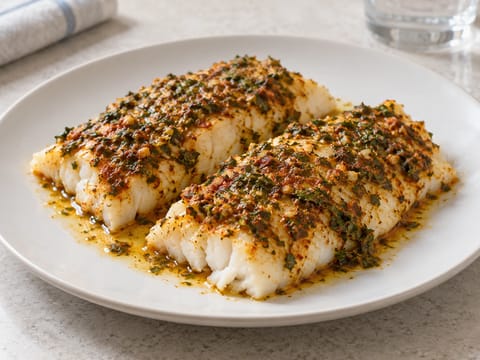
Baked white fish topped with chermoula coriander and spices
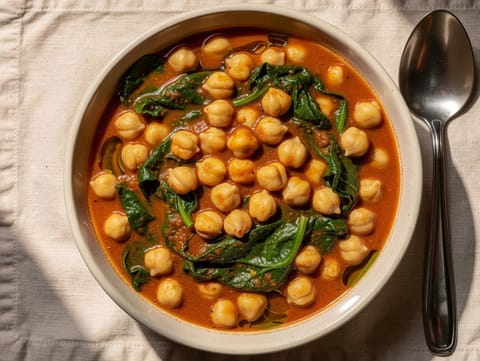
Spanish chickpea stew with spinach, cumin and paprika
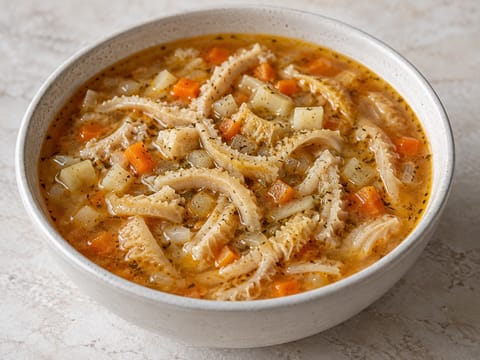
Polish tripe soup with marjoram and sweet paprika
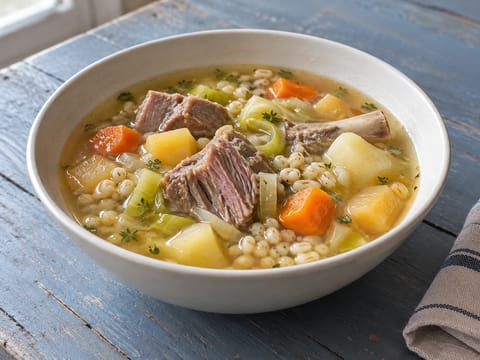
Icelandic lamb soup with root vegetables, barley and thyme
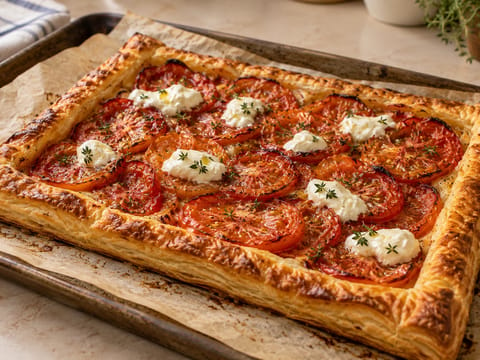
Puff pastry tart with Dijon mustard and baked tomatoes
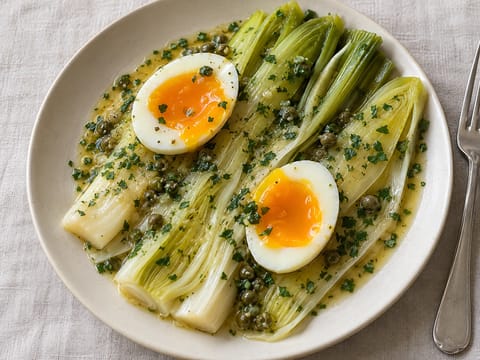
Simmered leeks in Dijon vinaigrette with soft-boiled egg
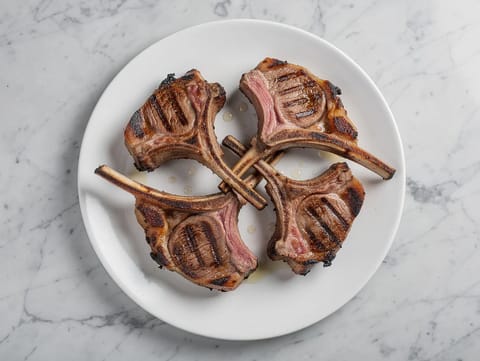
Grilled lamb cutlets with rosemary, garlic and lemon
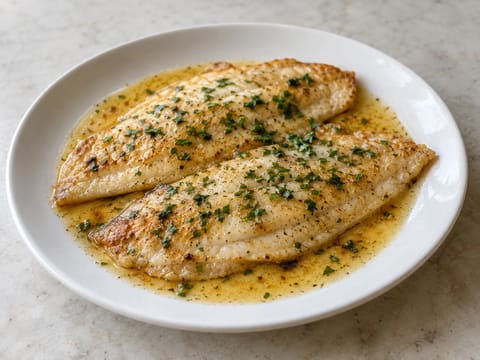
Pan-fried sole finished with brown butter, lemon and parsley
If you want a clean, fresh-tasting herbiness, choose recipes that add tender herbs late, or use them raw. These dishes often rely on careful seasoning, because herbs can taste muted without enough salt and a little acid.
If you want a deeper, more savoury herbiness, look for recipes that cook herbs in oil, butter or stock. Woody herbs are particularly suited to this, and the flavour tends to spread evenly through the dish.
If you want herbiness to stand up to rich ingredients, recipes may use a larger quantity of herbs, a punchier herb (such as mint or coriander), or a blended sauce. In these cases, bitterness can creep in if herbs are over-processed or cooked too hard, so technique matters as much as the ingredient list.
Ingredient browsing is helpful for comparing herbs and the foods they naturally complement, from tomatoes and citrus to lamb, fish or pulses. Dish browsing helps when you know the role you want herbs to play, such as a sauce, a salad, a roast, or a soup finished with a handful of chopped greens.
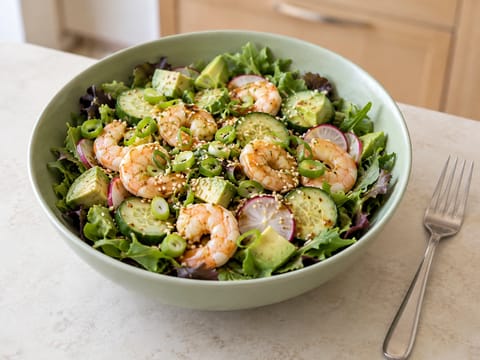
Low carb poke bowl with prawns, avocado and cucumber.
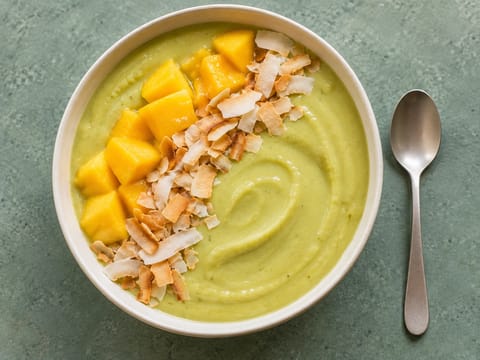
Coconut pandan smoothie bowl topped with mango and toasted coconut.
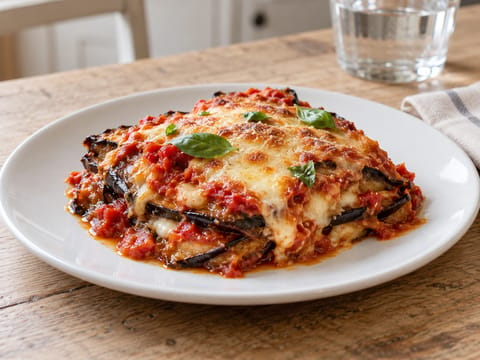
Baked aubergine layered with tomato sauce, basil and cheese
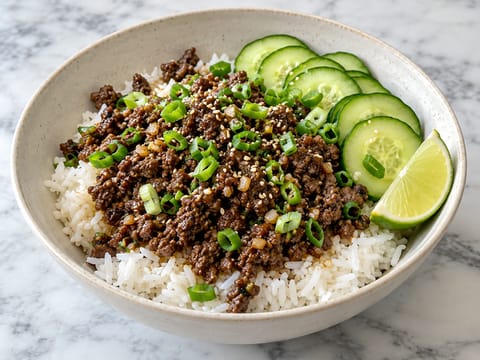
Minced beef over jasmine rice with soy, sesame and lime.
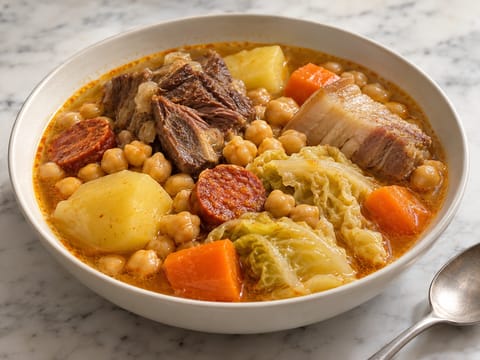
Madrid chickpea stew with beef, pork belly and chorizo
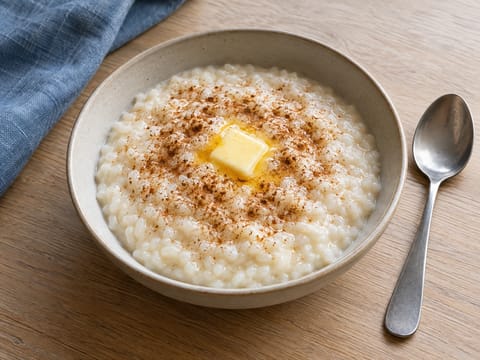
Creamy Nordic rice porridge with cinnamon and butter

Pan-seared salmon with lemon beurre blanc
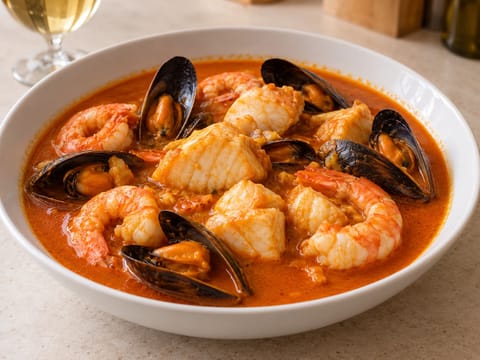
Catalan fish stew with monkfish, mussels and prawns
Many of the aromas in tender herbs are volatile and dissipate with heat. Adding them late, or using them raw, keeps those top notes more intact.
Not exactly. Drying changes the aroma profile and how the herb releases flavour. Recipes that use dried herbs usually build them in earlier so they can rehydrate and infuse.
Over-blending can bruise herbs and release bitter compounds, especially if the mixture warms up. Some recipes avoid this by pulsing briefly, adding oil gradually, or blending with a little acid.
Woody herbs such as rosemary and thyme generally hold up better than tender herbs like basil or parsley, which are often added at the end.
Often it’s about support: enough salt, a little acid, and the right fat to carry aroma. A fresh herb finish can also make the existing herb flavour read more clearly.
Herby flavour is easiest to control when you decide how the herbs will appear: raw and leafy, gently infused, or blended into a sauce. That choice shapes both the aroma and the texture of the finished dish.
