
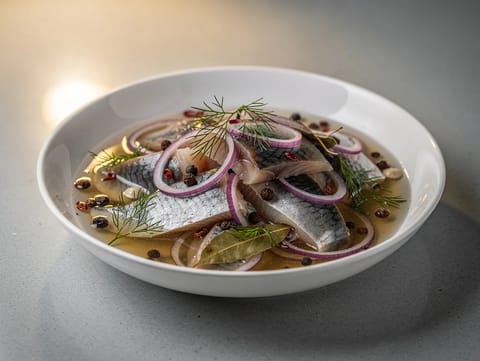
Julbord Pickled Herring (Sweet-Sour Brine with Dill and Red Onion)
Pickled herring in sweet-sour brine with dill and red onion

Sourness is the flavour that makes food taste lively and precise. It can come from citrus, vinegar, tamarind, yoghurt, sour cream, fermented vegetables and many other ingredients, and each brings its own aroma and texture along with acidity. The most useful way to think about sour recipes is by what the sour element is doing: cutting through richness, sharpening a sauce, brightening a salad, or giving a sweet dish a clean finish. Once you know the role, the right pairings become much easier to choose.
Sour is a basic taste, but in cooking it rarely appears on its own. Citrus brings fragrance as well as acidity; vinegar can be clean and sharp or rounded and mellow depending on type; yoghurt and other cultured dairy add both sourness and creaminess. Fermented ingredients often contribute savoury depth alongside acidity, which can make a dish taste fuller rather than simply sharper. Sourness is not the same as bitterness, and it is not the same as heat, though they can overlap in some ingredients. In savoury food, sourness often reads as freshness; in sweet food, it keeps fruit and sugar from tasting cloying.
Pickled herring in sweet-sour brine with dill and red onion

Tamarind iced tea with black tea and lime

Light Vietnamese sweet and sour fish soup with tamarind

Slow-roasted suckling pig with garlic and orange
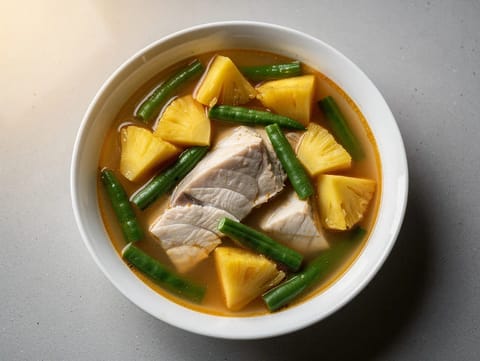
Sour orange Thai fish curry with tamarind and pineapple

Tamarind and chilli ice lollies with lime
Acidity is at its most useful when it has something to push against. Fat is the classic partner: think creamy dressings, oily fish, rich meats, coconut milk or nut pastes, all of which can feel lighter with a sour note. Salt makes sourness taste clearer and more “food-like”, which is why pickles and brined ingredients often pair well with acidic dressings. Sweetness softens the edges, whether that sweetness comes from fruit, roasted vegetables or a small amount of sugar in a sauce. Aromatics matter too: garlic, ginger and fresh herbs can carry sourness through a dish so it tastes integrated rather than like a last-minute squeeze of lemon.
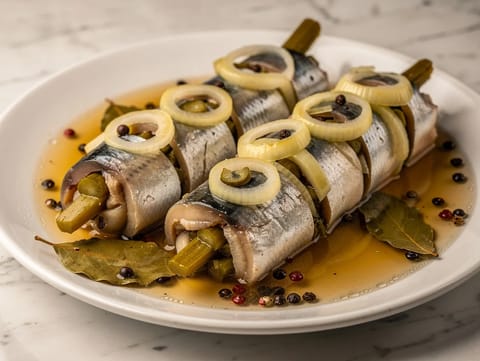
Pickled herring rolls filled with gherkins and onion
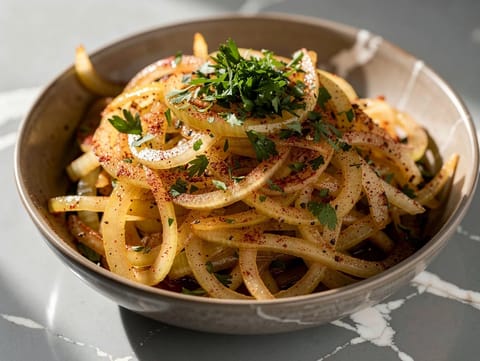
Sharp sumac onion salad with lemon, olive oil and parsley

Fizzy Thai lime soda served over ice
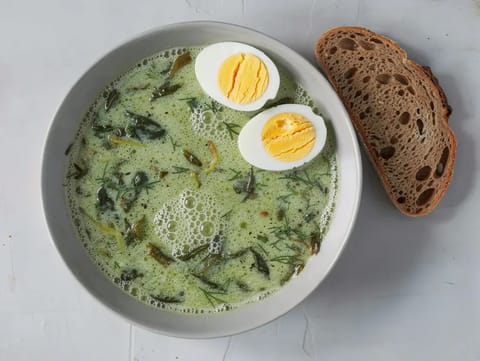
Polish sorrel soup with sour cream and hard-boiled eggs
Slow-roasted suckling pig with garlic and orange
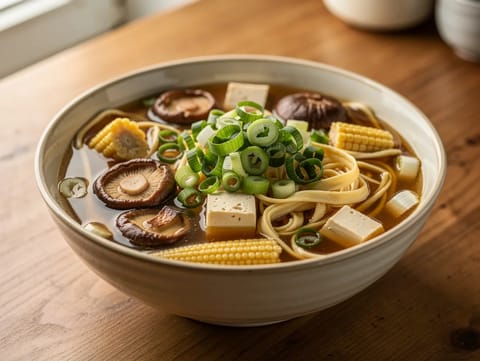
Tangy hot and sour soup with tofu and shiitake
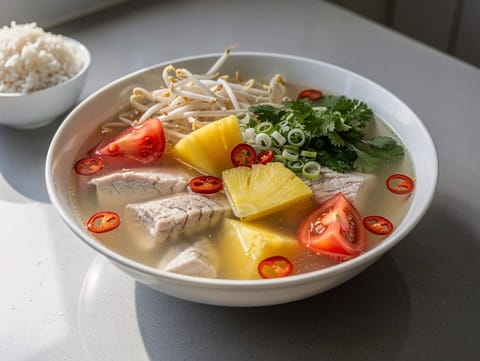
Sweet and sour Vietnamese fish soup with tamarind and pineapple
Sour orange Thai fish curry with tamarind and pineapple
Tamarind and chilli ice lollies with lime
Tamarind iced tea with black tea and lime
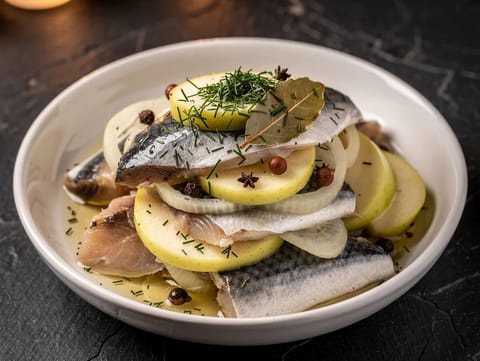
Chilled herring layered with apple and onion in sweet-sour dressing

Tangy tamarind paletas with chilli and lime
For a bright, clean sourness, citrus juice and zest tend to give the quickest lift, especially in salads, seafood and light sauces. For a more assertive, direct sharpness, vinegar-based recipes often taste punchier and can stand up to fried foods, beans and robust vegetables. If you want sourness with body, cultured dairy and fruit purées bring acidity plus texture, which suits dips, marinades and desserts. Fermented sourness is usually more complex and savoury, so it can work as a backbone flavour rather than just a finishing touch. If a dish tastes “too sour”, it often needs either more salt, more fat, or a little sweetness, not necessarily less acid.
If you know the sour ingredient you enjoy most, browsing by Ingredient helps you compare how lemon, vinegar, yoghurt or fermented foods behave across different recipes. Dish type is also useful here: sourness plays a different role in soups, salads, sauces and desserts, and the format often tells you how prominent the acidity will feel.
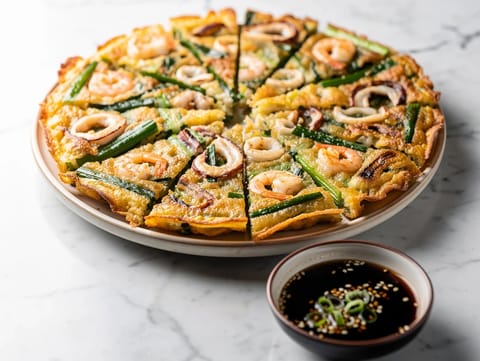
Seafood and spring onion pancake with soy vinegar dipping sauce

Polish roasted pork knuckle with marjoram, caraway and mustard
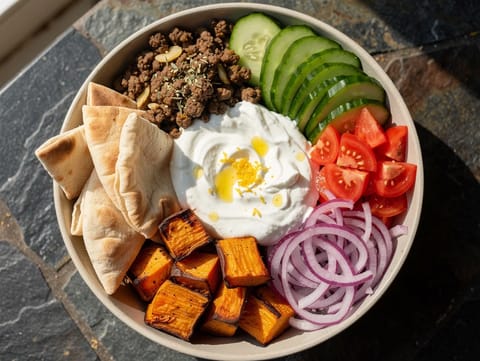
Gyro-style bowl with sweet potato, spiced lamb and pitta

Beer burger with onion pan sauce, cheese and Dijon mustard
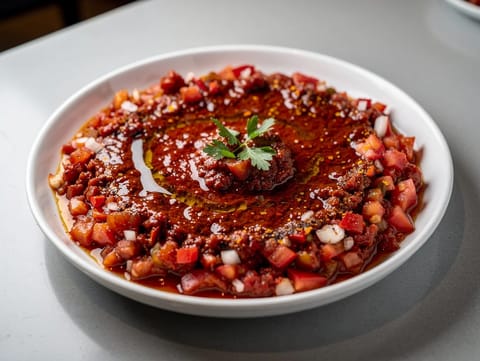
Spicy Turkish tomato and pepper dip with pomegranate molasses
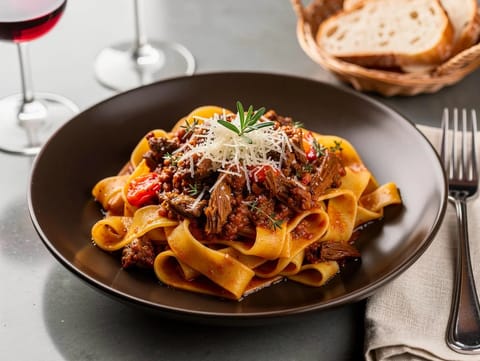
Pappardelle with slow-simmered wild boar ragù and pecorino

Crisp schiacciata with prosciutto, rocket, olive oil and lemon
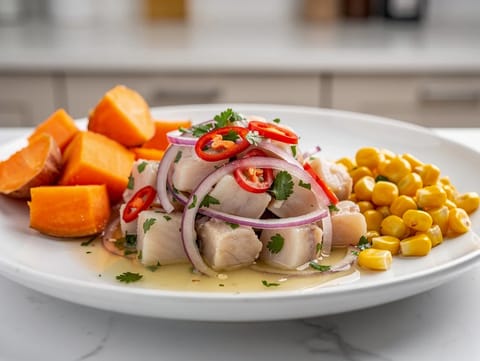
Sea bass ceviche cured in lime with onion, chilli and coriander
Tangy is a looser description. It often means noticeably sour, but it can also imply extra aroma or savoury complexity, as with yoghurt, mustard or fermented ingredients.
Acidity cuts through fat on the palate and makes flavours taste more defined. It does not remove richness, but it changes how quickly the richness builds as you eat.
Often, yes. A final squeeze of citrus or a splash of vinegar can brighten a dish. Some acids taste harsher when raw, though, so recipes sometimes cook them briefly to round them out.
Both add acidity, but lemon also brings citrus aroma and a softer impression of sourness. Vinegar is usually more direct and can taste cleaner or more pungent depending on the type.
Acidity needs balance. If there is not enough salt, sweetness, fat or aromatic flavour, sourness can read as sharp but empty. Adjusting those supporting elements often restores depth.
Sour recipes are easiest to choose when you decide what the acidity should do: lift, cut, sharpen or set the tone. From there, pair it with fat, salt and aromatics so the sharpness tastes deliberate rather than accidental.
