
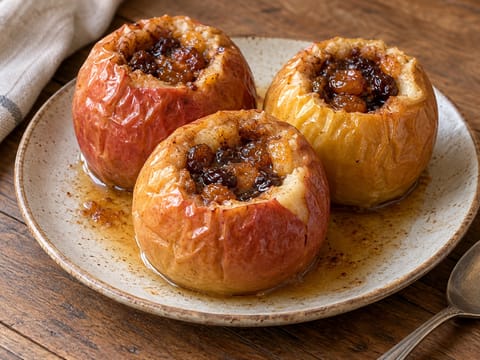
Air Fryer Baked Apples
Air fryer baked apples filled with cinnamon, brown sugar and butter.

Sweetness is not only for desserts. In cooking, it can come from sugar and syrups, but also from fruit, sweet vegetables, dairy, and the browned flavours created by roasting and caramelisation. Sweet recipes can feel light and fresh, like fruit-forward dishes, or deep and toasty, like caramel and chocolate. The most useful question is what kind of sweetness you want: clean and fruity, creamy and mellow, or dark and caramelised. That choice affects everything from texture to how much salt or acidity the dish needs.
Sweetness can be straightforward, as in sugar-sweetened batters and custards, or more layered, as in roasted vegetables and slow-cooked onions where browning creates a deeper, savoury-adjacent sweetness. Fruit sweetness brings acidity and aroma, which often makes it taste lighter than the same level of sugar in a syrup. Dairy sweetness, from milk, cream or condensed milk, tends to read as soft and rounded. Sweetness also changes texture expectations: it helps baked goods brown, it can thicken sauces and glazes, and it can make frozen desserts scoopable. “Sweet” does not automatically mean cloying; in well-balanced recipes, sweetness is usually shaped by salt, bitterness, spice or acidity.
Air fryer baked apples filled with cinnamon, brown sugar and butter.
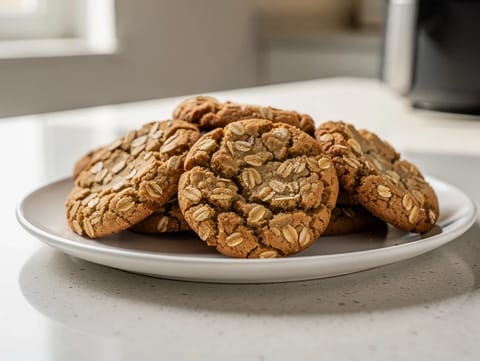
Air fryer oatmeal cookies with a chewy centre and crisp edges.
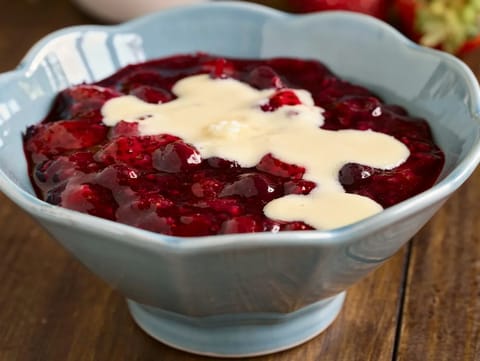
Chilled German red berry pudding thickened with cornflour
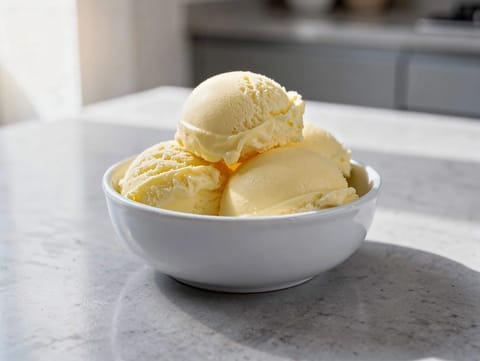
Italian lemon gelato made with fresh zest and juice

Air fryer vanilla sponge cake with simple vanilla buttercream.
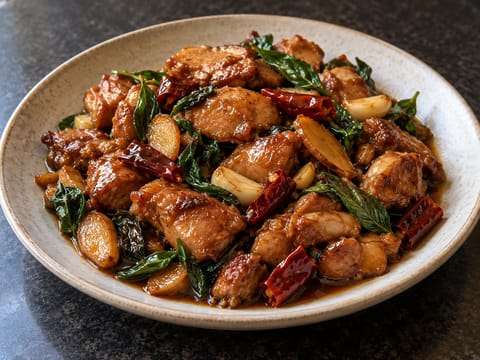
Three-cup chicken with basil, soy sauce and sesame oil
Salt is the quiet workhorse in sweet cooking. A small amount makes sweetness taste clearer and can stop chocolate, caramel and nuts from tasting flat. Acidity, from citrus, berries, yoghurt or vinegar, gives sweet dishes a clean finish and is especially helpful with rich ingredients like butter and cream. Bitterness is another useful counterweight, whether from cocoa, coffee, dark greens or charred edges. Spices and aromatics, such as vanilla, cinnamon, cardamom, ginger and citrus zest, add complexity so sweetness tastes like flavour rather than just sugar. In sweet-savoury dishes, sweetness often works best when it is tied to browning or fruit, rather than added as a blunt sweetener.
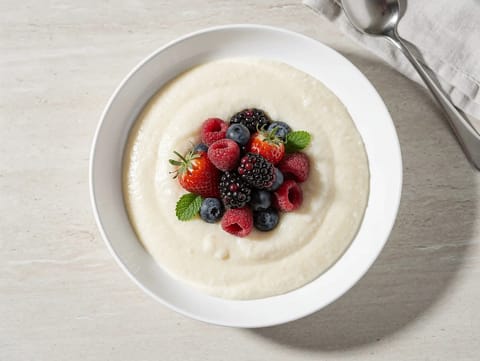
Creamy semolina porridge with butter and mixed berries
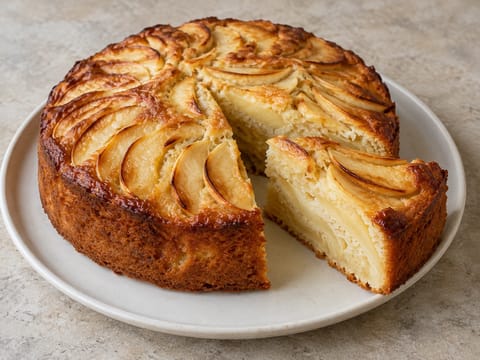
Italian apple and yoghurt cake with lemon and vanilla
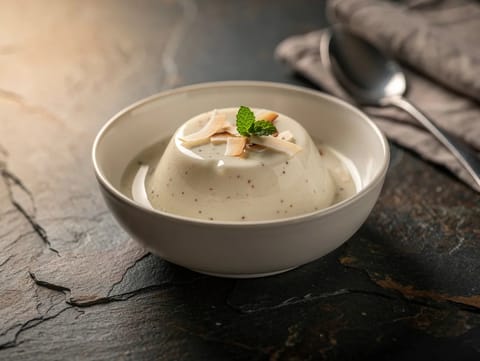
Vegan coconut panna cotta set with agar-agar and vanilla
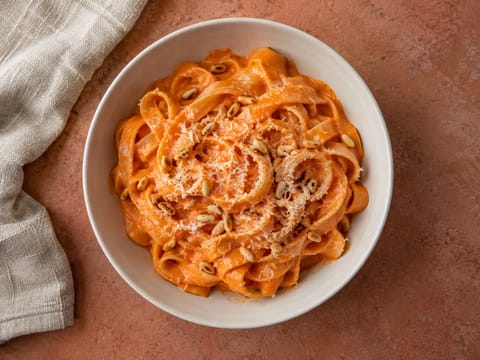
Pasta in roasted red pepper and mascarpone sauce with pine nuts
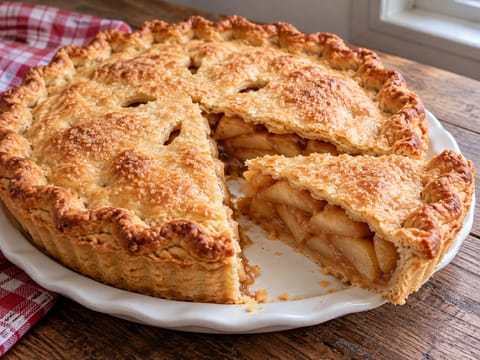
Shortcrust apple pie with cinnamon and lemon
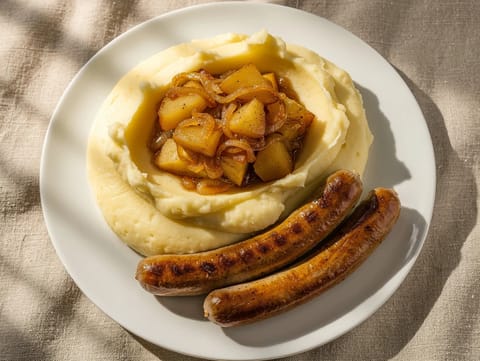
Mashed potatoes with cooked apples, pork sausages and caramelised onions
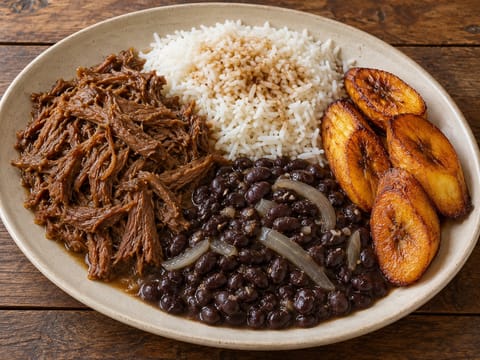
Shredded beef with black beans, rice and sweet plantain.

Cantonese roast duck with crisp skin and plum sauce
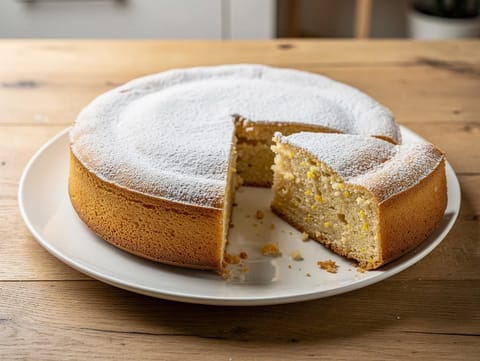
Gluten-free almond cake with lemon zest and icing sugar
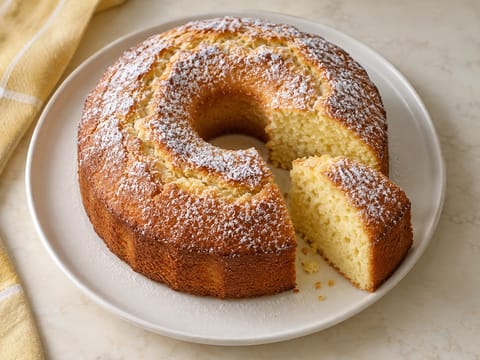
Italian lemon ring cake dusted with icing sugar
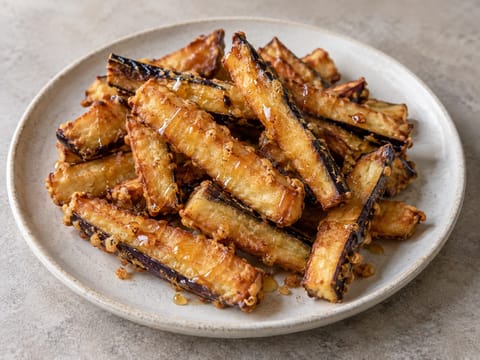
Crisp fried aubergine batons drizzled with cane honey
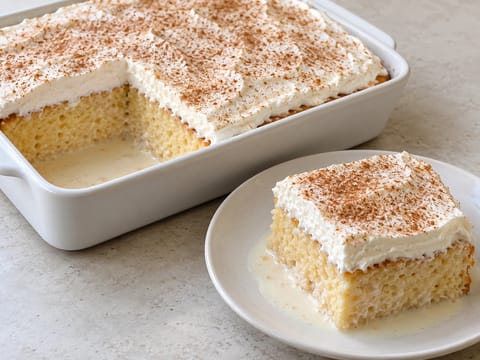
Milk-soaked sponge cake with whipped cream and cinnamon
For bright sweetness, look for fruit-led recipes where the flavour comes with natural acidity, such as citrus, stone fruit or berries. These often taste lighter and can suit chilled desserts and simple bakes. For creamy sweetness, custards, puddings and dairy-based desserts tend to feel mellow and comforting, with sweetness that spreads evenly rather than hitting sharply. For dark, toasty sweetness, caramel, browned butter, treacle and chocolate bring depth and a slight bitterness that keeps the finish grown-up. If you are choosing a sweet-savoury direction, glazes and sauces often give the clearest effect, while roasted vegetables and slow-cooked onions give a more subtle sweetness that supports the main ingredient.
Ingredient browsing is a natural companion to sweet flavours, because sugar, honey, fruit, chocolate and sweet vegetables all create different kinds of sweetness. Dish type is equally helpful: sweetness behaves differently in cakes, biscuits, sauces, drinks and savoury mains, and the format often tells you whether the sweetness is the focus or a supporting note.
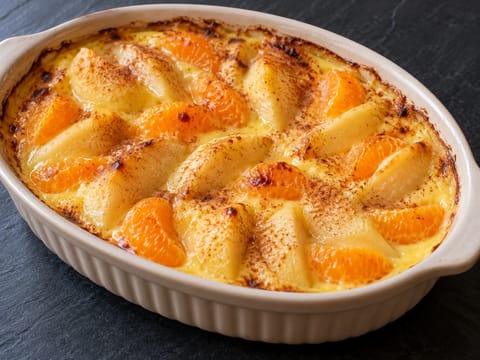
Warm fruit gratin topped with vanilla custard and grilled golden
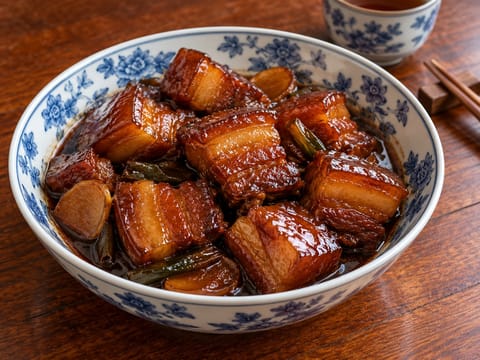
Red-braised pork belly simmered until tender and glossy
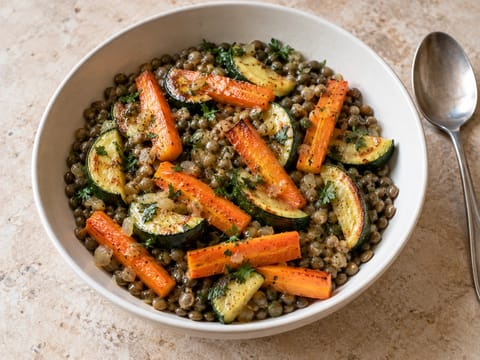
Green lentils with roasted carrots and courgettes in Dijon dressing
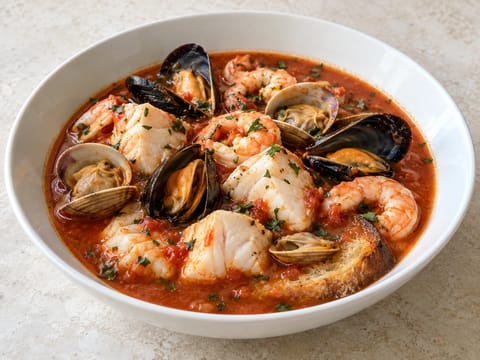
Tuscan fish stew served over toasted garlic-rubbed bread

Jackfruit tacos in ancho chilli mole-style sauce
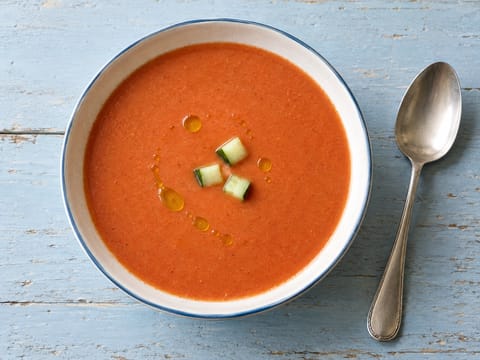
Chilled tomato soup blended with cucumber, pepper and garlic
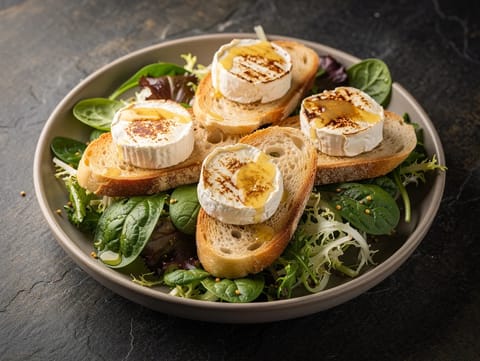
Leafy salad with warm goat’s cheese on toasted baguette

Bacon-wrapped pheasant with buttery Savoy cabbage
Yes. Fruit, sweet vegetables and dairy can contribute noticeable sweetness, and roasting or caramelising ingredients can create a deeper sweet impression through browning.
Salt sharpens flavour perception. In sweet dishes it can make sweetness taste clearer and can bring out chocolate, caramel and nut flavours without making the dish taste salty.
Fruity sweetness usually comes with acidity and aroma, so it tastes brighter. Caramel sweetness is created by browning sugars and tends to taste deeper, toastier and sometimes slightly bitter.
Sugar helps with browning and can tenderise baked goods by interfering with gluten development. It also influences moisture retention, which affects how soft or crisp a bake turns out.
Sweetness can feel disconnected if it is added without enough salt, acidity or savoury depth. Tying sweetness to browning, fruit, or a well-seasoned sauce often makes it taste more integrated.
Sweet recipes are easiest to navigate when you decide whether you want bright fruit, creamy comfort, or dark caramel depth. From there, look for the balancing notes, salt, acidity, bitterness or spice, that keep the sweetness tasting intentional.
