
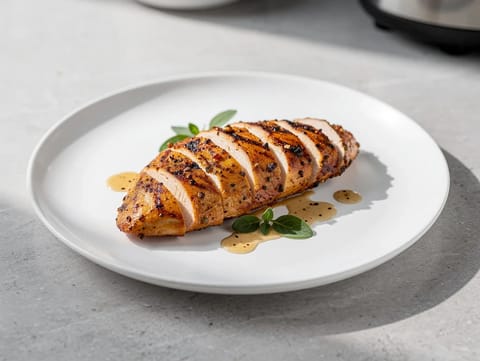
Air Fryer Marinated Chicken Breast
Air-fried chicken breast marinated with soy, lemon, garlic and honey.

Umami is the savoury, mouth-filling taste that makes food feel deeply satisfying and long-lasting. It is not “salty” or “meaty” as such, though it often travels with both. You notice it as depth and roundness, especially in broths, slow-cooked sauces, roasted vegetables and dishes that use fermented or aged ingredients. Umami can be subtle, but it changes the overall shape of a recipe, making flavours seem more complete and less sharp at the edges.
Umami comes from naturally occurring compounds (notably glutamates and nucleotides) that are concentrated by ageing, fermentation, drying, browning and long cooking. That is why ingredients such as tomatoes, mushrooms, aged cheeses, cured meats, seaweeds and fermented sauces are often described as “savoury”. Technique matters as much as ingredients. A well-browned base, a reduced stock, or a long-simmered sauce can build umami even without strongly flavoured additions, because water evaporates and flavours concentrate. Umami is also cumulative: small amounts from several sources can add up to a noticeable depth without any single ingredient standing out.
Air-fried chicken breast marinated with soy, lemon, garlic and honey.
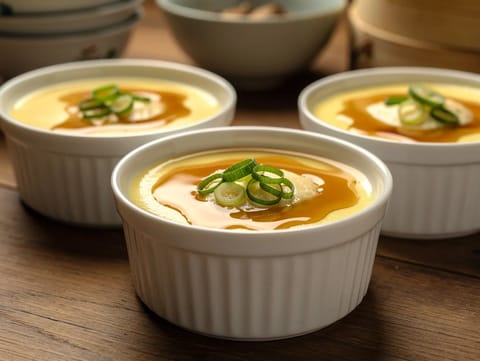
Silky Chinese steamed egg custard with soy and sesame
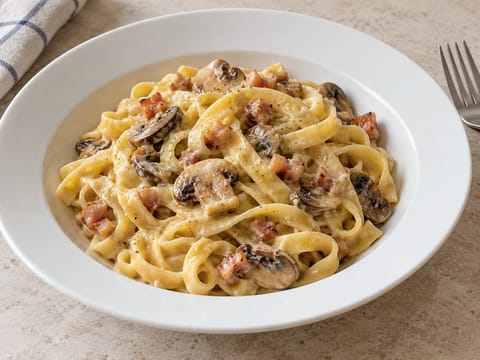
Pasta with creamy mushrooms, pancetta, white wine and Parmesan
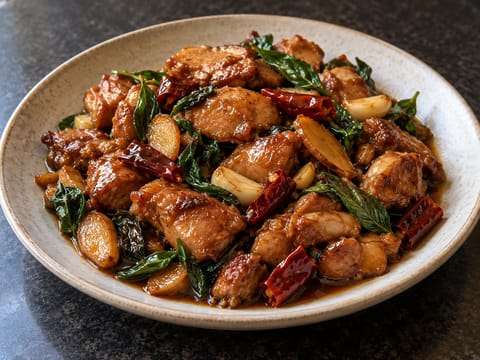
Three-cup chicken with basil, soy sauce and sesame oil
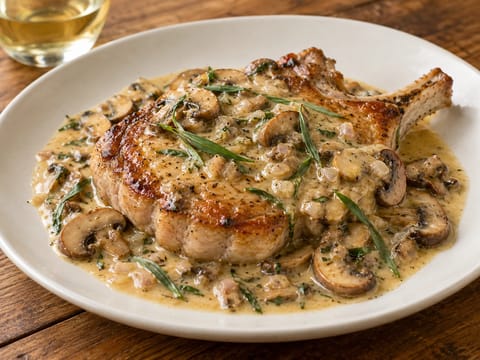
Veal chops with creamy mushroom sauce
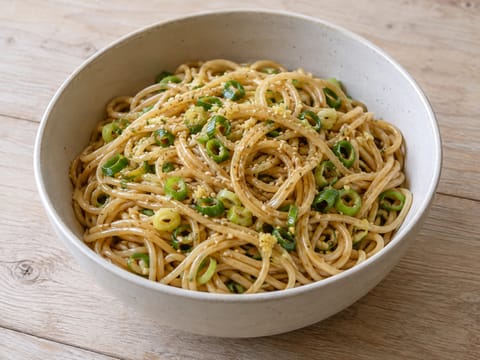
Wheat noodles with ginger spring onion oil and soy
Umami likes contrast. Acidity (wine, citrus, vinegar, tomatoes used for their sharpness) can stop savoury dishes tasting heavy, while bitterness from greens or char can add definition. Heat and spice can ride on an umami base without tasting thin, which is why chilli pastes and peppery sauces often feel fuller when paired with fermented or slow-cooked elements. Texture plays a role too: a glossy sauce, a silky soup, or a juicy roasted vegetable tends to carry savoury flavour more evenly than something very dry. If a dish tastes flat, it may need brightness or aroma rather than more umami.
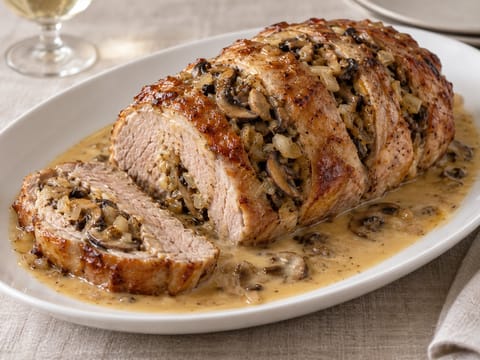
Roast veal layered with mushroom and onion stuffing
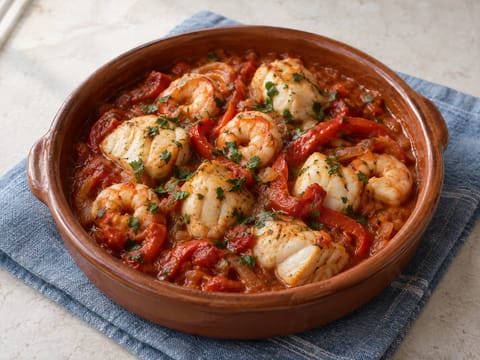
Monkfish and prawns in saffron tomato and white wine sauce
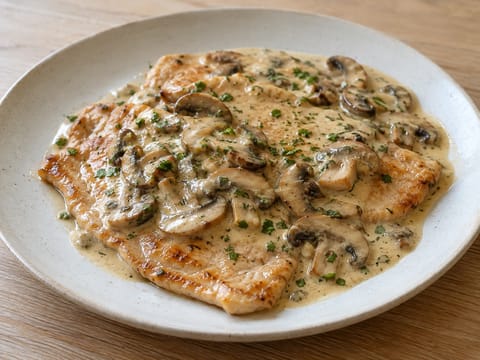
Pan-fried veal escalopes with mushroom Dijon cream sauce
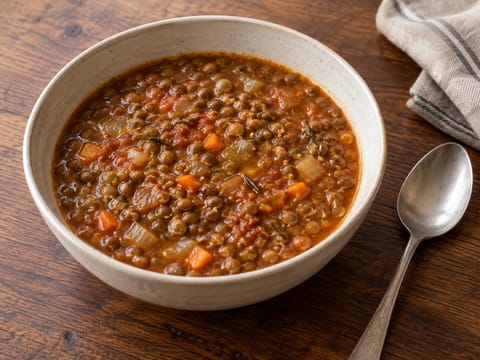
Tuscan lentil soup with vegetables, tomato broth and rosemary
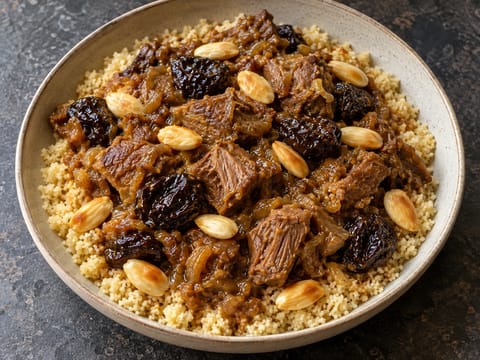
Lamb tagine with prunes and toasted almonds
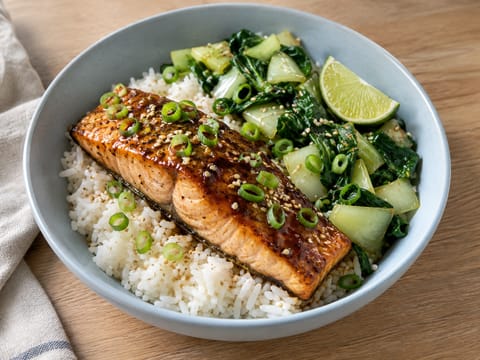
Soy-glazed salmon with jasmine rice and pak choi
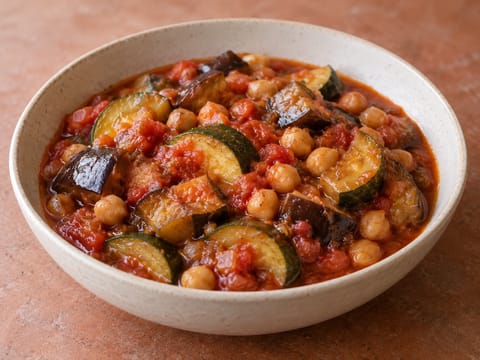
Vegetable stew with chickpeas, tomatoes, aubergine and courgette
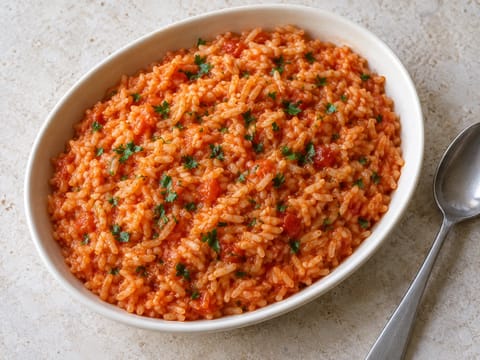
Creamy Portuguese tomato rice with onion, garlic and parsley
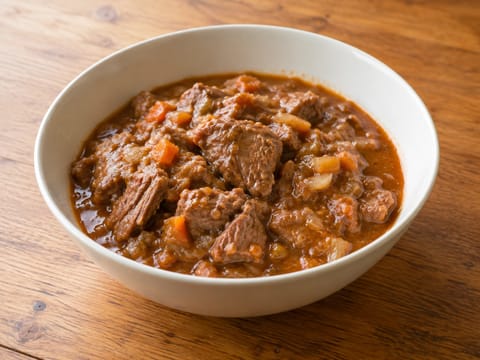
Italian veal stew braised with vegetables, wine and stock
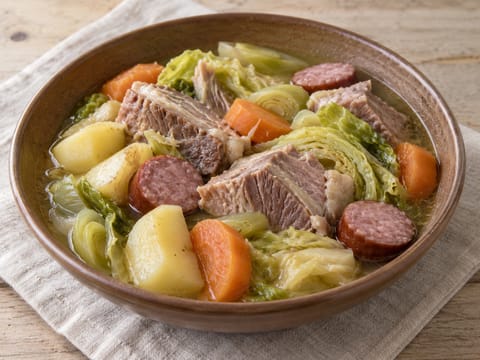
French cabbage and pork stew with potatoes and smoked sausage
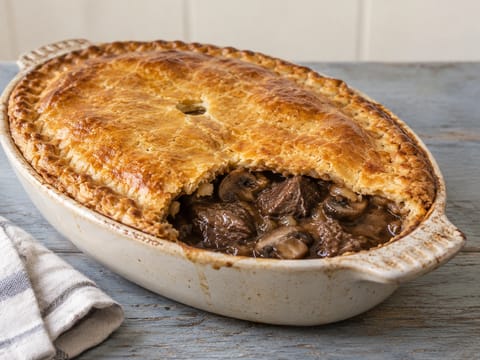
Game pie with mushrooms in red wine gravy and pastry
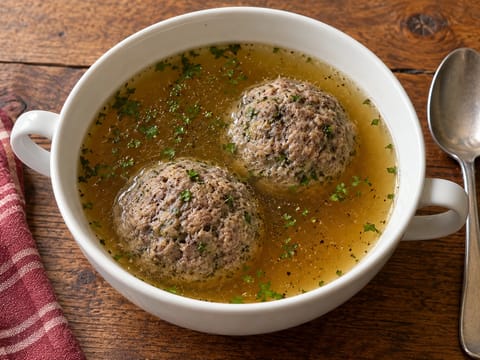
Clear beef broth with poached German liver dumplings
For a clean, brothy kind of umami, look for recipes that build a base with stock, seaweed, mushrooms or gentle fermented seasonings. For a darker, more roasted depth, browning and reduction are usually the drivers, often alongside tomatoes, caramelised onions or pan juices. If you want umami with a creamy feel, aged cheeses and slow-cooked sauces tend to give both savouriness and a rounded texture. Pay attention to salt: many umami-rich ingredients are also salty, so the best results often come from seasoning later, once the dish has reduced and the savoury elements are fully present.
Ingredient browsing is especially helpful for umami, because the same savoury depth can come from very different sources, from mushrooms to tomatoes to fermented sauces. Dish type is a good companion when you want that flavour in a particular format, such as soups, sauces, noodles or vegetable sides.

Courgettes stuffed with minced lamb and rice in tomato sauce
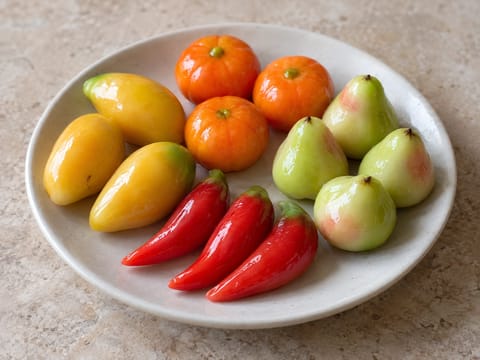
Fruit-shaped Thai mung bean sweets glazed with a clear agar coating
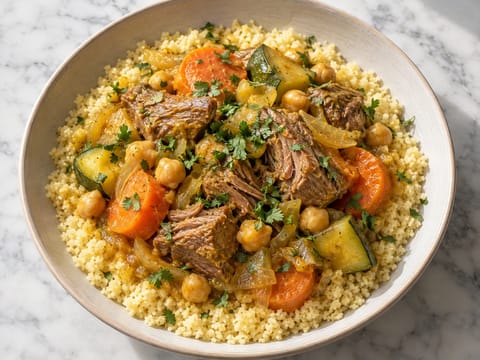
Steamed couscous with tender lamb, chickpeas and vegetables
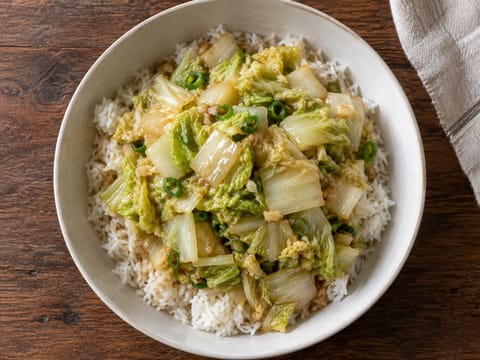
Napa cabbage stir-fry with soy and sesame over jasmine rice
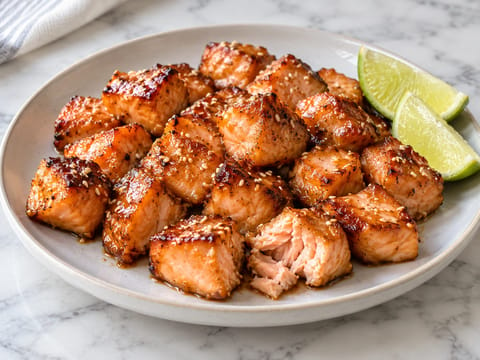
Glazed air-fried salmon bites with soy, sesame and lime.
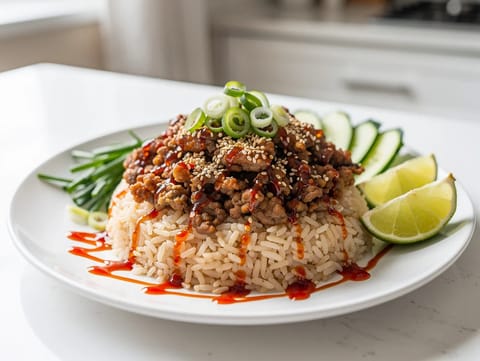
Minced pork over jasmine rice with soy, ginger and cucumber.
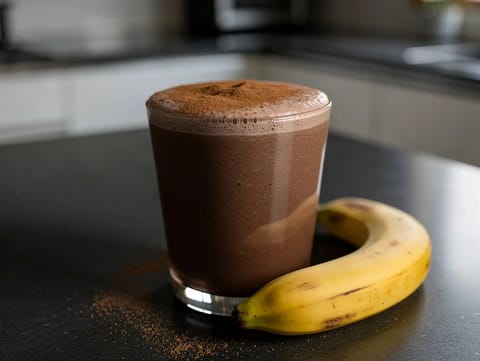
Banana smoothie blended with cocoa, cinnamon and chilli.
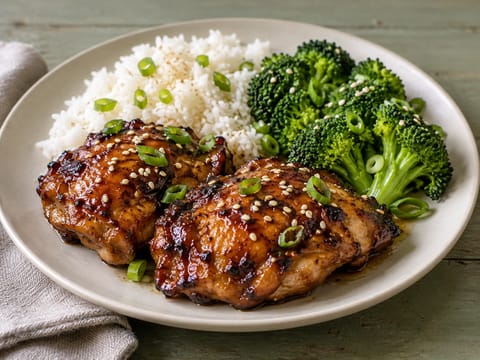
Sticky air-fried chicken with garlic soy glaze.
It tastes savoury and rounded, with a lingering depth. It often makes food feel fuller on the palate, even when the seasoning is not especially salty.
No. Salt enhances flavour and can make umami easier to notice, but umami is a distinct taste. Many umami-rich ingredients are salty, which is why they are sometimes confused.
Common examples include tomatoes, mushrooms, aged cheeses, cured meats, seaweeds and fermented sauces. Drying, ageing and fermentation tend to concentrate savoury compounds.
Long cooking and reduction concentrate flavours, and browning reactions add complexity. Together, they build a deeper savoury profile that reads as umami.
Yes. Mushrooms, tomatoes, seaweed and fermented ingredients can provide strong savoury depth, and roasting can intensify it by concentrating flavours and adding browning.
Add contrast rather than more savouriness. A little acidity, fresh herbs, citrus zest, or a bitter green element can sharpen the overall flavour and make the umami feel purposeful.
Think of umami as structure: it supports other flavours and helps a dish taste complete. Choose the source that suits the mood you want, then balance it with brightness, aroma and texture so the savoury depth stays clear rather than muddy.
