
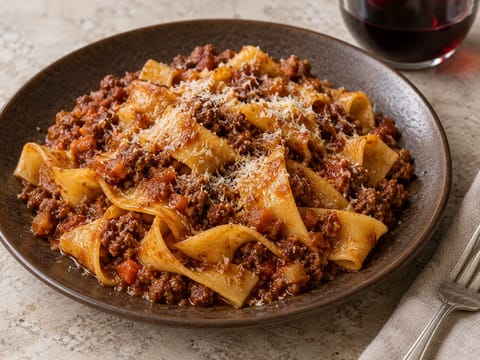
Pappardelle al Cinghiale (Pappardelle with Wild Boar Ragù)
Pappardelle with slow-simmered wild boar ragù and pecorino

Umami is the savoury, mouth-filling taste that makes food feel deeply satisfying and long-lasting. It is not “salty” or “meaty” as such, though it often travels with both. You notice it as depth and roundness, especially in broths, slow-cooked sauces, roasted vegetables and dishes that use fermented or aged ingredients. Umami can be subtle, but it changes the overall shape of a recipe, making flavours seem more complete and less sharp at the edges.
Umami comes from naturally occurring compounds (notably glutamates and nucleotides) that are concentrated by ageing, fermentation, drying, browning and long cooking. That is why ingredients such as tomatoes, mushrooms, aged cheeses, cured meats, seaweeds and fermented sauces are often described as “savoury”. Technique matters as much as ingredients. A well-browned base, a reduced stock, or a long-simmered sauce can build umami even without strongly flavoured additions, because water evaporates and flavours concentrate. Umami is also cumulative: small amounts from several sources can add up to a noticeable depth without any single ingredient standing out.
Pappardelle with slow-simmered wild boar ragù and pecorino
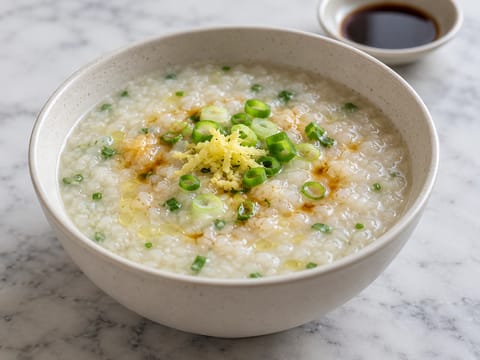
Creamy jasmine rice congee with ginger and spring onion

Breaded chicken breast air-fried until golden and crisp.
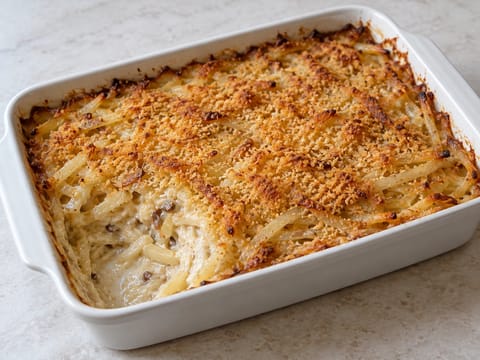
Swedish potato gratin with anchovies, onion and double cream
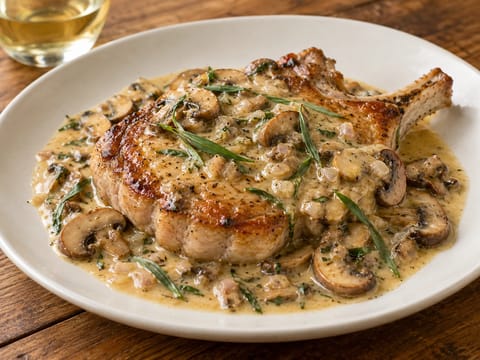
Veal chops with creamy mushroom sauce
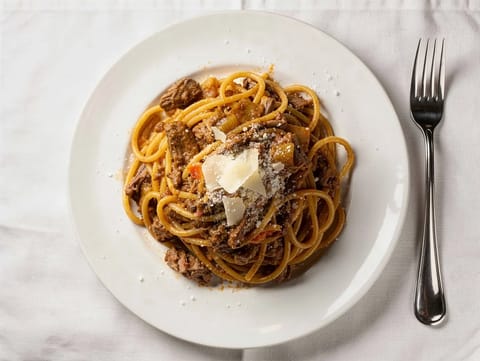
Spaghetti with onion-braised beef sauce and Parmesan
Umami likes contrast. Acidity (wine, citrus, vinegar, tomatoes used for their sharpness) can stop savoury dishes tasting heavy, while bitterness from greens or char can add definition. Heat and spice can ride on an umami base without tasting thin, which is why chilli pastes and peppery sauces often feel fuller when paired with fermented or slow-cooked elements. Texture plays a role too: a glossy sauce, a silky soup, or a juicy roasted vegetable tends to carry savoury flavour more evenly than something very dry. If a dish tastes flat, it may need brightness or aroma rather than more umami.
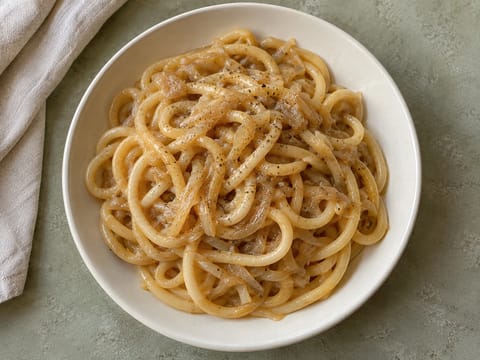
Thick pasta with slow-cooked onion and anchovy sauce

Slow-cooked bean stew with duck confit, pork and sausages

Minced beef pie topped with creamy mashed potatoes
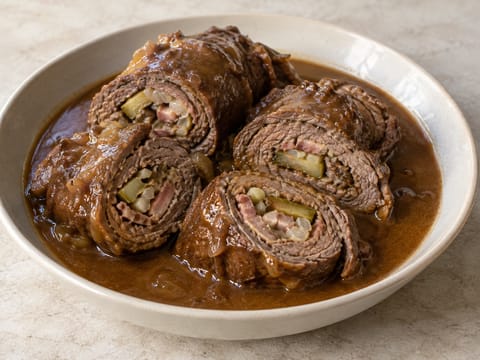
Braised beef rolls filled with mustard, bacon, onion and gherkins
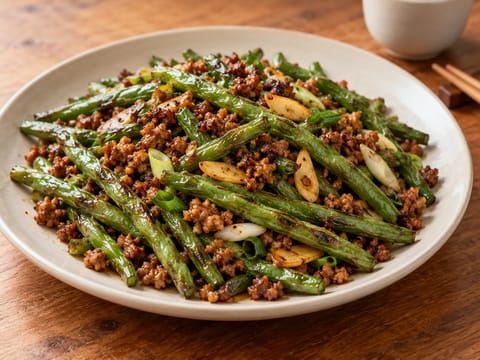
Blistered green beans stir-fried with minced pork and soy sauce
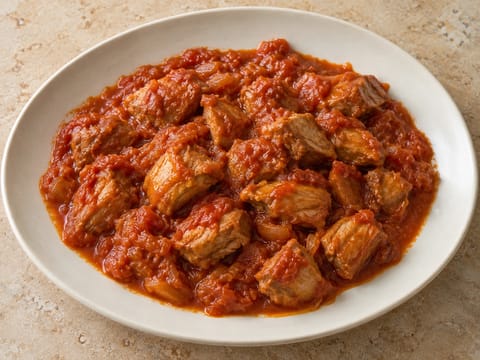
Andalusian pork simmered in a thick tomato and paprika sauce

One-pot jambalaya with chicken, andouille sausage and rice
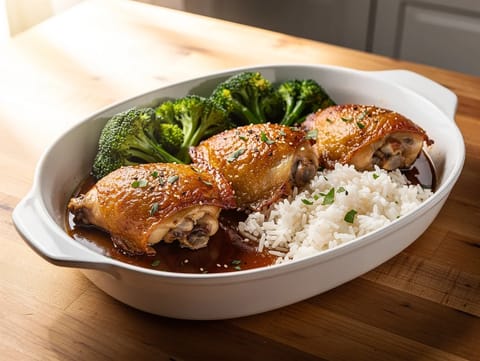
Baked chicken thighs with a sticky honey garlic soy glaze
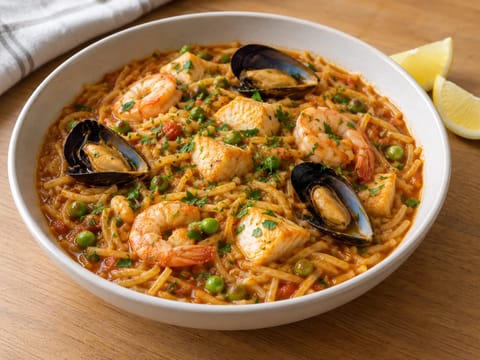
Catalan fideos casserole with seafood in tomato and saffron broth
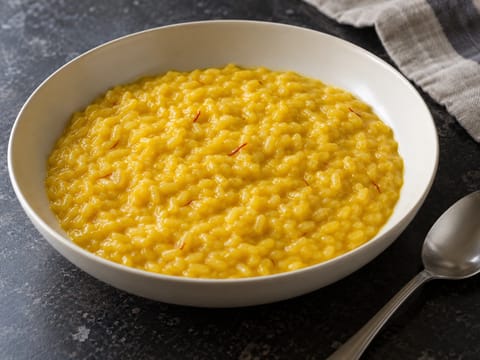
Saffron risotto enriched with bone marrow and Parmesan
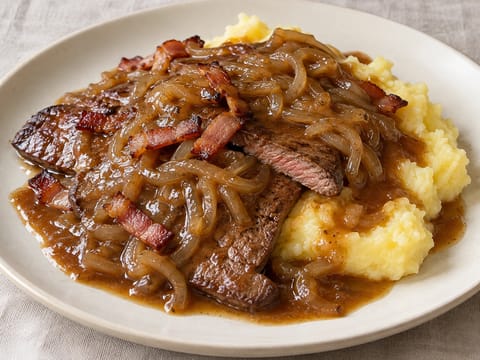
Seared liver and crisp bacon with mash and onion gravy
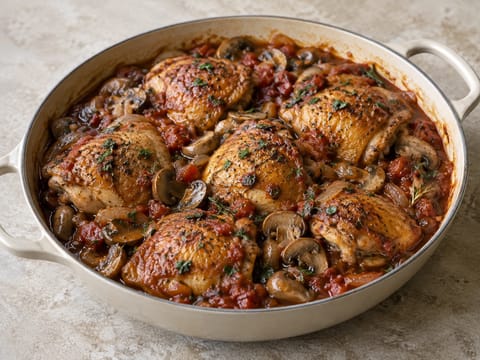
Italian braised chicken with tomatoes, red wine and mushrooms
For a clean, brothy kind of umami, look for recipes that build a base with stock, seaweed, mushrooms or gentle fermented seasonings. For a darker, more roasted depth, browning and reduction are usually the drivers, often alongside tomatoes, caramelised onions or pan juices. If you want umami with a creamy feel, aged cheeses and slow-cooked sauces tend to give both savouriness and a rounded texture. Pay attention to salt: many umami-rich ingredients are also salty, so the best results often come from seasoning later, once the dish has reduced and the savoury elements are fully present.
Ingredient browsing is especially helpful for umami, because the same savoury depth can come from very different sources, from mushrooms to tomatoes to fermented sauces. Dish type is a good companion when you want that flavour in a particular format, such as soups, sauces, noodles or vegetable sides.

Crisp fried filo parcels with lamb and almond honey fillings
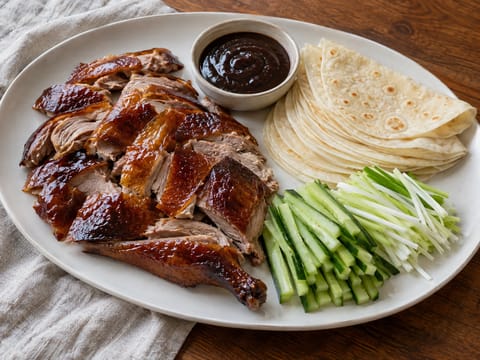
Roast duck served with pancakes, cucumber, spring onions and hoisin
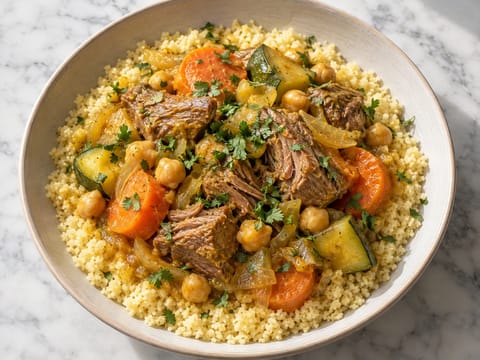
Steamed couscous with tender lamb, chickpeas and vegetables

Fresh soya milk made by soaking, blending, simmering and straining
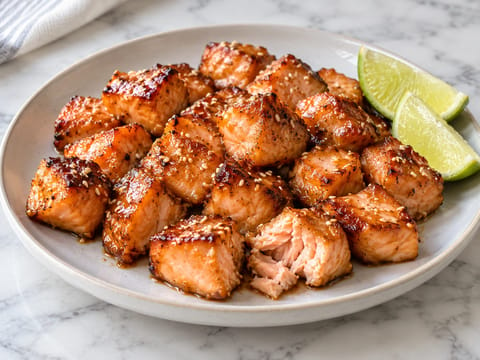
Glazed air-fried salmon bites with soy, sesame and lime.
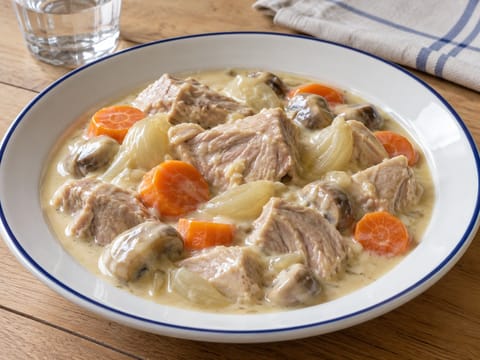
Creamy veal stew with mushrooms, carrots and a velvety sauce

Bratwurst tacos with red cabbage, gherkins and mustard yoghurt sauce
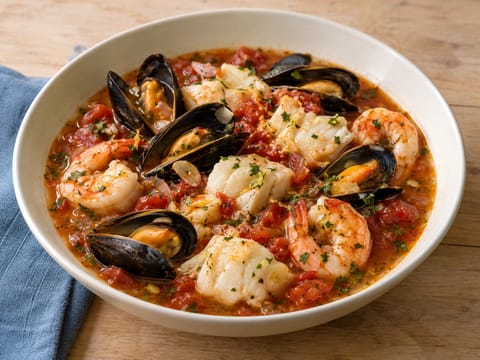
Italian fish stew with prawns, mussels and tomato
It tastes savoury and rounded, with a lingering depth. It often makes food feel fuller on the palate, even when the seasoning is not especially salty.
No. Salt enhances flavour and can make umami easier to notice, but umami is a distinct taste. Many umami-rich ingredients are salty, which is why they are sometimes confused.
Common examples include tomatoes, mushrooms, aged cheeses, cured meats, seaweeds and fermented sauces. Drying, ageing and fermentation tend to concentrate savoury compounds.
Long cooking and reduction concentrate flavours, and browning reactions add complexity. Together, they build a deeper savoury profile that reads as umami.
Yes. Mushrooms, tomatoes, seaweed and fermented ingredients can provide strong savoury depth, and roasting can intensify it by concentrating flavours and adding browning.
Add contrast rather than more savouriness. A little acidity, fresh herbs, citrus zest, or a bitter green element can sharpen the overall flavour and make the umami feel purposeful.
Think of umami as structure: it supports other flavours and helps a dish taste complete. Choose the source that suits the mood you want, then balance it with brightness, aroma and texture so the savoury depth stays clear rather than muddy.
