
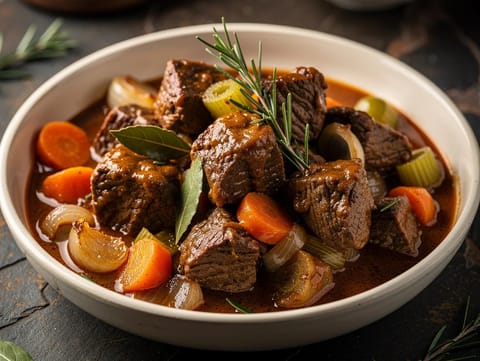
Spezzatino di Manzo (Italian Beef Stew)
Italian beef stew simmered with tomato, red wine and herbs

Umami is the savoury, mouth-filling taste that makes food feel deeply satisfying and long-lasting. It is not “salty” or “meaty” as such, though it often travels with both. You notice it as depth and roundness, especially in broths, slow-cooked sauces, roasted vegetables and dishes that use fermented or aged ingredients. Umami can be subtle, but it changes the overall shape of a recipe, making flavours seem more complete and less sharp at the edges.
Umami comes from naturally occurring compounds (notably glutamates and nucleotides) that are concentrated by ageing, fermentation, drying, browning and long cooking. That is why ingredients such as tomatoes, mushrooms, aged cheeses, cured meats, seaweeds and fermented sauces are often described as “savoury”. Technique matters as much as ingredients. A well-browned base, a reduced stock, or a long-simmered sauce can build umami even without strongly flavoured additions, because water evaporates and flavours concentrate. Umami is also cumulative: small amounts from several sources can add up to a noticeable depth without any single ingredient standing out.
Italian beef stew simmered with tomato, red wine and herbs

German yeasted onion tart with bacon and crème fraîche
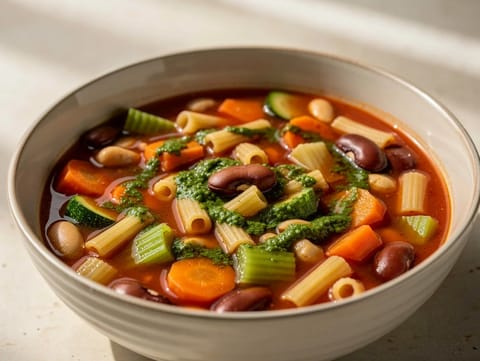
Vegetable, bean and pasta soup with pesto
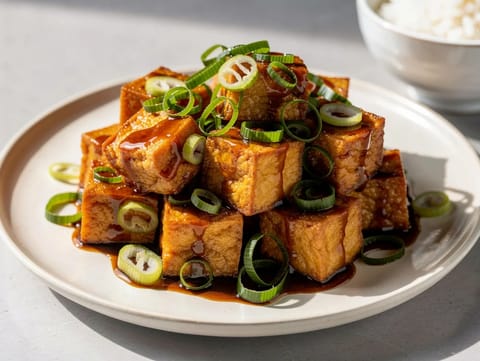
Extra-crispy tofu with a soy and hoisin glaze.
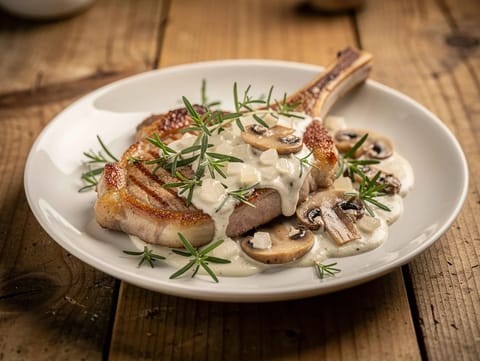
Veal chops with creamy mushroom sauce

Portuguese monkfish rice simmered in tomato and white wine
Umami likes contrast. Acidity (wine, citrus, vinegar, tomatoes used for their sharpness) can stop savoury dishes tasting heavy, while bitterness from greens or char can add definition. Heat and spice can ride on an umami base without tasting thin, which is why chilli pastes and peppery sauces often feel fuller when paired with fermented or slow-cooked elements. Texture plays a role too: a glossy sauce, a silky soup, or a juicy roasted vegetable tends to carry savoury flavour more evenly than something very dry. If a dish tastes flat, it may need brightness or aroma rather than more umami.
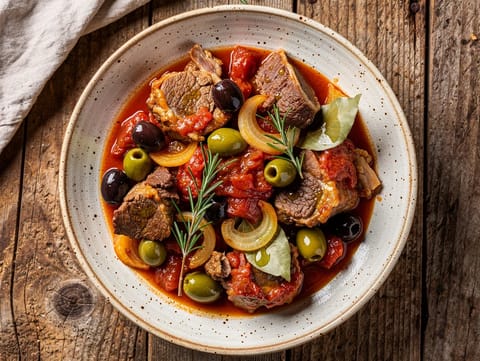
Slow-simmered lamb stew with tomatoes, olives and rosemary

One-pot jambalaya with chicken, andouille sausage and rice
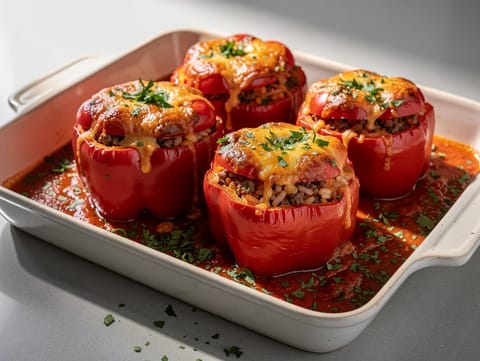
Baked peppers filled with minced beef, rice and tomato

Brothy Spanish rice with lobster and saffron stock
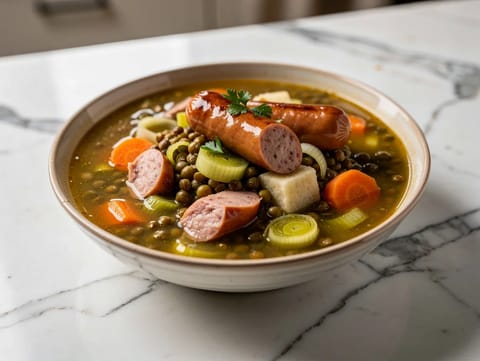
German lentil soup with Frankfurter sausages and vegetables

Roast rib of beef with Yorkshire puddings and gravy
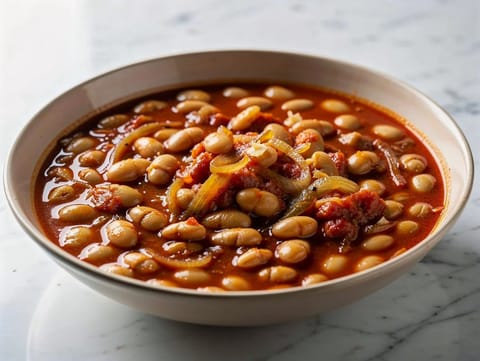
Moroccan white bean stew in a tomato sauce with cumin
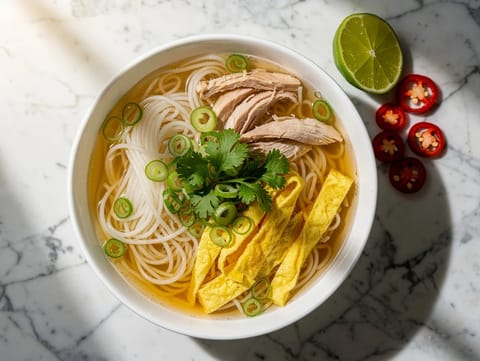
Clear chicken noodle soup with omelette, herbs and lime
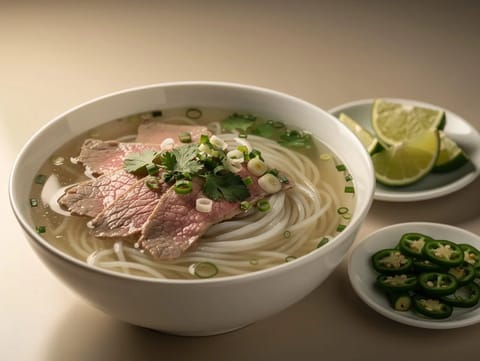
Vietnamese beef pho with rice noodles, herbs and chilli
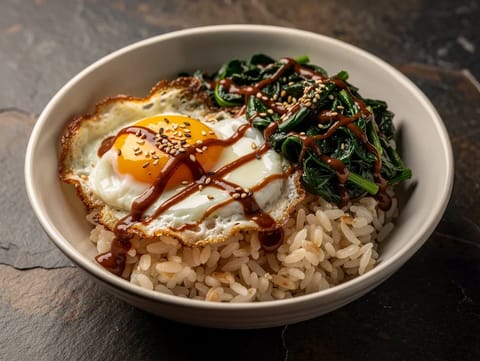
Rice bowl with sautéed spinach, fried egg and gochujang dressing
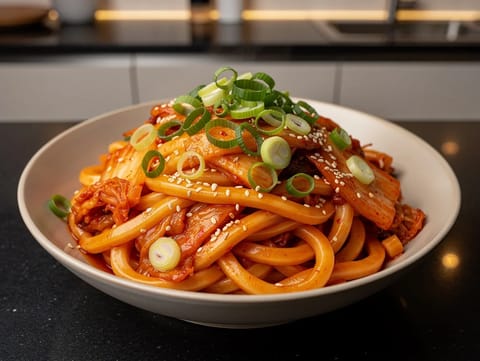
Kimchi and gochujang udon stir-fry with sesame and spring onions
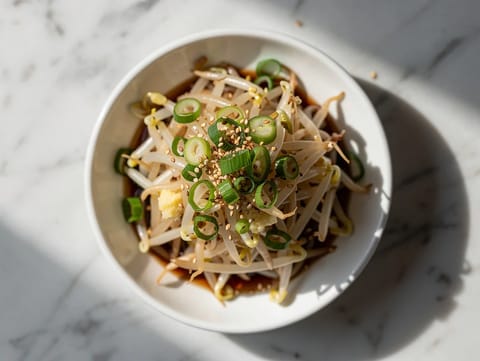
Blanched soybean sprouts tossed with soy sauce and sesame
For a clean, brothy kind of umami, look for recipes that build a base with stock, seaweed, mushrooms or gentle fermented seasonings. For a darker, more roasted depth, browning and reduction are usually the drivers, often alongside tomatoes, caramelised onions or pan juices. If you want umami with a creamy feel, aged cheeses and slow-cooked sauces tend to give both savouriness and a rounded texture. Pay attention to salt: many umami-rich ingredients are also salty, so the best results often come from seasoning later, once the dish has reduced and the savoury elements are fully present.
Ingredient browsing is especially helpful for umami, because the same savoury depth can come from very different sources, from mushrooms to tomatoes to fermented sauces. Dish type is a good companion when you want that flavour in a particular format, such as soups, sauces, noodles or vegetable sides.
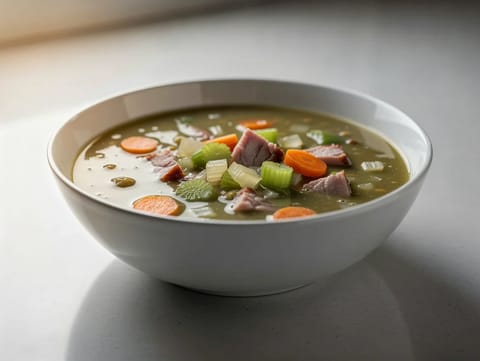
Light split pea soup with smoked ham hock
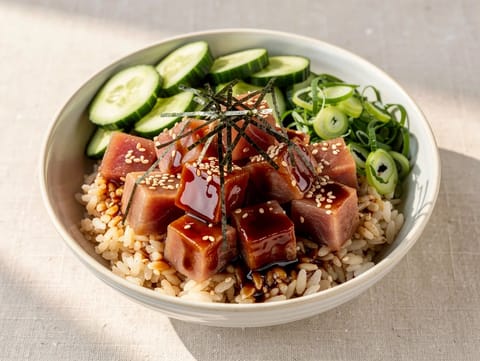
Shoyu tuna poke bowl with sushi rice, cucumber and sesame.

Crispy air fryer wontons with pork and spring onion.
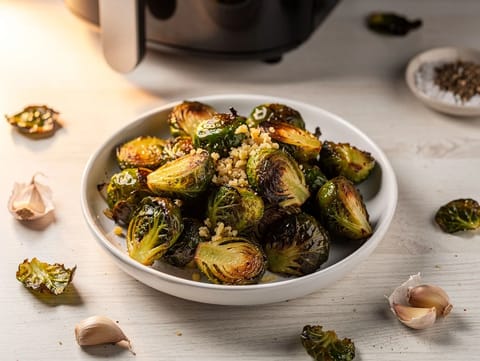
Air-fried Brussels sprouts with garlic and balsamic vinegar.
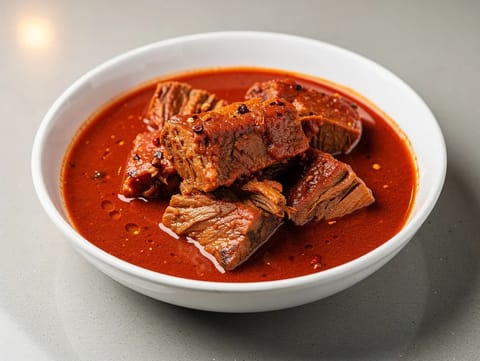
Mexican pork stew simmered with ancho chilli and tomatoes
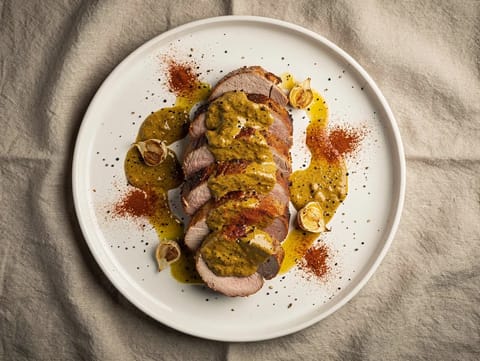
Juicy pork tenderloin with a honey mustard glaze
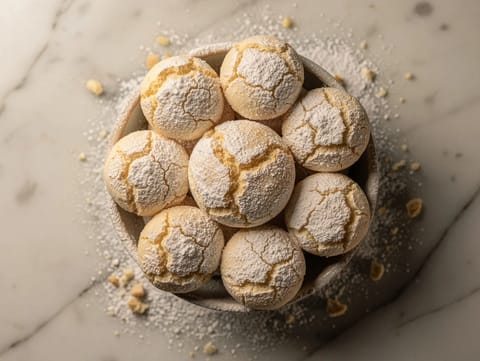
Soft almond macaroons with a crisp icing sugar crust
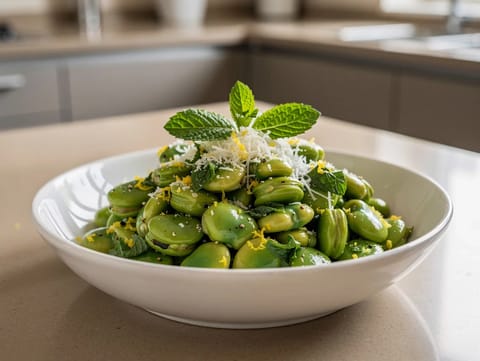
Broad bean salad with pecorino, mint, lemon and olive oil
It tastes savoury and rounded, with a lingering depth. It often makes food feel fuller on the palate, even when the seasoning is not especially salty.
No. Salt enhances flavour and can make umami easier to notice, but umami is a distinct taste. Many umami-rich ingredients are salty, which is why they are sometimes confused.
Common examples include tomatoes, mushrooms, aged cheeses, cured meats, seaweeds and fermented sauces. Drying, ageing and fermentation tend to concentrate savoury compounds.
Long cooking and reduction concentrate flavours, and browning reactions add complexity. Together, they build a deeper savoury profile that reads as umami.
Yes. Mushrooms, tomatoes, seaweed and fermented ingredients can provide strong savoury depth, and roasting can intensify it by concentrating flavours and adding browning.
Add contrast rather than more savouriness. A little acidity, fresh herbs, citrus zest, or a bitter green element can sharpen the overall flavour and make the umami feel purposeful.
Think of umami as structure: it supports other flavours and helps a dish taste complete. Choose the source that suits the mood you want, then balance it with brightness, aroma and texture so the savoury depth stays clear rather than muddy.
