
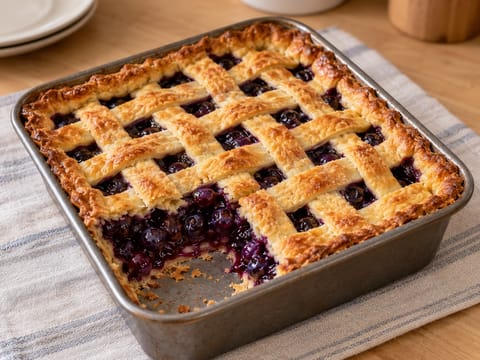
Air Fryer Blueberry Pie
Air fryer blueberry pie with lemon and cornflour-thickened filling.

Tea time is an eating moment built around a pause rather than a full meal. It suits recipes that are easy to share, pleasant in small portions and forgiving about timing, because they may sit on a plate while the kettle boils and the conversation continues. The range can be sweet or savoury, baked or no-cook, but the common thread is scale: pieces you can pick up, slice or nibble, with flavours that pair naturally with tea.
Tea time recipes are typically snacks and small bakes served with tea, often in the afternoon. They can include biscuits, cakes, buns and pastries, as well as savoury bites such as sandwiches, scones with savoury fillings, or small pastries. What matters most is how the food behaves on the table: it should be easy to portion, not too messy, and still taste good once it has cooled. Tea time also tends to favour gentle sweetness, warm spices, buttery pastry and toasty notes, because these flavours sit comfortably alongside black tea, milky tea or lighter herbal infusions.
Air fryer blueberry pie with lemon and cornflour-thickened filling.
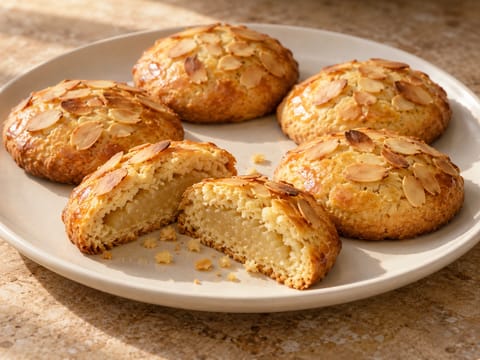
Buttery Dutch cookies with a thick almond paste filling
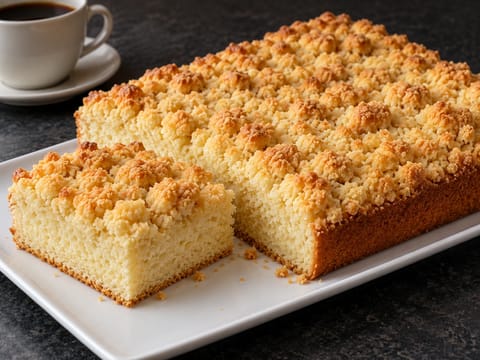
German yeasted crumb cake with a thick buttery streusel topping
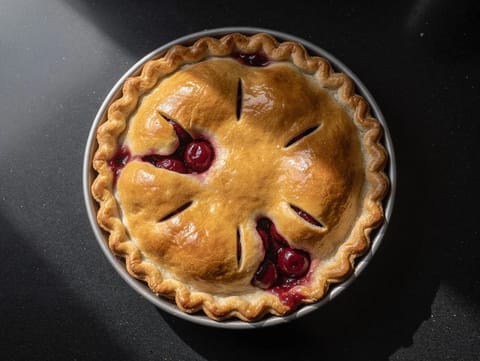
Air fryer cherry pie with lemon and cornflour-thickened filling.
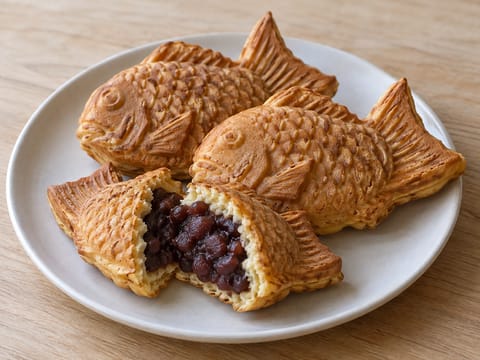
Fish-shaped cakes with sweet red bean paste filling
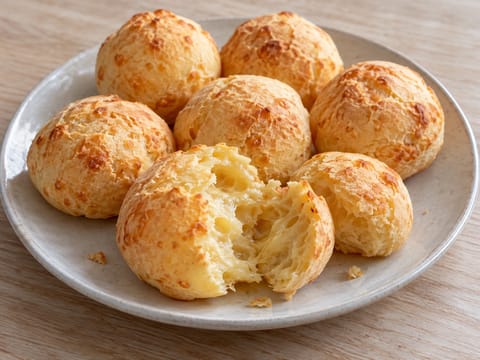
Brazilian cheese breads with tapioca starch and grated cheese
If you want something crisp, look for biscuits and shortbreads that snap cleanly and hold their shape when dipped. For a softer tea time, cakes and buns give a tender crumb that stays pleasant even after a few hours. When you are serving a mix of ages, variety often comes from texture and portioning rather than bold flavours: a traybake cut into squares, a loaf cake sliced thinly, or small sandwiches with a firm filling. If you are short on time, recipes that rely on simple mixing and straightforward shaping tend to fit tea time well, because they do not require precise serving temperatures or last-minute garnishes.
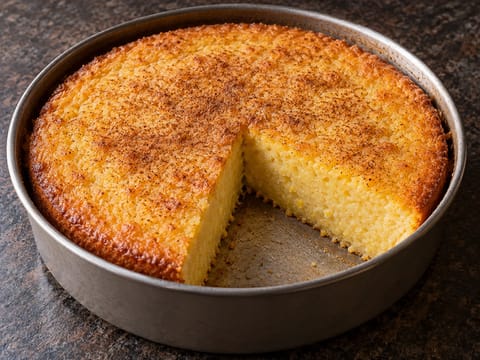
Mexican sweetcorn cake with condensed milk and cinnamon
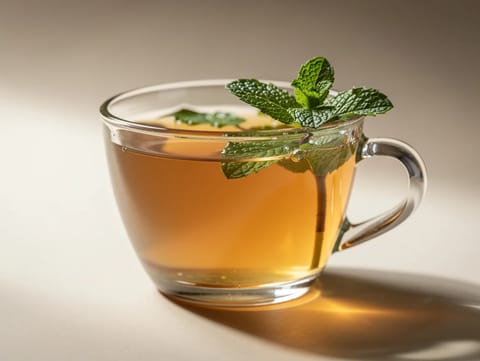
Hot ginger tea infused with fresh mint and sugar
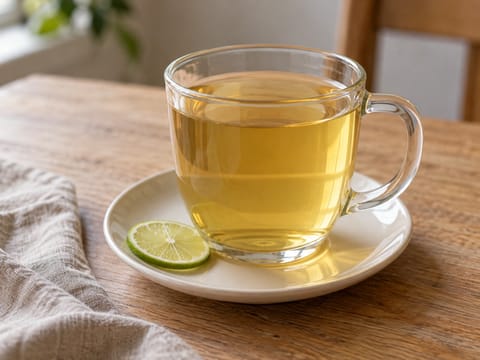
Fragrant lemongrass tea finished with lime juice

Chilled mango lassi made with yoghurt, milk and cardamom
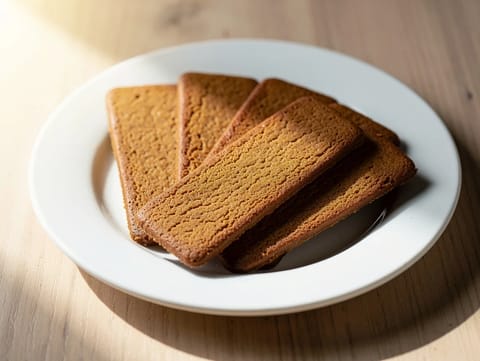
Thin, crisp speculoos biscuits with warming spices
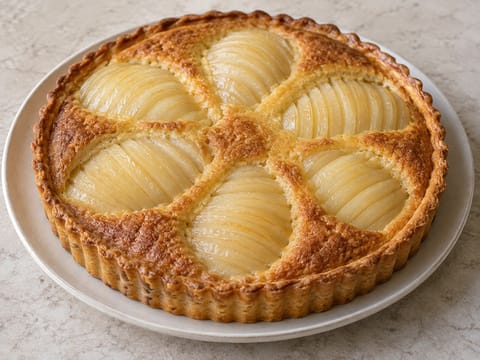
Pear and almond tart with sweet pastry and frangipane
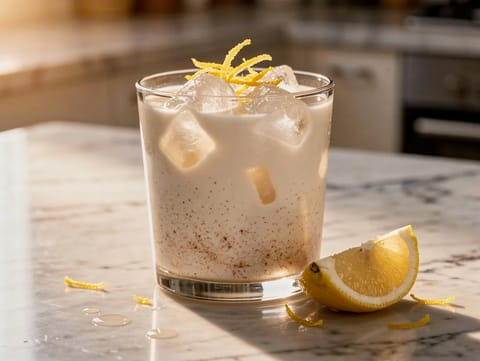
Chilled tiger nut drink with cinnamon and lemon
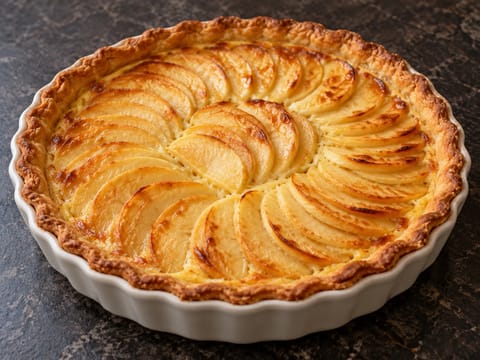
French apple tart with shortcrust pastry and cream custard
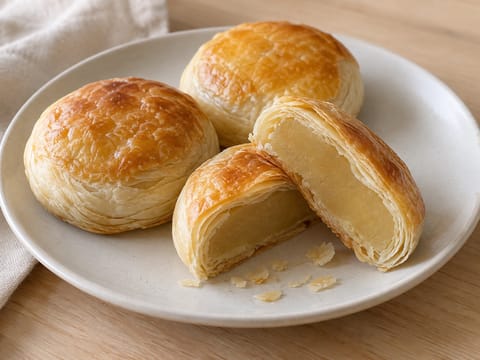
Flaky baked pastries filled with sweet mung bean paste
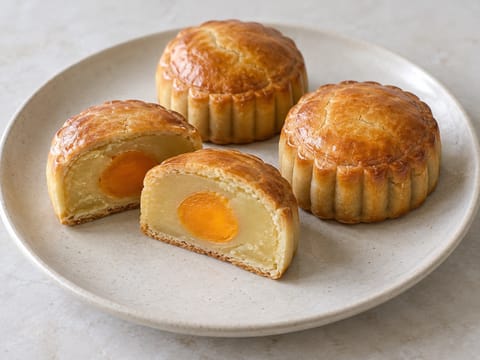
Baked mooncakes with golden syrup crust and mung bean filling
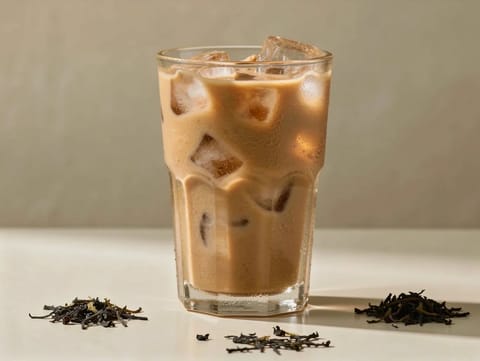
Strong black tea with evaporated milk, served hot or iced
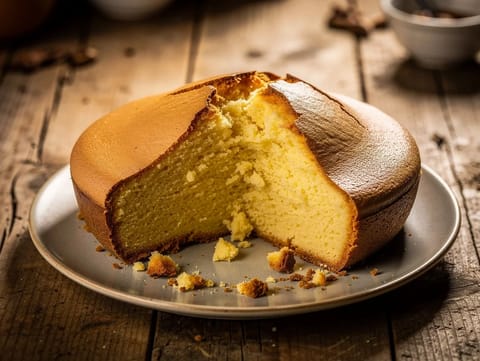
Light Portuguese sponge cake made with whisked eggs and flour
Tea time can be as simple as a plate of biscuits, or as involved as a spread of small bakes and sandwiches. Sweet options often lean on butter, sugar and flour in familiar forms, with fruit, chocolate, nuts or spice providing variation. Savoury tea time recipes usually keep flavours clean and not overly saucy, so they can be picked up neatly and do not soak through bread or pastry. You may also find recipes that sit between the two, such as lightly sweet breads or bakes that work with jam, cheese or both, depending on how you serve them.
If you want to plan a tea time spread, browsing by Course helps you balance sweet bakes with savoury bites and drinks. Cooking time is useful when you are deciding between something baked from scratch and something you can assemble quickly while the kettle is on.
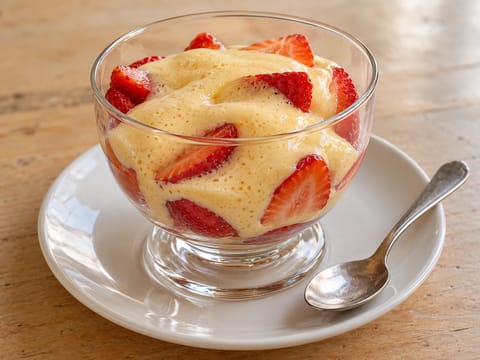
Warm Marsala custard served over fresh strawberries
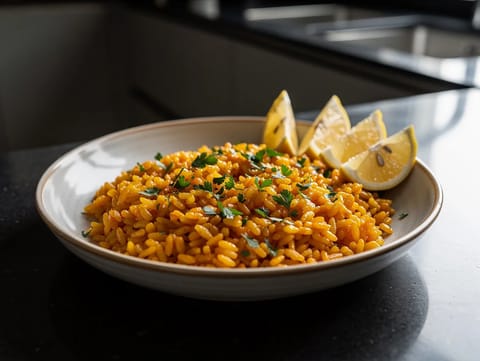
Valencian rice cooked in fish stock with saffron and paprika
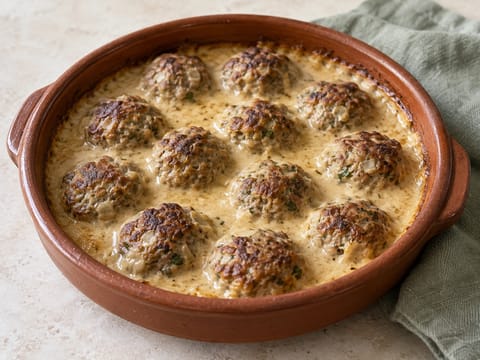
Baked lamb meatballs finished in a warm tahini sauce
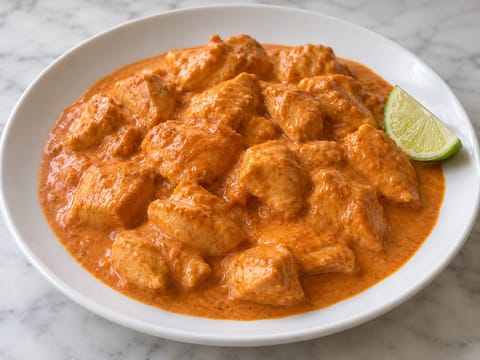
Chicken simmered in creamy chipotle and tomato sauce
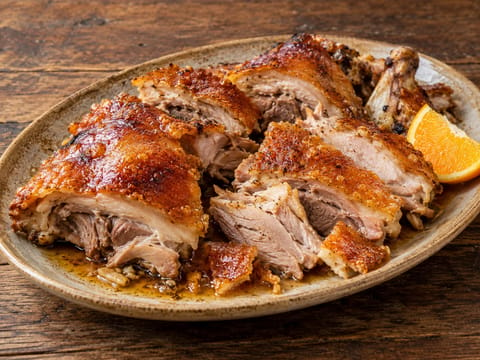
Slow-roasted suckling pig with garlic and orange
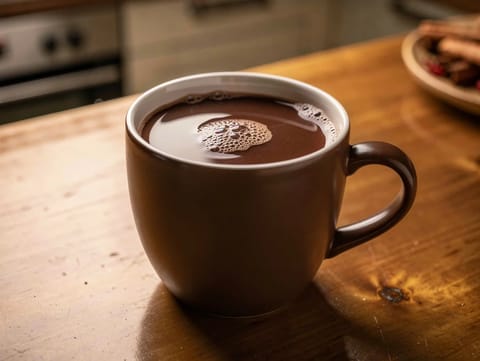
Spiced hot chocolate with cinnamon and a pinch of chilli
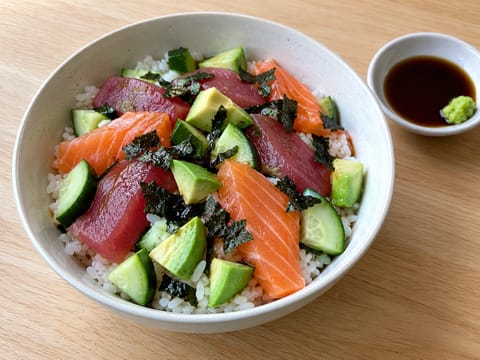
Sushi rice bowl topped with salmon, tuna, cucumber and avocado
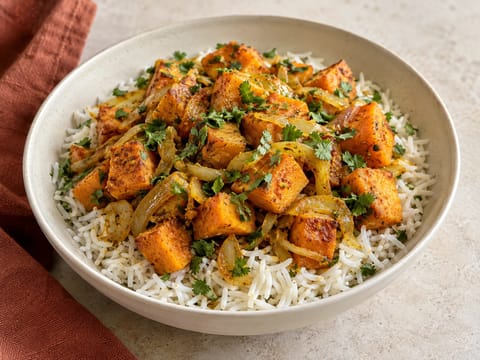
Spiced sweet potatoes served over basmati rice
No. Tea time can be sweet, savoury, or a mix. Savoury options tend to be tidy to eat and not too saucy, so they sit well alongside a cup of tea and can be shared easily.
Portion size and timing. Tea time bakes are usually easy to slice or pick up, and they taste good at room temperature. Desserts more often rely on being served warm, chilled, or plated with sauces and garnishes.
Not at all. One well-chosen bake or a simple savoury snack can be enough. A small selection is useful when you are feeding a group with different preferences, but it is not a requirement.
Flavours that are buttery, gently sweet, lightly spiced or subtly fruity tend to sit comfortably with tea. Very pungent garlic, heavy chilli heat or strongly acidic sauces can dominate the drink, depending on the tea you’re serving.
Choose recipes that hold together when picked up. For sandwiches, use firm fillings and avoid overly wet ingredients. For pastries and cakes, let them cool so crumbs and fillings set before slicing.
Yes. Tea time is more about the eating moment than the method. Simple assembled snacks can fit well, especially when you want something quick that still feels considered.
For tea time, prioritise recipes that portion neatly and taste good without perfect timing. Once you decide whether you want crisp, soft, sweet or savoury, the rest becomes a practical choice of course and cooking time.
