
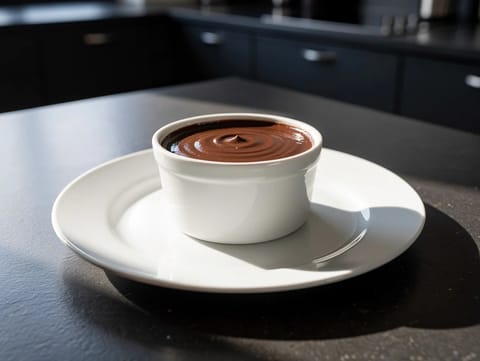
Pots de Crème au Chocolat
Silky baked chocolate custards chilled until spoonable

Everyday cooking is less about a specific style of food and more about repeatable decisions: what you can cook without derailing the day, what combines easily into a meal, and what still tastes good when served at a slightly unpredictable time. This is the place to look when you want reliable building blocks, not a showpiece. Think in terms of components you can reuse, dishes that scale up or down, and recipes that don’t depend on perfect timing to be enjoyable.
Everyday recipes tend to be defined by workflow rather than cuisine. They often use familiar ingredients, straightforward methods and equipment most home cooks already have. The flavours can be bold or mild, but the cooking usually avoids fragile steps that demand constant attention. You’ll often find dishes that can be served in more than one way: a pot of beans that becomes lunch the next day, a roast tray of vegetables that can sit alongside different proteins, or a sauce that works with pasta, grains or bread. ‘Everyday’ also leaves room for no-cook and low-cook meals, where assembly and seasoning do most of the work.
Silky baked chocolate custards chilled until spoonable
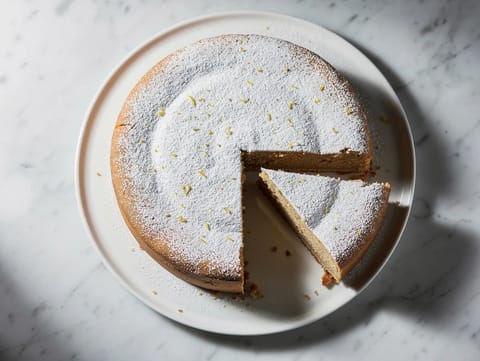
Spanish almond cake dusted with icing sugar
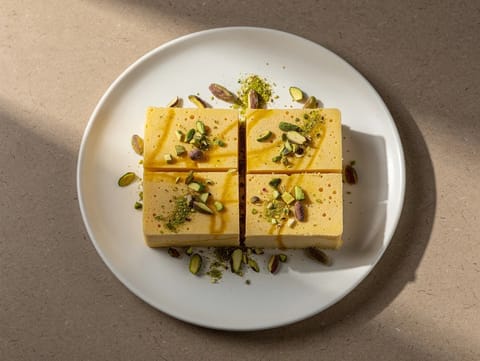
Dense mango kulfi with reduced milk and cardamom
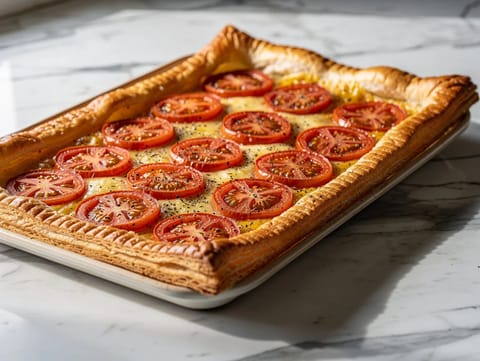
Puff pastry tart with Dijon mustard, tomatoes and Gruyère
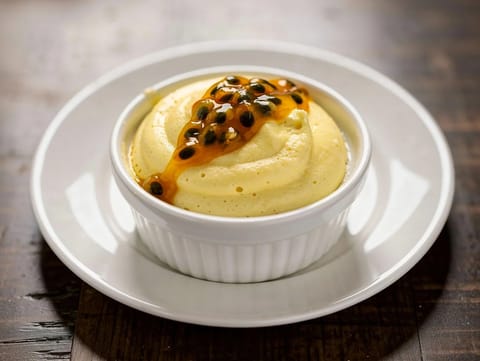
Chilled passion fruit mousse made with condensed milk and cream
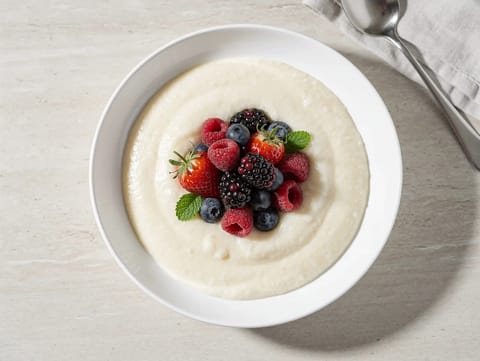
Creamy semolina porridge with butter and mixed berries
On busy days, look for one-pan or one-pot cooking where the heat does the work while you get on with other things. When you have a little more time, choose recipes that create useful leftovers or components, such as a big batch of grains, a slow-cooked ragù, or a tray of roasted vegetables. If you’re feeding different appetites, recipes with add-on toppings and sides can help: a base dish plus optional chilli, herbs, cheese, toasted nuts or a crunchy salad. For lighter eating, gravitate towards brothy soups, vegetable-forward stir-fries, or salads with a substantial element like pulses, eggs or grains so they still feel like a meal.
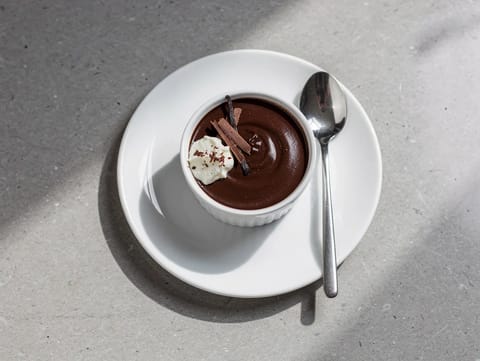
Chilled French chocolate custards baked in a bain-marie
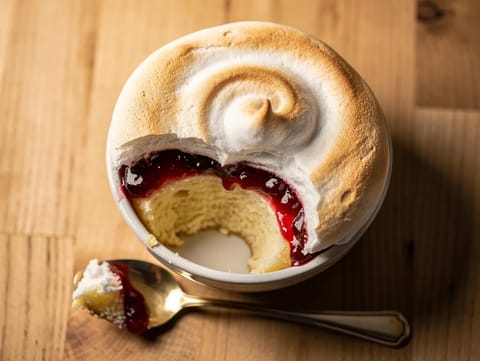
Breadcrumb custard baked with jam and meringue
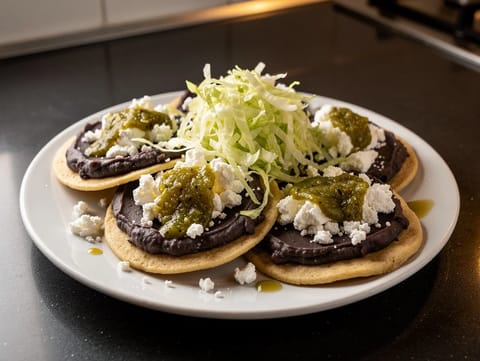
Griddled masa memelas topped with black beans and salsa verde
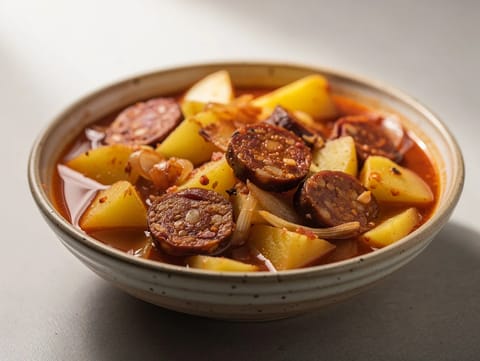
Potato and chorizo stew simmered with sweet paprika
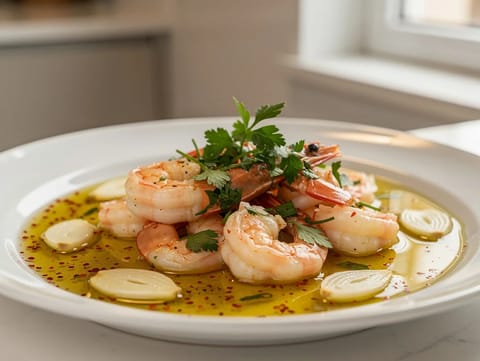
Spanish prawns cooked in olive oil with garlic and chilli
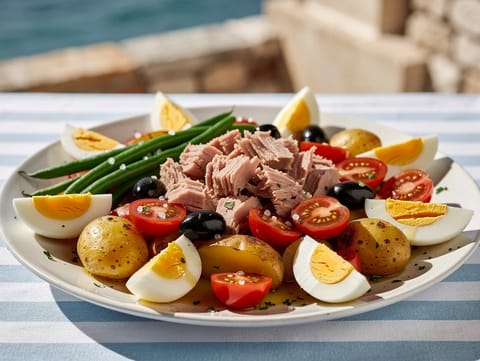
Tuna salad bowl with potatoes, eggs, green beans and olives
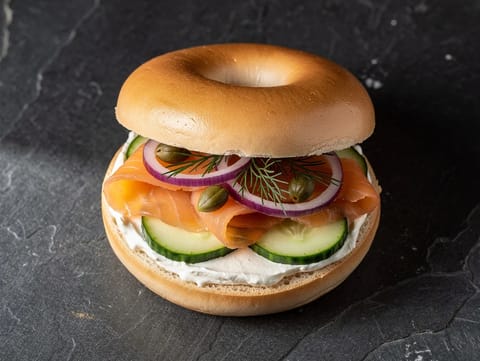
Smoked salmon bagel with lemon cream cheese, cucumber and capers
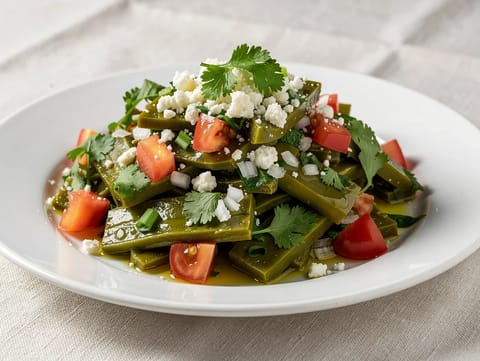
Nopales salad with tomato, lime and queso fresco
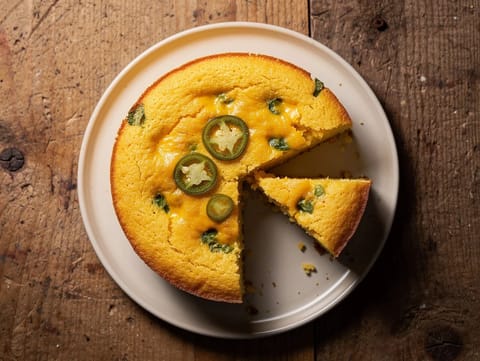
Golden skillet cornbread with jalapeño and cheddar
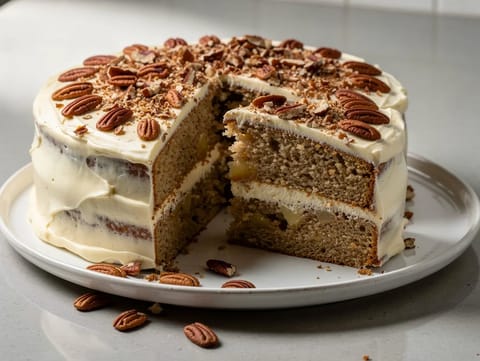
Spiced banana and pineapple cake with cream cheese icing
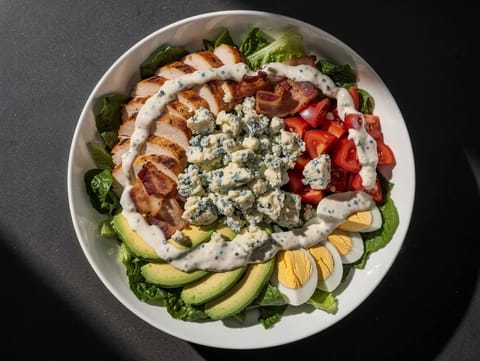
Cobb salad with chicken, bacon, avocado and blue cheese dressing
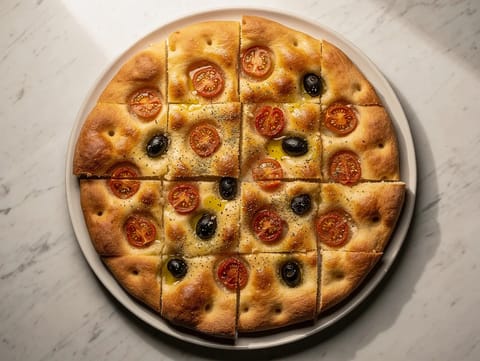
Soft potato focaccia topped with tomatoes, olives and oregano
Everyday menus come together fastest when each dish has a clear job. A simple structure is: a main element, something starchy or bready, and something fresh or sharp. If the main is rich, add acidity and crunch; if it’s lean, add a sauce or dressing that brings richness. Think about how you’ll serve it: bowls and platters suit mix-and-match eating, while composed plates suit smaller households. It also helps to avoid repeating the same texture across the meal. Two soft dishes can feel monotonous, so pair a stew with a crisp salad, or a creamy pasta with roasted vegetables.
Course is a practical next step when you’re turning everyday recipes into a complete meal, especially if you want a side dish or a simple dessert to round things out. Collections can also help when you want a particular kind of everyday cooking, such as batch-friendly staples or quick assemblies.
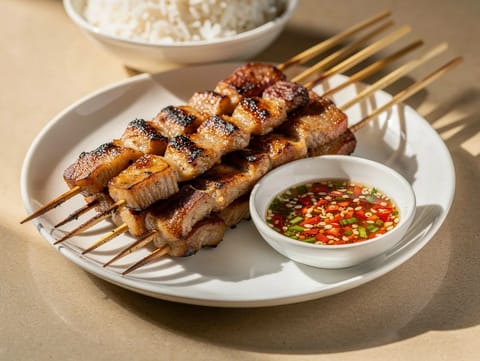
Thai grilled pork skewers with coconut milk and fish sauce
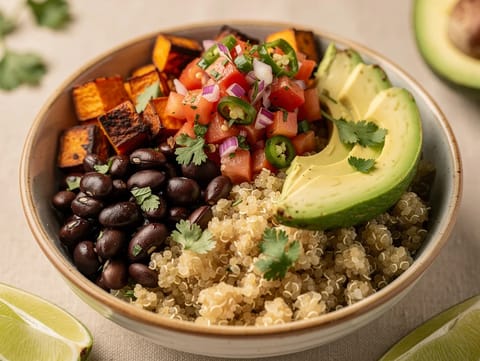
Quinoa bowl with black beans, sweet potato, avocado and lime

Italian lemon and basil sorbet churned smooth and frozen
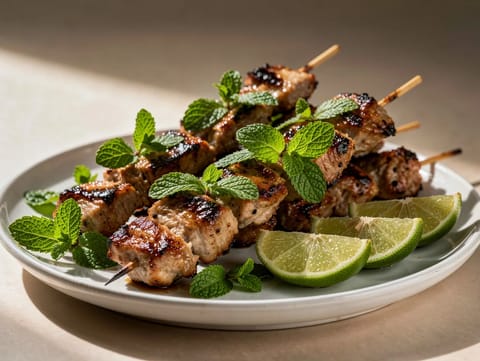
Juicy pork skewers with lemongrass, fish sauce and garlic.
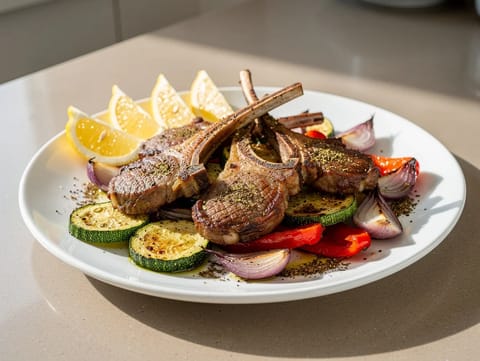
Za'atar lamb chops roasted with courgette, pepper and red onion
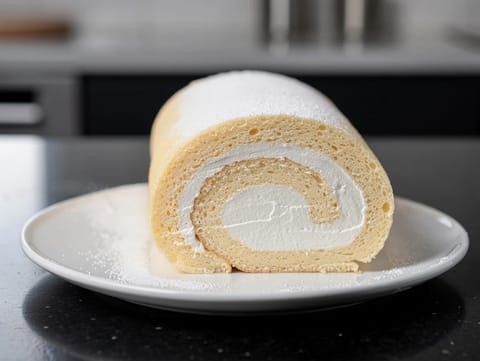
Spanish Swiss roll filled with sweetened whipped cream
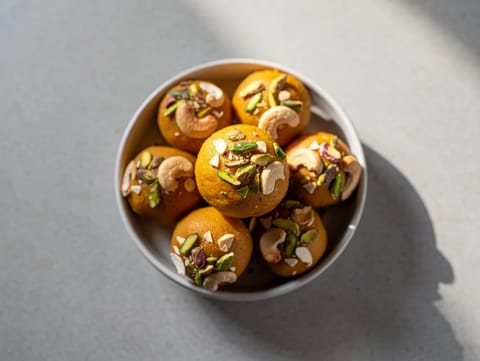
Chickpea flour sweets roasted in ghee and shaped into balls
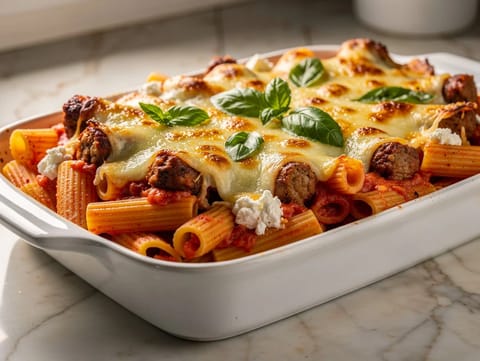
Baked rigatoni with sausage, ricotta and mozzarella
Often, but not always. Some everyday recipes are fast; others take longer but are low-effort, hands-off, or designed to provide leftovers that make later meals easier.
Change the ‘contrast’ element. Keep a familiar main, then rotate the fresh side, the sauce, or the crunchy topping. Small shifts in acidity, herbs and spice can make a repeat feel different.
Choose recipes that allow optional add-ons at the table, such as heat, extra richness, or additional vegetables. Bowls, wraps and platter-style meals are naturally adaptable.
No. Everyday cooking can be boldly spiced or chilli-forward. The ‘everyday’ part is usually about method and reliability rather than a specific flavour level.
Prep components that can be used in several directions: cooked grains, roasted vegetables, a pot of beans or lentils, a versatile dressing, or a sauce that can be stretched with different proteins or vegetables.
Dishes with sauces, stews and braises often reheat well because the moisture protects texture. Crisp foods and delicate salads are usually best made close to serving.
Pick recipes that play well together: one anchor, one contrast, and one flexible extra. With a few dependable components in the fridge, everyday cooking becomes more about assembling good meals than starting from scratch each time.
