
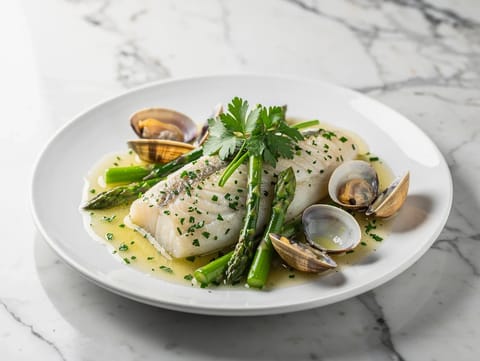
Merluza a la Vasca (Basque-Style Hake with Parsley Sauce)
Poached hake with parsley sauce, clams and asparagus
Spring is the season of contrast: bright, green flavours and crisp textures, but also the odd cold snap that calls for something warm. The most useful spring recipes are those that feel light without being insubstantial, and that can move easily between indoor comfort and outdoor eating. Look for dishes that celebrate freshness, rely on short cooking times, and use acidity and herbs to lift richer ingredients when the weather is still unsettled.
Spring recipes typically emphasise freshness, tenderness and a sense of lift. That can come from ingredients that are naturally sweet and green, but also from technique: quick blanching, brief sautéing, gentle steaming, or roasting just long enough to soften without collapsing. You will often see more raw elements on the plate, or cooked components cooled slightly and dressed while still warm so they absorb flavour. Spring does not automatically mean cold food, though. Many spring dishes are warm but not heavy, built around broths, eggs, grains or legumes with plenty of herbs and a sharp finish. The overall effect is usually clean and defined, rather than deeply caramelised or long-simmered.
Poached hake with parsley sauce, clams and asparagus

Indian lemonade with lemon juice, black salt and roasted cumin
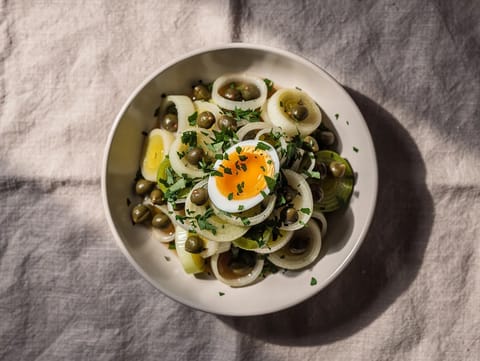
Simmered leeks in Dijon vinaigrette with soft-boiled egg
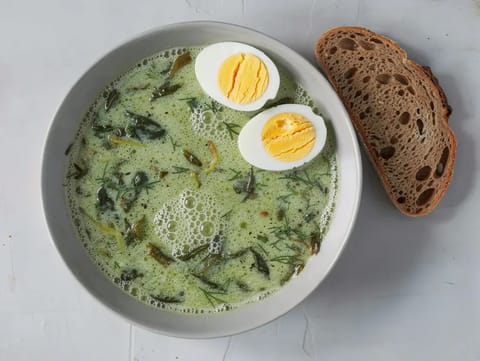
Polish sorrel soup with sour cream and hard-boiled eggs
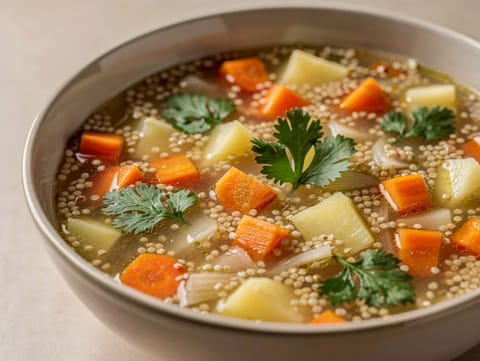
Peruvian quinoa soup with vegetables and fresh coriander
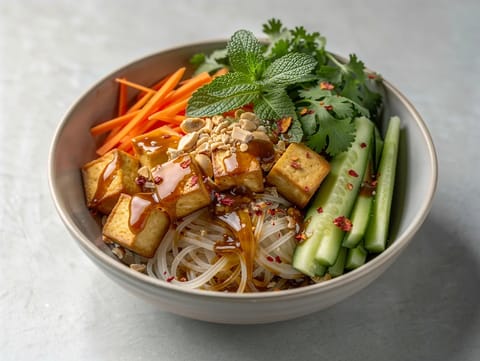
Crisp tofu vermicelli bowl with herbs, peanuts and lime dressing
Spring cooking commonly leans on alliums, citrus, fresh herbs and dairy for contrast. A spoonful of yoghurt, a crumble of feta, or a little butter can round out vegetables that are still delicate. Acidity matters: lemon, vinegar and pickled elements keep flavours clear and stop creamy sauces from feeling wintry. Green vegetables often benefit from quick, high-heat cooking or brief blanching, followed by immediate seasoning, because under-salted greens can taste flat. If you are baking, spring flavours often move towards citrus zest, berries and lighter spicing, with textures that feel airy rather than dense. For drinks and desserts, herbs and citrus tend to do the heavy lifting.
Pearl barley with hot-smoked salmon, cucumber, apple, dill and mustard yoghurt dressing
Warm spaghetti tossed with ricotta, lemon zest and juice, Parmesan and black pepper
Fresh strawberries, whole milk and ice are blended into a creamy smoothie.
Bread slices soaked in cinnamon milk, fried until golden and coated with sugar
Neat finger sandwiches with smoked salmon, cucumber and lemony cream cheese
Pan-fried trout topped with brown butter, toasted almonds, capers, lemon and parsley
Ricotta, spinach and Parmesan tart baked in a crisp shortcrust pastry case
Tender grilled trout finished with nutty brown butter, almonds and lemon
Gently poached salmon served with steamed asparagus and rich lemon hollandaise
Crisp falafel over bulgur with chopped salad, herbs, pickles and tahini lemon dressing
Dutch-inspired potato bowl with apple, cucumber, gherkins and mustard yoghurt dressing
Tender ricotta and lemon pancakes pan-cooked until golden on both sides
For outdoor tables and picnics, choose recipes that are happy at room temperature and do not rely on last-minute crisping: pasta and grain salads, roasted vegetables dressed with herbs, or sandwiches with a punchy spread. For indoor meals on cooler days, look for spring dishes that are warming but not heavy, such as brothy soups, risottos with plenty of greens, or baked eggs with vegetables. If you want something in between, warm salads are a reliable spring format: a cooked base (new potatoes, grains, lentils) with raw leaves and a sharp dressing. When the weather is unpredictable, recipes with components you can serve separately, such as a roast vegetable platter with a sauce on the side, give you the most flexibility.
Spring is easiest to cook when you start with what looks best at the market. Browsing by Ingredient helps you follow the shift from roots and brassicas into greens, herbs and early fruit. Occasion can also guide you towards spring gatherings, from weekend lunches to seasonal celebrations.
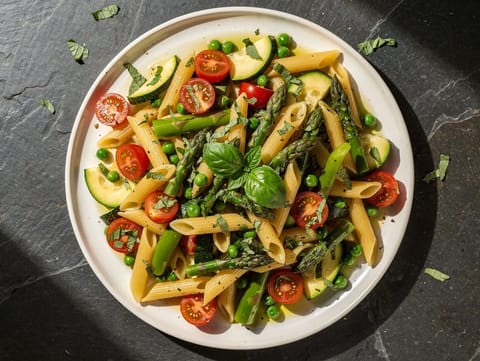
Vegan penne with sautéed spring vegetables and lemon

Spiced minced beef chilli served over spaghetti with cheddar
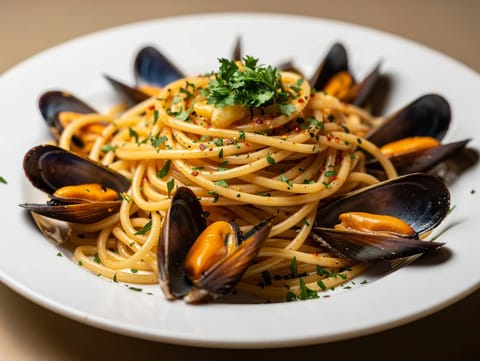
Spaghetti with mussels in garlic, white wine and parsley
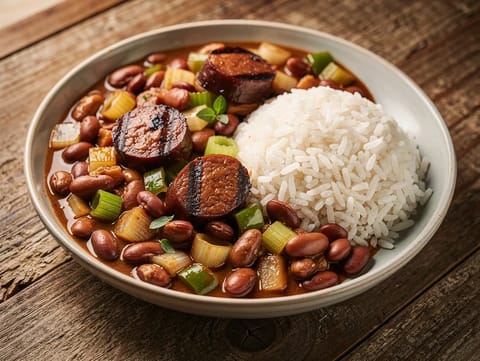
Red beans simmered with andouille, served over long-grain rice
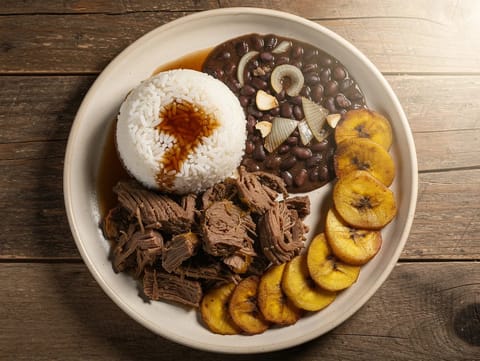
Shredded beef with black beans, rice and sweet plantain.
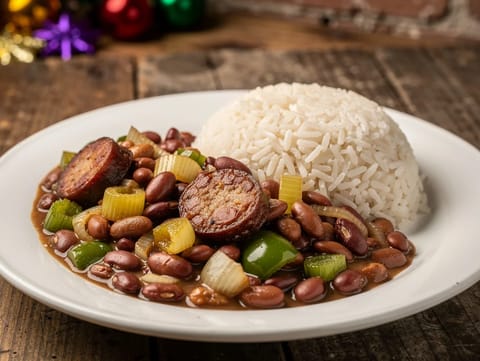
Creamy red beans with Andouille sausage served over rice

Cured meats with cornichons, Dijon mustard and baguette
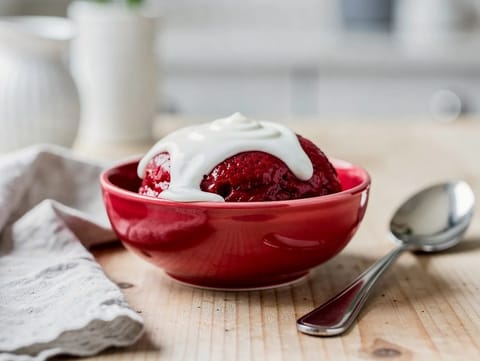
Chilled Nordic berry pudding served with cold double cream
No. Spring food often feels lighter, but it can be warm: think brothy dishes, quick-cooked vegetables, baked eggs, or warm salads finished with herbs and lemon.
Cook them briefly, season them properly, and add acidity. A quick blanch or fast sauté, then salt and a squeeze of lemon or a sharp dressing, keeps flavours clear.
Long, dark caramelisation and heavy, reduced sauces can read as winter. You can often “spring-ify” a dish by shortening the cooking time, adding herbs, and finishing with something sharp or fresh.
Often, yes, because many spring dishes can be served warm or at room temperature. Platters, composed salads and bakes that hold their heat are practical when timing is loose.
Choose recipes with adjustable serving temperature, or ones with a warm base and fresh topping. Keeping a sauce or dressing separate also lets you adapt at the table.
Let spring recipes do two jobs: keep flavours bright and textures crisp, while still offering warmth when you need it. A sharp dressing and a handful of herbs can shift a dish instantly.
