
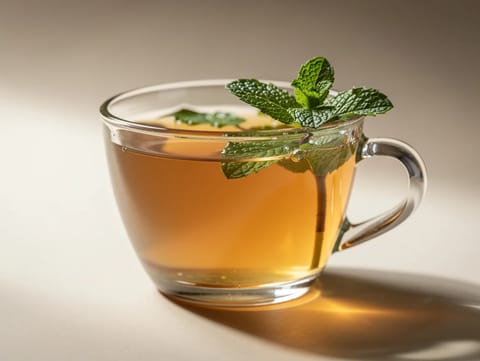
Ginger and Mint Tea
Hot ginger tea infused with fresh mint and sugar
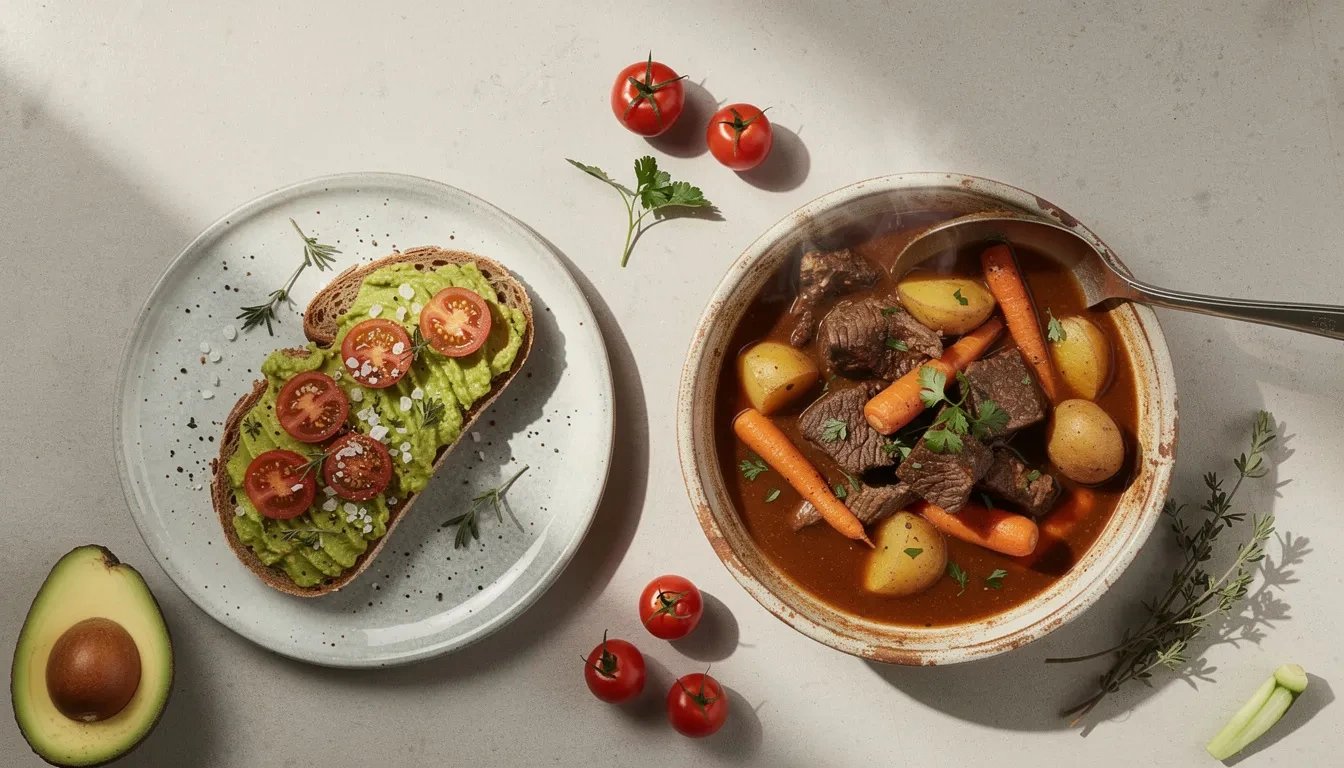
Under 15 minutes is a tight window, so the most reliable recipes either skip cooking altogether or use very fast heat. Think assembled dishes, quick salads, smoothies and drinks, or hot food that cooks in minutes once the pan is ready. In this range, the limiting factor is often prep, not cooking, so recipes with fewer ingredients and simple cutting tend to feel genuinely quick. Use this page when you want something now, not “quick for a full recipe”.
This time range usually assumes you can start immediately and work without pauses. There’s rarely room for long preheats, slow softening of onions, or anything that needs to come up to temperature gradually. If cooking is involved, it’s often brief: toasting, scrambling, searing thin pieces, or warming pre-cooked components.
Because the clock is so short, ingredient form matters. Pre-washed leaves, tinned beans, quick-cooking noodles, thin fillets, or leftovers can make the difference between finishing on time and drifting into the next bracket. Under 15 minutes can still be satisfying, but it rewards choosing recipes where the main transformation is mixing, dressing, or fast heat rather than extended cooking.
Hot ginger tea infused with fresh mint and sugar
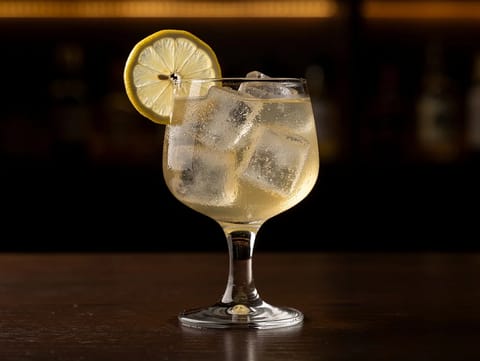
White port and tonic served over ice with lemon
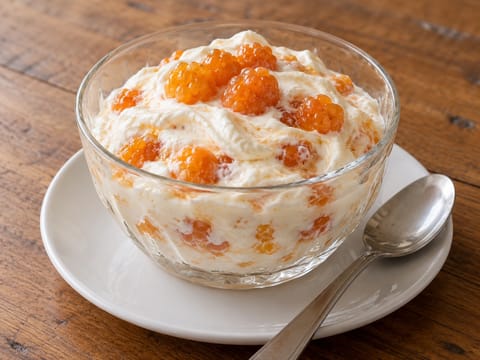
Cloudberries folded into lightly sweetened whipped cream
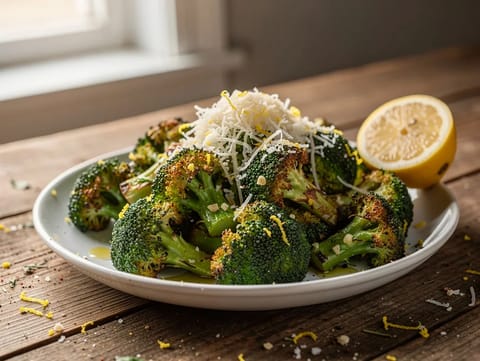
Crisp-tender air-fried broccoli with lemon and Parmesan.
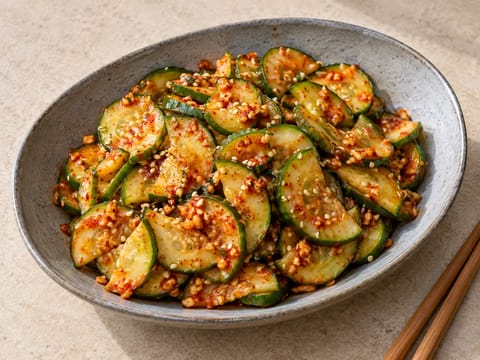
Spicy cucumber salad with gochugaru, vinegar and sesame oil
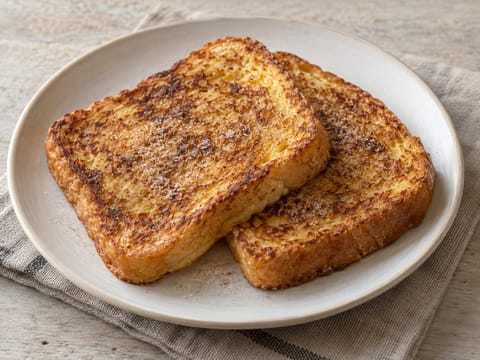
Dutch French toast with cinnamon, fried in butter and sugared
For the fastest route, pick no-cook or mostly assembled recipes: salads with a punchy dressing, dips and spreads, or simple bowls built from ready-to-eat elements. These are often limited by chopping, so look for recipes with minimal knife work.
If you want something hot, choose recipes with short, decisive cooking: eggs, quick stir-fries with small pieces, or dishes that use the kettle and a brief pan finish. These depend on having everything ready before the heat goes on.
If you want minimal washing-up, favour one-bowl mixes, blender drinks, or single-pan warm-ups. In this bracket, extra equipment can cost more time than it saves unless it replaces chopping entirely.
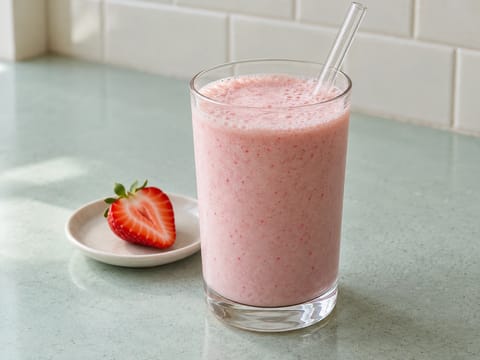
Creamy strawberry milk smoothie blended with ice.
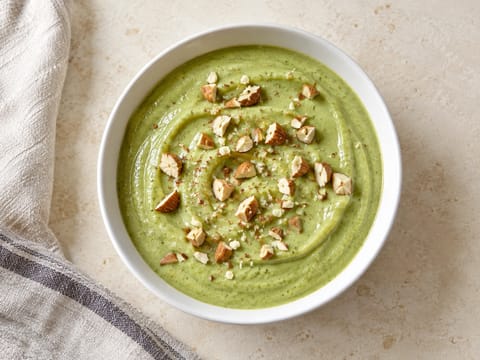
Banana and matcha smoothie bowl topped with almonds.
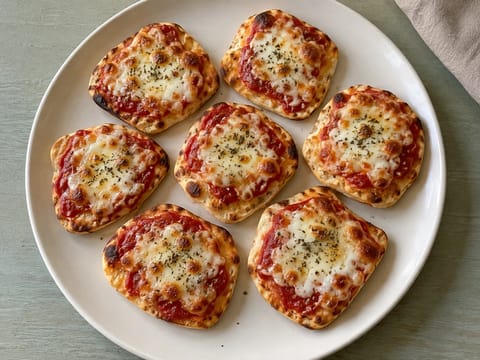
Air fryer mini pizzas with passata, mozzarella and oregano.
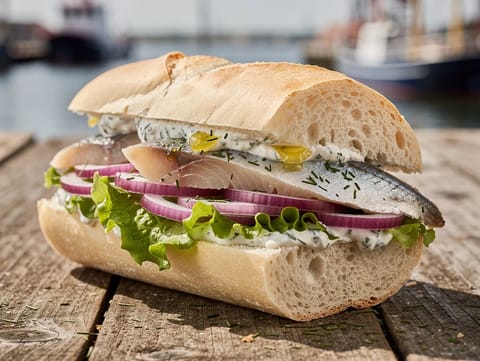
Pickled herring roll with red onion and dill sour cream
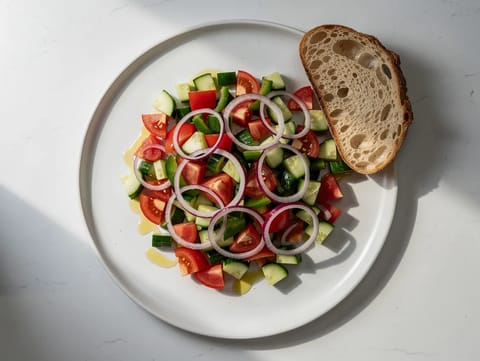
Andalusian salad with tomato, cucumber and sherry vinegar
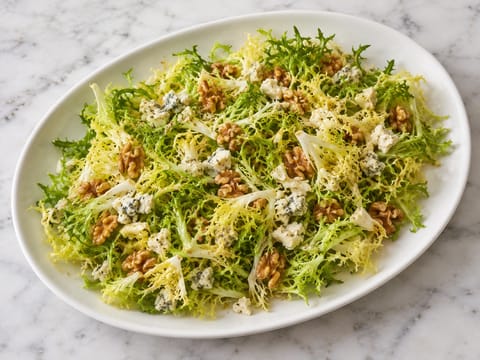
Crisp endive salad with walnuts, Roquefort and Dijon dressing
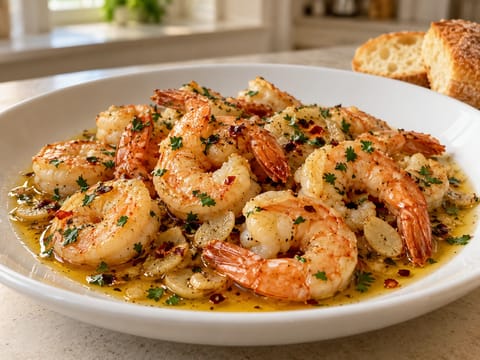
Spanish prawns cooked in olive oil with garlic and chilli
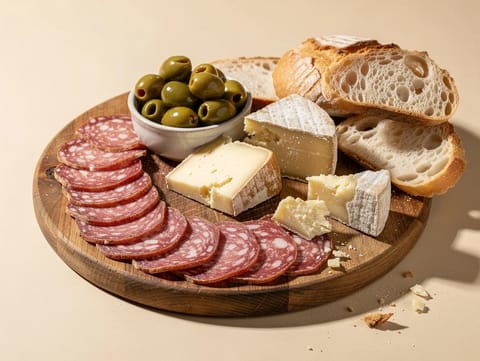
Italian board of cured meats, cheeses, olives and bread
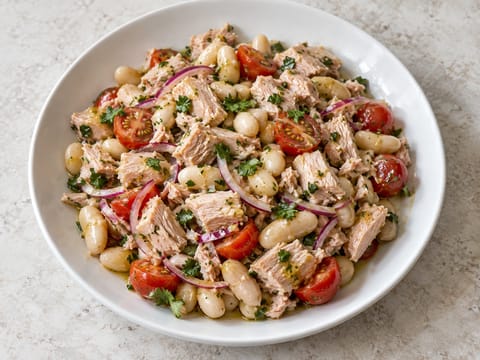
Tuna and white bean salad with Dijon dressing
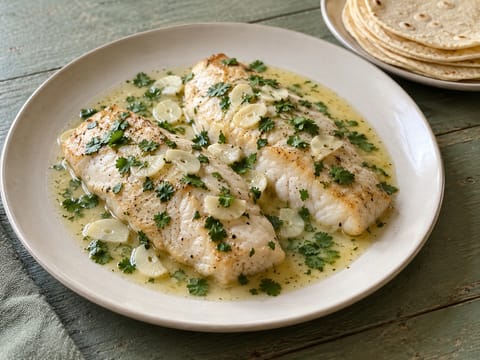
Pan-fried fish finished in garlic and lime butter
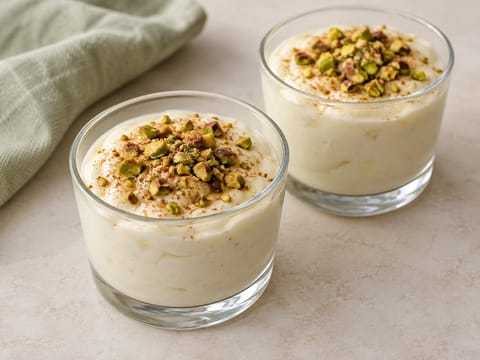
Chilled yoghurt cups with honey, toasted pistachios and cinnamon
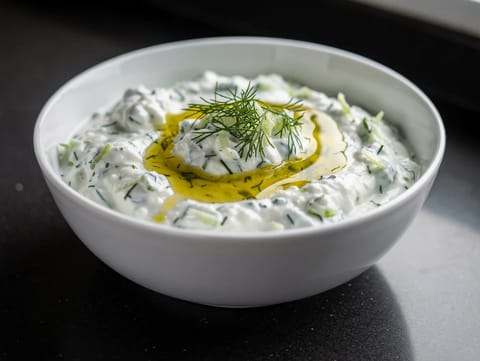
Chilled Turkish yoghurt and cucumber dip with dill and garlic
Set yourself up before you start the timer. Put a pan on to heat, boil the kettle if needed, and gather ingredients so you’re not searching mid-recipe.
Keep cuts small and consistent. Large chunks take longer to cook and can force you to cover the pan, which changes the result and often adds minutes. If a recipe includes a sauce or dressing, mix it first so it’s ready the moment the food is.
Be realistic about “extras”. Toasting seeds, crisping toppings, or making a garnish can be doable, but only if it happens in parallel. If you’re hungry now, choose recipes where the finishing touch is something immediate, like herbs, citrus, yoghurt, or a drizzle of oil.
Finally, watch the heat. In very fast cooking, a pan that’s not hot enough leads to steaming and delays; a pan that’s too hot can scorch before the centre is ready.
Cooking method is especially helpful under 15 minutes, because it separates no-cook assembly from fast pan cooking and quick boiling. Difficulty can also be a useful check: some very quick recipes are simple, while others rely on confident timing and high heat to work first time.
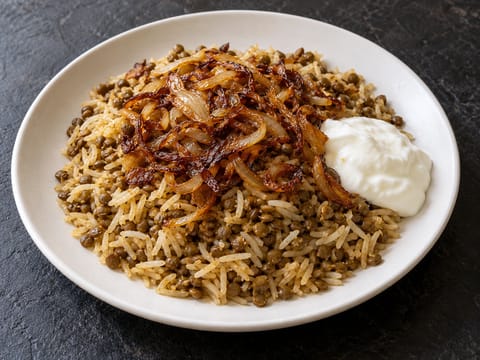
Mujaddara with lentils, rice and caramelised onions
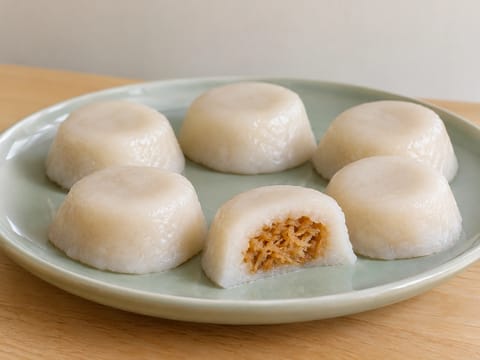
Steamed rice flour dumplings with a sweet coconut filling
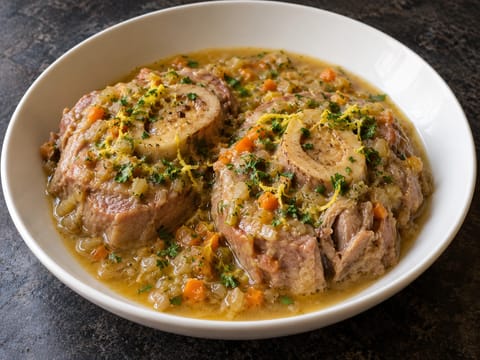
White-braised veal shanks finished with parsley and lemon zest gremolata
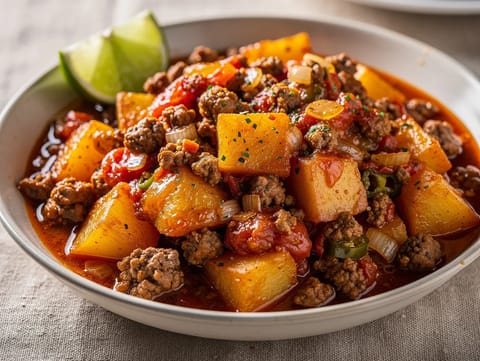
Mexican minced beef and potato stew with tomatoes and spices
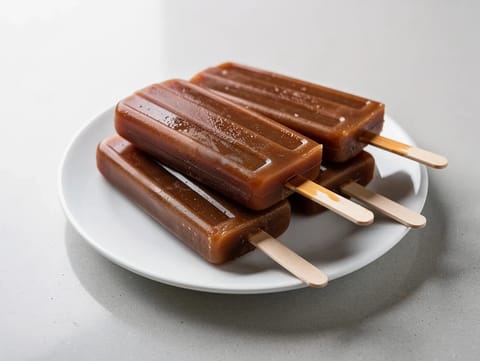
Tamarind and chilli ice lollies with lime
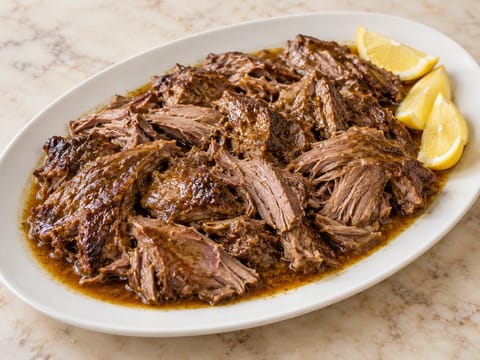
Slow-cooked lamb shoulder with ras el hanout and lemon
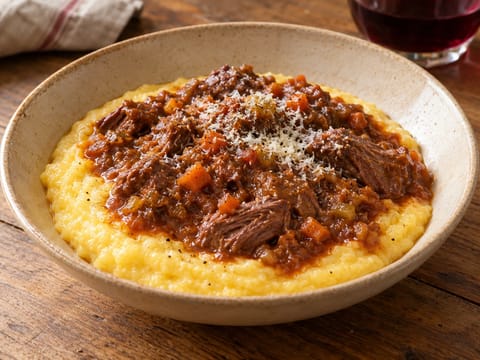
Creamy polenta topped with slow-simmered beef spezzatino
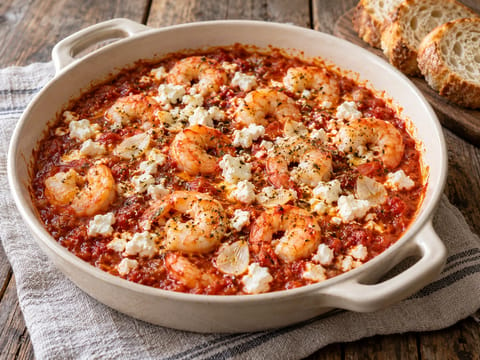
Prawns in garlicky tomato sauce topped with feta
Sometimes, but it depends on what “from scratch” means in practice. No-cook dishes and very fast-cooking ingredients fit best; anything needing long preheats, slow softening, or extended simmering usually won’t.
Because the time limit leaves little room for ingredients that need long cooking. Using ready-to-eat or quick-cooking components shifts the work to seasoning, texture, and assembly.
Prep. Extra chopping, peeling, and measuring can easily add minutes. Recipes that keep ingredients few and cuts simple are more likely to stay under 15.
Not always. Some are straightforward assembly, but quick hot cooking can be less forgiving because there’s little time to correct heat or texture once you start.
Use strong, fast flavour builders: citrus, vinegar, chilli, herbs, toasted spices, or a well-seasoned dressing. They add depth without adding cooking time.
Under 15 minutes works best when the recipe is built around speed: minimal prep, fast heat, or no cooking at all. Choose the style that matches your energy, and let method and difficulty guide how much attention the dish will need in those few minutes.
