
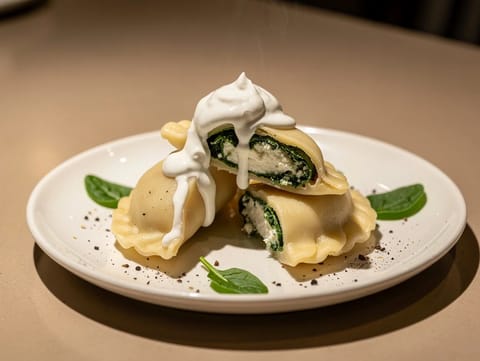
Modern Pierogi with Spinach and Ricotta
Pierogi filled with spinach and ricotta
Scooping plain flour straight from the bag can compact it. Use this reference to compare grams and cups, then keep the way you fill the cup consistent.
| Grams | Cups | Ounces |
|---|---|---|
| 1 g | 1 g (< ½ tsp) | 0.04 |
| 5 g | ≈ 2 tsp | 0.18 |
| 10 g | ≈ 1 ¼ tbsp | 0.35 |
| 25 g | ≈ ¼ cup | 0.88 |
| 50 g | ≈ ⅜ cup | 1.76 |
| 100 g | ≈ ⅞ cup | 3.53 |
| 250 g | ≈ 2 ⅛ cups | 8.82 |
Reference used in this table: 1 cup (236.6 ml) ≈ 120 g
Loosen the flour, spoon it into a dry measuring cup and sweep the top level. Do not tap the cup against the worktop to fit more in. Scooping a cup directly through a settled bag can press flour into the measure.
If the recipe gives a weight, weigh that amount directly. A conversion cannot recover the intended amount from a heavily packed cup. Use a cup with a rim you can level, rather than trying to judge loose flour against a line inside a liquid jug.
A recipe writer may use a different flour-filling method or cup reference. If the recipe lists both cups and grams, use its gram amount rather than replacing it with another table’s estimate. Flour added for dusting the worktop is separate from the amount weighed for the dough.
Pierogi filled with spinach and ricotta
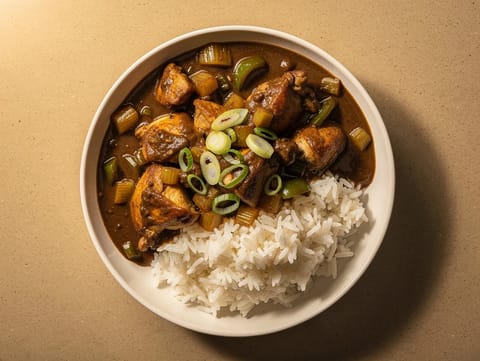
Cajun chicken étouffée with dark roux served over rice

Caramel chocoflan with vanilla flan and chocolate sponge
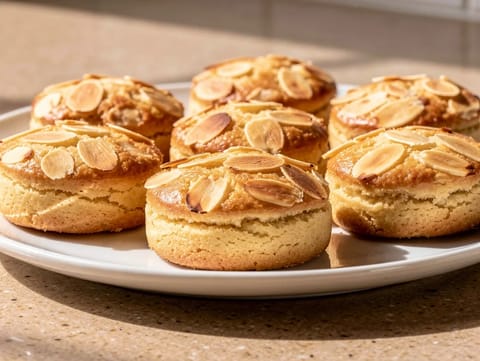
Buttery Dutch cookies with a thick almond paste filling

Dense Breton butter cake with vanilla and egg yolks
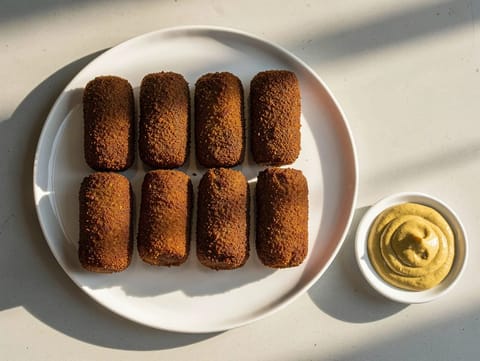
Dutch beef ragout croquettes with a crisp breadcrumb coating
| Grams | Cups | Ounces |
|---|---|---|
| 1 g | 1 g (< ½ tsp) | 0.04 |
| 5 g | ≈ 2 tsp | 0.18 |
| 10 g | ≈ 1 ¼ tbsp | 0.35 |
| 25 g | ≈ ¼ cup | 0.88 |
| 50 g | ≈ ⅜ cup | 1.76 |
| 100 g | ≈ ¾ cup | 3.53 |
| 250 g | ≈ 2 cups | 8.82 |
| Grams | Cups | Ounces |
|---|---|---|
| 1 g | 1 g (< ½ tsp) | 0.04 |
| 5 g | ≈ ½ tsp | 0.18 |
| 10 g | ≈ 1 ½ tsp | 0.35 |
| 25 g | ≈ 1 ¼ tbsp | 0.88 |
| 50 g | ≈ ⅛ cup | 1.76 |
| 100 g | ≈ ¼ cup | 3.53 |
| 250 g | ≈ ¾ cup | 8.82 |
| Grams | Cups | Ounces |
|---|---|---|
| 1 g | 1 g (< ½ tsp) | 0.04 |
| 5 g | ≈ 2 tsp | 0.18 |
| 10 g | ≈ 1 ¼ tbsp | 0.35 |
| 25 g | ≈ ¼ cup | 0.88 |
| 50 g | ≈ ⅜ cup | 1.76 |
| 100 g | ≈ ¾ cup | 3.53 |
| 250 g | ≈ 2 cups | 8.82 |
| Grams | Cups | Ounces |
|---|---|---|
| 1 g | 1 g (< ½ tsp) | 0.04 |
| 5 g | ≈ 1 ½ tsp | 0.18 |
| 10 g | ≈ 1 ¼ tbsp | 0.35 |
| 25 g | ≈ ⅛ cup | 0.88 |
| 50 g | ≈ ⅜ cup | 1.76 |
| 100 g | ≈ ¾ cup | 3.53 |
| 250 g | ≈ 1 ¾ cups | 8.82 |
| Grams | Cups | Ounces |
|---|---|---|
| 1 g | 1 g (< ½ tsp) | 0.04 |
| 5 g | ≈ 1 tsp | 0.18 |
| 10 g | ≈ 2 tsp | 0.35 |
| 25 g | ≈ ⅛ cup | 0.88 |
| 50 g | ≈ ¼ cup | 1.76 |
| 100 g | ≈ ½ cup | 3.53 |
| 250 g | ≈ 1 ⅛ cups | 8.82 |
| Milliliters | Cups |
|---|---|
| 1 ml | 1 ml (< ½ tsp) |
| 5 ml | ≈ 1 tsp |
| 10 ml | ≈ 2 tsp |
| 25 ml | ≈ 1 ¾ tbsp |
| 50 ml | ≈ ¼ cup |
| 100 ml | ≈ ⅜ cup |
| 250 ml | ≈ 1 cup |
| Grams | Cups | Ounces |
|---|---|---|
| 1 g | 1 g (< ½ tsp) | 0.04 |
| 5 g | ≈ 2 tsp | 0.18 |
| 10 g | ≈ 1 ¼ tbsp | 0.35 |
| 25 g | ≈ ¼ cup | 0.88 |
| 50 g | ≈ ⅜ cup | 1.76 |
| 100 g | ≈ ⅞ cup | 3.53 |
| 250 g | ≈ 2 ⅛ cups | 8.82 |
| Grams | Cups | Ounces |
|---|---|---|
| 1 g | 1 g (< ½ tsp) | 0.04 |
| 5 g | ≈ ½ tsp | 0.18 |
| 10 g | ≈ 1 ½ tsp | 0.35 |
| 25 g | ≈ 1 ¼ tbsp | 0.88 |
| 50 g | ≈ ⅛ cup | 1.76 |
| 100 g | ≈ ¼ cup | 3.53 |
| 250 g | ≈ ¾ cup | 8.82 |
| Grams | Cups | Ounces |
|---|---|---|
| 1 g | 1 g (< ½ tsp) | 0.04 |
| 5 g | ≈ 1 ½ tsp | 0.18 |
| 10 g | ≈ 1 ¼ tbsp | 0.35 |
| 25 g | ≈ ⅛ cup | 0.88 |
| 50 g | ≈ ⅜ cup | 1.76 |
| 100 g | ≈ ¾ cup | 3.53 |
| 250 g | ≈ 1 ¾ cups | 8.82 |
| Grams | Cups | Ounces |
|---|---|---|
| 1 g | 1 g (< ½ tsp) | 0.04 |
| 5 g | ≈ 2 ½ tsp | 0.18 |
| 10 g | ≈ 1 ½ tbsp | 0.35 |
| 25 g | ¼ cup | 0.88 |
| 50 g | ½ cup | 1.76 |
| 100 g | 1 cup | 3.53 |
| 250 g | 2 ½ cups | 8.82 |
| Grams | Cups | Ounces |
|---|---|---|
| 1 g | 1 g (< ½ tsp) | 0.04 |
| 5 g | ≈ 1 tsp | 0.18 |
| 10 g | ≈ 2 tsp | 0.35 |
| 25 g | ≈ ⅛ cup | 0.88 |
| 50 g | ≈ ¼ cup | 1.76 |
| 100 g | ≈ ½ cup | 3.53 |
| 250 g | ≈ 1 ⅛ cups | 8.82 |
| Grams | Cups | Ounces |
|---|---|---|
| 1 g | 1 g (< ½ tsp) | 0.04 |
| 5 g | ≈ 1 ½ tsp | 0.18 |
| 10 g | ≈ 3 tsp | 0.35 |
| 25 g | ≈ ⅛ cup | 0.88 |
| 50 g | ≈ ¼ cup | 1.76 |
| 100 g | ≈ ⅝ cup | 3.53 |
| 250 g | ≈ 1 ½ cups | 8.82 |
| Grams | Cups | Ounces |
|---|---|---|
| 1 g | 1 g (< ½ tsp) | 0.04 |
| 5 g | ≈ ½ tsp | 0.18 |
| 10 g | ≈ 1 ½ tsp | 0.35 |
| 25 g | ≈ 1 ¼ tbsp | 0.88 |
| 50 g | ≈ ⅛ cup | 1.76 |
| 100 g | ≈ ¼ cup | 3.53 |
| 250 g | ≈ ¾ cup | 8.82 |
| Grams | Cups | Ounces |
|---|---|---|
| 1 g | ≈ ½ tsp | 0.04 |
| 5 g | ≈ 3 tsp | 0.18 |
| 10 g | ≈ ⅛ cup | 0.35 |
| 25 g | ≈ ¼ cup | 0.88 |
| 50 g | ≈ ⅝ cup | 1.76 |
| 100 g | ≈ 1 ⅛ cups | 3.53 |
| 250 g | ≈ 3 cups | 8.82 |
| Grams | Cups | Ounces |
|---|---|---|
| 1 g | ≈ ½ tsp | 0.04 |
| 5 g | ≈ 1 tbsp | 0.18 |
| 10 g | ⅛ cup | 0.35 |
| 25 g | ≈ ⅜ cup | 0.88 |
| 50 g | ⅝ cup | 1.76 |
| 100 g | 1 ¼ cups | 3.53 |
| 250 g | 3 ⅛ cups | 8.82 |
| Grams | Cups | Ounces |
|---|---|---|
| 1 g | 1 g (< ½ tsp) | 0.04 |
| 5 g | ≈ 1 tsp | 0.18 |
| 10 g | ≈ 2 ½ tsp | 0.35 |
| 25 g | ≈ ⅛ cup | 0.88 |
| 50 g | ≈ ¼ cup | 1.76 |
| 100 g | ≈ ½ cup | 3.53 |
| 250 g | ≈ 1 ¼ cups | 8.82 |
| Grams | Cups | Ounces |
|---|---|---|
| 1 g | 1 g (< ½ tsp) | 0.04 |
| 5 g | ≈ 1 ½ tsp | 0.18 |
| 10 g | ≈ 3 tsp | 0.35 |
| 25 g | ≈ ⅛ cup | 0.88 |
| 50 g | ≈ ¼ cup | 1.76 |
| 100 g | ≈ ⅝ cup | 3.53 |
| 250 g | ≈ 1 ½ cups | 8.82 |
| Grams | Cups | Ounces |
|---|---|---|
| 1 g | 1 g (< ½ tsp) | 0.04 |
| 5 g | ≈ ½ tsp | 0.18 |
| 10 g | ≈ 1 ½ tsp | 0.35 |
| 25 g | ≈ 1 ¼ tbsp | 0.88 |
| 50 g | ≈ ⅛ cup | 1.76 |
| 100 g | ≈ ¼ cup | 3.53 |
| 250 g | ≈ ¾ cup | 8.82 |
| Grams | Cups | Ounces |
|---|---|---|
| 1 g | 1 g (< ½ tsp) | 0.04 |
| 5 g | ≈ 1 tsp | 0.18 |
| 10 g | ≈ 2 ½ tsp | 0.35 |
| 25 g | ≈ ⅛ cup | 0.88 |
| 50 g | ≈ ¼ cup | 1.76 |
| 100 g | ≈ ½ cup | 3.53 |
| 250 g | ≈ 1 ¼ cups | 8.82 |
| Grams | Cups | Ounces |
|---|---|---|
| 1 g | 1 g (< ½ tsp) | 0.04 |
| 5 g | ≈ 1 ½ tsp | 0.18 |
| 10 g | ≈ 3 tsp | 0.35 |
| 25 g | ≈ ⅛ cup | 0.88 |
| 50 g | ≈ ¼ cup | 1.76 |
| 100 g | ≈ ⅝ cup | 3.53 |
| 250 g | ≈ 1 ½ cups | 8.82 |
| Milliliters | Cups |
|---|---|
| 1 ml | 1 ml (< ½ tsp) |
| 5 ml | ≈ 1 tsp |
| 10 ml | ≈ 2 tsp |
| 25 ml | ≈ 1 ¾ tbsp |
| 50 ml | ≈ ¼ cup |
| 100 ml | ≈ ⅜ cup |
| 250 ml | ≈ 1 cup |
| Grams | Cups | Ounces |
|---|---|---|
| 1 g | 1 g (< ½ tsp) | 0.04 |
| 5 g | ≈ 2 ½ tsp | 0.18 |
| 10 g | ≈ 1 ½ tbsp | 0.35 |
| 25 g | ≈ ¼ cup | 0.88 |
| 50 g | ≈ ½ cup | 1.76 |
| 100 g | ≈ 1 cup | 3.53 |
| 250 g | ≈ 2 ½ cups | 8.82 |
| Grams | Cups | Ounces |
|---|---|---|
| 1 g | 1 g (< ½ tsp) | 0.04 |
| 5 g | ≈ 1 ½ tsp | 0.18 |
| 10 g | ≈ 1 tbsp | 0.35 |
| 25 g | ≈ ⅛ cup | 0.88 |
| 50 g | ≈ ⅜ cup | 1.76 |
| 100 g | ≈ ⅝ cup | 3.53 |
| 250 g | ≈ 1 ⅝ cups | 8.82 |
| Grams | Cups | Ounces |
|---|---|---|
| 1 g | 1 g (< ½ tsp) | 0.04 |
| 5 g | ≈ 1 tsp | 0.18 |
| 10 g | ≈ 2 tsp | 0.35 |
| 25 g | ≈ 1 ½ tbsp | 0.88 |
| 50 g | ≈ ¼ cup | 1.76 |
| 100 g | ≈ ⅜ cup | 3.53 |
| 250 g | ≈ 1 cup | 8.82 |
| Grams | Cups | Ounces |
|---|---|---|
| 1 g | ≈ ½ tsp | 0.04 |
| 5 g | ≈ 1 tbsp | 0.18 |
| 10 g | ⅛ cup | 0.35 |
| 25 g | ≈ ⅜ cup | 0.88 |
| 50 g | ⅝ cup | 1.76 |
| 100 g | 1 ¼ cups | 3.53 |
| 250 g | 3 ⅛ cups | 8.82 |
Follow the recipe’s order. “Sifted flour” and flour sifted after measuring need not occupy the same volume; do not assume the cup reference covers both.
Weight conversions use fixed unit factors. Cup and spoon estimates depend on the stated ingredient form and cup size. Milliliters measure volume; converting them to grams also needs an ingredient-specific reference. Without a reliable cup reference, the calculator uses grams and ounces.
Small volumes may be shown as approximate spoon measures. Below half a teaspoon, the measured amount stays visible instead of being rounded up. Use a suitable scale or follow the recipe’s original measure for these small quantities.
The conversion factors between grams, ounces and pounds are exact and do not depend on the ingredient. The displayed result is rounded for readability.
Many kitchen measurements are traditionally shown using simple fractions. Displaying amounts like “⅛ cup” or “¼ cup” makes the conversions easier to read and measure accurately with standard cups and spoons.
Cup measurements depend on how dense an ingredient is. For example, 1 cup of flour does not weigh the same as 1 cup of sugar. Small differences also occur due to natural variations like brand, moisture, or packing. We use consistent reference values so your conversions stay reliable.
