
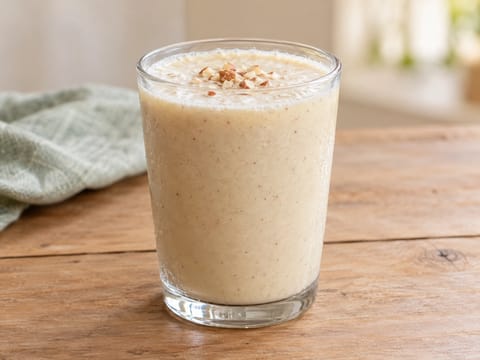
Banana Almond Lassi Smoothie
Creamy banana and almond lassi smoothie with cardamom.

Almonds can be a main ingredient, a quiet background note, or a finishing garnish, and the right substitute depends on which role they play. This page focuses on practical swaps for almond flour, ground almonds, almond extract and sliced or flaked almonds, alongside the label details that matter when you are avoiding almonds. Because almonds are a tree nut, it is also worth thinking about cross-contact in kitchens and factories, especially with packaged flours, chocolate and bakery-style ingredients.
Almonds turn up in several distinct forms, and they behave differently. Whole, flaked and chopped almonds are usually there for crunch and a toasted aroma. Ground almonds and almond meal add richness and moisture, and they can soften the crumb in cakes and biscuits because they contain fat and little to no gluten. Almond flour is often more finely milled, which can change how quickly it absorbs liquid. Almond extract and almond essence are flavourings rather than nuts, but they are still something to treat cautiously because ingredients and manufacturing vary. Almonds also appear indirectly in marzipan and almond paste, praline, frangipane-style fillings, and some plant-based drinks and creams used in cooking.
Creamy banana and almond lassi smoothie with cardamom.
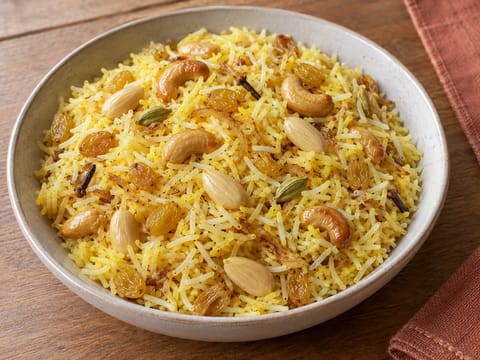
Saffron basmati rice with whole spices, nuts and sultanas
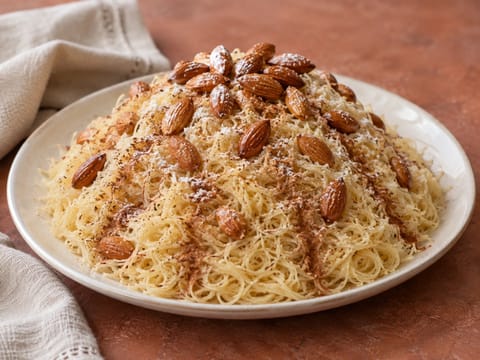
Steamed sweet vermicelli topped with almonds and cinnamon
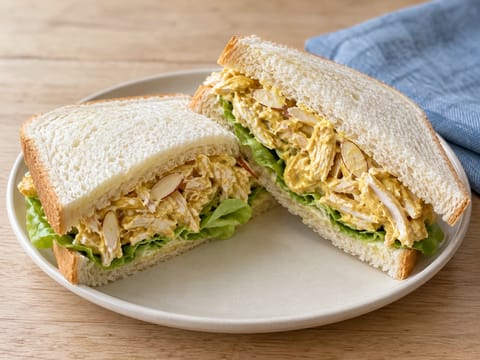
Coronation chicken sandwich with mango chutney, almonds and lettuce

Iced espresso with sweetened almond drink
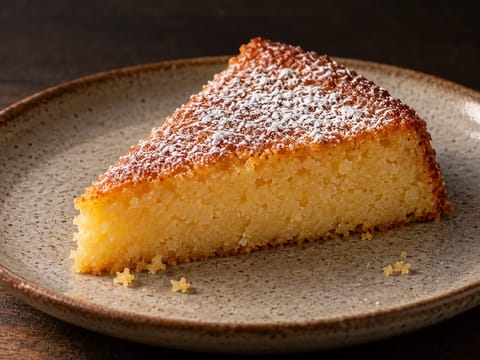
Dense Portuguese almond cake finished with icing sugar
For crunch and garnish, the simplest approach is to swap in another crisp topping that toasts well, such as seeds (pumpkin, sunflower or sesame) or toasted coconut flakes, depending on the flavour profile of the dish. For ground almonds in baking, look for an ingredient that brings body and some fat: finely ground sunflower seeds are a common stand-in, though they can sometimes shift colour in baked goods. Oat flour or plain flour can work in some recipes, but they change tenderness and structure, so they are not a like-for-like replacement.
For almond extract, think about what it is contributing: a sweet, perfumed note. Vanilla, citrus zest, or a small amount of a compatible spice can replace the aroma without imitating it exactly. If a recipe relies on marzipan or almond paste for both flavour and texture, it is usually better to choose a different filling style rather than forcing a direct swap.
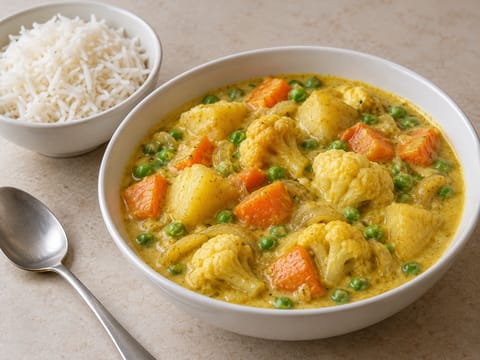
Mild vegetable korma with coconut, yoghurt and almonds
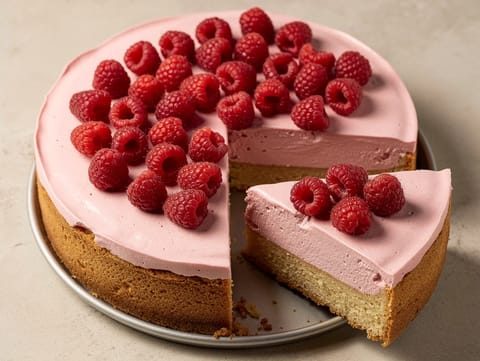
Almond sponge topped with raspberry mousse and fresh raspberries
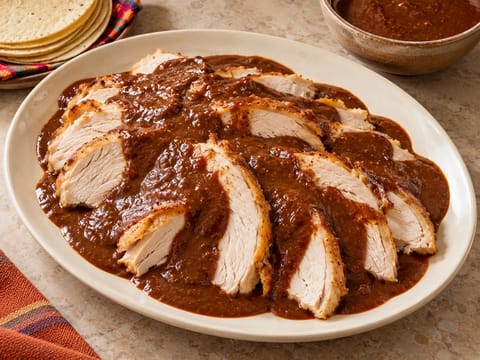
Roast turkey served with traditional mole sauce and dark chocolate
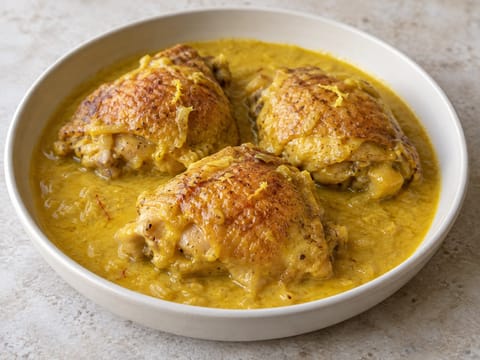
Spanish chicken braise in an almond and saffron sauce
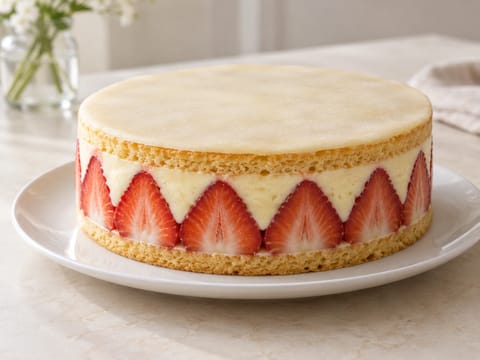
French strawberry cake with génoise and crème mousseline
Creamy banana and almond lassi smoothie with cardamom.
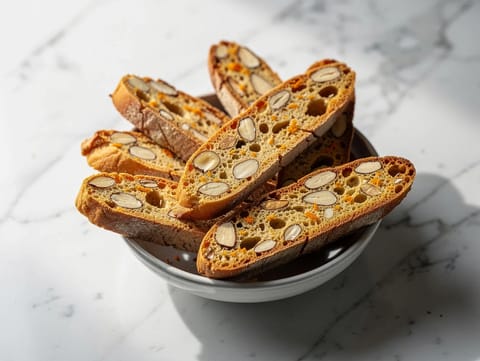
Twice-baked almond biscuits with orange zest
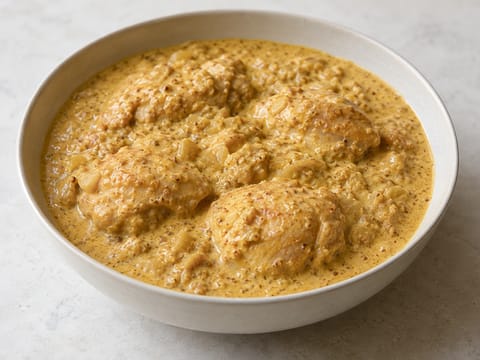
Creamy chicken korma thickened with ground almonds
Steamed sweet vermicelli topped with almonds and cinnamon

Pan-seared cod with romesco sauce
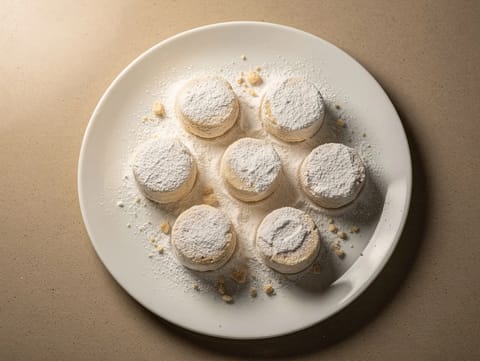
Crumbly almond biscuits with cinnamon, lemon zest and icing sugar

Baked almond briouats brushed with honey and sesame seeds
This label is a browsing aid, not a safety guarantee. If you need to avoid almonds, check ingredient lists for almond flour/meal, marzipan, praline, frangipane and nut pastes, and be alert to almond appearing in chocolates, biscuits and bakery items. With packaged ingredients, also consider advisory statements such as ‘may contain’ or ‘made in a facility’ where relevant to your needs. Cross-contact can happen easily when nuts are chopped on shared boards, blended in shared machines, or used as a garnish in the same kitchen.
If you are planning swaps, browsing by Ingredient can help you compare alternatives such as seeds, coconut, oats or different flours and see how they are used across savoury and sweet recipes. Diet categories can also be useful when almond flour is used to meet a particular eating style, so you can find recipes that reach a similar result without relying on almonds.
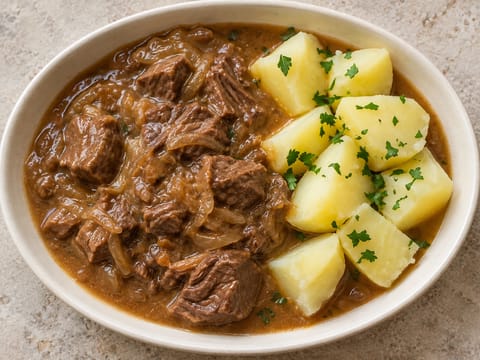
Swedish beef stew with onions, allspice and bay leaf
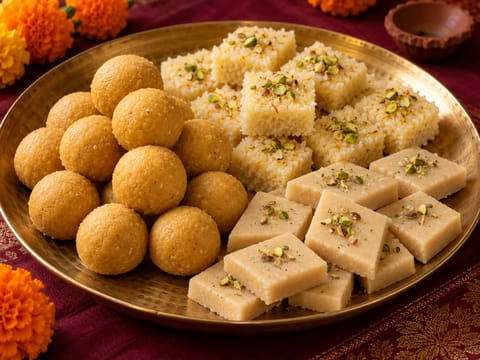
Diwali sweets platter with besan ladoo, coconut barfi and cashew fudge
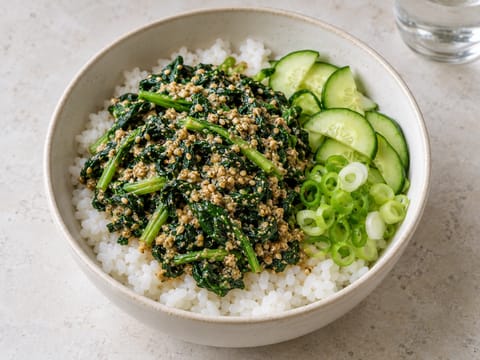
Spinach gomae over rice with cucumber and spring onion
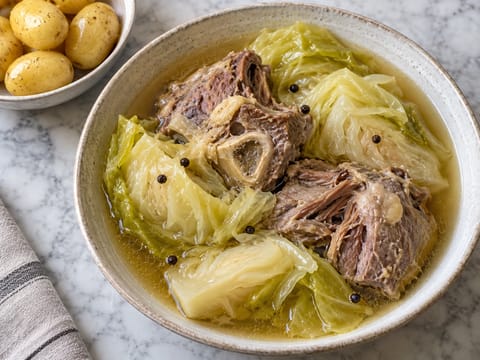
Norwegian mutton and cabbage stew simmered with peppercorns
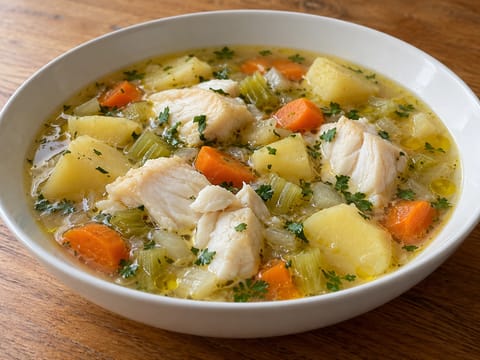
Light Greek fish soup finished with lemon and olive oil
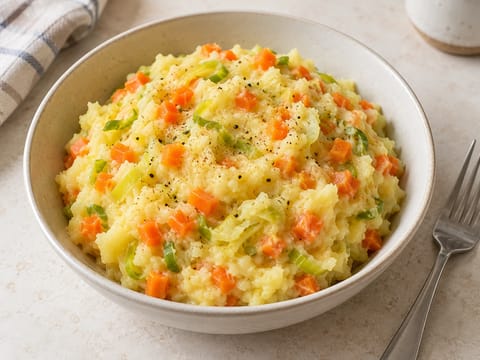
Mashed potatoes with carrots and leeks, enriched with butter
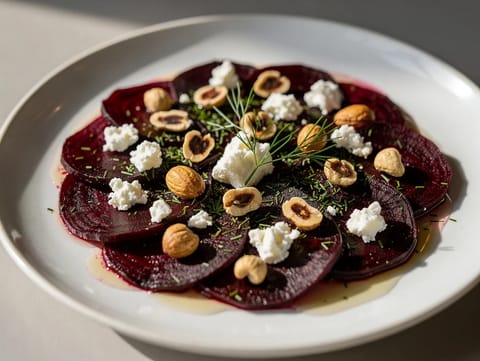
Beetroot carpaccio with goat’s cheese, hazelnuts and dill
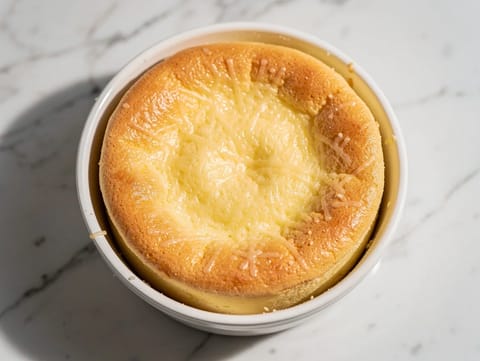
Puffed Gruyère soufflé made with béchamel and egg whites
They are closely related, but not always identical. Almond flour is often more finely milled and sometimes made from blanched almonds, while ground almonds may be coarser and include skins. That difference can affect texture and how much liquid a batter absorbs.
Choose something that toasts and stays crisp: pumpkin or sunflower seeds, sesame seeds, or coconut flakes are common options. Pick based on the flavour of the bake rather than trying to mimic almonds exactly.
If almonds are only a garnish, often yes. If they are part of the structure, such as ground almonds in a cake or a nut paste in a filling, leaving them out can make the result dry, fragile or lacking body, so a replacement is usually needed.
It depends on the product. Some flavourings are made with bitter almond oil, others are synthetic. If you are avoiding almonds, treat extracts cautiously and check the label and manufacturer information.
They are sometimes used for an almond-like flavour, but they are not a straightforward or universally appropriate substitute. For allergen avoidance, it is safer to choose a different flavour direction such as vanilla or citrus.
A few ingredients can read as almond-adjacent, especially vanilla, stone-fruit notes and certain toasted seeds. That can be useful when you want a similar impression without using almonds, but it will not replicate almond paste or marzipan texture.
Start by identifying whether almonds are providing crunch, moisture, structure or aroma, then substitute for that job. When in doubt, choose recipes that do not rely on almond flour or nut pastes for their basic shape, and always confirm packaged ingredients and kitchen practices if almond avoidance is essential.
