
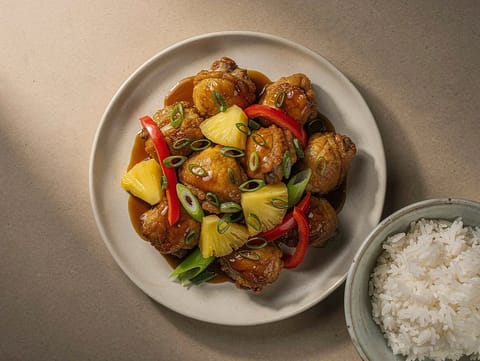
Air Fryer Sweet and Sour Chicken
Crispy chicken tossed in a sweet and sour sauce.

Soy can be straightforward when it is tofu or edamame, and surprisingly easy to miss when it is part of a sauce, a seasoning, or a cooking fat. If you are avoiding soybeans, cross-contact and label language matter as much as the recipe itself, because soy-derived ingredients are common in packaged foods. This page focuses on the practical places soy turns up, how to think about substitutions without assuming they are equivalent, and when it is safer to choose a different recipe direction.
This label indicates that soybeans or soy-derived ingredients are intentionally included. That may be obvious, such as tofu, tempeh or edamame, but it can also be indirect, such as soy sauce and other soy-based seasonings. Soy can contribute protein and texture in set products like tofu, but it can also function as a salty, savoury backbone in sauces and marinades.
Because soy appears in many processed ingredients, the boundary between “soy in the recipe” and “soy in a component” can be thin. Reading the ingredient list for every packaged element is often the deciding step.
Crispy chicken tossed in a sweet and sour sauce.
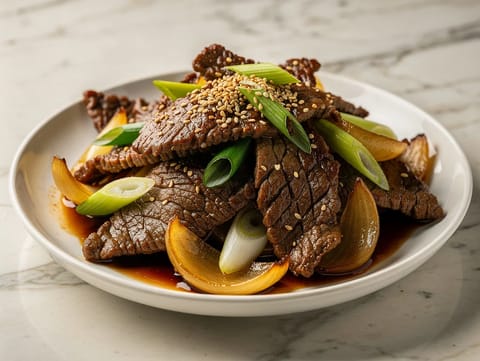
Thinly sliced marinated beef quickly fried with onions
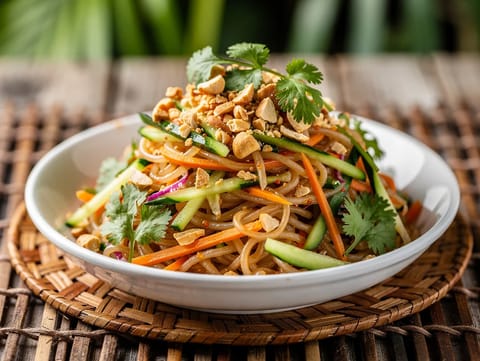
Rice noodle salad with spicy lime dressing and peanuts
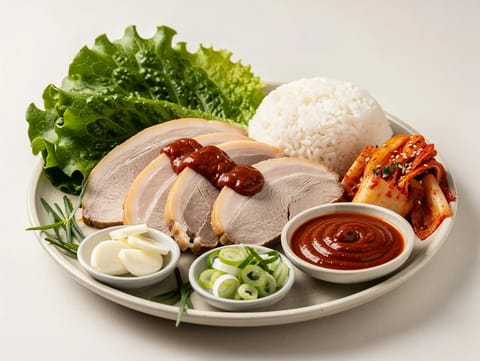
Boiled pork belly lettuce wraps with rice, kimchi and ssamjang
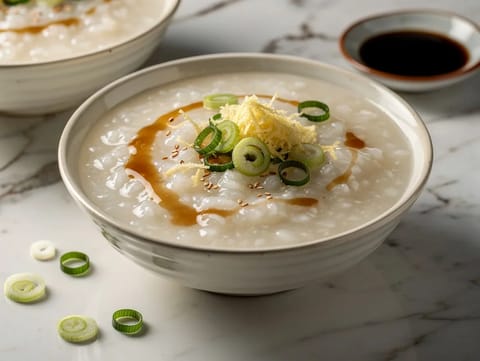
Creamy jasmine rice congee with ginger and spring onion
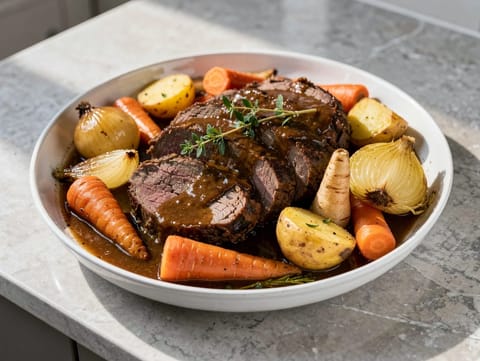
Slow cooker beef pot roast with root vegetables and gravy
If soy is present as a main ingredient, such as tofu, substitution is usually about replacing texture and how the ingredient absorbs flavour. Other plant-based proteins may work, but they behave differently in heat and in marinades, so expect to adjust cooking method and seasoning.
If soy is present as a sauce or seasoning, you are replacing saltiness, umami and sometimes sweetness. Alternatives exist, but they vary widely in strength and ingredients, and some are fermented or aged, which changes flavour and how they perform in a glaze. Taste as you go and add gradually, rather than swapping in equal amounts.
For soy-based oils or lecithin in packaged foods, substitution is often a product-choice question rather than a cooking technique.

Silken tofu stuffed with minced pork in a savoury sauce
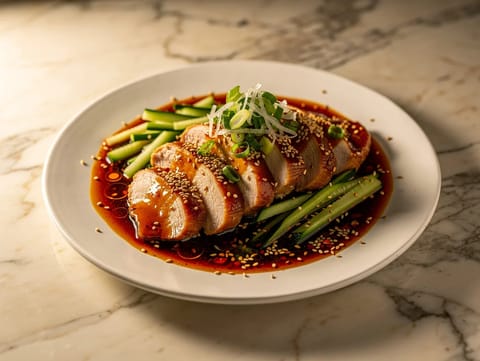
Chilled poached chicken dressed with chilli oil and black vinegar
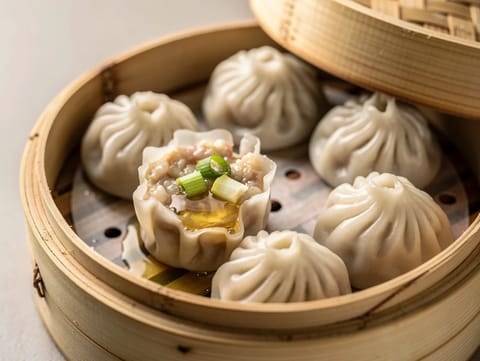
Steamed soup dumplings with pork filling and hot broth
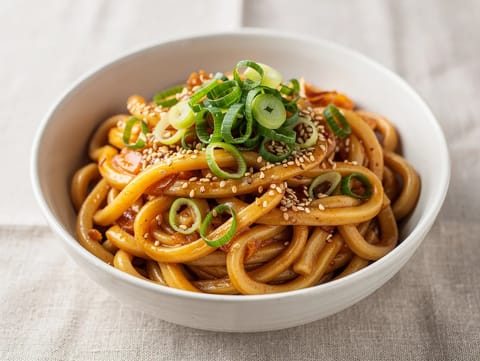
Udon noodles in a spicy miso sauce with spring onion
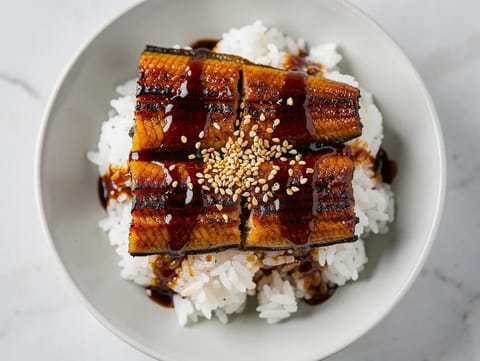
Grilled eel with sweet soy sauce served over rice
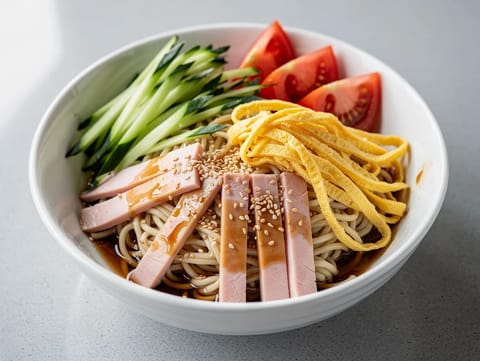
Chilled ramen topped with vegetables, omelette and ham

Crisp fried tofu served in warm dashi broth
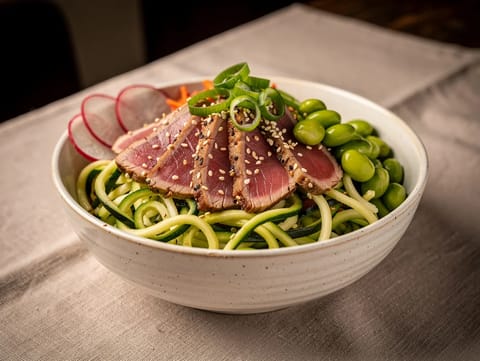
Tuna poke over courgette noodles with edamame and radishes.
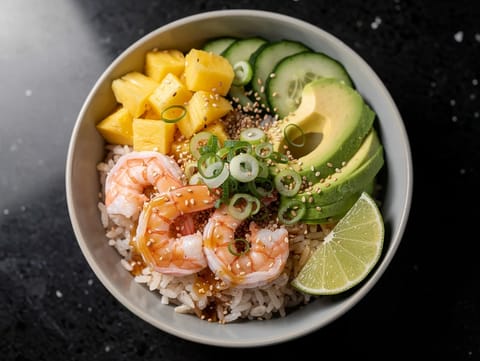
Prawn poke bowl with sushi rice and sweet pineapple.
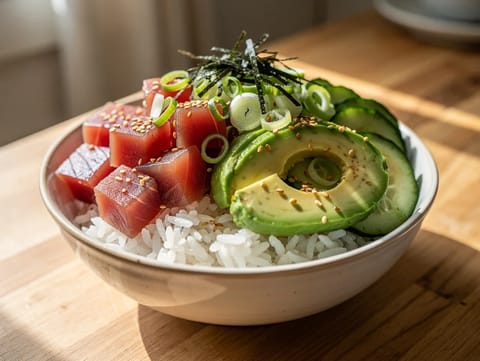
Tuna, avocado and cucumber poke bowl with sushi rice.
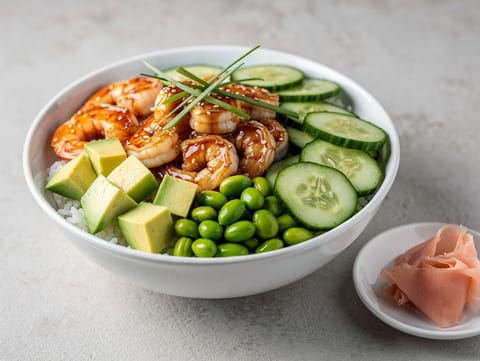
Shrimp poke bowl with sushi rice, avocado and edamame.
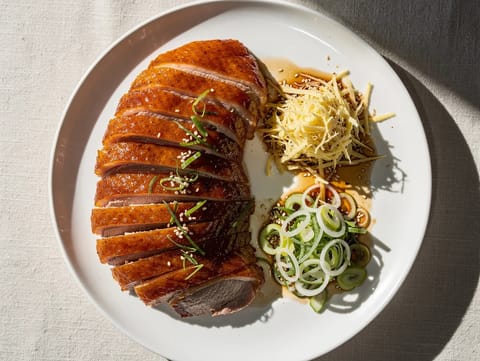
Cantonese roast duck with crisp skin and a maltose glaze
For soy avoidance, treat recipe labels as guidance rather than a safety guarantee. Check labels on sauces, stock cubes, spice blends, chocolate, baked goods and other packaged ingredients where soy can appear as an additive or processing aid. Cross-contact can also happen through shared fryers, grills, woks and marinades in mixed-use kitchens.
If you are cooking for someone else, confirm what forms of soy they avoid and how strict they need you to be, then plan your ingredient sourcing accordingly.
Ingredient browsing can help you find soy-free alternatives to common soy components, such as different seasonings, proteins or cooking fats. Diet categories can be helpful when soy avoidance overlaps with other requirements, but they still depend on careful label reading for packaged sauces and processed ingredients.
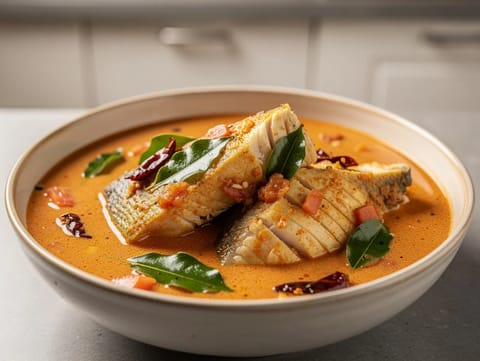
Goan coconut fish curry with tamarind and curry leaves

Pan-fried veal escalopes with mushroom and tarragon cream sauce
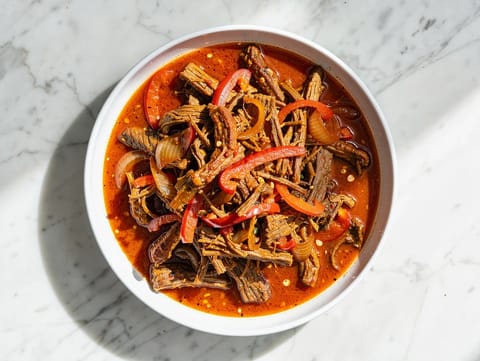
Shredded beef brisket simmered in tomato, pepper and cumin sauce

Pineapple agua fresca strained smooth and served over ice

Hot-smoked salmon salad with roasted beetroot and dill

Coffee-soaked biscuit dessert with mascarpone and cocoa

Pears stewed in red wine with cinnamon and cloves

Small Danish pancakes served warm with strawberry jam
No. Soy can also appear as soy sauce and other seasonings, and it is common in packaged foods in less obvious forms. Always check labels on prepared ingredients.
Often, but alternatives vary in saltiness and flavour. Add gradually and taste, because a direct equal swap can make a dish too salty or unbalanced.
It can be, especially where equipment or marinades are shared. At home, pay attention to shared utensils and bottles; outside the home, shared fryers and grills can be a factor.
No. It indicates soy is intentionally present, but it cannot account for how packaged ingredients were produced or handled. Label checks remain essential.
Start with the obvious soy ingredients, then check every packaged component, especially sauces, seasoning blends and stocks, where soy can be included even in small amounts.
No. Some are, some are not, and ingredients vary by brand and style. Read the ingredient list rather than relying on the name alone.
Soy is easiest to manage when you cook from clearly identified ingredients and keep an eye on packaged components. If a recipe relies on several bottled sauces or blends, it may be simpler to choose a dish with fewer processed elements before you start substituting.
