
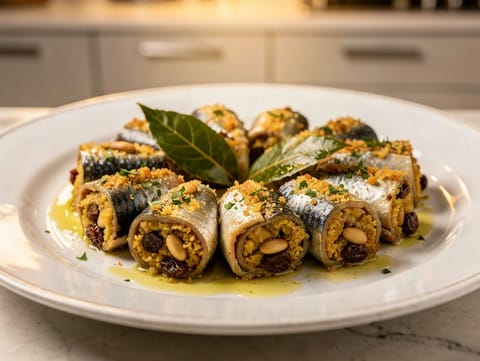
Sarde a Beccafico (Sicilian Stuffed Sardines)
Baked stuffed sardines with pine nuts and raisins

Tree nuts can be easy to spot when they are sprinkled on top, but harder to catch when they are ground, blended or used as a paste. This page is for cooks who need to avoid tree nuts and want a clear sense of what the label covers, where they tend to appear in everyday cooking, and what to double-check before you start. It is browsing help rather than a safety guarantee, so it is still worth reading ingredient lists carefully and thinking about how the food is prepared.
Tree nuts are a group rather than a single ingredient, which matters because recipes may use them whole, chopped, ground into flour, or blended into a smooth butter. In practical kitchen terms, they often play one of three roles: crunch (a topping for salads, noodles or bakes), richness (a nut butter stirred into sauces or dressings), or structure (ground nuts in cakes, biscuits and pastry-style bases). The same dish can contain tree nuts without looking ‘nutty’ at all, especially when nuts are toasted and blitzed into crumbs, folded into a filling, or used as a thickener in a sauce. When you are avoiding tree nuts, it helps to treat anything described as nut meal, nut flour, praline, marzipan-style paste or nut butter as a prompt to check exactly which nut is involved.
Baked stuffed sardines with pine nuts and raisins
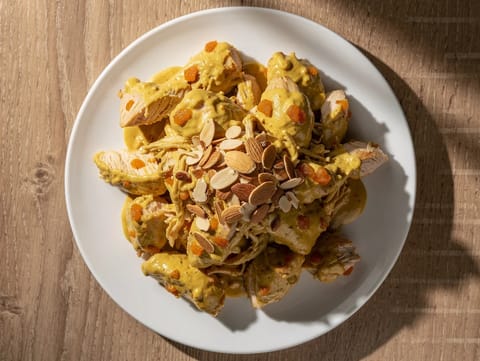
Cold chicken in curry mayonnaise with apricots and almonds
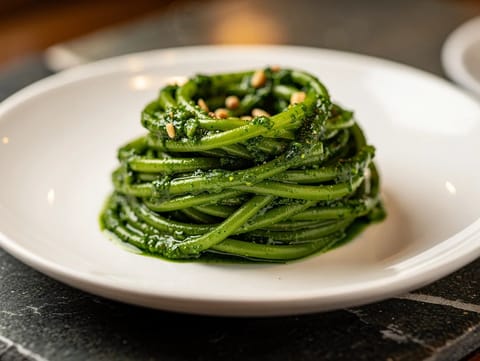
Basil pesto pasta with pine nuts, Parmesan and garlic
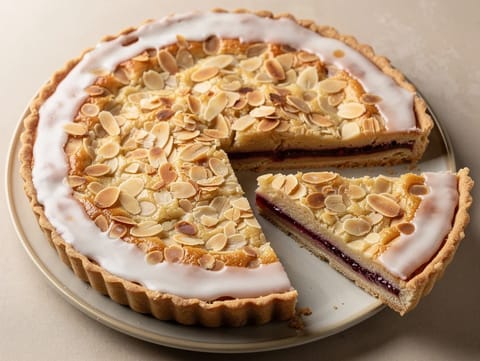
Bakewell tart with raspberry jam and almond frangipane

Crisp puff pastry with pork cracklings, pine nuts and sugar
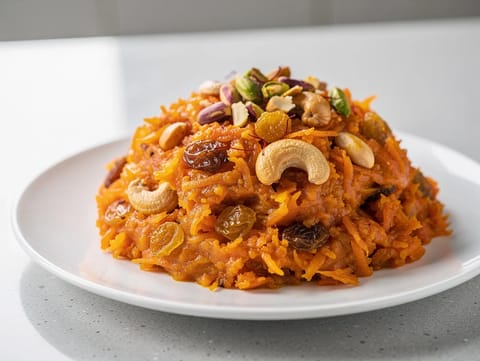
North Indian carrot pudding with milk, ghee and cardamom
If nuts are used as a garnish, they are usually the easiest to omit, but you may lose crunch and a little bitterness from toasting. Where nuts are blended into a sauce, they can be doing real work: thickening, smoothing and rounding out sharp flavours such as citrus, vinegar or chilli. In baking, ground nuts can replace some flour and change the crumb, making it more tender and moist, so swapping them out is not always a straight exchange. Watch for recipes that rely on nuts for body in fillings and bases, such as nut-and-date style crusts or frangipane-like layers. Those are still possible to adapt, but they need a deliberate alternative rather than a simple omission.
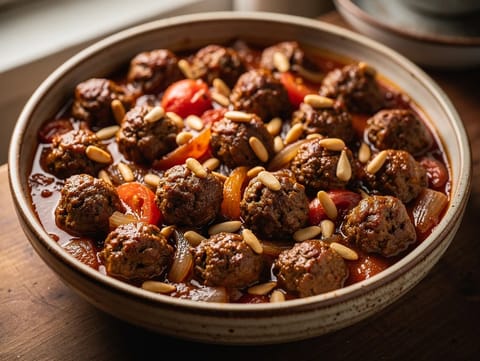
Lebanese beef meatballs simmered in tomato and tamarind sauce
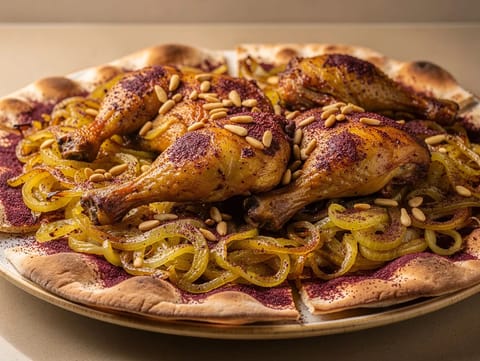
Roast chicken on flatbread with sumac onions and pine nuts
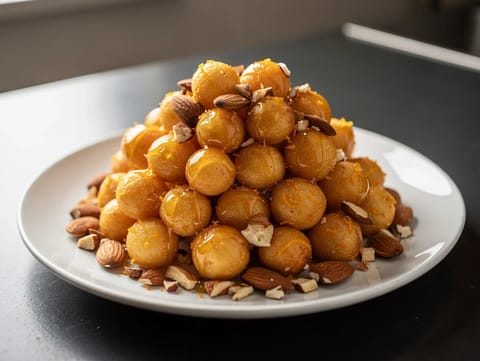
Fried dough balls coated in warm honey and citrus zest
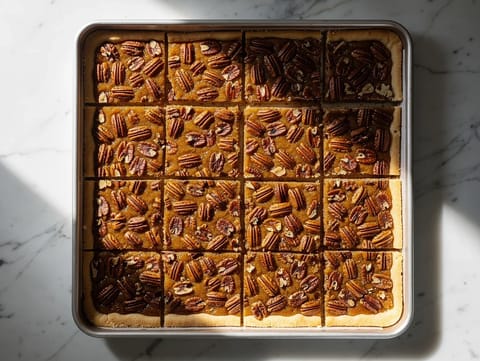
Shortbread bars topped with maple and brown sugar pecans
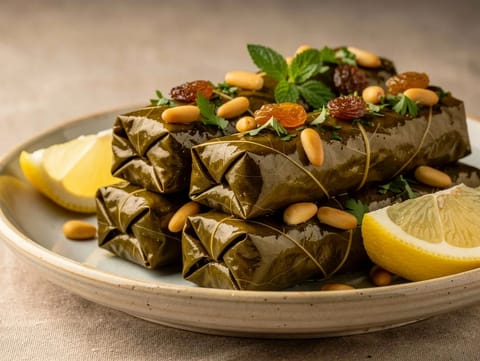
Stuffed grape leaves with herbed rice, pine nuts and currants
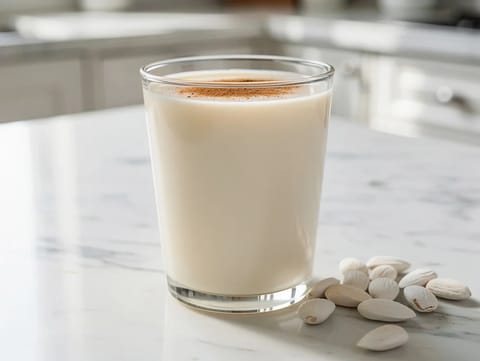
Almond milk blended with honey and orange blossom water
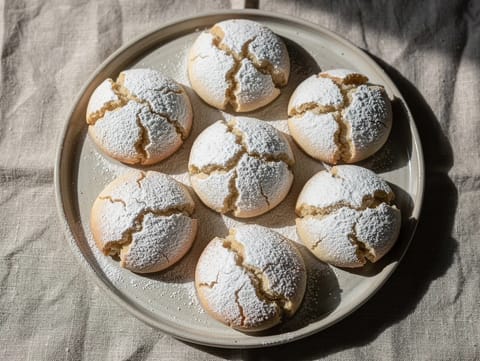
Crackled almond biscuits flavoured with orange blossom water
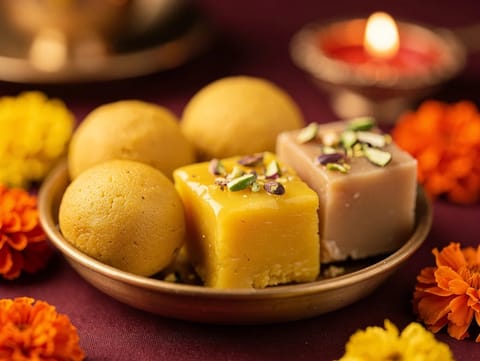
Diwali sweets platter with besan ladoo, coconut barfi and cashew fudge
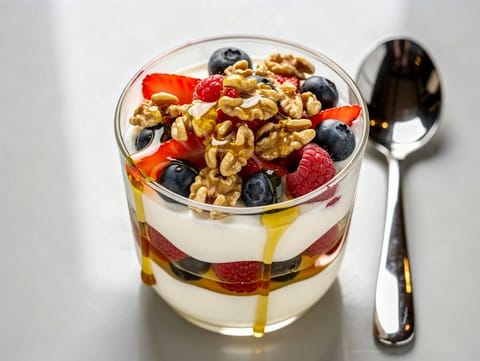
Greek yoghurt parfait layered with honey, berries and toasted walnuts
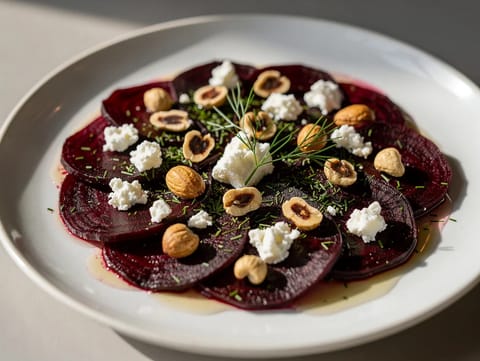
Beetroot carpaccio with goat’s cheese, hazelnuts and dill
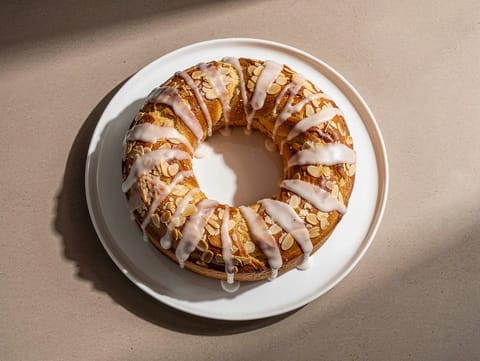
Buttery almond wreath pastry with flaked almonds and icing glaze
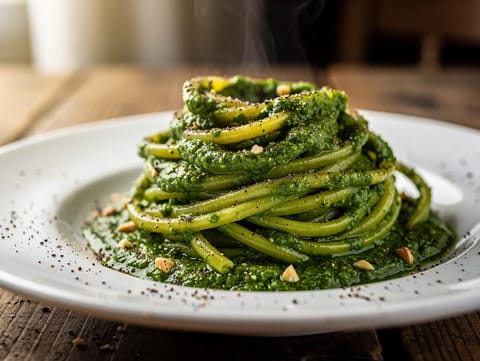
Pasta tossed with basil pesto, Parmesan and pine nuts
Avoiding tree nuts is not only about the recipe list. Packaged ingredients can contain nuts, be processed alongside them, or use nut oils and pastes in ways that are not obvious from appearance. If you are cooking for someone with an allergy, check labels on items such as chocolate, spreads, pesto-style sauces and spice blends, and consider whether your kitchen equipment has been in contact with nuts. This tag is a guide to what may be present, not a promise that a dish is safe for every individual or situation.
If you are planning substitutions, browsing by Ingredient can help you find alternatives that give similar texture, such as seeds for crunch or dairy for richness, depending on the dish. Diet categories can also be useful when you are balancing more than one requirement, but it is still worth checking each recipe and product label carefully.

Peruvian beef stew braised with coriander, ají amarillo and beer
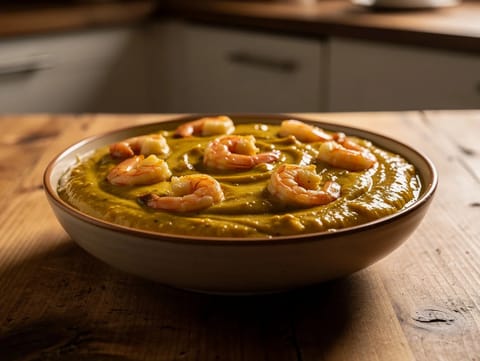
Creamy Bahian stew with coconut milk, bread and dried shrimp
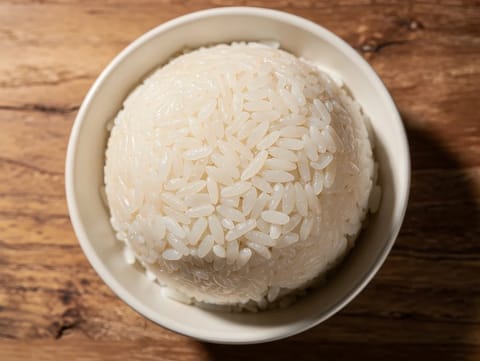
Thai sticky rice steamed from soaked glutinous rice
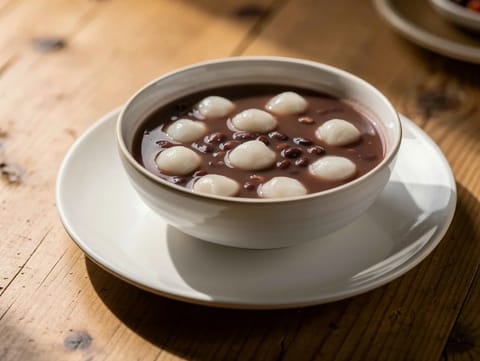
Korean red bean porridge with rice flour dumplings
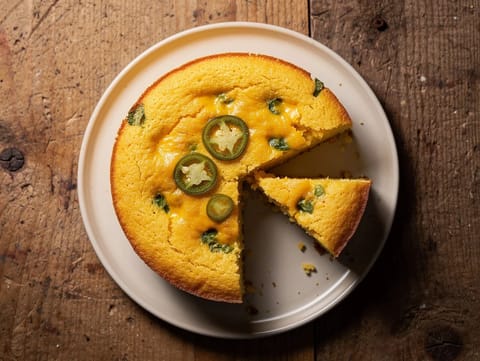
Golden skillet cornbread with jalapeño and cheddar
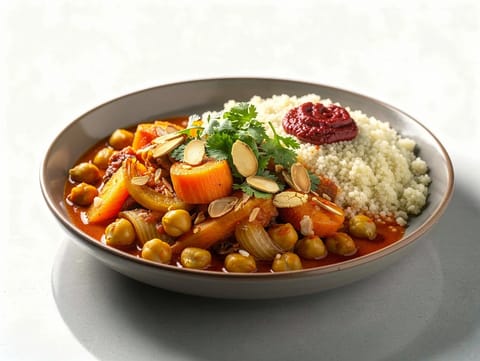
Carrot and chickpea tagine served with couscous and harissa
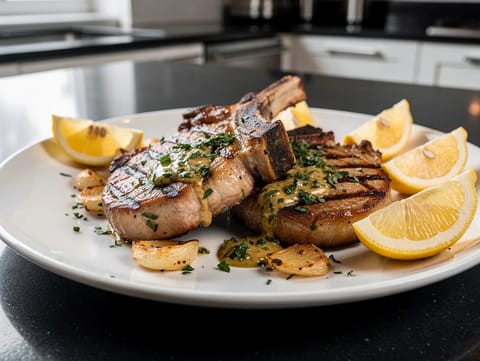
Grilled pork chops with Dijon mustard and fresh tarragon
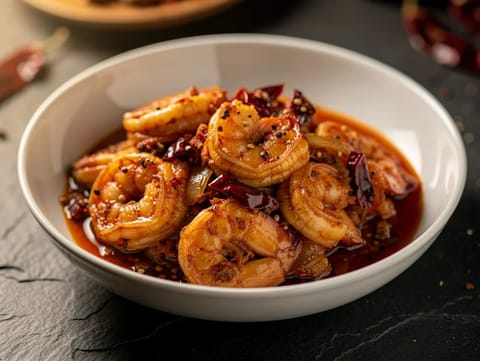
Goan-style prawns cooked in a tangy chilli masala
In allergen terms, peanuts are usually treated separately from tree nuts. If you need to avoid both, check for each specifically rather than assuming one label covers the other.
Some recipes use nut oils for flavour, and they may not be obvious once mixed into a dressing or marinade. If you are avoiding tree nuts, treat oils as something to check on the ingredient list.
Once nuts are milled or blended, they can look like flour, crumbs or a thick paste. They may be used to thicken sauces, enrich fillings or change the texture of cakes without any visible pieces.
Sometimes, especially when nuts are a topping. When nuts provide structure or thickness, leaving them out can make a cake crumbly or a sauce thin, so you may need a planned alternative.
Using clean boards, knives, bowls and especially blenders or food processors matters, because nut pastes cling to surfaces. If you are cooking for someone with a serious allergy, consider whether your kitchen setup can reliably keep ingredients separate.
Tree nuts can be obvious, hidden, or doing important structural work in a recipe. Use this page to understand where they tend to appear, then rely on ingredient lists and careful preparation habits to make decisions that fit your household.
