
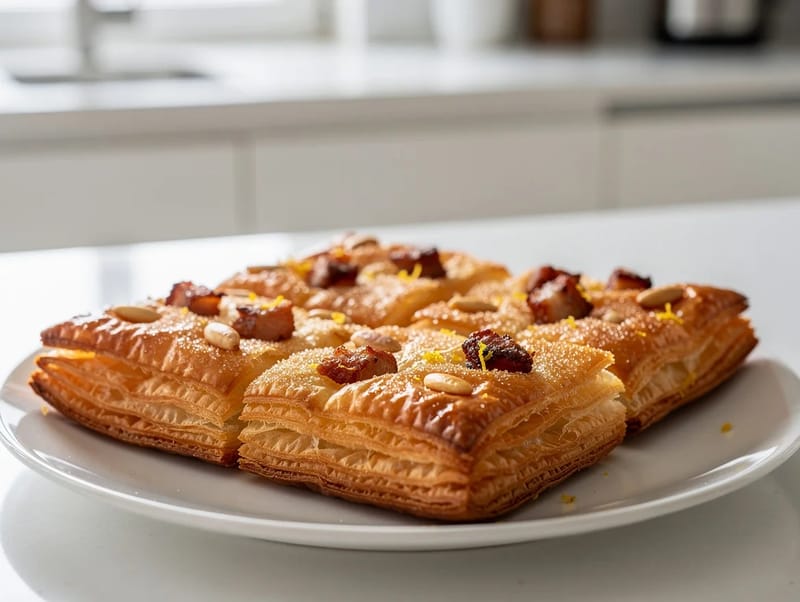
Coca de Llardons (Catalan Pork Crackling Pastry)
Why this recipe works
- Sweet-savoury crunch: Pork crackling, pine nuts and sugar create a crisp, nutty topping that contrasts with the flaky pastry.
- Fast assembly: Ready-made puff pastry keeps the method simple while still giving a layered, bakery-style result.
- Distinctive flavour: Lemon zest lifts the richness of the crackling and butter, keeping the pastry from tasting heavy.
Get the most out of this recipe
Texture tips
- Keep the pastry cold: Cold pastry rises more cleanly and bakes into sharper, flakier layers. Chill it briefly if it becomes soft while rolling.
- Bake until deeply golden: A pale finish will taste soft rather than crisp; look for a well-coloured top and firm edges before removing it from the oven.
Ingredient notes
- Choose plain pork rind: Use unsweetened, plainly seasoned pork rind so the crackling stays savoury without clashing with the sugar and lemon.
- Use all-butter pastry if possible: All-butter puff pastry gives a richer flavour and a cleaner, more delicate flake than many vegetable-fat versions.
- Pine nut alternatives: Pistachios work well, but they give a sweeter, greener flavour and a slightly different crunch from the classic pine nut finish.
Authenticity notes
- Catalan sweet-savoury style: This pastry reflects the Catalan taste for combining crisp pastry, sugar and savoury llardons, or pork cracklings.
- Pastry base variations: Some versions use a more traditional coca dough, while puff pastry is a practical shortcut that keeps the result light and crisp.
Make-ahead tips
- Best on the day: The pastry is at its crispest shortly after baking, once the sugar has set and the layers are still dry.
- Refresh before serving: If it has softened, warm it in a 180°C (355°F) oven for a few minutes to bring back the crisp texture.
Equipment you'll need
Ingredients
Instructions
- Heat the oven to 200°C (390°F) and line a baking tray with parchment paper. Put the puff pastry on the worktop for 5 minutes so it is cold but pliable.
- Crush the pork rind into small, irregular pieces. In a bowl, mix the pork rind with the pine nuts and finely grated lemon zest.
- Roll the puff pastry into a rectangle about 3 to 4 mm thick. Scatter over the pork rind mixture, then fold the pastry in half and roll again to press the filling in.
- Transfer the pastry to the lined tray and lightly score a grid to help with cutting later. Beat the egg, then brush it over the top.
- Sprinkle the caster sugar evenly over the egg-washed pastry. Bake for 20 to 25 minutes until deeply golden, puffed and crisp.
- Cool on the tray for 10 minutes so the sugar sets slightly. Cut into squares and serve warm or at room temperature.
Recipe notes
Tips
- Keep the pastry cold throughout; if it starts to feel soft, chill it for 10 minutes before baking for a better rise.
- For a more even topping, rub the lemon zest into the caster sugar with your fingertips before sprinkling it over the pastry.
- If serving to young children, cut smaller squares and check for any very hard pieces of pork rind.
Substitutions
- Replace Pine nuts with Pistachios for a greener, slightly sweeter nutty flavour.
- Replace Caster sugar with Demerara sugar for a crunchier, more caramelised topping.
Storage
- Refrigerate up to 2 days
- Store in an airtight container; it is best on the day it is baked. To refresh, warm in a 180°C (355°F) oven for 5 to 7 minutes until crisp again.
Ratings & reviews
Liked this recipe? Share your feedback to support our cooking community.
Tried this recipe?
Choose 1–5 stars. A comment is optional.
Stay inspired
Discover new recipes, seasonal favourites and cooking inspiration every day. Follow JustRecipes on Pinterest and Spillt.
Recipe overview
- Servings: 8 servings
- Yield: coca squares
- Total time: 50min (15min active)
- Difficulty: Easy
- Cuisine: Spanish
-
Allergens:
Eggs Gluten Tree nuts Wheat
Plan your meals and get a complete grocery list automatically.
Add to meal plannerEquipment you'll need
Got ingredients left?
Find recipes using ingredients from this recipe or what you already have at home.
Find recipes with these ingredients →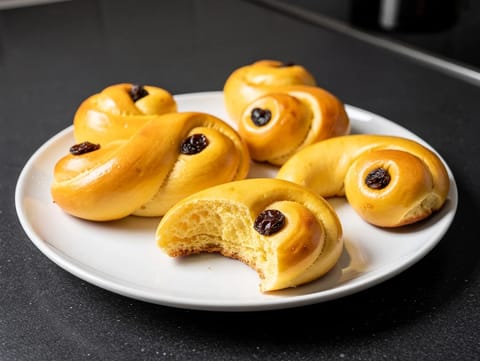
Lussekatter (Swedish Saffron Buns with Cardamom and Raisins)
Swedish saffron buns shaped into curls with raisins
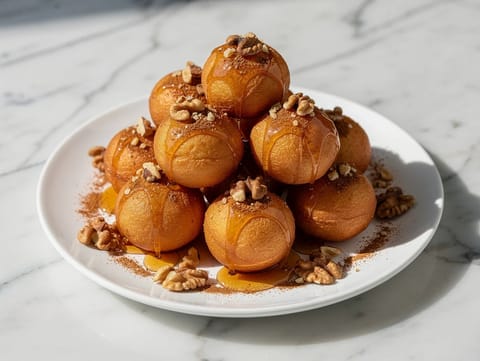
Loukoumades (Greek Honey Doughnuts with Walnuts and Cinnamon)
Greek honey doughnuts topped with walnuts and cinnamon
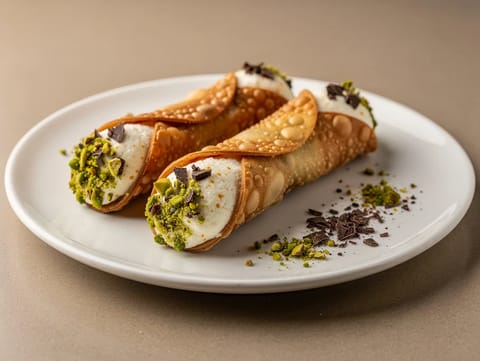
Cannoli Siciliani (Crisp Shells with Sweet Ricotta Filling)
Crisp cannoli filled with sweet ricotta, pistachios and chocolate
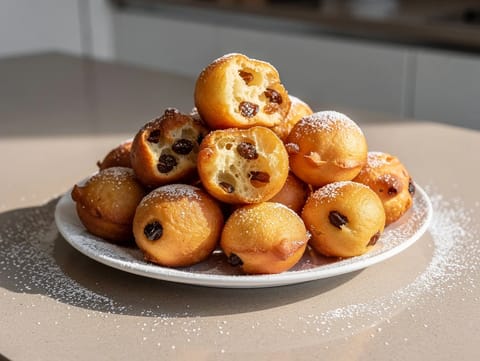
Frittelle di Carnevale (Venetian Carnival Fritters)
Yeasted Venetian fritters with raisins, fried and dusted with sugar
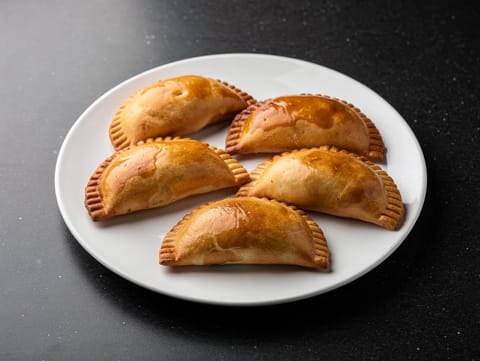
Empanada Salteña (Baked Pastries with Beef and Potato)
Baked empanadas with beef, potato and onion filling

Samosa (Stuffed Savoury Pastry)
Fried pastry parcels with spiced potato and peas
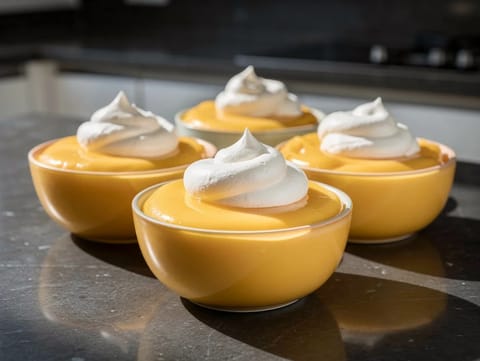
Latin Passion Fruit Dessert Cups
Passion fruit curd cups topped with whipped double cream

Suspiro Limeño (Peruvian Caramel and Meringue Dessert)
Peruvian caramel dessert topped with port syrup meringue
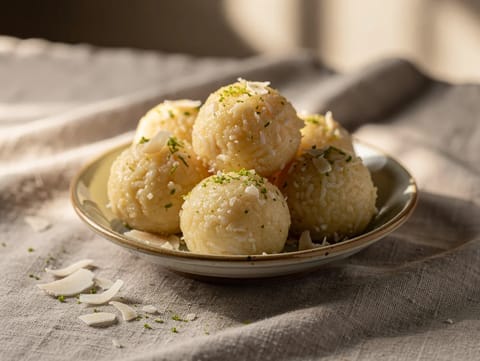
Coconut Sweets with Condensed Milk, Vanilla and Lime Zest
Chewy coconut sweets with vanilla and lime zest
Toucinho do Céu (Portuguese Almond Cake)
Dense Portuguese almond cake finished with icing sugar
Gluten-Free Crème Caramel (Vanilla Baked Custard with Caramel)
Silky vanilla custard turned out with caramel sauce
Mysore Pak (Chickpea Flour Fudge)
South Indian chickpea flour fudge cooked with ghee and sugar syrup
Pão de Ló (Portuguese Sponge Cake)
Light Portuguese sponge cake made with whisked eggs and flour
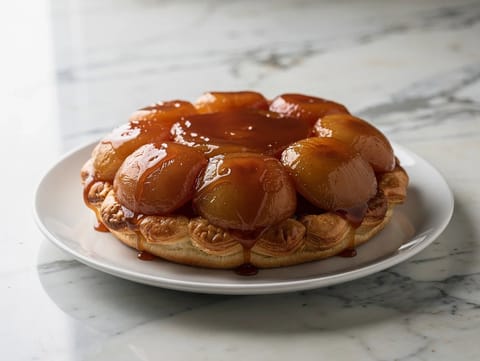
Tarte Tatin (Caramelised Apple Tart)
Upside-down caramelised apple tart with puff pastry
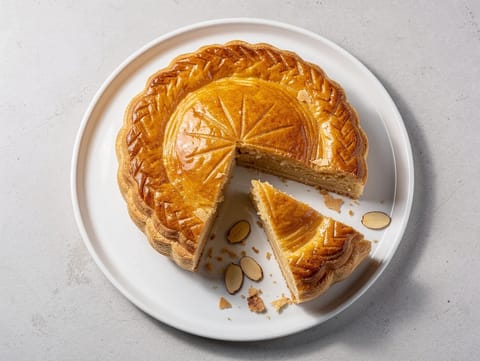
Galette des Rois (Kings’ Cake) with Almond Frangipane
Puff pastry cake filled with almond frangipane
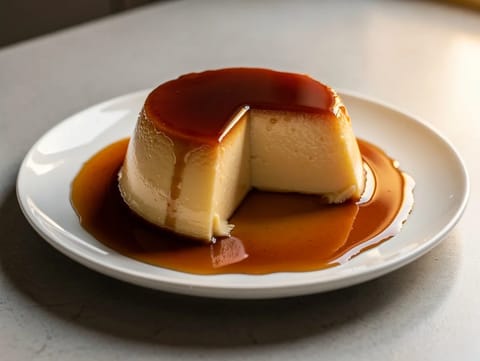
Pudim Flan (Portuguese Caramel Flan)
Baked caramel flan chilled and unmoulded with caramel sauce
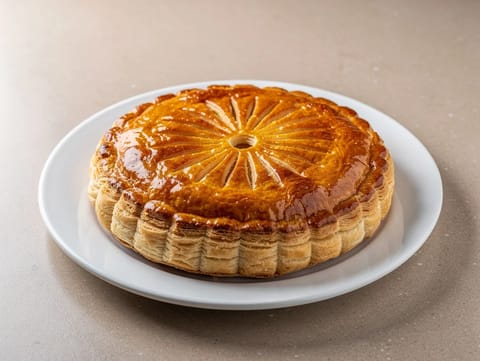
Galette des Rois (Puff Pastry Cake with Almond Frangipane)
Puff pastry cake filled with sweet almond frangipane
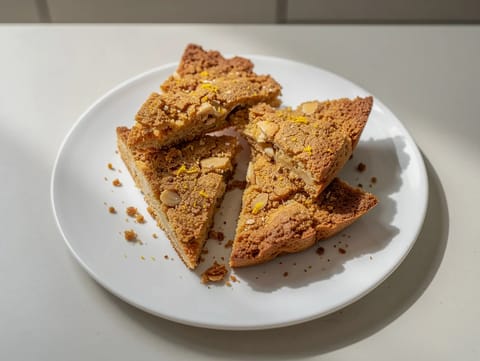
Sbrisolona (Crumbly Almond Cake from Mantua)
Crumbly Mantuan almond cake, baked golden and broken into shards
You might also like

Red Velvet Cake with Cream Cheese Frosting
Red velvet cake layered with cream cheese frosting
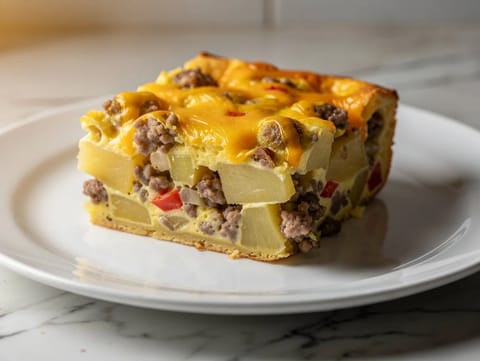
Air Fryer Breakfast Casserole
Egg casserole with sausage, potatoes and cheddar, cooked in air fryer.
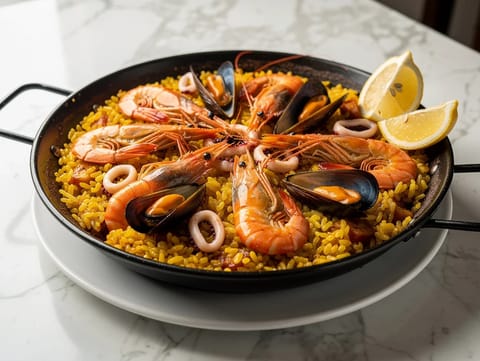
Paella de Marisco (Spanish Seafood Paella with Prawns, Mussels and Squid)
Seafood paella with prawns, mussels and squid
Galette des Rois (Kings’ Cake) with Almond Frangipane
Puff pastry cake filled with almond frangipane
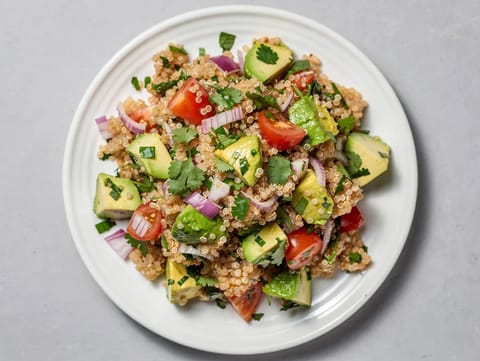
Peruvian-Style Quinoa Salad with Avocado and Lime
Quinoa salad with avocado, tomato, red onion and lime
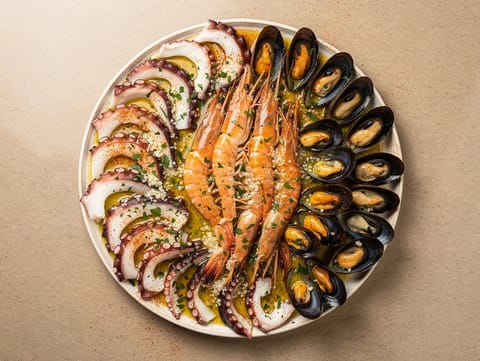
Christmas Seafood Platter (Spanish-Style Prawns, Mussels and Octopus)
Chilled seafood platter with lemon, olive oil, parsley and paprika
Make this recipe easier next time
AdvertisementThese tools help you get better results with less effort.
KitchenAid Stainless Steel Mixing Bowls
- Non-slip base
- Stainless steel
- Not microwave safe
Pyrex Glass Mixing Bowls with Lids
- Microwave safe
- BPA-free lids
- Glass is heavier
OXO Good Grips Stainless Mixing Bowl Set
- Non-slip base
- Comfort grip
- Higher price
Enjoy cooking with JustRecipes?
Add JustRecipes as one of your preferred Google sources to discover our recipes more easily across Google Search.
Add JustRecipes to GoogleEvery recipe on JustRecipes follows the same structured editorial process. Learn how recipes are created, validated, translated, illustrated, and continuously improved across the platform. How we create recipes.
