
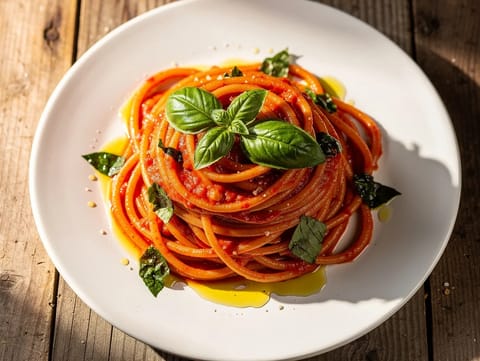
Vegan Pasta al Pomodoro
Spaghetti with a quick tomato, garlic and basil sauce

Italian-style dinners often feel effortless because the work can be staged: a sauce simmered earlier, vegetables roasted ahead, a salad dressed at the last minute. This collection leans into that rhythm, with recipes that suit relaxed serving and straightforward timing. Whether you are making pasta, a baked dish or a simple pan-cooked main, the same principles apply: season confidently, keep textures distinct, and use acidity, herbs and bitter greens to stop rich flavours from feeling heavy.
Italian cooking is frequently organised around a few clear elements rather than lots of competing flavours. A sauce might be tomato-forward, creamy, or based on olive oil, garlic and anchovy, and it is usually supported by good seasoning and careful cooking rather than a long list of spices. Texture matters: pasta should be sauced so it stays glossy, not swimming; vegetables are often cooked until sweet or lightly charred; and cheese is used for salt, richness and aroma. Many dishes are designed to be served in courses, but the same components can be combined into a single, satisfying plate.
Spaghetti with a quick tomato, garlic and basil sauce
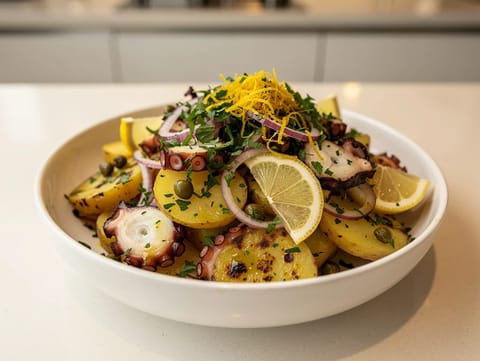
Octopus and potato salad with lemon and capers
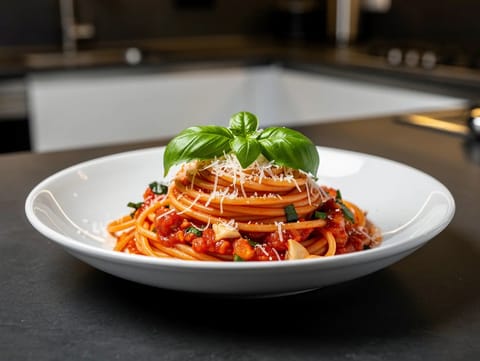
Spaghetti with fresh tomato, garlic and basil
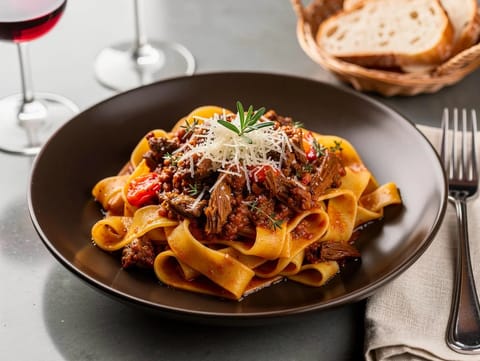
Pappardelle with slow-simmered wild boar ragù and pecorino
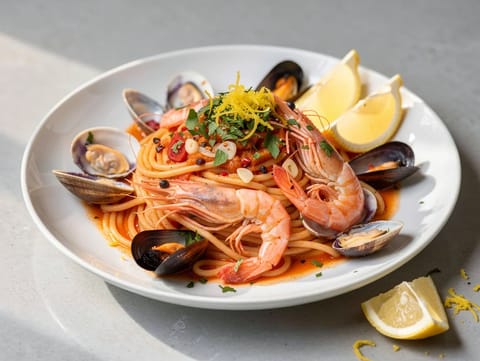
Seafood linguine with mussels, clams and prawns
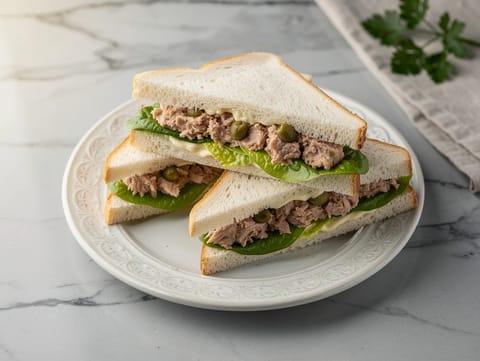
Crustless tuna sandwiches with mayonnaise, capers and lettuce
For the quickest serving, pasta with a sauce you can make while the water boils is hard to beat, especially when the sauce relies on pantry staples and a finishing handful of herbs or cheese. Baked dishes, such as pasta al forno or layered vegetable bakes, suit prep-ahead cooking because they reheat and portion neatly, and they welcome a crisp salad alongside. Pan-to-table mains, like chicken, fish or aubergine cooked with lemon, capers or tomatoes, are useful when you want something lighter than a bake but still substantial. If you are feeding a group, choose one centrepiece and keep the rest simple.
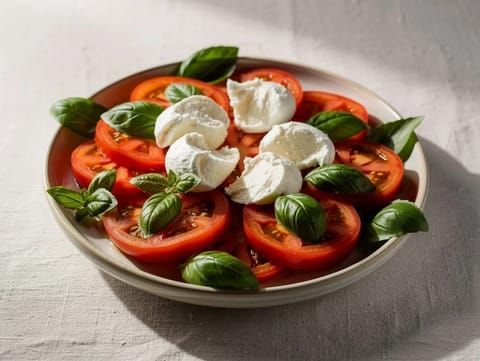
Tomato and burrata salad with basil, olive oil and balsamic
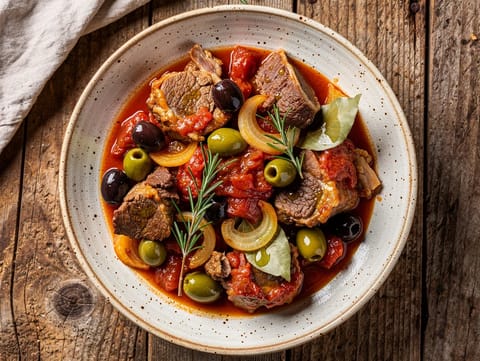
Slow-simmered lamb stew with tomatoes, olives and rosemary
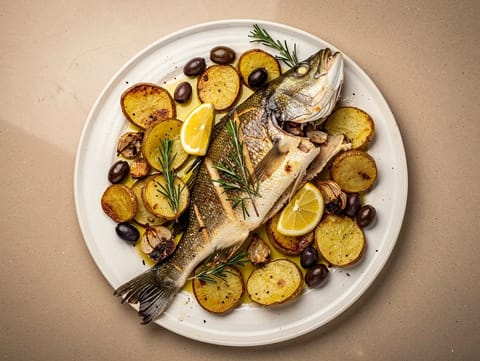
Roasted sea bass with potatoes and olives
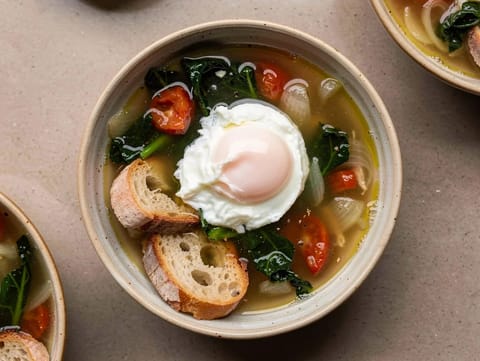
Tuscan vegetable soup with poached eggs over toasted bread
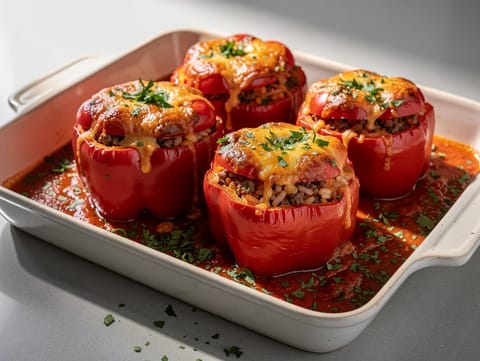
Baked peppers filled with minced beef, rice and tomato
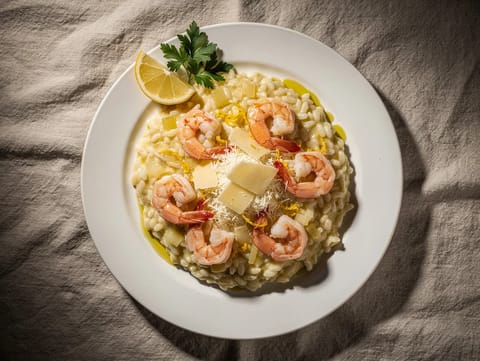
Creamy lemon risotto with prawns and parmesan
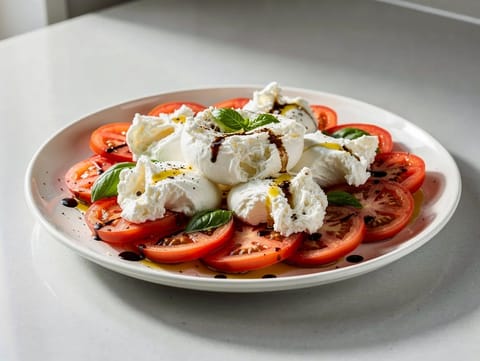
Ripe tomatoes and burrata with basil, olive oil and balsamic
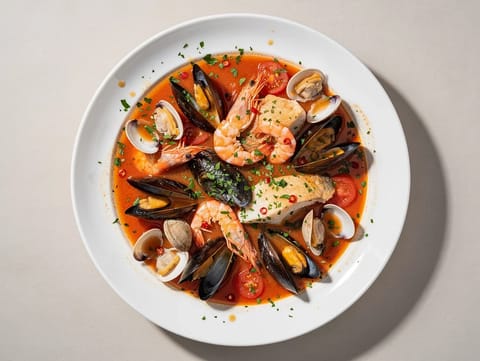
Tomato and white wine fish soup with mixed seafood
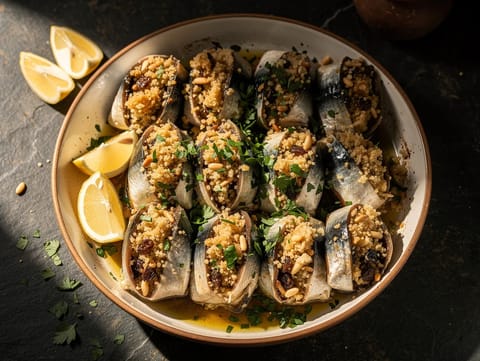
Baked stuffed sardines with breadcrumbs, pine nuts and raisins
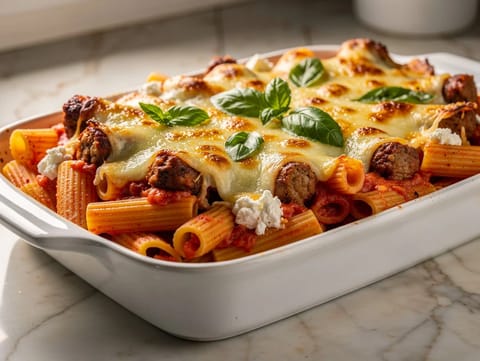
Baked rigatoni with sausage, ricotta and mozzarella
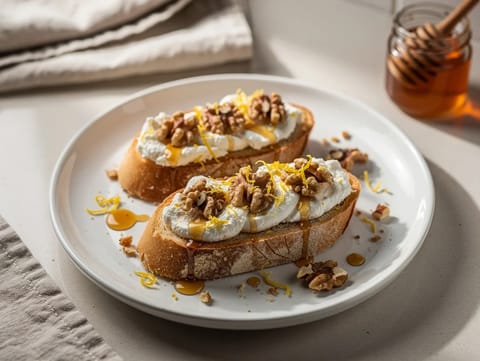
Toasted bread with ricotta, honey, lemon zest and walnuts
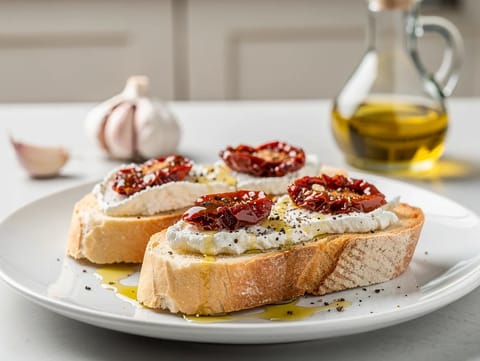
Toasted crostini topped with ricotta and sun-dried tomatoes
Italian dinners are often made by the sides as much as the main. A bitter leaf salad, a bowl of dressed tomatoes, or sautéed greens with garlic can balance a rich ragù or cheesy bake. Bread plays a practical role too, whether it is for mopping sauce or turning a simple soup into dinner. Finishing touches are usually small but decisive: a squeeze of lemon, a drizzle of good olive oil, cracked pepper, or a shower of Parmigiano-Reggiano. These last-minute additions are also where you can adjust salt and acidity without reworking the whole dish.
Cooking time is useful here because Italian-style dinners range from fast pasta sauces to slow-simmered ragù and long bakes. Occasion can help if you are deciding whether you want an everyday bowl of comfort or something that suits a more leisurely, guest-friendly table.
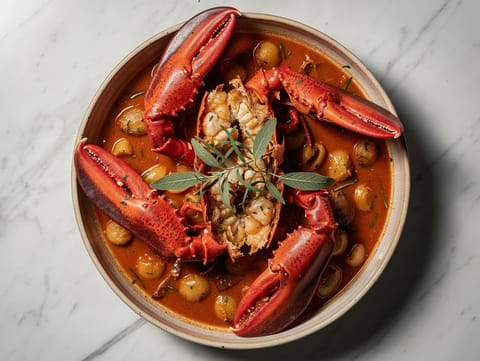
Lobster finished in a rich tomato and Cognac sauce
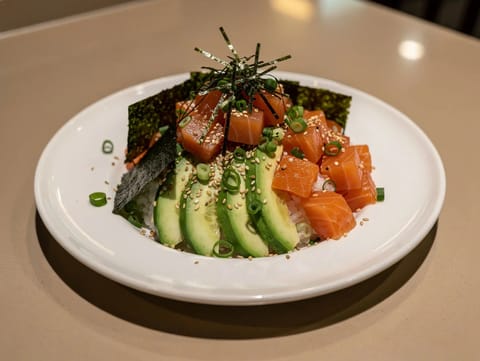
Salmon poke bowl with sushi rice and toasted sesame.
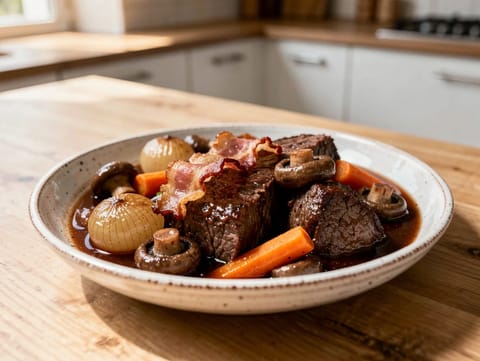
Red wine beef stew with bacon, mushrooms and pearl onions
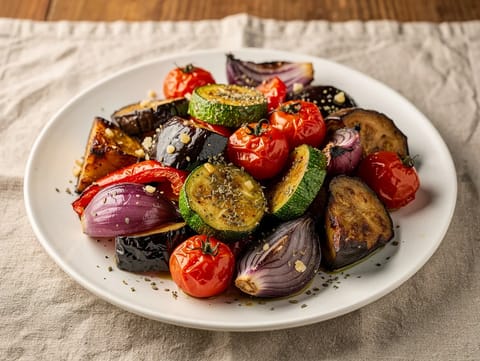
Roasted vegetable traybake with garlic, olive oil and oregano
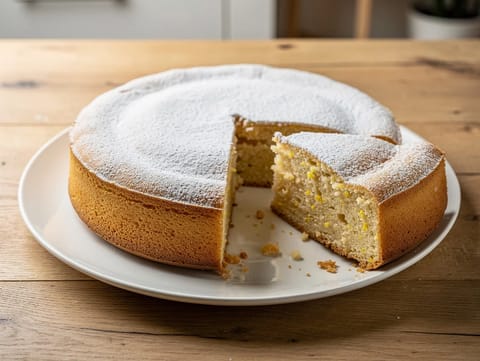
Gluten-free almond cake with lemon zest and icing sugar
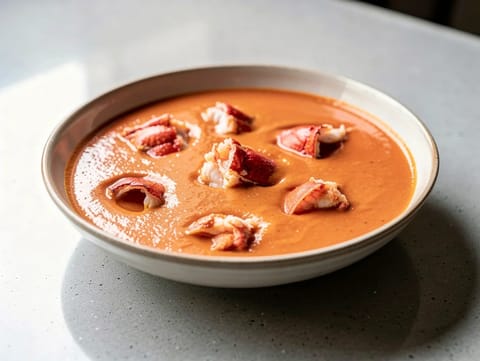
Smooth lobster bisque finished with brandy, tomato purée and cream
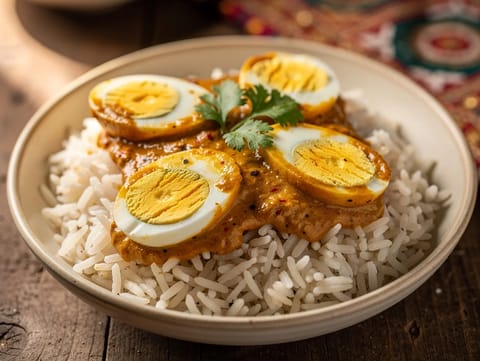
Hard-boiled eggs in spiced tomato masala with basmati rice
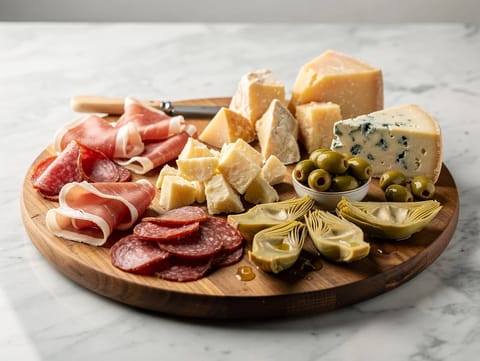
Italian board with salami, prosciutto, cheeses, olives and artichokes
No. Pasta is common, but Italian-style dinners can centre on soup, a baked vegetable dish, or a simple main with greens and bread. The structure is flexible.
Pasta that is cooked through but still has a slight firmness at the centre. It matters because pasta continues to soften once it is mixed with hot sauce.
Give it time to simmer so the raw edge cooks off, and make sure it is properly salted. A little fat, such as olive oil, can round the flavour; sweetness is not always necessary.
Add acidity and freshness at the end: lemon, vinegar in a salad, or herbs. Serve with greens or a crisp salad rather than another starchy side.
Often, yes. Sauces, roasted vegetables and many baked dishes can be made earlier, then finished or reheated close to serving so textures stay appealing.
Pick a main format, do any slow cooking earlier, and keep one fresh element for the last minute. That balance is what makes Italian-style dinners feel both comforting and clear.
