
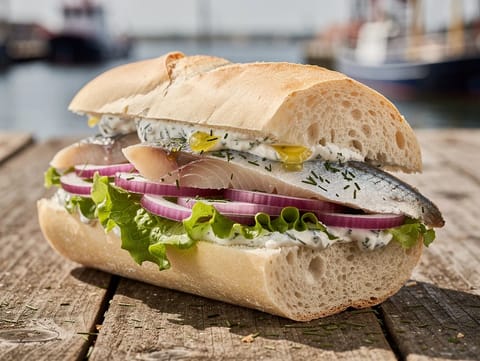
Matjesbrötchen (Pickled Herring Roll with Dill Sour Cream)
Pickled herring roll with red onion and dill sour cream

A good work lunch has to survive a few hours before you eat it. That changes what ‘quick’ means: it is not only about fast prep, but also about choosing foods that keep their texture and flavour once packed. Crisp vegetables can go limp, dressings can soak bread, and hot foods can turn steamy and soft if sealed too soon. The most dependable lunches are built in layers, with wet and dry elements kept apart until the last moment, and with a clear plan for how you will eat it: fork, spoon, or one-handed.
Work lunches are usually designed around portability and minimal fuss. That often means meals that can be packed into a single container, eaten at room temperature, or reheated without losing their appeal. The flavours tend to be assertive enough to taste good when cool, and the components are chosen to avoid last-minute assembly that requires a full kitchen. Many lunches also rely on ingredients that are easy to portion, such as grains, beans, chopped vegetables, cooked proteins, cheeses, and sturdy leaves. The key distinction is texture management: keeping crunchy things crunchy and sauces where you want them until you are ready to eat.
Pickled herring roll with red onion and dill sour cream
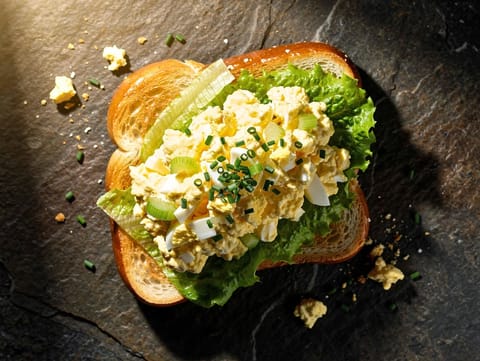
Egg salad on toasted brioche with chives and lettuce
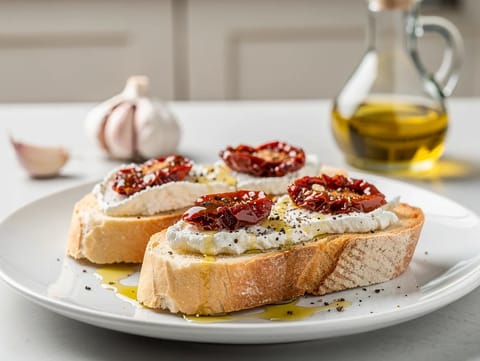
Toasted crostini topped with ricotta and sun-dried tomatoes
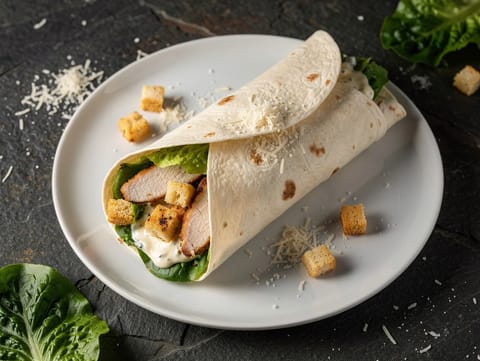
Chicken Caesar wrap with romaine, Parmesan and croutons
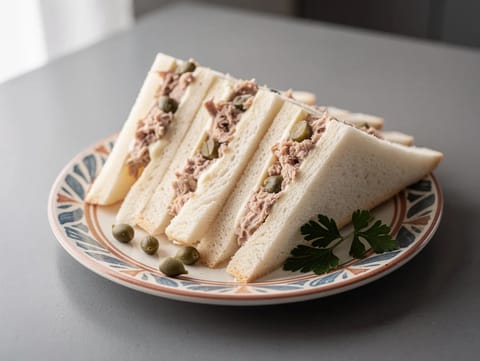
Soft tuna and caper sandwiches with mayonnaise and lemon
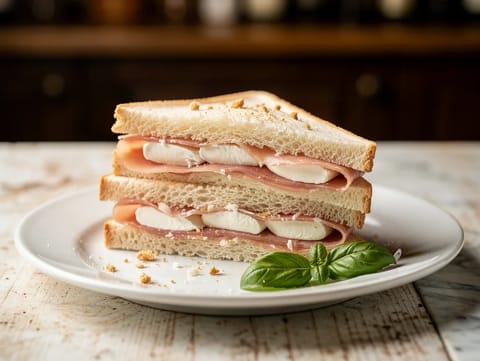
Soft Italian sandwich with prosciutto, mozzarella and mayonnaise
Some formats are naturally suited to packing. Grain and pulse salads tend to hold their structure and can carry bold dressings without collapsing. Wraps and sandwiches are convenient, but benefit from barriers such as leaves, sliced cheese or thicker spreads to stop the bread going soggy. Noodle and rice bowls can work well when the sauce is packed separately or used sparingly, with crunchy toppings added at the end. Leftovers can be excellent work lunches when the original dish reheats evenly and does not rely on last-minute crisping. When choosing, think about whether you want a cold lunch, a hot lunch, or something that is happy either way.
Pan-warmed piadina flatbread folded around prosciutto, rocket and fresh mozzarella
Creamy coronation chicken with curry powder and mango chutney, served in soft bread with lettuce
Chopped egg salad with mayonnaise, Dijon mustard, celery and spring onions on white bread
Sourdough topped with creamy tuna and celery, finished with cheddar grilled until golden
Classic prawn and avocado salad with Marie Rose sauce, served on romaine lettuce
Crisp fried squid in a soft white roll with lemon and mayonnaise
Club sandwich layered with smashed avocado, crispy bacon, chicken and salad
Ploughman’s board of mature Cheddar, cured ham, crusty bread, chutney and pickled onions
Buttered white bread filled with prawns in curry mayonnaise and mango chutney
Light watercress and smoked trout salad with cucumber and lemon dressing
Roast chicken baguette with tarragon mayonnaise, lettuce, tomato and Dijon mustard
Warm, butter-toasted rolls packed with lobster, mayonnaise, lemon, celery and chives
If you have only a few minutes, prioritise lunches that are mostly assembly: a sturdy salad with a separate dressing, or a wrap where the filling is already cooked. If you can prep ahead, look for lunches that improve as they sit, such as marinated beans or grain salads where the dressing has time to soak in. For a lunch you will reheat, choose dishes with a moist centre, like saucy grains, beans or shredded meats, rather than anything that depends on a crisp crust. And if you are packing for different appetites, pick a base that scales easily, then vary the toppings so everyone gets a lunch that feels personal without extra work.
Cooking time is useful when you want to separate lunches you can assemble in minutes from those that need a batch-cook session first. If you are packing around dietary preferences, the Diet categories can help you compare lunch ideas that use different proteins, grains and dairy choices.

Apple juice mixed with sparkling water over ice
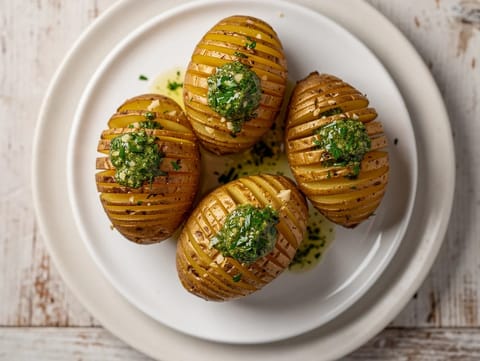
Crisp hasselback potatoes with garlic and parsley butter
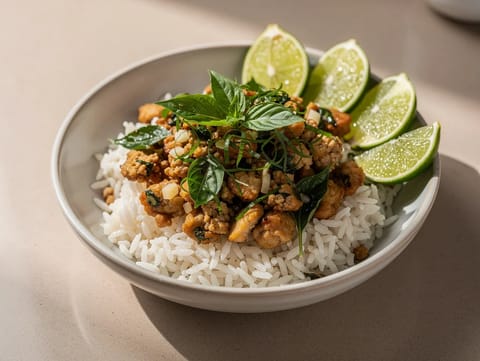
Air-fried Thai basil chicken bites with soy and oyster sauce.
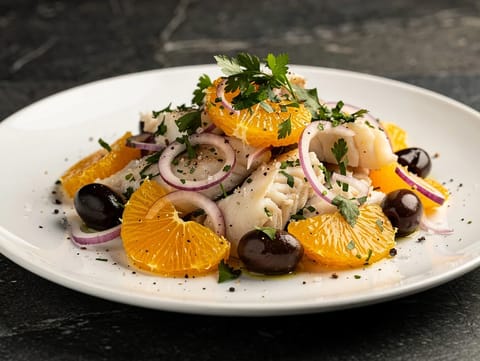
Orange and salt cod salad with red onion and olives

Vegan chocolate mousse blended with avocado, cocoa and maple syrup
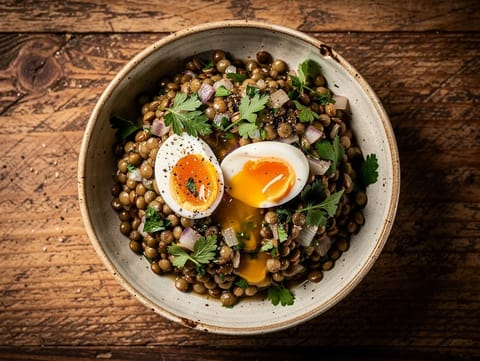
Puy lentils in Dijon vinaigrette topped with a soft-boiled egg
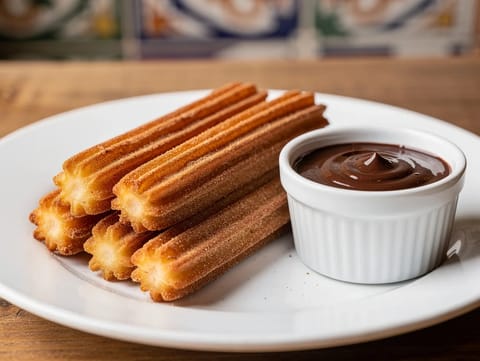
Air-fried churros rolled in cinnamon sugar with chocolate sauce.
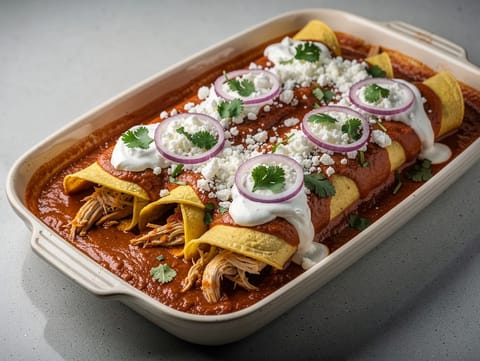
Red chilli chicken enchiladas topped with crema and queso fresco
Letting wet ingredients sit against dry ones. Dressings, juicy tomatoes and saucy fillings can quickly soften bread and greens unless you separate or layer them carefully.
Use sturdy leaves and vegetables, keep dressing separate, and add crunchy toppings at the last moment. Grain and pulse salads are often more forgiving than leaf-only salads.
Often, yes, especially dishes that reheat evenly and stay moist. Foods that rely on crispness can be less satisfying after chilling and reheating unless you can re-crisp them.
Meals that are self-contained and not too drippy: grain bowls, pasta salads, wraps, or bento-style boxes with bite-sized components tend to be practical.
Include a clear protein element and some fat, such as beans, eggs, yoghurt-based dressings, cheese, nuts or seeds. They help the lunch feel substantial without adding much prep.
No. Many packed lunches are designed to be eaten cold, but plenty of dishes work well reheated. The key is choosing foods that keep a pleasant texture after chilling.
When you choose a lunch, imagine it a few hours later. If the crunchy parts stay separate from the saucy parts, and the portion is easy to eat with the tools you have, the rest tends to fall into place.
