
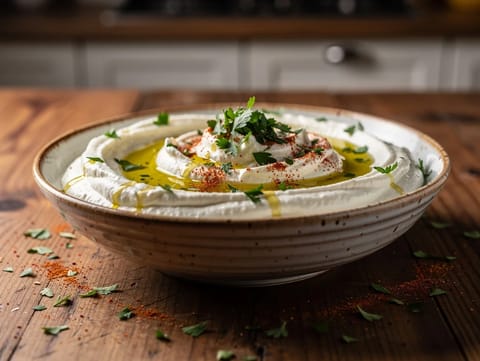
Turkish Aubergine Dip with Yoghurt, Garlic and Lemon
Roasted aubergine dip mixed with yoghurt, garlic and lemon
An appetiser’s job is to start the meal without stealing the centre of it. The best choices give guests something to do with their hands, offer a clear first flavour, and buy you a little time in the kitchen. Some appetisers are barely-cooked nibbles; others are small, plated starters. What matters is how they sit alongside what comes next: richness, temperature, and how much cutlery you want people to juggle while you’re still greeting arrivals.
Appetisers usually land in one of two rhythms: pass-around bites that circulate with drinks, or a first course that everyone eats at roughly the same time. Pass-around food needs to be tidy, easy to portion and forgiving if it sits out briefly. A plated starter can be more delicate, but it asks for plates, forks and a moment when everyone is seated.
Think about appetite management. If the main course is substantial, appetisers that lean crisp, fresh or brothy keep the meal feeling paced. If the main course is light, a warmer or more savoury starter can add depth without relying on sheer quantity.
Roasted aubergine dip mixed with yoghurt, garlic and lemon
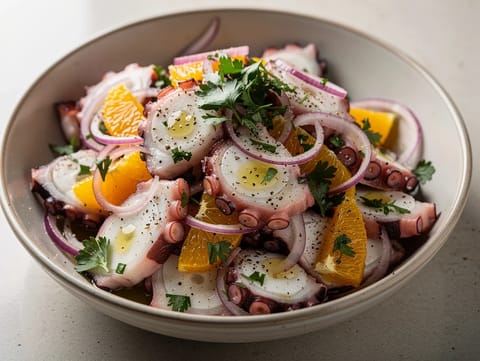
Chilled octopus salad with orange, lemon and parsley
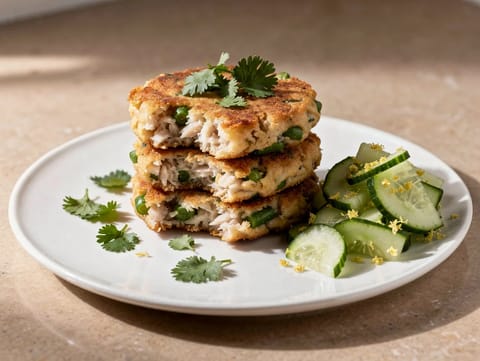
Air fryer Thai fish cakes with red curry paste and cucumber.
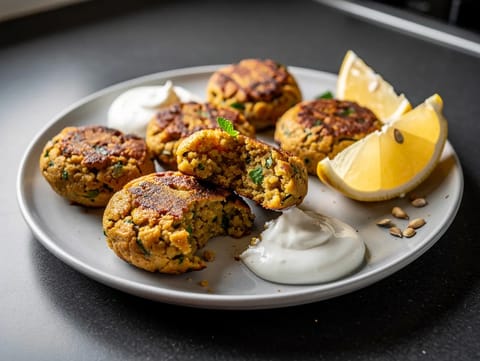
Greek chickpea fritters with herbs, fried until crisp
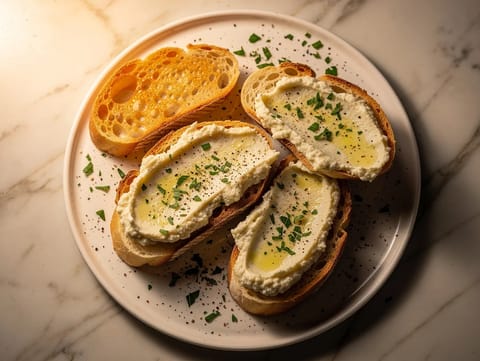
Venetian whipped salt cod spread with garlic and lemon
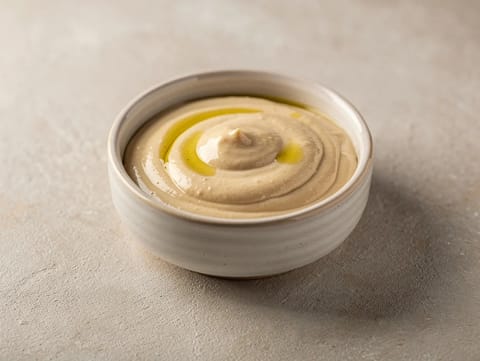
Smooth tahini sauce with lemon, garlic and water
For the least last-minute pressure, look for appetisers you can portion ahead: dips, spreads and chilled bites that only need assembling. They suit casual hosting because you can put them out as people arrive and top up as needed.
Warm appetisers often feel more “cooked”, but they demand timing. Choose oven-baked options when you want hands-off heat, or quick pan-fried bites when you can stay near the hob. If you’re serving a plated starter, favour recipes with a clear holding point, such as soup kept hot, or components that can be dressed at the last moment so they stay crisp.
If guests will be standing, prioritise one-bite or two-bite pieces and avoid anything that drips, flakes heavily or needs cutting.
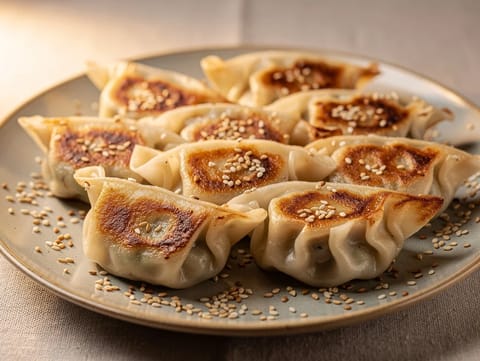
Kimchi dumplings with pork and tofu, crisp then juicy
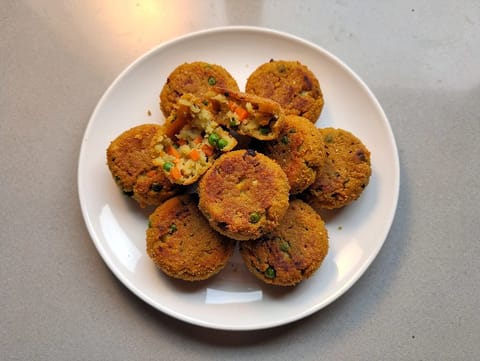
Crisp vegetable cutlets with potato, carrots, peas and breadcrumbs
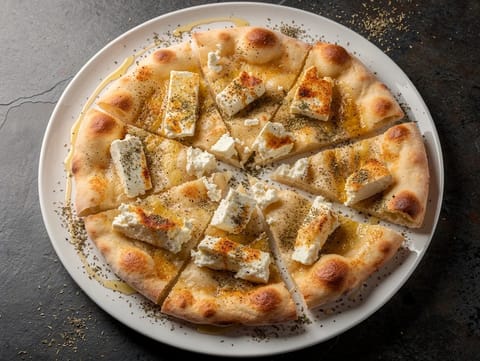
Greek-style flatbread with baked feta, honey and oregano
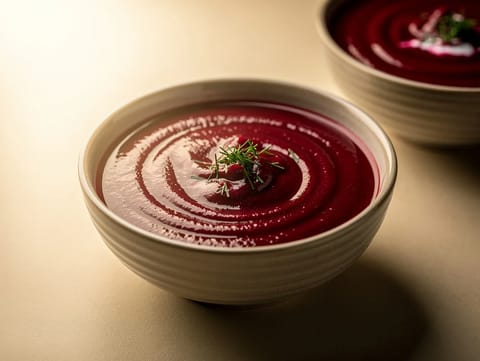
Smooth beetroot soup finished with sour cream
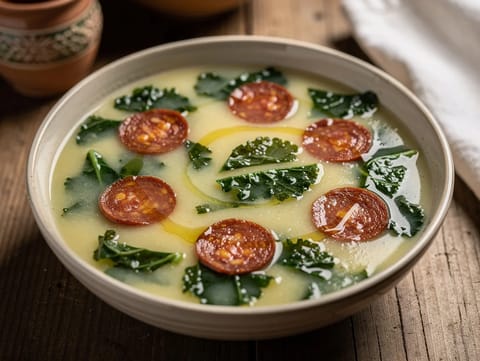
Portuguese potato soup with kale, olive oil and chouriço
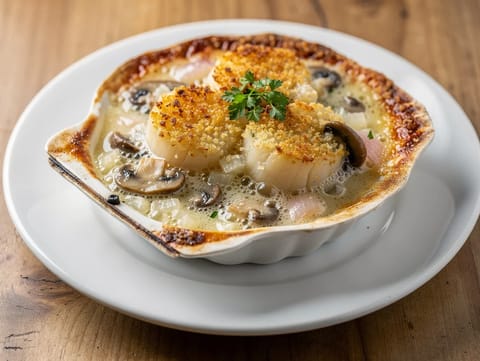
Scallop gratin in creamy white wine sauce with breadcrumbs
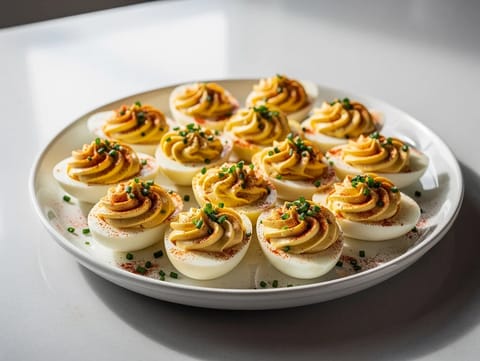
Devilled eggs with Dijon, paprika and chives
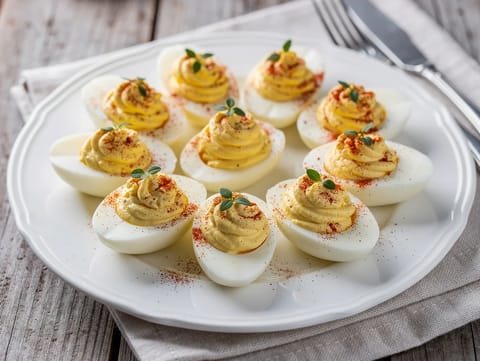
Devilled eggs with a creamy Dijon and mayonnaise filling
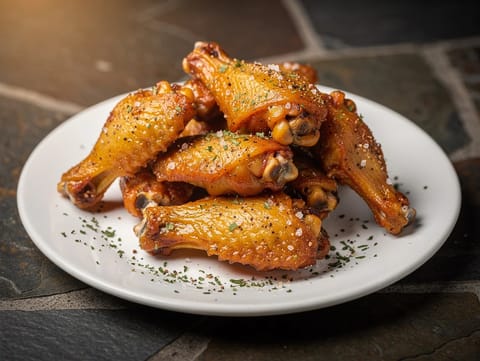
Crispy wings coated in buttery garlic and Parmesan.
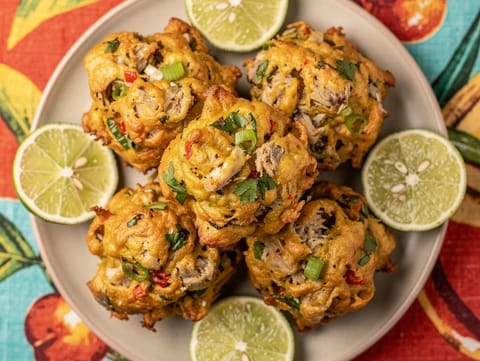
Crisp fritters made with salted cod, spring onion and chilli
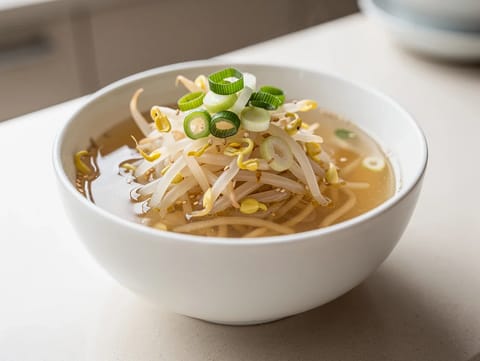
Light soybean sprout soup with anchovy broth and garlic
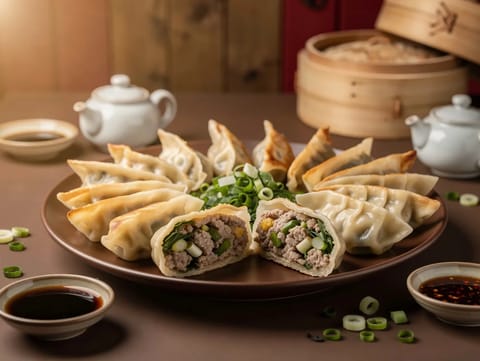
Boiled pork and chive jiaozi with soy and black vinegar
Use appetisers to signal the direction of the meal. A bright, acidic bite can make a rich main course feel less heavy; a savoury, salty nibble can make a simple main feel more complete. Try not to repeat the same dominant element twice in a row: if the main course is creamy, keep the starter sharp or crunchy; if the main is grilled and smoky, a cooler starter can reset the palate.
Also consider temperature and pace. A cold appetiser followed by a hot main is straightforward. Two hot courses back-to-back can work, but it helps if the appetiser is small and quick to eat so the table doesn’t cool while you plate the main.
When in doubt, choose one “anchor” appetiser and one lighter nibble rather than several similar bites.
To keep appetisers aligned with the rest of your spread, it can help to browse by Cuisine for a coherent flavour direction, or by Dish type when you know you want something specific such as a dip, skewer or soup-style starter.
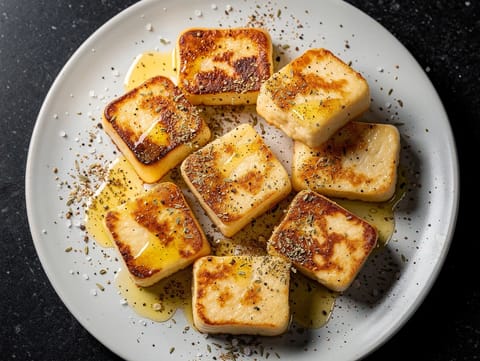
Golden air-fried halloumi finished with lemon and oregano.
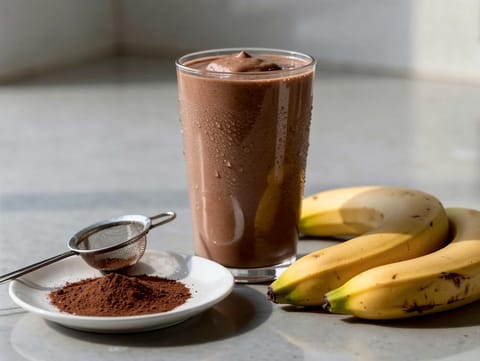
Chocolate banana smoothie with cocoa, peanut butter and whole milk
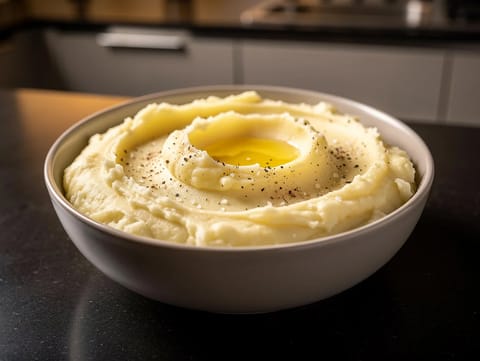
Creamy mashed potatoes with butter, milk and sour cream
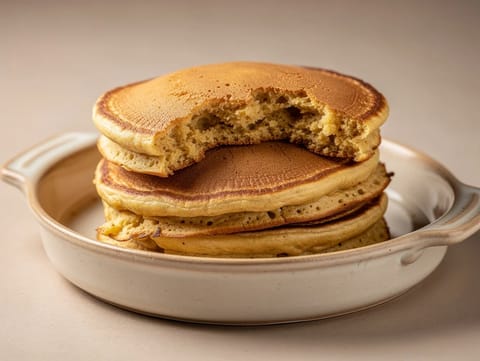
Banana oat pancakes blended with soy protein and cooked until golden
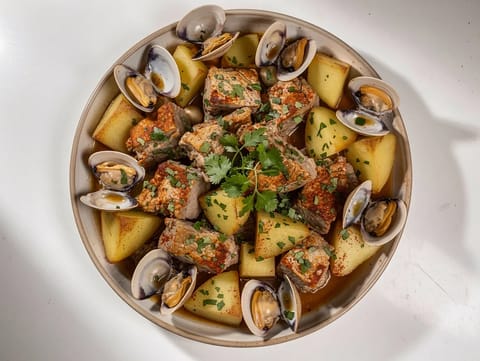
Portuguese pork with clams, garlic, white wine and fried potatoes
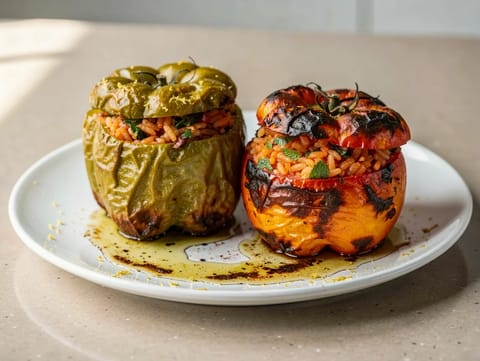
Peppers and tomatoes stuffed with herby rice and baked
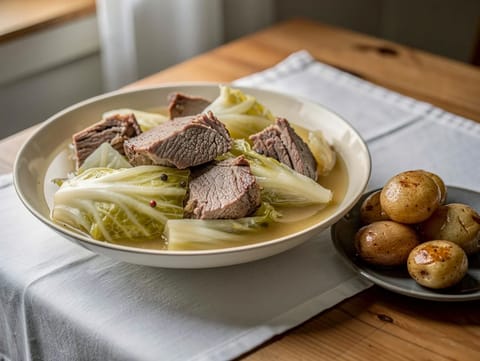
Norwegian lamb and cabbage stew with whole peppercorns
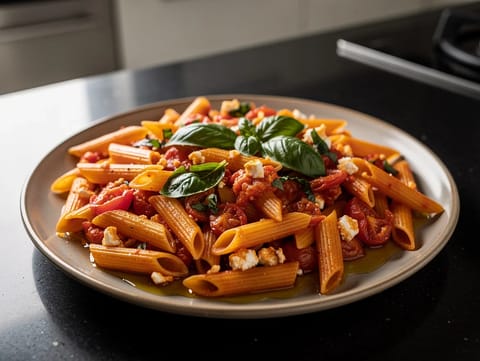
Penne in a creamy baked feta and cherry tomato sauce
They overlap. An appetiser is often a small bite served with drinks or before sitting down, while a starter is more commonly a plated first course. Many recipes can work as either depending on portion size and how you serve them.
Keep portions small and avoid stacking richness on richness. If your main course is creamy, cheesy or slow-cooked, choose appetisers that are crisp, herby, pickled or broth-based rather than heavy pastries or lots of fried items.
Look for tidy, self-contained bites: things on toothpicks, small toasts, stuffed vegetables, or firm pieces that don’t drip. Anything that needs cutting or a bowl and spoon tends to slow people down.
Yes, if you build variety into the spread. Aim for a mix of textures and a few more substantial bites alongside lighter, fresher ones, so it eats like a complete meal rather than a single-note snack table.
Choose recipes with a clear holding strategy: oven-baked items that can stay warm briefly, or components you can prep ahead and cook quickly. Avoid anything that turns soggy within minutes unless you can fry or toast right before serving.
Pick appetisers by how they’ll be eaten and what they need from you at the last moment. Once you’ve decided on pass-around bites or a plated first course, the rest of the menu balance becomes much easier to judge.
