
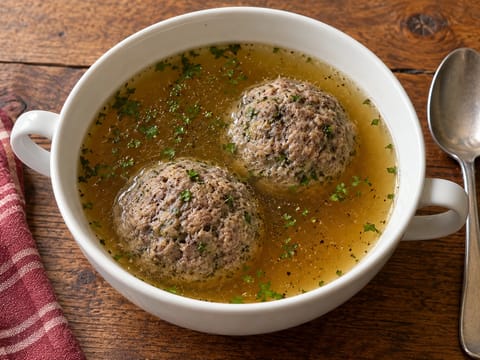
Leberknödel Suppe (German Liver Dumpling Soup)
Clear beef broth with poached German liver dumplings
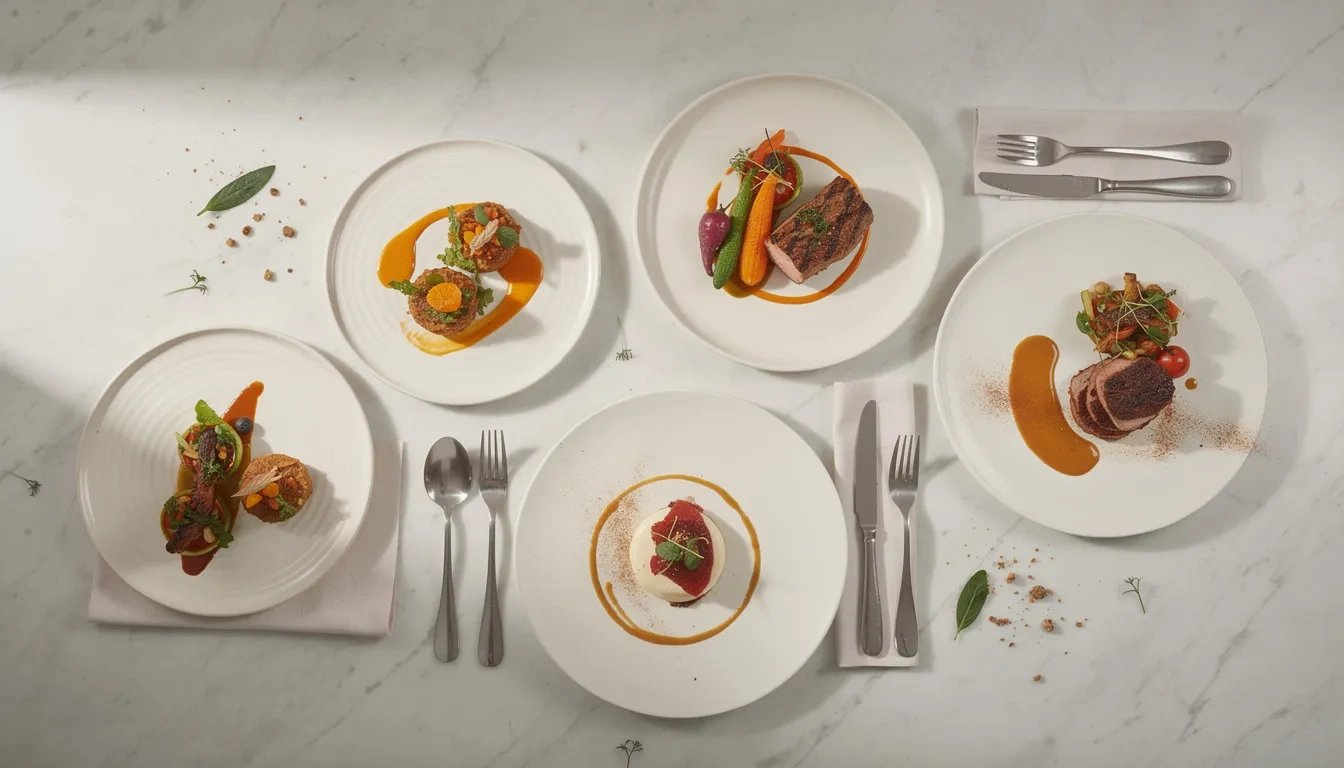
An appetiser’s job is to start the meal without stealing the centre of it. The best choices give guests something to do with their hands, offer a clear first flavour, and buy you a little time in the kitchen. Some appetisers are barely-cooked nibbles; others are small, plated starters. What matters is how they sit alongside what comes next: richness, temperature, and how much cutlery you want people to juggle while you’re still greeting arrivals.
Appetisers usually land in one of two rhythms: pass-around bites that circulate with drinks, or a first course that everyone eats at roughly the same time. Pass-around food needs to be tidy, easy to portion and forgiving if it sits out briefly. A plated starter can be more delicate, but it asks for plates, forks and a moment when everyone is seated.
Think about appetite management. If the main course is substantial, appetisers that lean crisp, fresh or brothy keep the meal feeling paced. If the main course is light, a warmer or more savoury starter can add depth without relying on sheer quantity.
Clear beef broth with poached German liver dumplings
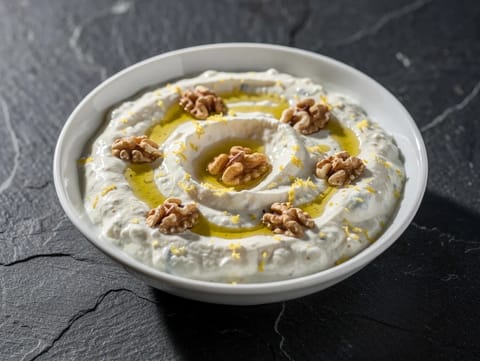
Chilled walnut and yoghurt sauce with garlic and lemon
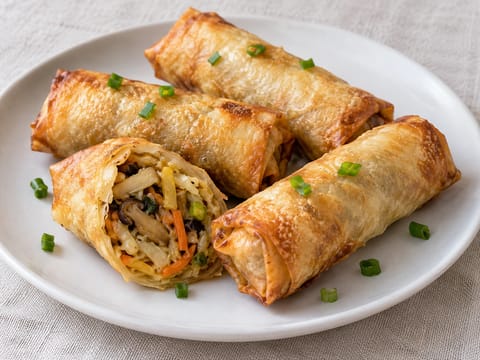
Crispy air-fryer spring rolls with a savoury vegetable filling.
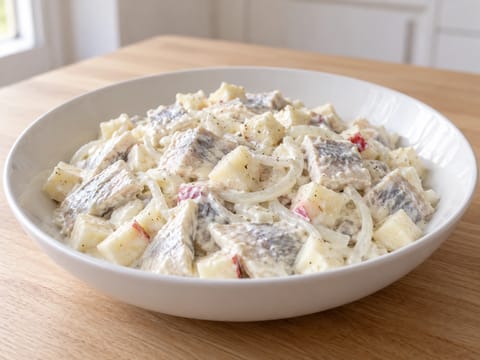
Polish herring in sour cream with apple and onion
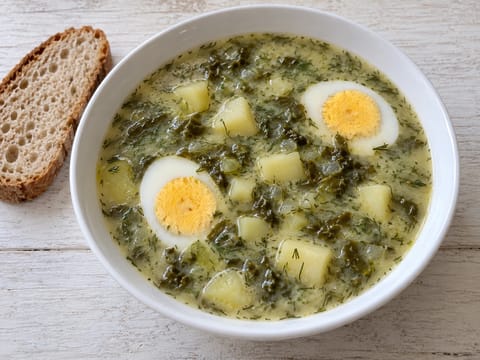
Polish sorrel soup with sour cream and hard-boiled eggs
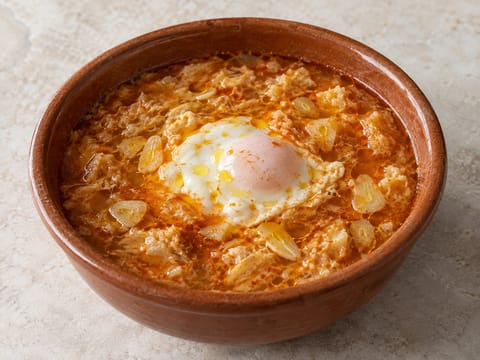
Spanish garlic soup thickened with bread and topped with egg
For the least last-minute pressure, look for appetisers you can portion ahead: dips, spreads and chilled bites that only need assembling. They suit casual hosting because you can put them out as people arrive and top up as needed.
Warm appetisers often feel more “cooked”, but they demand timing. Choose oven-baked options when you want hands-off heat, or quick pan-fried bites when you can stay near the hob. If you’re serving a plated starter, favour recipes with a clear holding point, such as soup kept hot, or components that can be dressed at the last moment so they stay crisp.
If guests will be standing, prioritise one-bite or two-bite pieces and avoid anything that drips, flakes heavily or needs cutting.
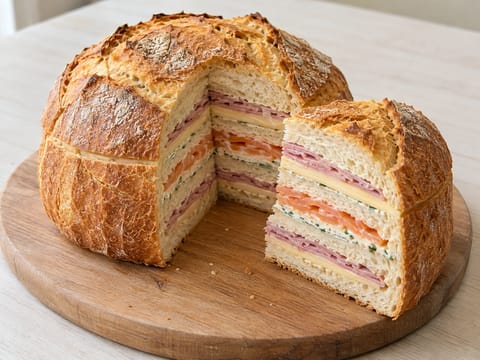
Chilled stuffed party bread with layered savoury fillings
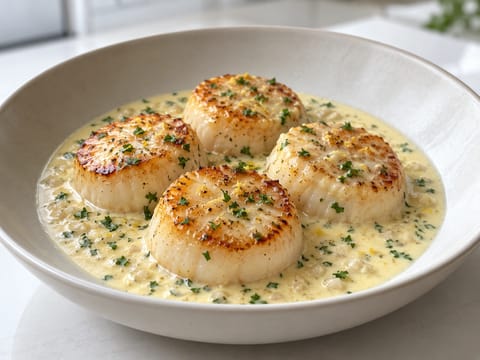
Seared scallops in a white wine and cream sauce
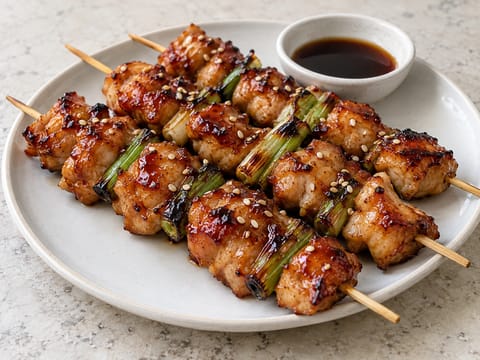
Chicken yakitori skewers with a soy and mirin glaze.
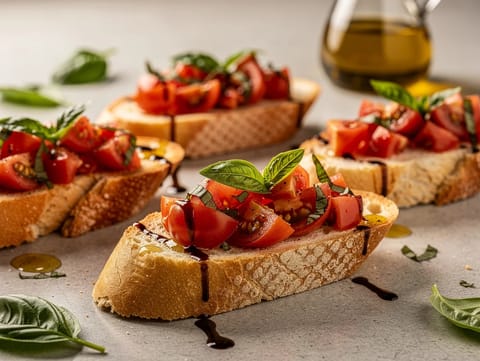
Crisp air-fried bruschetta topped with tomato and basil.
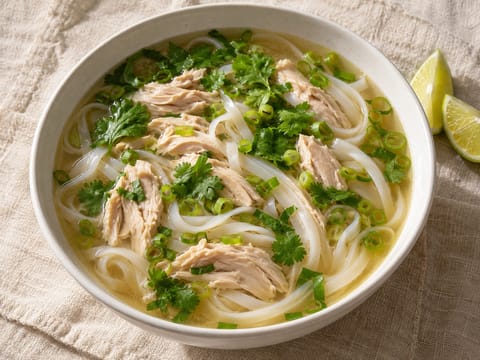
Light chicken and rice noodle soup with ginger
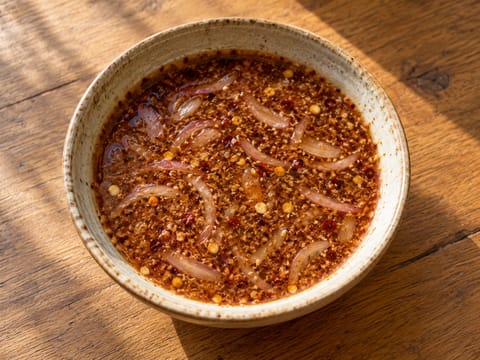
Spicy Thai dipping sauce with lime, tamarind and toasted rice powder
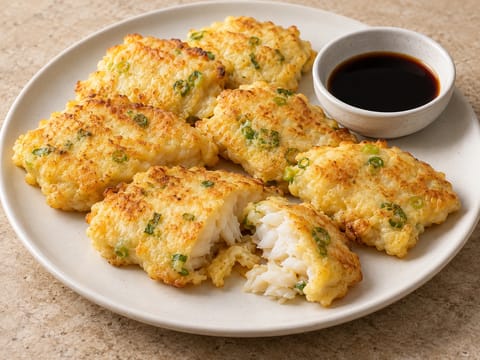
Korean pan-fried cod in flour and egg coating
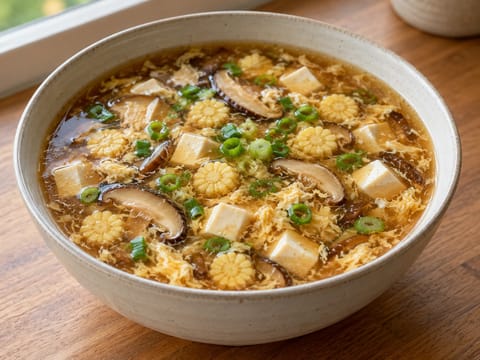
Tangy hot and sour soup with tofu and shiitake
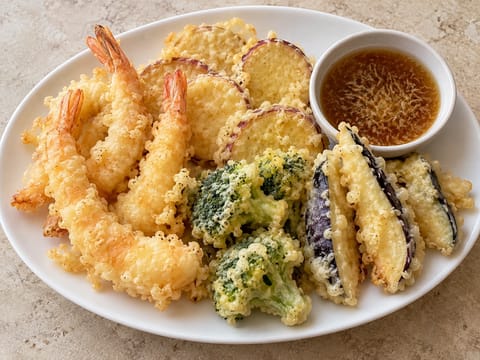
Crispy tempura prawns and vegetables with soy dipping sauce
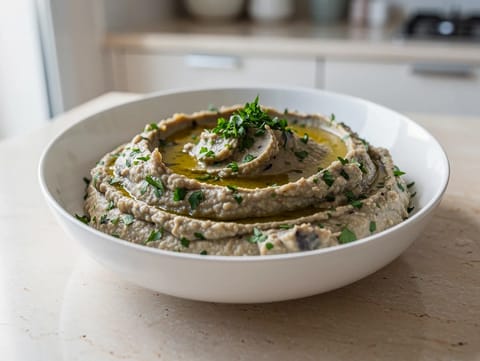
Smoky Greek aubergine dip with garlic, lemon and parsley
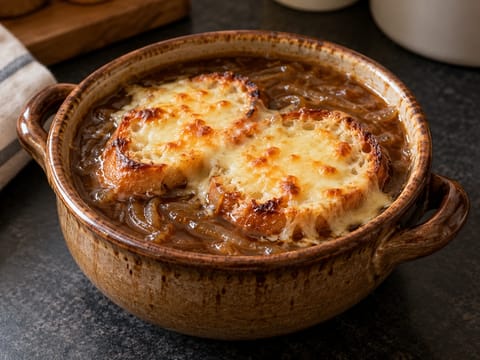
French onion soup topped with baguette and melted Gruyère
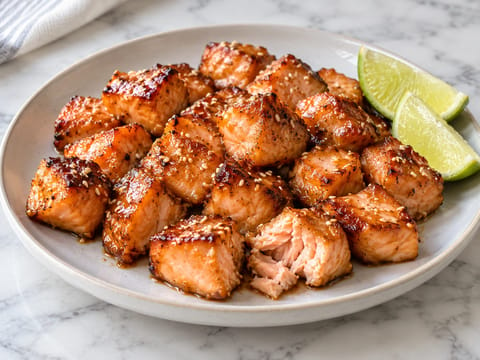
Glazed air-fried salmon bites with soy, sesame and lime.
Use appetisers to signal the direction of the meal. A bright, acidic bite can make a rich main course feel less heavy; a savoury, salty nibble can make a simple main feel more complete. Try not to repeat the same dominant element twice in a row: if the main course is creamy, keep the starter sharp or crunchy; if the main is grilled and smoky, a cooler starter can reset the palate.
Also consider temperature and pace. A cold appetiser followed by a hot main is straightforward. Two hot courses back-to-back can work, but it helps if the appetiser is small and quick to eat so the table doesn’t cool while you plate the main.
When in doubt, choose one “anchor” appetiser and one lighter nibble rather than several similar bites.
To keep appetisers aligned with the rest of your spread, it can help to browse by Cuisine for a coherent flavour direction, or by Dish type when you know you want something specific such as a dip, skewer or soup-style starter.
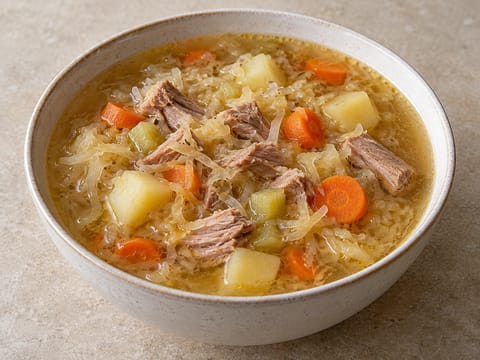
Polish sauerkraut soup with pork ribs and potatoes
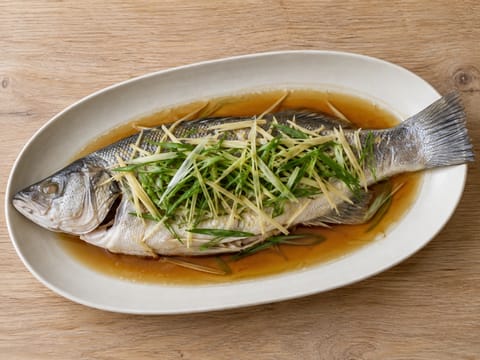
Steamed sea bass with ginger, spring onion and light soy
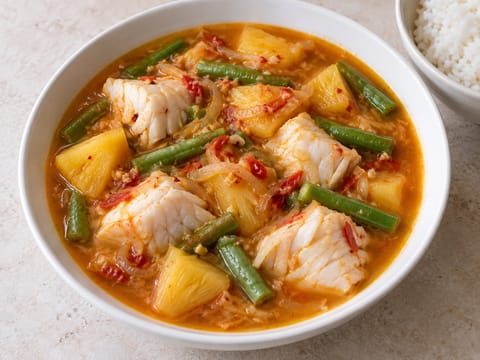
Sour orange Thai fish curry with tamarind and pineapple
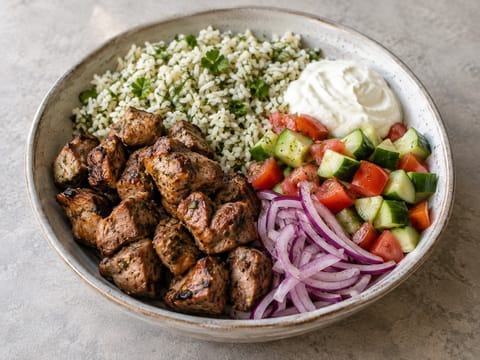
Pork souvlaki over herbed rice with Greek yoghurt and salad
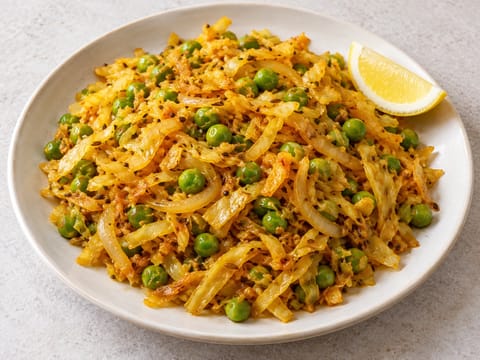
Indian cabbage and peas stir-fry with warming spices
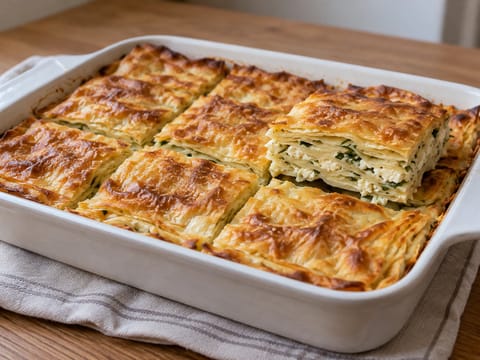
Layered su boregi with butter, feta and parsley
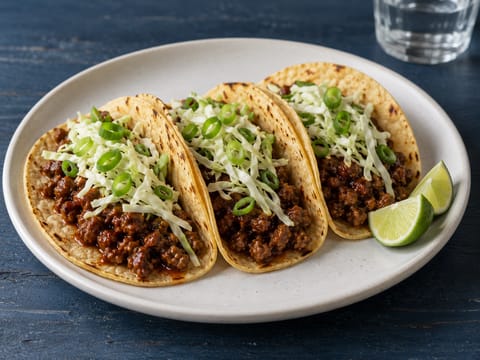
Korean-style beef tacos with cabbage, spring onions and gochujang
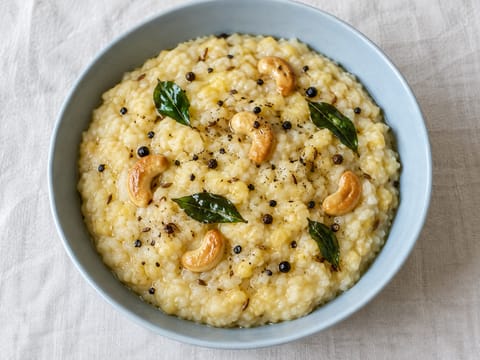
Creamy pongal with rice, moong dal and ghee tempering
They overlap. An appetiser is often a small bite served with drinks or before sitting down, while a starter is more commonly a plated first course. Many recipes can work as either depending on portion size and how you serve them.
Keep portions small and avoid stacking richness on richness. If your main course is creamy, cheesy or slow-cooked, choose appetisers that are crisp, herby, pickled or broth-based rather than heavy pastries or lots of fried items.
Look for tidy, self-contained bites: things on toothpicks, small toasts, stuffed vegetables, or firm pieces that don’t drip. Anything that needs cutting or a bowl and spoon tends to slow people down.
Yes, if you build variety into the spread. Aim for a mix of textures and a few more substantial bites alongside lighter, fresher ones, so it eats like a complete meal rather than a single-note snack table.
Choose recipes with a clear holding strategy: oven-baked items that can stay warm briefly, or components you can prep ahead and cook quickly. Avoid anything that turns soggy within minutes unless you can fry or toast right before serving.
Pick appetisers by how they’ll be eaten and what they need from you at the last moment. Once you’ve decided on pass-around bites or a plated first course, the rest of the menu balance becomes much easier to judge.
