
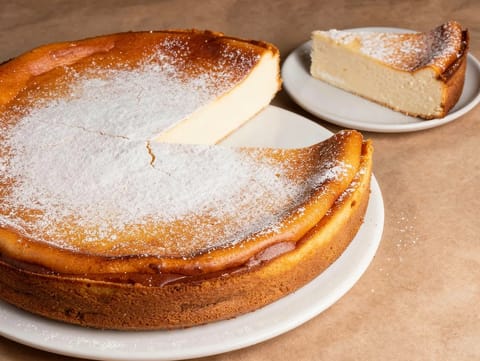
Sernik (Polish Baked Cheesecake with Quark)
Polish baked cheesecake made with quark and vanilla
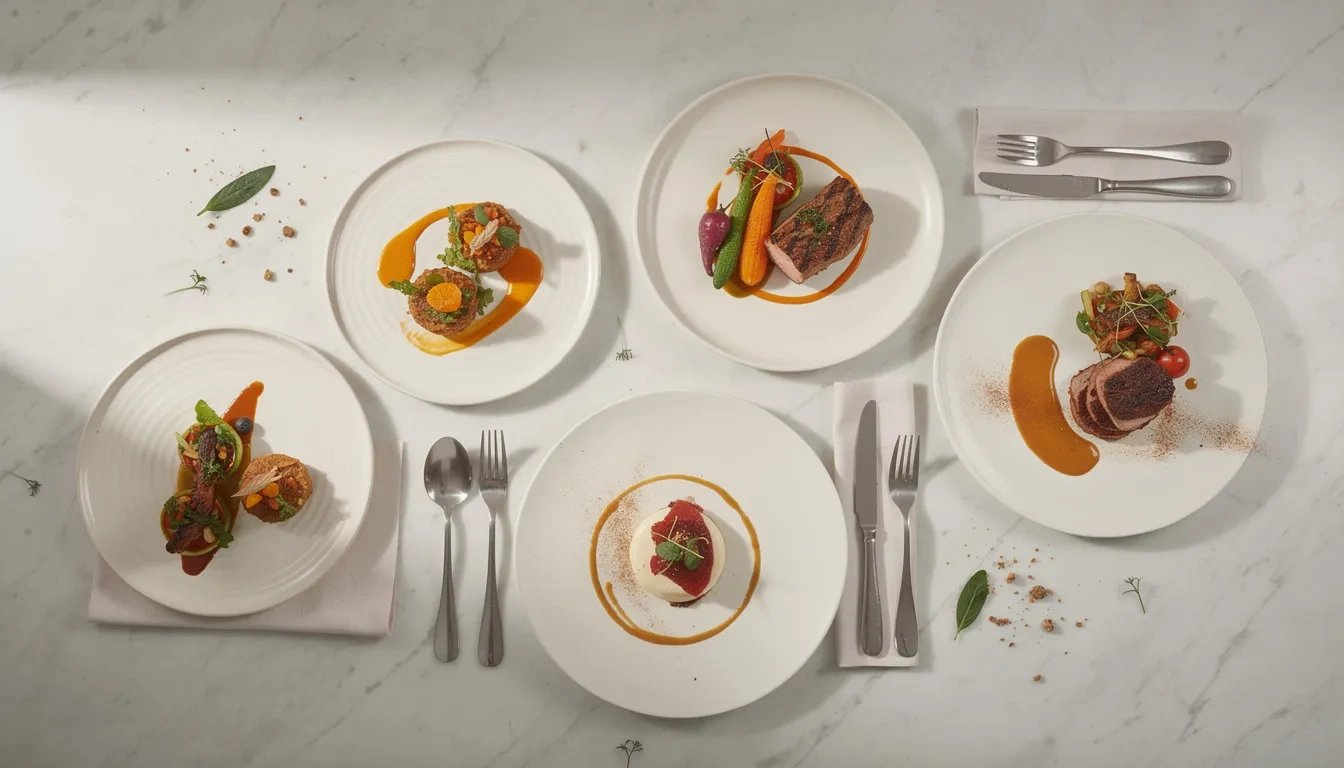
Dessert doesn’t have to be elaborate to feel like a proper ending. Often it’s about contrast: something cool after a hot meal, something bright after rich flavours, or a small sweet bite that signals you’re done. Lighter-feeling desserts tend to lean on fruit, acidity, aeration or chilled textures, and they’re often easier to portion for a household where everyone wants a different amount.
Desserts generally fall into a few practical families. Baked puddings and cakes bring warmth and aroma, but they’re at their best when served soon after baking or properly cooled and sliced. Chilled desserts, such as set creams, mousses and no-bake cakes, are useful when you want a clean finish and a make-ahead option.
Fruit desserts can be as simple as roasted fruit, compotes, crumbles or tarts. They often read lighter because the sweetness is balanced by acidity and water content, and they pair naturally with dairy, nuts or pastry for contrast.
Frozen desserts and semi-frozen styles are particularly good after spicy or rich food, because cold temperature softens intensity and refreshes the palate.
Polish baked cheesecake made with quark and vanilla
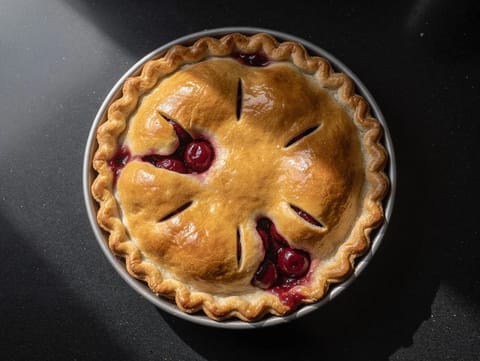
Air fryer cherry pie with lemon and cornflour-thickened filling.
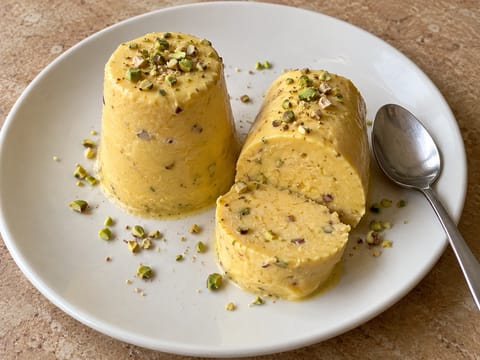
Dense mango kulfi with reduced milk and cardamom
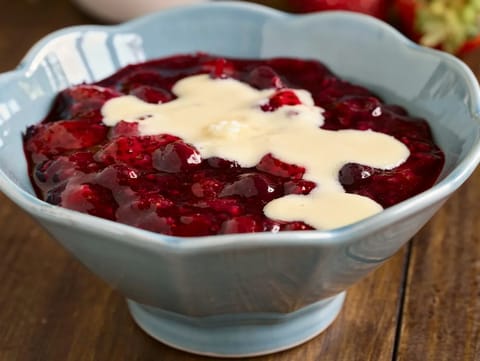
Chilled German red berry pudding thickened with cornflour
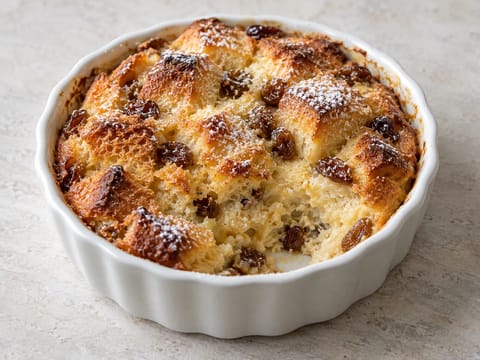
Brioche bread pudding baked in vanilla egg custard.
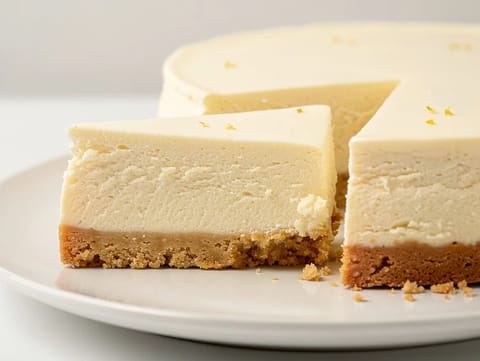
Baked Greek yoghurt cheesecake with a digestive biscuit base
If the main meal is rich, a dessert with acidity or a cold, clean texture can feel more comfortable than another warm, buttery bake. Think fruit-led puddings, citrusy creams, or lightly sweetened yoghurt-style desserts.
For a dessert that feels indulgent without being dense, look for aerated textures such as mousse, whipped creams or sponge-based puddings. Crisp elements, like a biscuit base, toasted nuts or a crumble topping, add contrast and stop chilled desserts tasting one-note.
If you need something that serves easily, choose desserts that portion cleanly: tray bakes, bars, set puddings in glasses, or fruit that can be spooned. They’re forgiving when people want seconds or only a small taste.
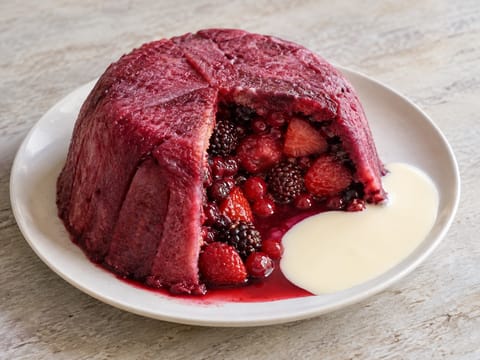
Chilled bread pudding filled with mixed berries
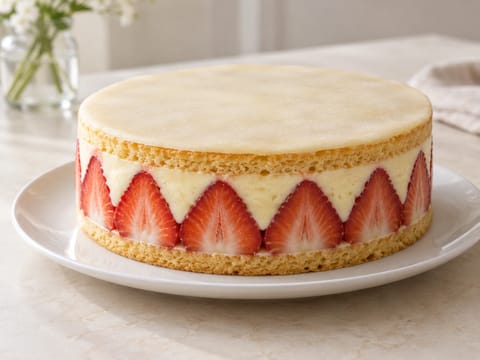
French strawberry cake with génoise and crème mousseline
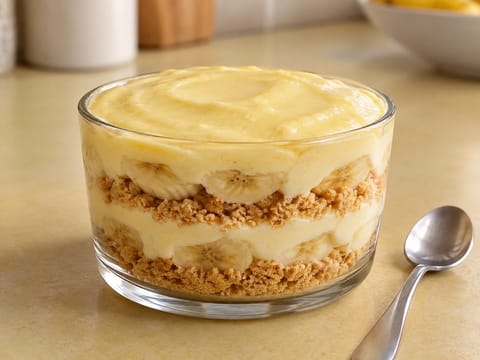
Layered banana pudding with vanilla custard and biscuits
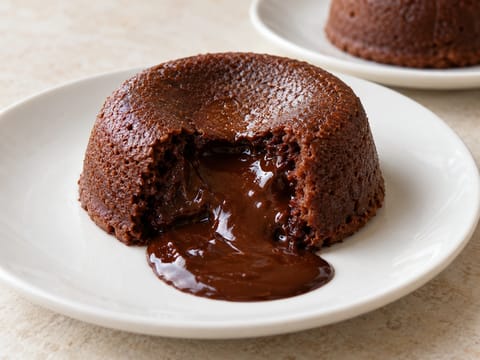
Warm chocolate cakes with a molten centre
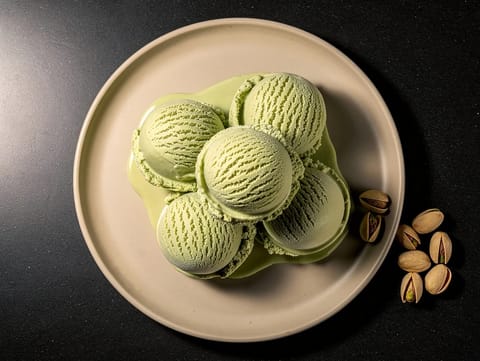
Smooth Sicilian-style pistachio gelato
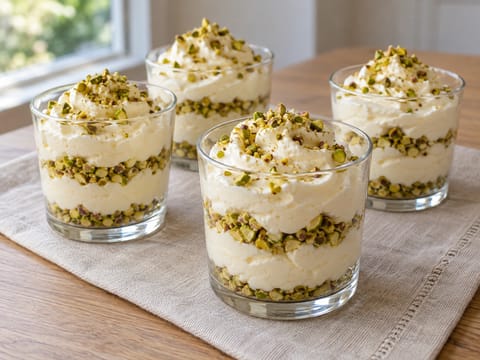
Chilled rose cream cups topped with crushed pistachios
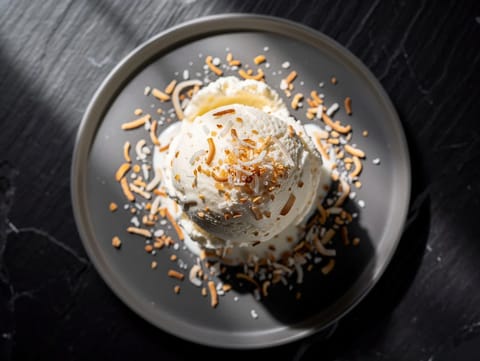
No-churn coconut ice cream made with double cream and coconut milk

Soft air fryer donuts topped with a simple vanilla glaze.
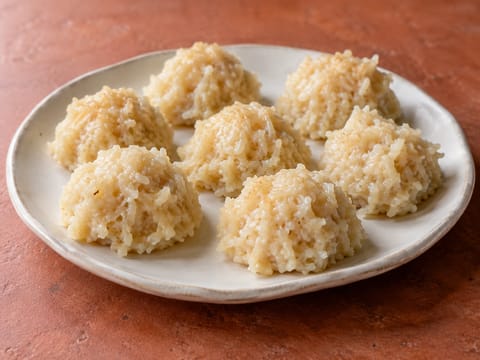
Chewy coconut sweets made with condensed milk and vanilla
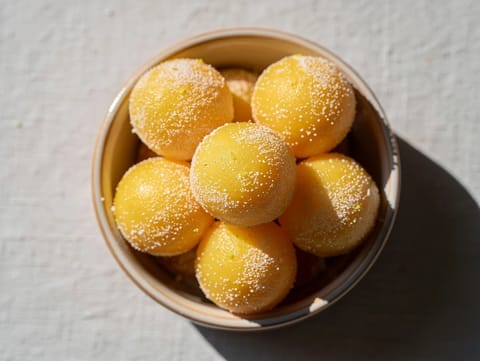
Egg yolk sweets shaped into balls and rolled in sugar
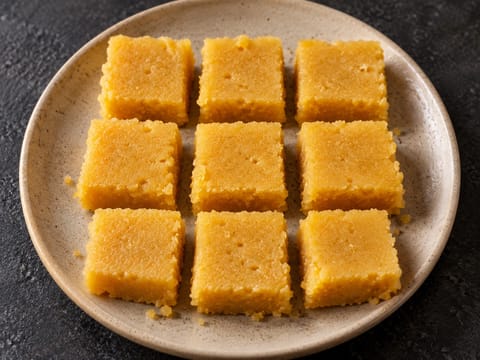
South Indian chickpea flour fudge cooked with ghee and sugar syrup
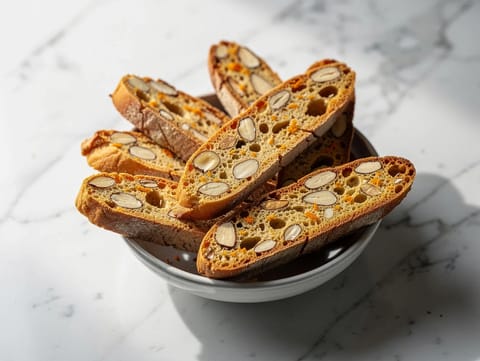
Twice-baked almond biscuits with orange zest
Dessert works best when it changes the conversation. After a spicy meal, cooling dairy, fruit and gentle sweetness can be soothing. After a very savoury, roast-style meal, something bright or lightly bitter, such as citrus or coffee notes, can feel like a reset.
Pay attention to repetition. If you’ve already served a lot of cream, you might choose a fruit dessert with a crisp topping rather than another creamy pudding. If the meal has been light and salad-forward, a warm bake or chocolate dessert can provide a satisfying sense of closure.
For family meals, it helps to keep garnishes and sauces optional. A simple base dessert with a choice of toppings lets everyone adjust sweetness and richness at the table.
Dish type is a practical way to narrow desserts when you know you want something specific, such as a cake, tart or ice cream-style finish. Cooking time can help when you’re deciding between a quick no-bake option and a dessert that needs the oven or chilling time.
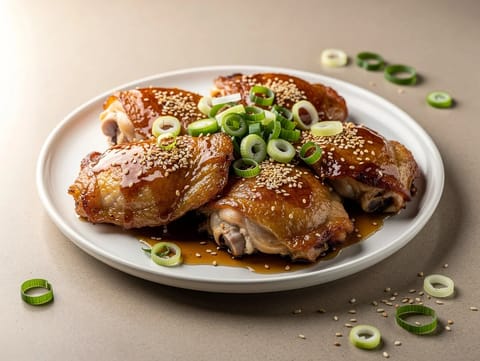
Air-fried chicken thighs in a sticky honey garlic glaze.
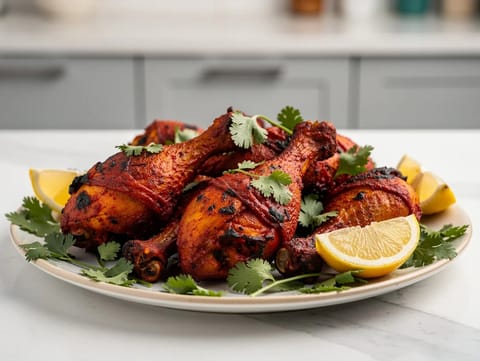
Air-fryer tandoori chicken with yoghurt, lemon and tandoori spices.
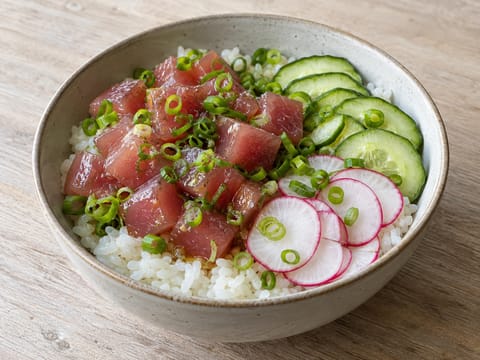
Tuna poke bowl with wasabi dressing, sushi rice and cucumber.
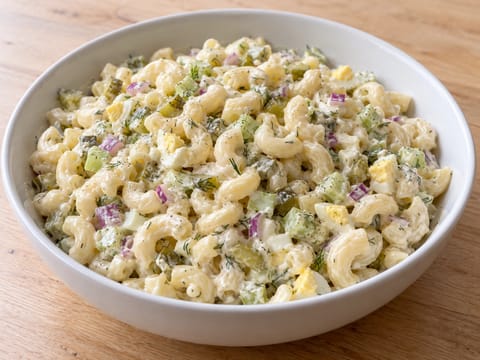
Creamy macaroni salad with sweet pickles and celery
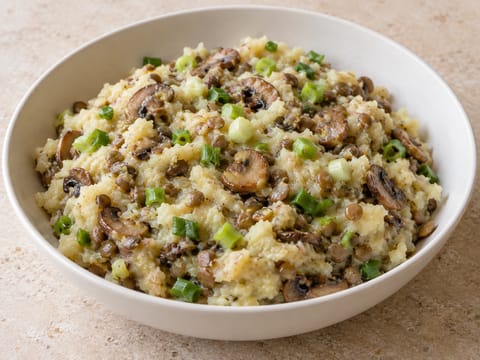
Vegan Dutch mash with lentils, mushrooms and mustard
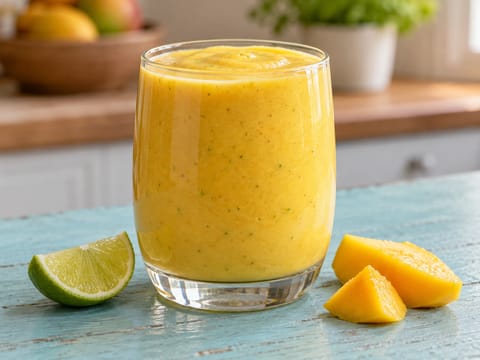
Mango smoothie with lime and a touch of chilli.
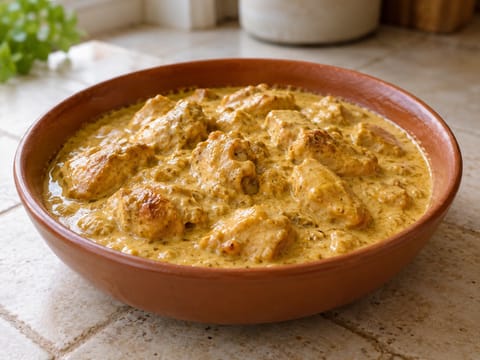
Mild chicken curry with yoghurt, cashews and cream
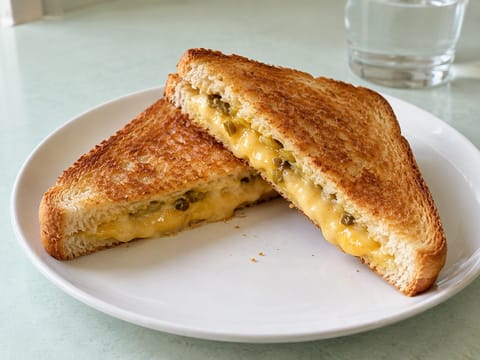
Toasted sandwich with mature cheddar and Branston pickle
Often it’s a combination of portion size and balance. Fruit, acidity, chilled temperature and aerated textures can make sweetness feel less heavy, even when the dessert is still clearly a treat.
Not always. Fruit desserts can be rich if they’re paired with lots of pastry, butter or cream. They tend to feel lighter when the fruit flavour stays prominent and there’s some acidity or freshness.
Desserts that portion cleanly and don’t demand perfect timing: tray bakes, set puddings in glasses, spoonable fruit desserts, or simple bakes that can be sliced once cooled.
Choose contrast. A chilled, citrusy or fruit-led dessert can refresh after rich food. If you want chocolate, consider pairing it with something sharp, like berries or coffee, rather than adding more creaminess.
Not necessarily. A garnish is most useful when it adds contrast, such as crunch on a creamy dessert or a sharp fruit element on a sweet bake. Keeping toppings optional can make serving easier.
Dessert is easiest to choose when you think about what the meal needs next: warmth or coolness, richness or brightness, crispness or cream. Pick a format that portions calmly, and let the finish feel unforced.
