
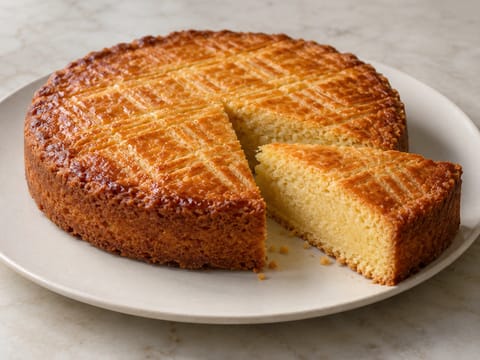
Gâteau Breton (Breton Butter Cake)
Dense Breton butter cake with vanilla and egg yolks
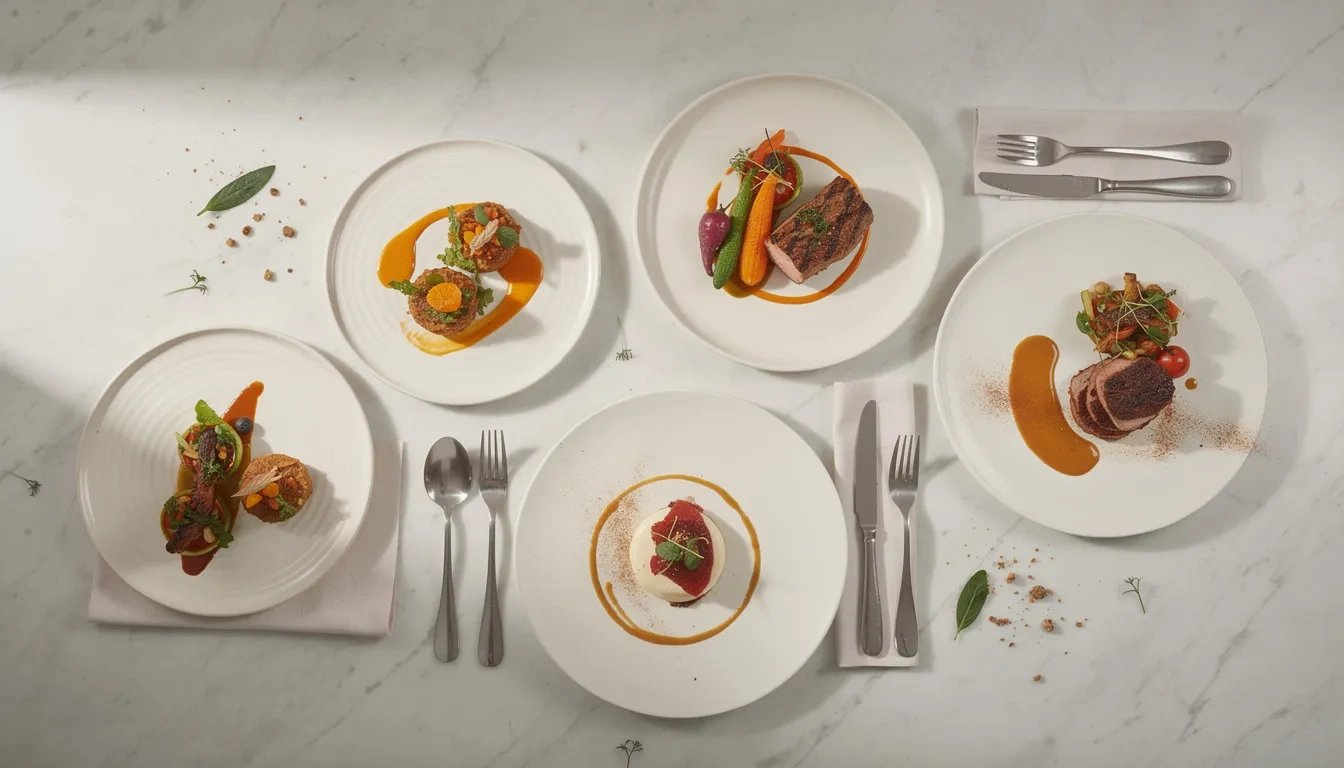
Dessert doesn’t have to be elaborate to feel like a proper ending. Often it’s about contrast: something cool after a hot meal, something bright after rich flavours, or a small sweet bite that signals you’re done. Lighter-feeling desserts tend to lean on fruit, acidity, aeration or chilled textures, and they’re often easier to portion for a household where everyone wants a different amount.
Desserts generally fall into a few practical families. Baked puddings and cakes bring warmth and aroma, but they’re at their best when served soon after baking or properly cooled and sliced. Chilled desserts, such as set creams, mousses and no-bake cakes, are useful when you want a clean finish and a make-ahead option.
Fruit desserts can be as simple as roasted fruit, compotes, crumbles or tarts. They often read lighter because the sweetness is balanced by acidity and water content, and they pair naturally with dairy, nuts or pastry for contrast.
Frozen desserts and semi-frozen styles are particularly good after spicy or rich food, because cold temperature softens intensity and refreshes the palate.
Dense Breton butter cake with vanilla and egg yolks
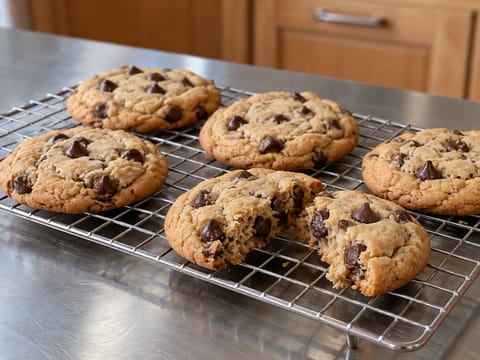
One-bowl peanut butter cookies with dark chocolate chips
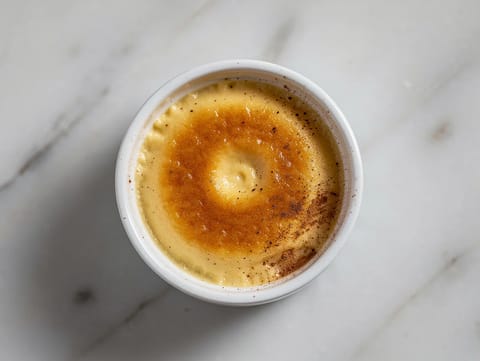
Chilean baked milk custard with a caramelised browned top
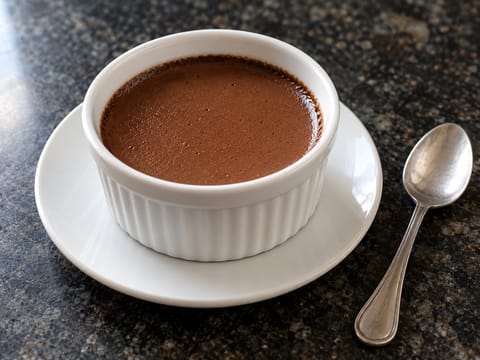
Silky baked chocolate custards chilled until spoonable
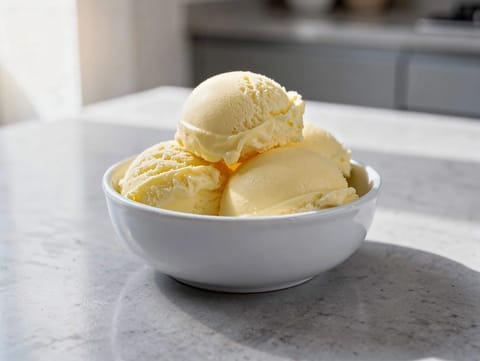
Italian lemon gelato made with fresh zest and juice
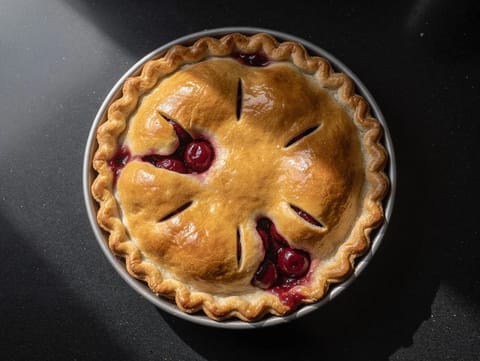
Air fryer cherry pie with lemon and cornflour-thickened filling.
If the main meal is rich, a dessert with acidity or a cold, clean texture can feel more comfortable than another warm, buttery bake. Think fruit-led puddings, citrusy creams, or lightly sweetened yoghurt-style desserts.
For a dessert that feels indulgent without being dense, look for aerated textures such as mousse, whipped creams or sponge-based puddings. Crisp elements, like a biscuit base, toasted nuts or a crumble topping, add contrast and stop chilled desserts tasting one-note.
If you need something that serves easily, choose desserts that portion cleanly: tray bakes, bars, set puddings in glasses, or fruit that can be spooned. They’re forgiving when people want seconds or only a small taste.
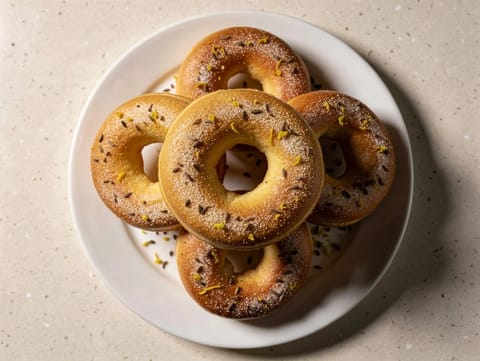
Spanish anise ring doughnuts dusted with caster sugar
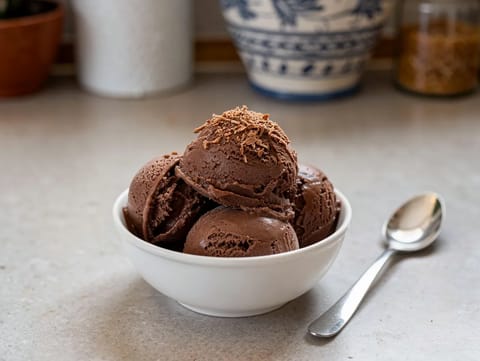
Dense dark chocolate gelato made with milk and double cream
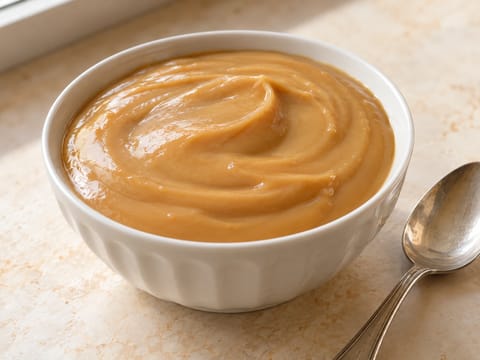
Smooth stovetop butterscotch pudding with vanilla
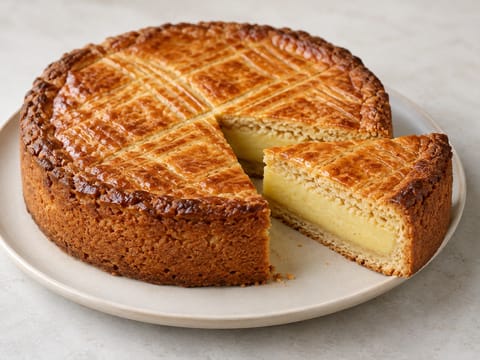
Buttery pastry cake filled with thick vanilla custard
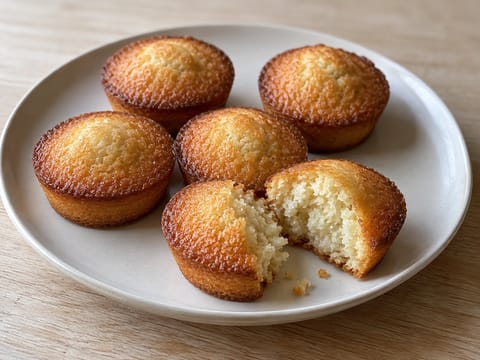
Small French almond cakes made with brown butter
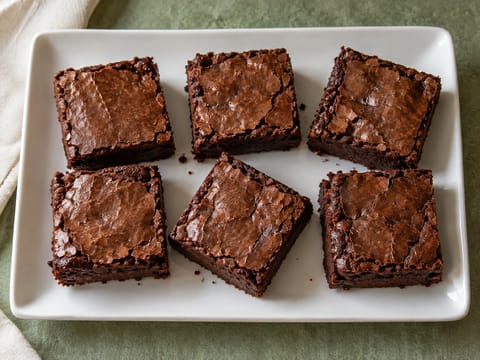
Rich, fudgy brownies with dark chocolate and cocoa
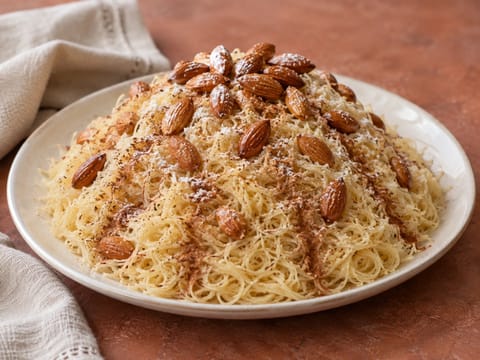
Steamed sweet vermicelli topped with almonds and cinnamon
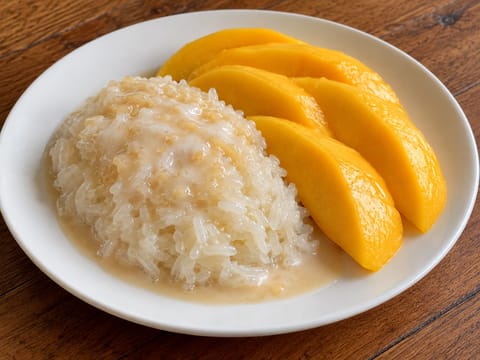
Sticky coconut rice served with ripe mango
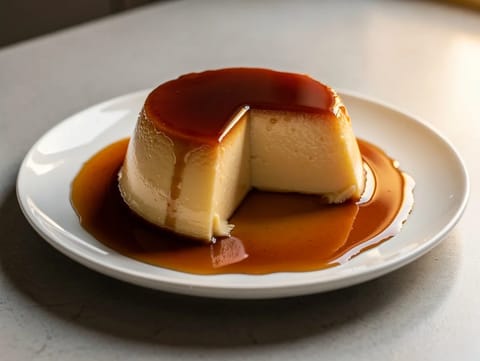
Baked caramel flan chilled and unmoulded with caramel sauce
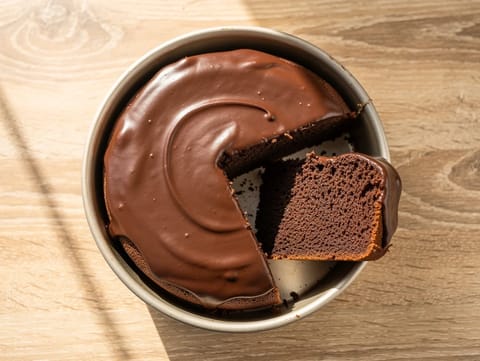
Small chocolate cake baked in the air fryer with icing.
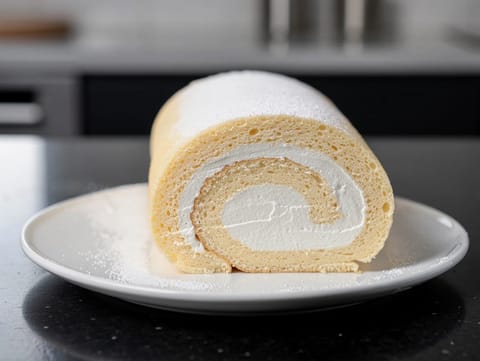
Spanish Swiss roll filled with sweetened whipped cream
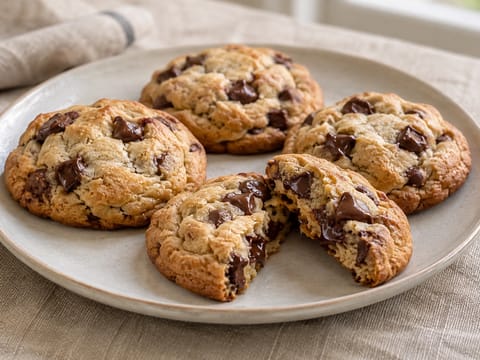
Thick New York-style cookies with dark chocolate chips
Dessert works best when it changes the conversation. After a spicy meal, cooling dairy, fruit and gentle sweetness can be soothing. After a very savoury, roast-style meal, something bright or lightly bitter, such as citrus or coffee notes, can feel like a reset.
Pay attention to repetition. If you’ve already served a lot of cream, you might choose a fruit dessert with a crisp topping rather than another creamy pudding. If the meal has been light and salad-forward, a warm bake or chocolate dessert can provide a satisfying sense of closure.
For family meals, it helps to keep garnishes and sauces optional. A simple base dessert with a choice of toppings lets everyone adjust sweetness and richness at the table.
Dish type is a practical way to narrow desserts when you know you want something specific, such as a cake, tart or ice cream-style finish. Cooking time can help when you’re deciding between a quick no-bake option and a dessert that needs the oven or chilling time.
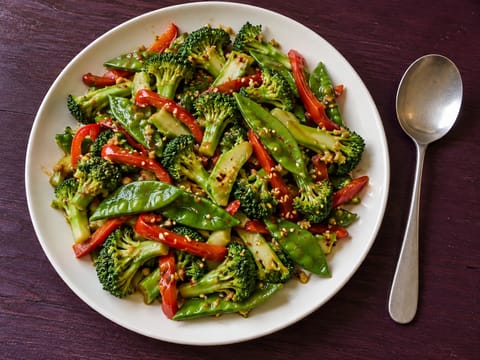
Crisp vegetables in a soy, vinegar and sesame sauce.
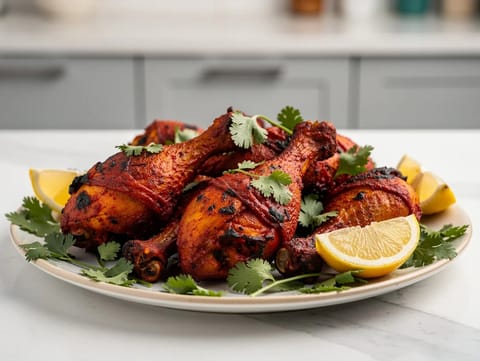
Air-fryer tandoori chicken with yoghurt, lemon and tandoori spices.

Buttermilk-marinated chicken tenders cooked crisp in the air fryer.
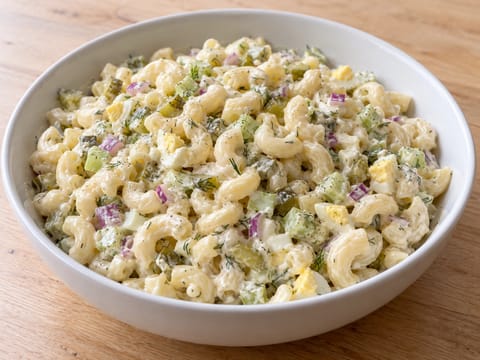
Creamy macaroni salad with sweet pickles and celery
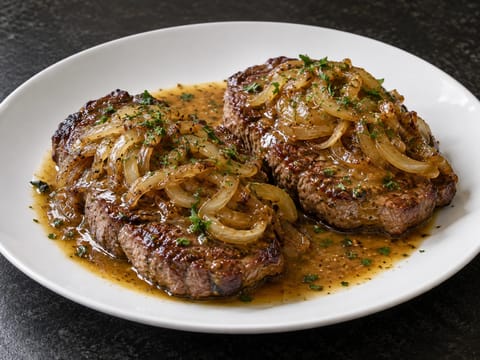
Pan-seared steak with caramelised onions and mustard pan sauce
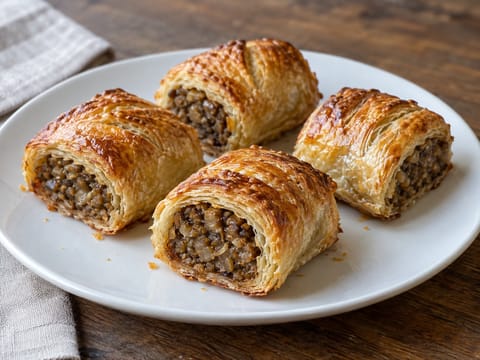
Vegetarian sausage roll with caramelised onion in puff pastry
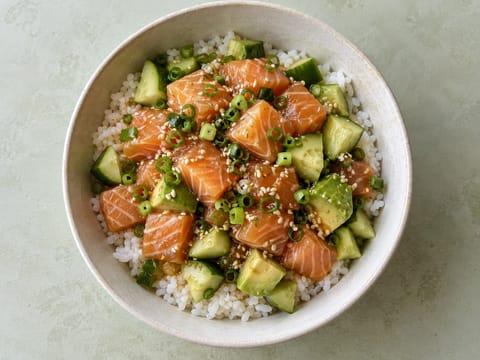
Salmon poke over sushi rice with avocado and cucumber.
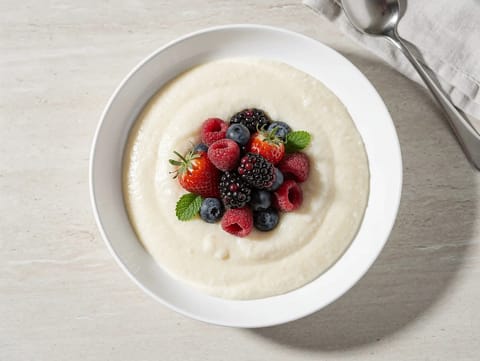
Creamy semolina porridge with butter and mixed berries
Often it’s a combination of portion size and balance. Fruit, acidity, chilled temperature and aerated textures can make sweetness feel less heavy, even when the dessert is still clearly a treat.
Not always. Fruit desserts can be rich if they’re paired with lots of pastry, butter or cream. They tend to feel lighter when the fruit flavour stays prominent and there’s some acidity or freshness.
Desserts that portion cleanly and don’t demand perfect timing: tray bakes, set puddings in glasses, spoonable fruit desserts, or simple bakes that can be sliced once cooled.
Choose contrast. A chilled, citrusy or fruit-led dessert can refresh after rich food. If you want chocolate, consider pairing it with something sharp, like berries or coffee, rather than adding more creaminess.
Not necessarily. A garnish is most useful when it adds contrast, such as crunch on a creamy dessert or a sharp fruit element on a sweet bake. Keeping toppings optional can make serving easier.
Dessert is easiest to choose when you think about what the meal needs next: warmth or coolness, richness or brightness, crispness or cream. Pick a format that portions calmly, and let the finish feel unforced.
