
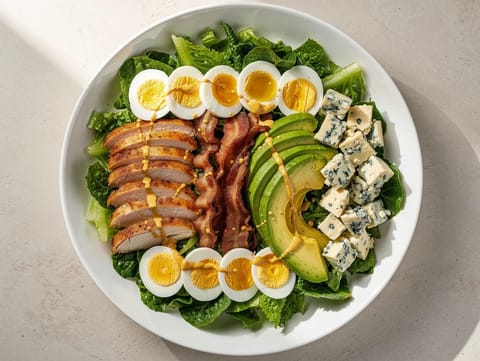
Cobb Salad (Chicken, Bacon, Egg, Avocado and Blue Cheese Salad)
Composed salad with chicken, bacon, egg, avocado and blue cheese

American cooking is less a single set of dishes than a way of cooking that shifts by region, migration and occasion. When you choose American-style recipes, it helps to think in methods: slow-smoked barbecue, griddled and fried favourites, oven bakes and casseroles, and big-batch soups and stews. Flavours often balance savoury richness with sharp pickles, mustard, hot sauce or a sweet element, and sides are treated as part of the main event rather than an afterthought.
If you are deciding what to make, the quickest way into American cooking is to pick a technique that matches your day. Grilling and barbecuing lean towards bold rubs, sticky glazes and smoke, with slaws and pickles cutting through. Oven bakes and casseroles suit hands-off cooking and tend to rely on a creamy or tomato base, a starchy layer and a browned top. Frying and griddling are common for crisp textures, from chicken to pancakes, while pot cooking covers chilli-style braises, chowders and bean dishes where the flavour builds over time.
Composed salad with chicken, bacon, egg, avocado and blue cheese
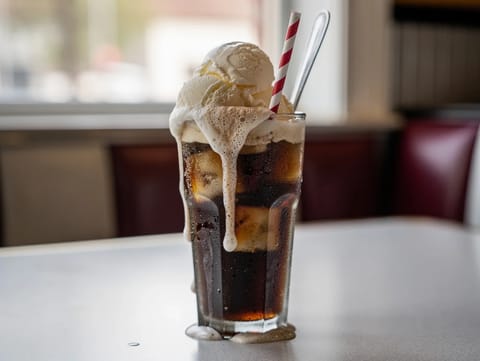
Vanilla ice cream topped with chilled root beer
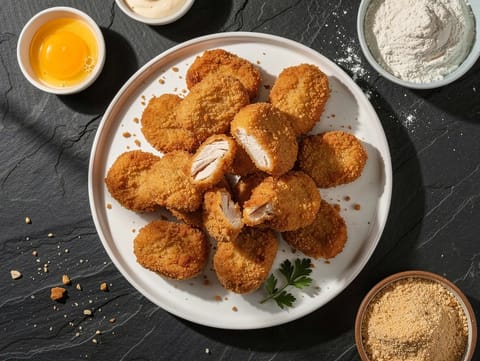
Crisp air fryer chicken nuggets with seasoned breadcrumbs.
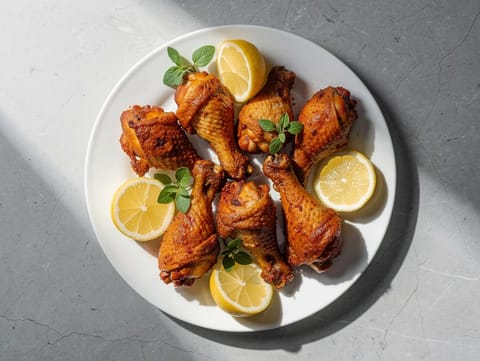
Spiced chicken drumsticks air-fried until crisp and juicy.
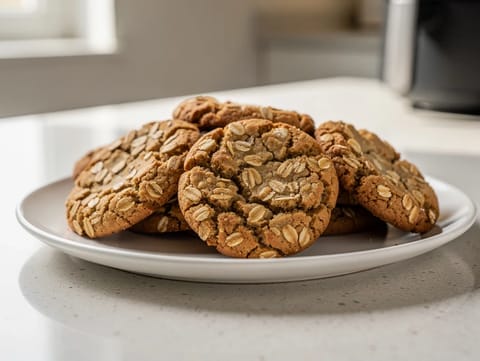
Air fryer oatmeal cookies with a chewy centre and crisp edges.
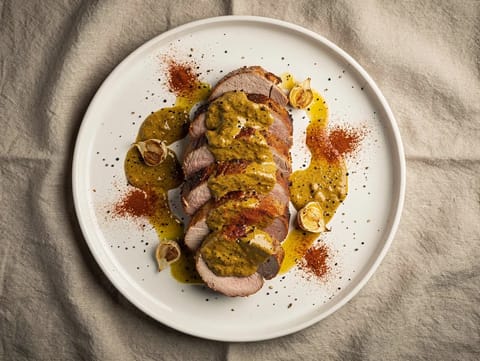
Juicy pork tenderloin with a honey mustard glaze
American is a broad umbrella. It can describe dishes that are closely tied to particular states or cities, home-cooking staples that travelled with families, and restaurant styles that became widely recognised. It does not automatically mean fast food, and it does not always mean heavy or sweet, even though many well-known examples are rich. You will also see American used for familiar flavour combinations such as barbecue sauce, ranch-style dressings, pumpkin spice-style baking, or diner-style breakfasts, even when the ingredients are adapted to what is available locally.

Red velvet cake layered with cream cheese frosting
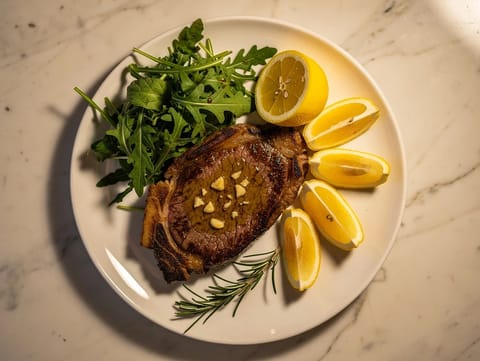
Pan-seared ribeye with garlic butter and rocket salad
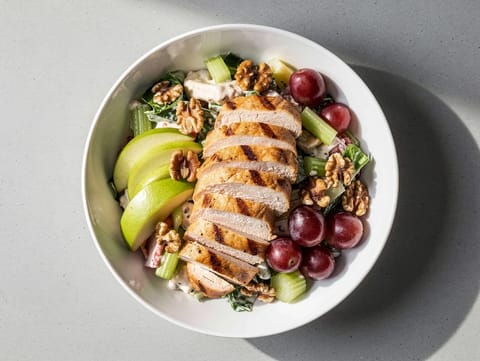
Waldorf salad with grilled chicken, apple, grapes and walnuts
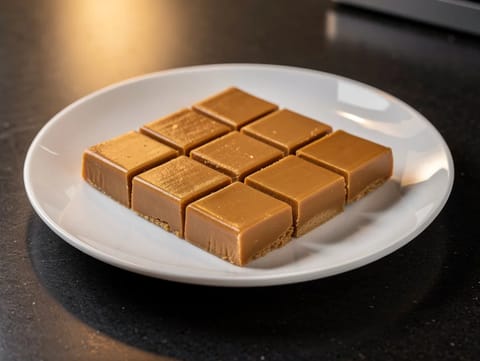
No-bake peanut butter fudge set in the fridge

Vegan chocolate mousse blended with avocado, cocoa and maple syrup
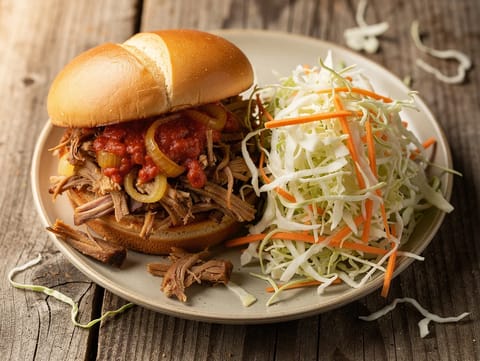
Pulled pork rolls topped with crunchy cabbage and carrot coleslaw

Red velvet cake with tangy cream cheese frosting
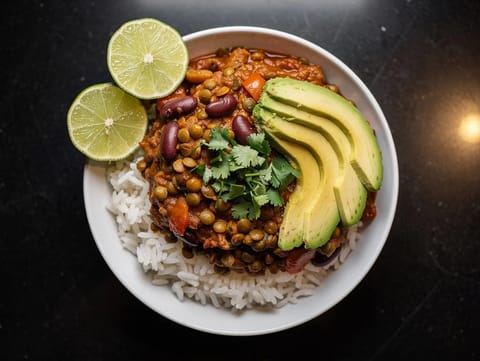
Lentil chilli over rice with avocado, coriander and lime
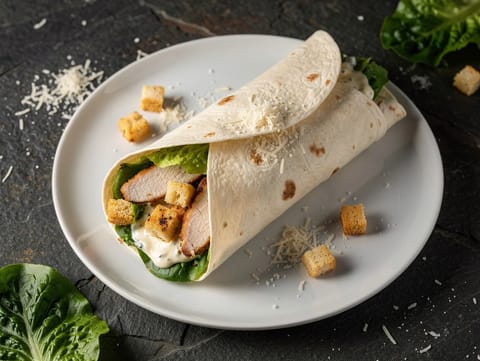
Chicken Caesar wrap with romaine, Parmesan and croutons
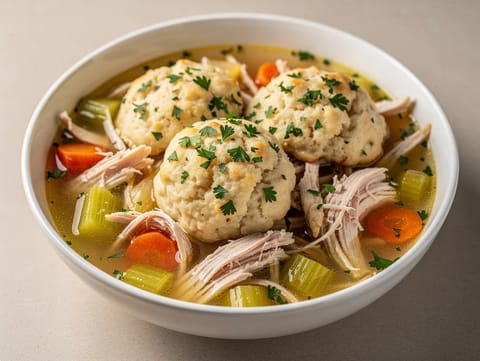
Slow cooker chicken stew topped with fluffy buttermilk dumplings
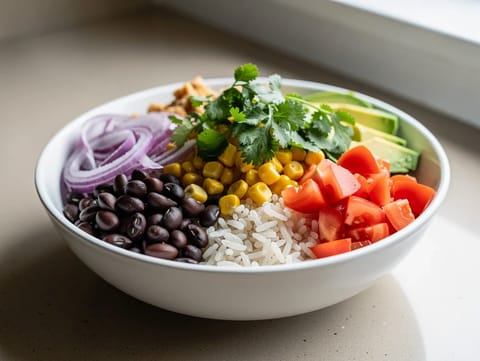
Cumin-lime rice bowl with black beans, salsa and avocado
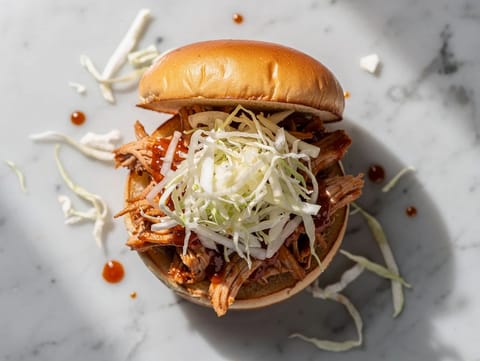
Pulled chicken in barbecue sauce, served in buns with slaw
A lot of American flavour comes from layering: a dry rub plus a sauce, or a creamy base plus something sharp. Common building blocks include mustard, ketchup or tomato-based sauces, mayonnaise-based dressings, pickles and relishes, and hot sauces. In baking, vanilla, cinnamon and brown sugar notes are frequent, often paired with nuts, chocolate or fruit. For savoury dishes, onions, garlic and celery often start the pot, while smoked paprika, chilli powder blends and black pepper bring warmth. When a dish tastes flat, the usual fix is not more salt but a brighter counterpoint: vinegar, citrus, pickles or a crunchy slaw.
American cooking is strongly regional, and the same dish name can mean different things in different places. Barbecue is the clearest example: sauces and seasonings vary widely, as do the preferred cuts and whether the emphasis is on smoke, spice or sweetness. Coastal areas often lean towards seafood traditions, while inland cooking may centre on beef, pork and hearty grains. Migration has also shaped everyday food, so you will see dishes that sit comfortably alongside Italian-American, Chinese-American, Mexican-American and many other community styles. Treat the label as a starting point, then read for the regional or family cues in the ingredients and method.
American cooking is easiest to navigate by what you want on the plate and how you want to cook it. Exploring Dish can help you jump straight to burgers, ribs, pies or salads, while Cooking method is useful when you are choosing between grilling, baking, frying or slow cooking.
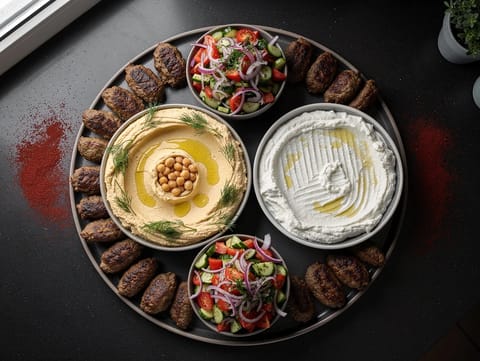
Turkish table with meze, salad and grilled lamb köfte
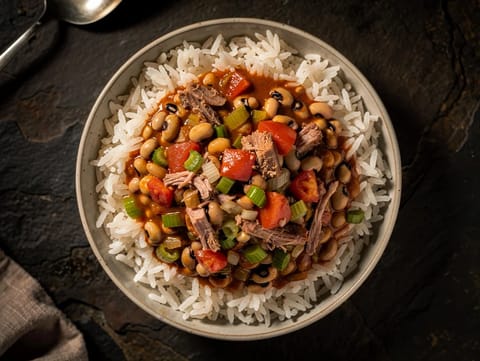
Black-eyed pea stew with smoked ham hock and tomatoes
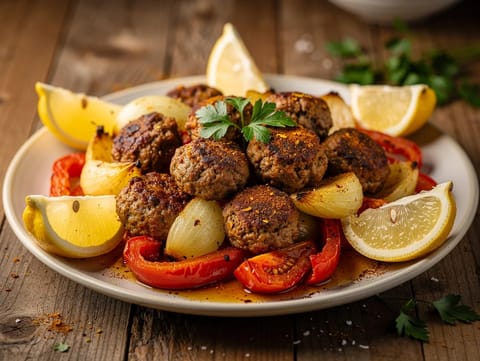
Lamb meatball traybake with peppers, tomatoes, cumin and paprika
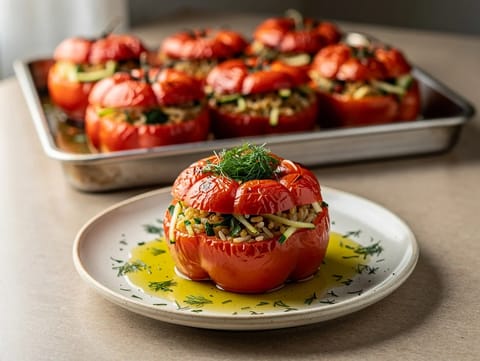
Traybaked stuffed peppers and tomatoes with herby lemon rice
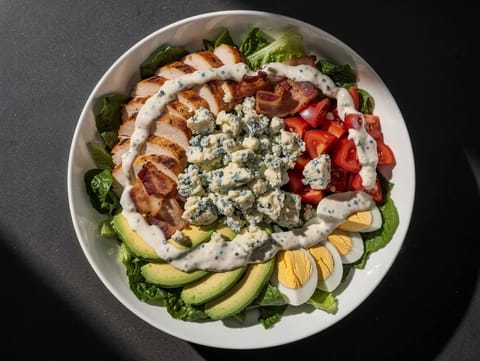
Cobb salad with chicken, bacon, avocado and blue cheese dressing
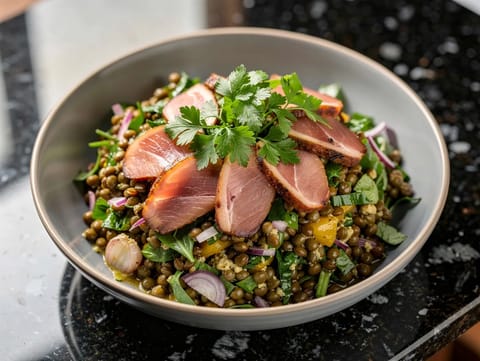
Green lentil salad with mustard dressing and smoked duck
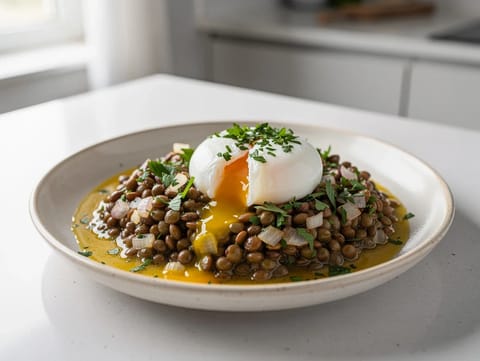
Warm Puy lentils with poached egg and Dijon dressing
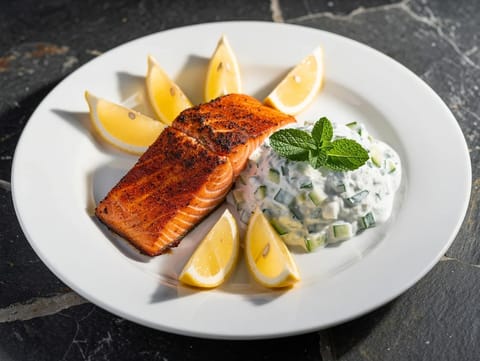
Baked tandoori-style salmon with cucumber and mint raita
No. Those are well-known, but American-style recipes also include soups, casseroles, salads, seafood dishes, breads and a wide range of baking, from cookies to layer cakes.
Often it is the combination of method and flavour cues: barbecue rubs and sauces, diner-style griddled breakfasts, casserole-style bakes, or the use of pickles, mustard and creamy dressings as key accents.
It depends on the region and the dish. Some styles lean on chilli heat, while others focus more on smoke, sweetness, black pepper or tangy vinegar.
Many meals are built around a main plus contrasting sides: something crisp and sharp (slaw, pickles), something starchy (cornbread, potatoes, macaroni), and often a sauce or dressing that ties it together.
Many are built around familiar pantry flavours and textures: buttery crusts, soft cookies, fudgy brownies, fruit pies and cakes with vanilla, cinnamon or chocolate notes.
When you pick an American recipe, decide first whether you want smoke, crunch, a comforting bake or a slow-simmered pot. Then use the sauce, spice blend and side dishes to steer it towards a particular regional or diner-style feel.
