
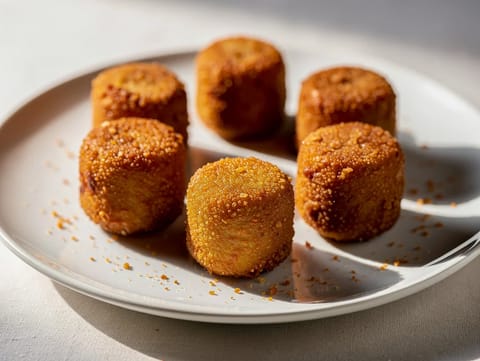
Kaaskroketten (Belgian Cheese Croquettes)
Belgian cheese croquettes with cheddar béchamel and a crisp coating

Belgian cooking often sits comfortably between French bistro polish and Northern European practicality. Expect dishes that make good use of butter, cream, beer and mustard, alongside seafood, vegetables and potatoes. The sweet side is equally distinctive, with waffles, biscuits and chocolate featuring strongly. If you are exploring Belgian-style recipes, it helps to think in two directions: savoury, sauce-led cooking that rewards gentle simmering, and baking and desserts where texture, caramelisation and chocolate matter as much as flavour.
Belgian-style savoury dishes often revolve around a well-built sauce, whether it starts with onions and aromatics, a splash of beer or wine, or a spoonful of mustard. That makes them forgiving for home cooks: you can taste and adjust as the pot simmers. On the sweet side, Belgian baking tends to be about structure and finish, from crisp-edged biscuits to waffles that need the right balance of batter richness and heat. If you are choosing between recipes, decide whether you want a slow, comforting pot or something you can serve warm from the oven or waffle iron.
Belgian cheese croquettes with cheddar béchamel and a crisp coating
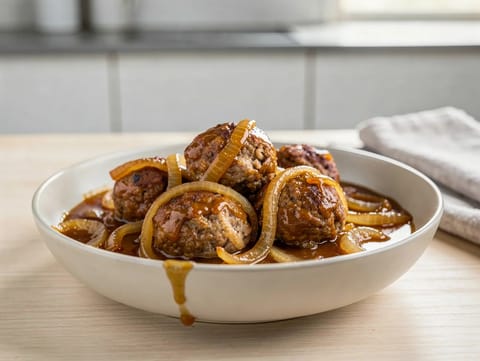
Liège meatballs simmered in sweet-sour onion sauce
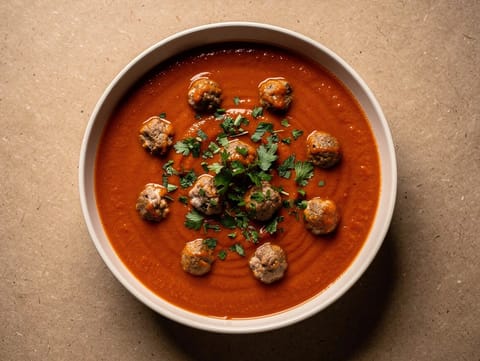
Belgian tomato soup with poached beef and pork meatballs
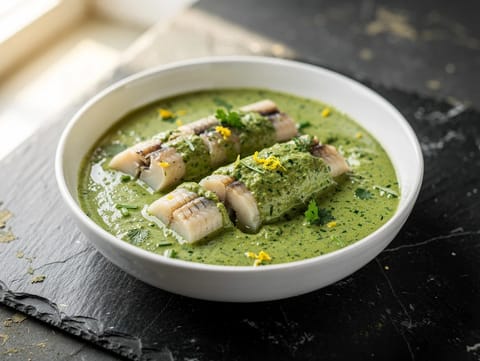
Eel simmered in white wine with green herb sauce

Thick egg-yolk custard liqueur blended with brandy
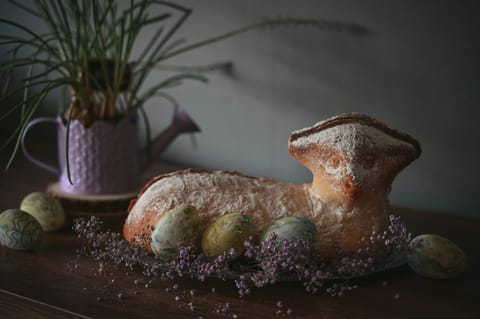
Belgian Easter sponge cake finished with icing sugar
Beer is a common flavour cue, used for bitterness, malt sweetness and depth rather than for obvious “beer taste” once cooked down. Mustard, vinegar and sometimes a touch of brown sugar can sharpen rich sauces. Potatoes appear in many forms, often alongside mayonnaise-based sauces. In baking, chocolate is a frequent anchor, and warm spices may show up in biscuits and cakes. Dairy is used for richness, but Belgian-style dishes often rely on contrast: a creamy element balanced by something tangy, bitter or lightly sweet.
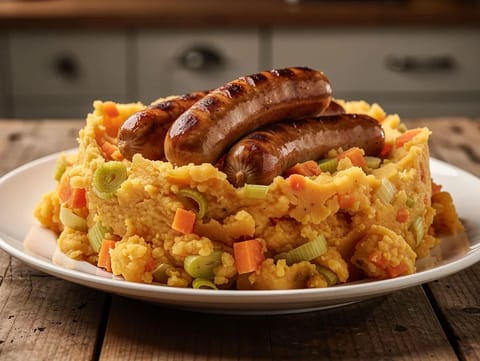
Belgian mashed potatoes and vegetables topped with pork sausages
Belgian Easter sponge cake finished with icing sugar
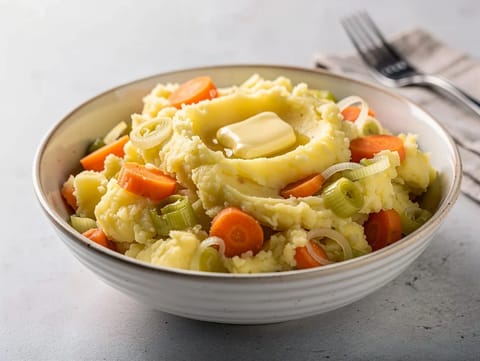
Mashed potatoes with carrots and leeks, enriched with butter
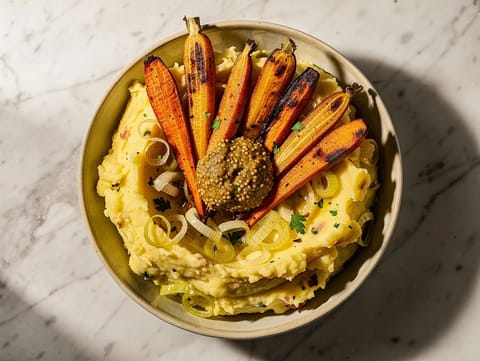
Leek mash topped with roasted carrots and parsnips
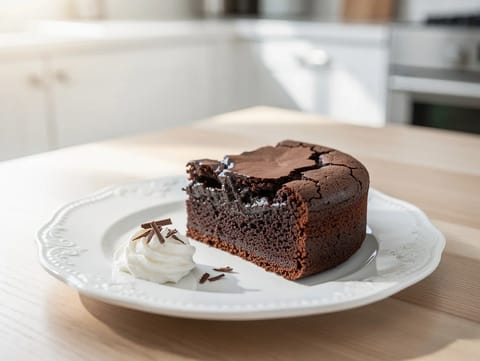
Dense chocolate brownie torte with a crisp top
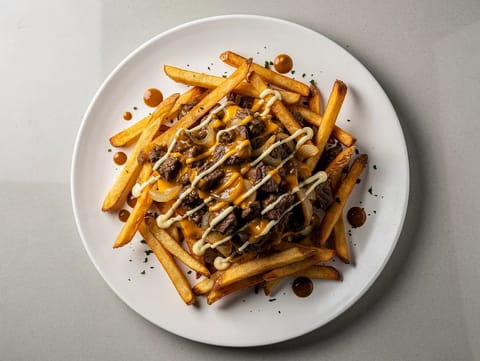
Twice-cooked fries topped with beef stew, cheddar and mayonnaise
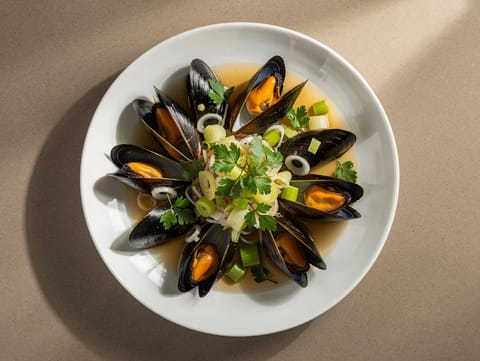
Mussels steamed in white wine with leeks and celery
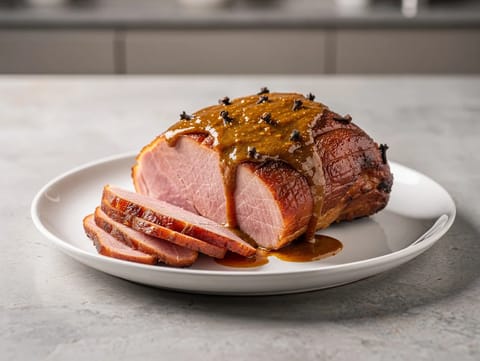
Beer-braised ham with mustard and brown sugar glaze

Warm spiced beer with orange, clove and cinnamon
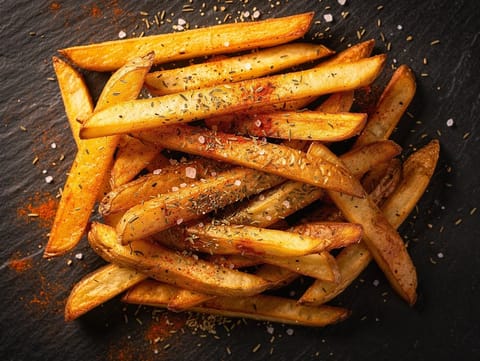
Belgian herb oven chips with paprika and thyme
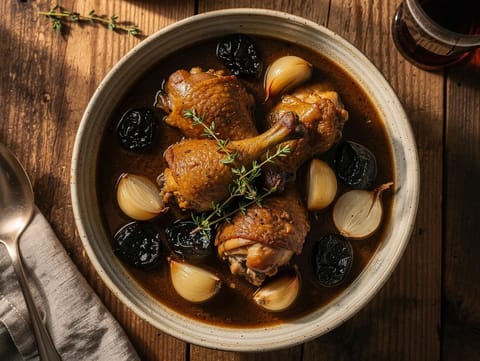
Rabbit stew with prunes and dark beer
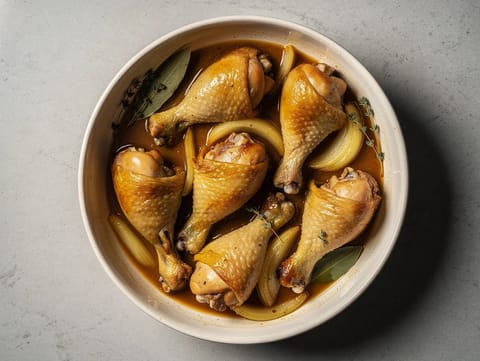
Chicken drumsticks braised in Belgian beer with onions and mustard
Look for slow-cooked stews and braises, often paired with chips or mashed potatoes, and for seafood preparations that keep the cooking gentle so the texture stays tender. Vegetable dishes may be simple but carefully finished, with butter, herbs and a sauce that pulls everything together. On the café side, waffles and pancakes-style batters are a natural fit, as are biscuits and traybakes that travel well. Belgian-style desserts frequently lean on chocolate, custard or cream, with a focus on clean slices and neat portions rather than elaborate decoration.
Belgium’s cooking reflects its languages and neighbours, so you will see overlaps with French techniques and Dutch and Germanic comfort-food traditions. Regional identity matters: dishes associated with Flanders may lean towards beer-based cooking and hearty plates, while Brussels and Wallonia can read more bistro-like in style. Coastal cooking brings in seafood traditions, and café culture shapes the way sweets are served, often alongside coffee. Rather than looking for one “Belgian flavour”, read recipes for these cues: beer or mustard in the pot, careful sauce work, and a strong baking and chocolate tradition.
Belgian cooking covers everything from stews and seafood to waffles and chocolate desserts. Browsing by Dish helps when you already know the format you want, while Ingredients is useful if you are choosing between beer-led savoury cooking and chocolate-forward baking.
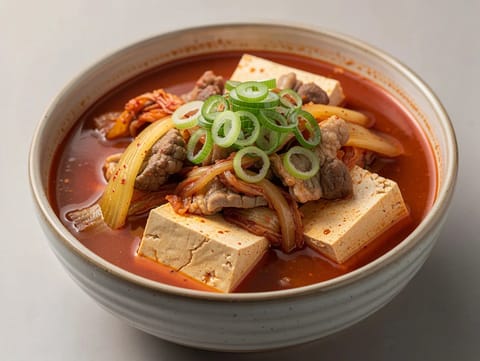
Korean kimchi and pork belly stew finished with soft tofu

Fragrant oolong tea brewed in hot water, served plain or sweetened
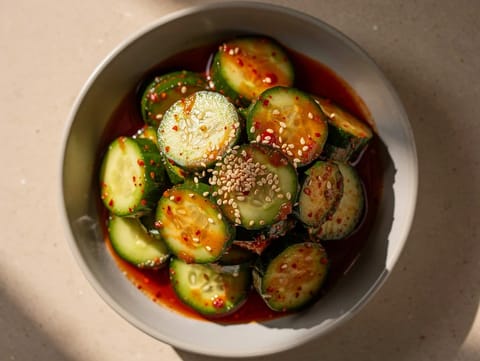
Spicy cucumber salad with gochugaru, vinegar and sesame oil
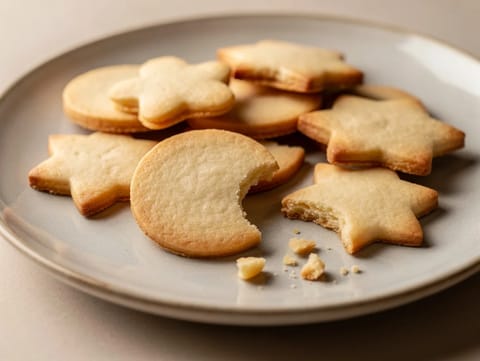
Crisp Nordic biscuits with vanilla and cardamom
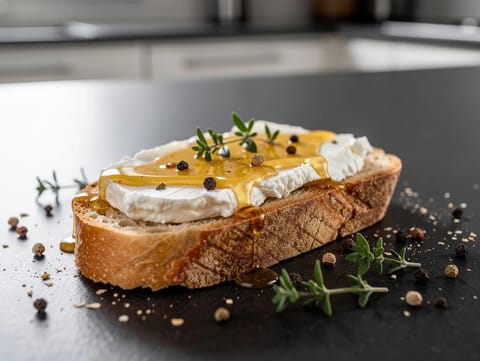
Toasted sourdough tartine with goat’s cheese and honey
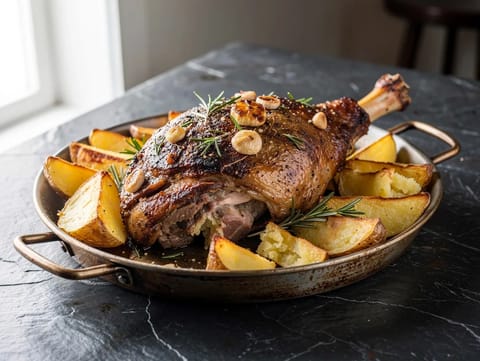
Slow-roasted leg of lamb with rosemary and garlic

Lobster roll with mayonnaise, lemon and celery
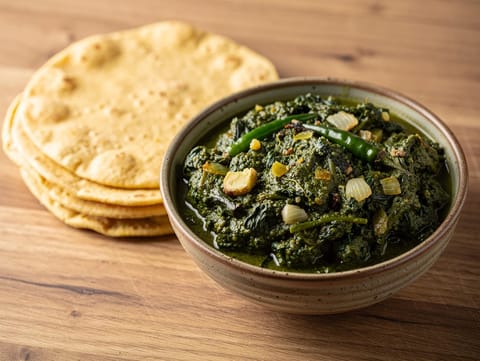
Mustard greens and spinach curry served with maize flatbread
There is overlap in technique, especially in sauces and bistro-style cooking, but Belgian dishes often lean more towards hearty stews, beer as a cooking ingredient, and a very strong waffle, biscuit and chocolate tradition.
Often it is the use of beer for depth, plus mustard or vinegar for balance, and serving traditions that pair the stew with potatoes or chips and a simple vegetable side.
No. Different styles exist, and recipes vary in richness, sweetness and texture. The method and heat control matter as much as the batter ingredients.
Not always. Beer is a common cue, but many Belgian-style dishes rely on butter, cream, herbs, mustard and careful simmering without beer.
Chocolate is a frequent anchor, alongside vanilla, caramel notes and sometimes warm spices in biscuits and cakes.
Belgian-style cooking is at its clearest when you follow the logic of the dish: build a balanced sauce for savoury plates, or focus on texture and caramelisation for waffles and bakes. From there, small choices like beer, mustard or chocolate steer the flavour.
